Introduction
Time is the most expensive resource in product development. Every day spent waiting for a prototype is a day lost in testing, iteration, and market entry. Traditional prototyping methods once forced teams to wait weeks or even months just to hold a physical model. By then, design flaws were expensive to fix. Rapid prototyping changes this entirely. It compresses timelines, empowers creativity, and reduces risk. At Yigu Technology, we have witnessed how this technology transforms chaotic development cycles into streamlined, confident product launches. This article explores how rapid prototyping works, why it matters, and how you can use it to build better products faster.
What Is Rapid Prototyping?
Rapid prototyping is a set of technologies that build physical models directly from digital designs. Unlike traditional machining, which removes material, most rapid prototyping methods are additive. They construct objects layer by layer.
This approach turns a CAD file into a tangible part in hours—not weeks. Engineers, designers, and stakeholders can then touch, test, and critique the model. Feedback becomes immediate. Changes become inexpensive.
How Does It Actually Work?
The Layer-by-Layer Principle
Every rapid prototyping process follows a simple logic. A 3D model is sliced into thin horizontal layers. A machine then builds those layers one at a time until the full object appears.
For example, in Stereolithography (SLA) , a laser traces each layer onto a vat of liquid resin. The resin hardens where the laser touches. The platform lowers, and the next layer is formed. In Fused Deposition Modeling (FDM) , a heated nozzle extrudes molten plastic in thin threads, building the part from the bottom up.
The result is a physical object that closely matches the digital design—often with remarkable accuracy.
Which Technologies Are Available?
Different projects demand different approaches. The table below compares the most common rapid prototyping technologies.
| Technology | How It Works | Best For | Key Limitation |
|---|---|---|---|
| SLA (Stereolithography) | Laser cures liquid resin | High-detail parts, smooth surfaces | Limited material range |
| FDM (Fused Deposition Modeling) | Extrudes molten plastic filament | Low-cost concept models, basic functional testing | Visible layer lines |
| SLS (Selective Laser Sintering) | Laser sinters powder particles | Strong functional parts, complex geometries | Higher equipment cost |
| PolyJet | Jets and cures liquid photopolymer | Multi-material prototypes, overmolding simulation | Higher material cost |
A startup building a consumer electronics enclosure might choose FDM for early form studies. An aerospace engineer testing a bracket under load would likely select SLS with nylon for its strength. A medical device firm requiring smooth surfaces for skin contact often prefers SLA.
How Does It Accelerate Design Cycles?
From Weeks to Days
Traditional prototyping often required hard tooling. A single mold could take six to eight weeks to produce. If the design changed, that mold became scrap. Rapid prototyping eliminates this bottleneck.
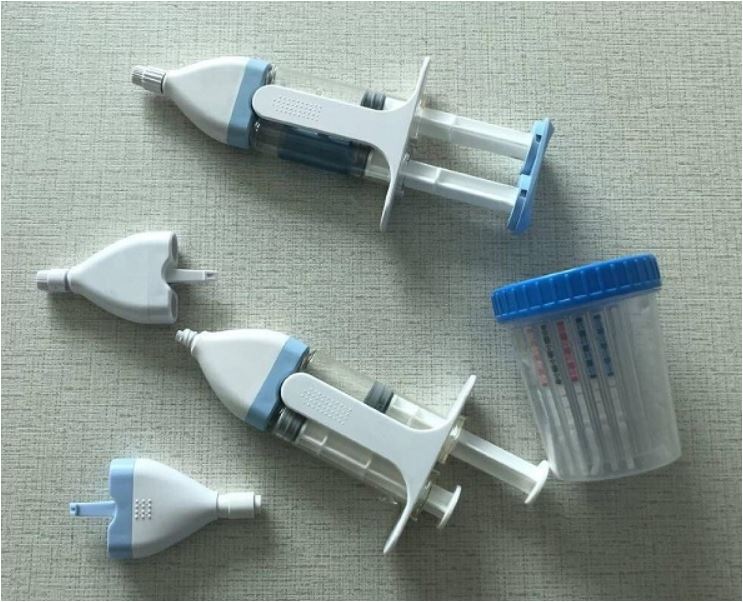
Consider a real example. A medical startup needed to develop a handheld diagnostic device. Using traditional machining, their first prototype would have taken seven weeks. With FDM printing, they held a functional model in three days. They identified a button placement issue immediately. A revised version was printed overnight. Within two weeks, they completed five design iterations—a process that would have taken nearly six months using conventional methods.
Parallel Development Becomes Possible
With a physical prototype early in the cycle, other teams can begin their work. Marketing can create promotional materials. Engineering can start reliability testing. Supply chain can identify vendors. This overlap compresses the overall timeline dramatically.
Why Is Iteration So Powerful?
Iteration is where good designs become great. Rapid prototyping makes iteration free in practical terms. Changing a CAD file costs nothing. Printing a new version costs only material and machine time.
A furniture designer once shared their experience with us. They were developing an ergonomic office chair. The first prototype looked good but felt wrong. The lumbar support sat too low. They adjusted the CAD model by 12 millimeters. Within 24 hours, a new prototype arrived. They tested again. Still not perfect. Two more iterations later, they found the ideal position. In a traditional process, each change would have required new molds—costing thousands and adding months.
How Does It Improve Collaboration?
Physical objects communicate better than screenshots. A CAD model on a monitor leaves room for interpretation. A prototype in hand leaves none.
Breaking Down Silos
In many organizations, design, engineering, and marketing work separately. Designers create what looks good. Engineers focus on manufacturability. Marketing worries about customer appeal. These priorities often conflict.
A physical prototype forces alignment. When all three teams hold the same object, conversations become concrete. Engineering can point to a rib that might warp during molding. Marketing can test how users grip the device. Designers can see how light reflects off the actual surface. Decisions happen faster and with more consensus.
Does It Really Save Money?
The cost benefits of rapid prototyping extend beyond the prototyping phase itself.
Lower Prototyping Costs
Traditional prototypes often required CNC machining or soft tooling. A single CNC-machined aluminum part could cost $500 to $2,000. A soft tool for injection molding might run $5,000 to $15,000. With rapid prototyping, the same part costs materials—often under $50 for smaller components.
Avoiding Costly Production Mistakes
The real savings come from catching errors early. A design flaw discovered after production tooling is in place can cost $20,000 to $100,000 to fix. If that flaw reaches mass production, recall costs can spiral into millions.
A consumer goods company we worked with developed a new kitchen appliance. Their rapid prototype revealed that the lid latch failed after 500 cycles—well below the required 10,000. They redesigned the latch mechanism before any production tooling was built. The fix cost $3,000 in engineering time. Discovering the same issue after injection molding began would have cost over $80,000 in mold modifications alone.
What Are Real-World Applications?
Aerospace: Lighter Components, Faster Testing
Aerospace engineers use SLS to produce complex brackets and ducting. These parts are often impossible to machine conventionally. One manufacturer reduced the development time for a new engine component by 30% using rapid prototyping. Weight savings from optimized geometries reached 15%, directly improving fuel efficiency.
Automotive: Design Validation at Speed
Automakers use rapid prototyping for everything from dashboard panels to functional engine parts. A major European car brand recently developed a concept vehicle using over 200 rapid prototype parts. They completed aerodynamic testing four months ahead of schedule, allowing an earlier launch window.
Healthcare: Customization That Saves Lives
In healthcare, rapid prototyping enables personalized medicine. A dental lab we partner with uses SLA to produce surgical guides and crowns. Lead time for a custom crown dropped from seven days to four hours. Patient satisfaction increased. Procedure accuracy improved.
What Are the Limitations?
Rapid prototyping is powerful but not a complete replacement for production processes.
| Limitation | Impact | Mitigation |
|---|---|---|
| Material properties | Some printed parts lack strength of injection-molded equivalents | Use SLS or metal printing for functional testing; validate with production materials later |
| Surface finish | Layer lines may affect aesthetics or function | Post-processing like sanding, vapor smoothing, or painting |
| Size constraints | Build volumes limit part dimensions | Split designs into assemblies or use industrial-scale printers |
| Speed for large runs | Additive is slow for high volumes | Use rapid prototyping for development; switch to molding for mass production |
Understanding these limits helps you plan an effective development strategy.
Conclusion
Rapid prototyping has fundamentally changed how products come to life. It collapses timelines. It empowers iteration. It aligns teams around physical reality rather than abstract models. More importantly, it saves money by uncovering problems when they are still cheap to fix.
Whether you are developing a medical device, a consumer product, or an industrial component, integrating rapid prototyping into your design process is no longer optional—it is essential. The technology has matured. Costs have fallen. Access has expanded. The question is no longer whether you can afford to prototype rapidly. It is whether you can afford not to.
Frequently Asked Questions
What is the difference between rapid prototyping and additive manufacturing?
Rapid prototyping refers to using additive manufacturing to create models for testing and validation. Additive manufacturing is the broader technology that also includes production of end-use parts. In practice, the terms are often used interchangeably.
How long does it take to get a rapid prototype?
Simple FDM parts can be ready in 24 hours. More complex SLS or SLA parts typically take 2 to 5 business days, including post-processing. At Yigu Technology, we offer expedited options for urgent projects.
Can rapid prototyping materials replace production materials?
For functional testing, some advanced materials like glass-filled nylon (SLS) or certain SLA resins closely mimic production plastics. However, final validation should still occur with parts made from your intended production material and process.
Is rapid prototyping expensive?
For low volumes, it is significantly cheaper than traditional prototyping methods. A complex part that costs $2,000 to CNC machine may cost $200 to $500 using SLS. The value also comes from faster time-to-market and reduced risk of costly errors.
What file format do I need to provide?
STL and STEP files are the most common. STEP files are preferred because they contain solid geometry data and allow for easier modification if adjustments are needed during the quoting process.
Contact Yigu Technology for Custom Manufacturing
At Yigu Technology, we combine decades of engineering experience with a full range of rapid prototyping capabilities. Whether you need FDM for quick concept models, SLA for high-detail parts, or SLS for functional testing, our team delivers precision and reliability. We work with startups, medical device firms, automotive suppliers, and aerospace companies to accelerate development and reduce risk.
If you have a design ready or need guidance on the best prototyping approach for your project, reach out to our engineering team. We are here to help you move from concept to reality with confidence.