

Introduction
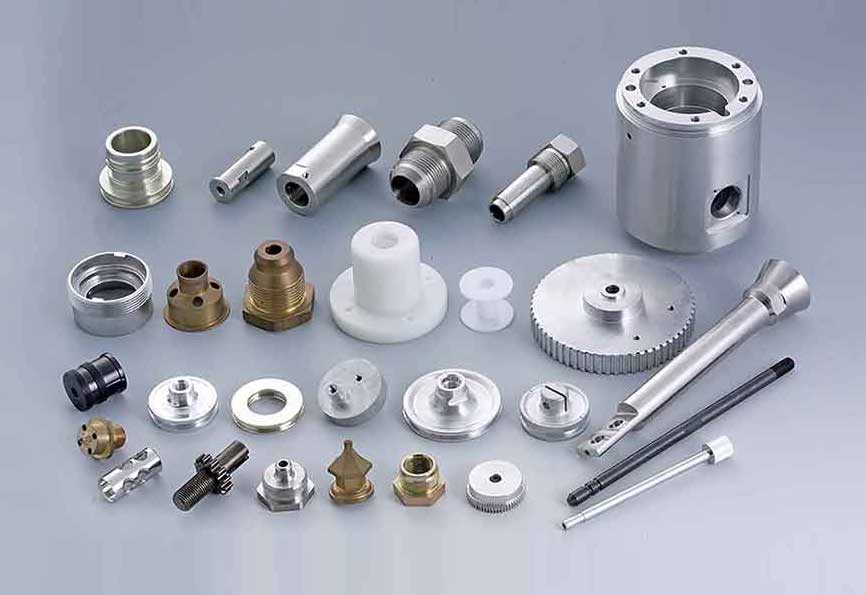
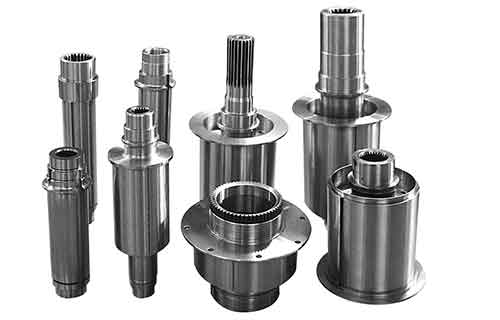
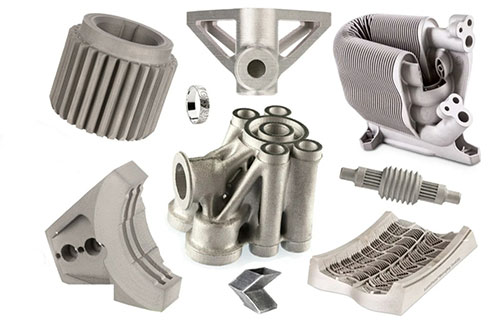
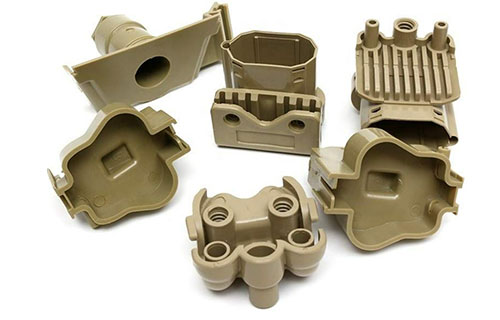
Polyetheretherketone (PEEK) is a high-performance thermoplastic renowned for its exceptional mechanical properties, chemical resistance, and thermal stability. When paired with Computer Numerical Control (CNC) machining, PEEK enables the production of intricate, high-precision components across industries like aerospace, medical devices, and automotive.
In aerospace, components must withstand extreme conditions—high temperatures, strong mechanical stress, chemical exposure. PEEK’s high strength-to-weight ratio makes it ideal. With density of 1.3–1.4 g/cm³ (vs. aluminum’s 2.7 g/cm³) and tensile strength of 80–100 MPa, CNC-machined PEEK components reduce aircraft weight, improving fuel efficiency.
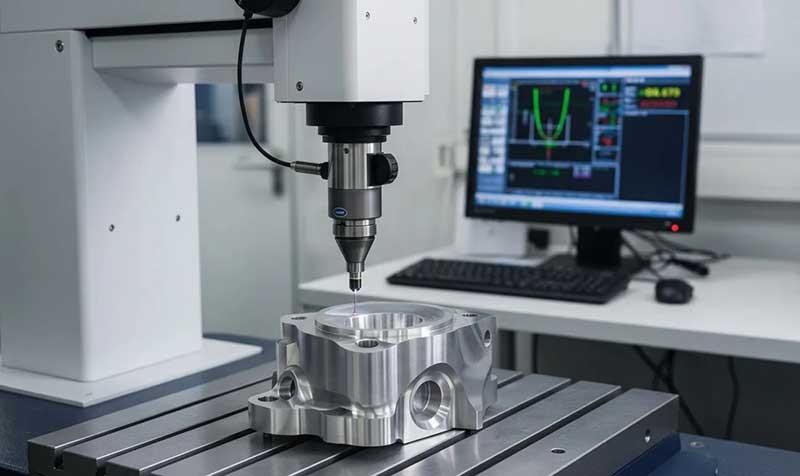
In medical devices, PEEK’s biocompatibility is crucial. Spinal implants require precise fit—CNC machining achieves tolerances within ±0.01–0.05 mm, ensuring optimal performance.
This guide explores how precision engineering with PEEK is reshaping CNC machining, backed by technical data and real-world applications.
What Technical Foundations Enable PEEK in CNC Machining?
Material Properties Driving Innovation
Thermal Stability
| Property | PEEK | ABS (for comparison) |
|---|---|---|
| Continuous use temperature | Up to 250°C | 60–80°C |
| Heat-deflection temperature | 250°C+ | 90–105°C |
Significance: PEEK maintains mechanical integrity at high temperatures—critical for aerospace engine components (compressor seals, bearing cages). Traditional plastics degrade well below 200°C.
Mechanical Strength
| Property | PEEK | Aluminum 6061 |
|---|---|---|
| Tensile strength | 100–130 MPa | 200–300 MPa |
| Modulus | 3.8–4.1 GPa | 69 GPa |
| Density | 1.3–1.4 g/cm³ | 2.7 g/cm³ |
Strength-to-weight advantage: PEEK’s lower density enables weight reduction in applications like UAVs—components maintain sufficient strength while significantly reducing overall weight.
Chemical Resistance
| Environment | PEEK Performance |
|---|---|
| Acids, bases, hydrocarbons | Highly resistant |
| Simulated body fluids | No significant degradation |
| Seawater (1-year exposure) | No degradation |
Applications: Chemical processing pipes/valves; medical devices (contact with bodily fluids, cleaning agents).
How Is CNC Machining Optimized for PEEK?
Tooling
| Tool Type | Benefit |
|---|---|
| Carbide | High hardness; wear resistance; maintains cutting edge longer than HSS |
| Diamond-coated | Even better wear resistance; high-precision surface finish; reduces tool change frequency |
Cooling Systems
| Method | Benefit |
|---|---|
| Liquid nitrogen | Rapid heat dissipation; maintains stable temperature range |
| Chilled air | Prevents thermal deformation; maintains dimensional accuracy |
Case study: Machining PEEK for a medical implant—chilled air cooling reduced thermal distortion by 80% compared to no cooling, ensuring tight dimensional requirements.
Surface Finish
| Requirement | Method |
|---|---|
| Initial machining | Carbide/diamond-coated tools |
| Post-machining | Mechanical polishing; chemical-mechanical polishing |
| Achievable Ra | <0.8 μm—critical for medical implants (hip implant components) to reduce friction and wear |
How Does PEEK Compare to Traditional Materials?
Weight-Related Benefits
| Material | Density (g/cm³) | Weight Reduction Potential |
|---|---|---|
| PEEK | 1.32 | Baseline |
| Aluminum 6061 | 2.70 | PEEK is 51% lighter |
| Stainless steel 316 | 8.00 | PEEK is 84% lighter |
Automotive application: Replacing aluminum interior brackets with PEEK can reduce vehicle weight by 5–10 kg—improving fuel efficiency by 2–3% per 10% weight reduction.
Mechanical Property Trade-offs
| Material | Tensile Strength (MPa) | Fatigue Resistance |
|---|---|---|
| PEEK | 100–130 | Up to 10× more cycles than aluminum in robotic joints |
| Aluminum 6061 | 200–300 | Lower fatigue resistance |
| Stainless steel 316 | 585 | Good, but heavier |
Key insight: PEEK’s fatigue resistance makes it ideal for dynamic loading applications—robotic joints, moving components.
Chemical Resistance Superiority
| Material | Seawater Resistance (1-year exposure) |
|---|---|
| PEEK | No degradation |
| Aluminum 6061 | Visible corrosion |
| Stainless steel 316 | Good resistance, but heavier |
Application: Marine components; portable chemical analysis equipment—PEEK offers comparable chemical resistance to stainless steel in a lighter package.
Where Is PEEK Used in CNC Machining?
Aerospace Industry
| Components | Requirements | PEEK Advantage |
|---|---|---|
| Compressor seals, bearing cages | High temperature; mechanical stress | Thermal stability to 250°C; strength-to-weight ratio |
Medical Devices
| Components | Requirements | PEEK Advantage |
|---|---|---|
| Spinal implants, hip implant components | Biocompatibility; precision fit | Tolerances ±0.01–0.05 mm; surface finish <0.8 μm; no degradation in body fluids |
Automotive
| Components | Requirements | PEEK Advantage |
|---|---|---|
| Interior brackets, functional parts | Weight reduction; durability | 5–10 kg weight reduction per vehicle; fatigue resistance |
Semiconductor
| Components | Requirements | PEEK Advantage |
|---|---|---|
| Wafer handling components | Purity; heat resistance | High-purity grades; thermal stability |
Chemical Processing
| Components | Requirements | PEEK Advantage |
|---|---|---|
| Pipes, valves | Corrosion resistance | Resists acids, bases, hydrocarbons |
Conclusion
Precision engineering with PEEK is revolutionizing CNC machining through:
- Thermal stability: Continuous use to 250°C—critical for aerospace and semiconductor applications
- Mechanical strength: 100–130 MPa tensile strength; strength-to-weight ratio superior to metals; up to 10× better fatigue resistance than aluminum in dynamic applications
- Chemical resistance: No degradation in acids, bases, hydrocarbons, seawater, simulated body fluids
- Weight reduction: 51% lighter than aluminum; 84% lighter than stainless steel—5–10 kg vehicle weight reduction potential
- CNC machining optimization: Carbide/diamond-coated tools; liquid nitrogen/chilled air cooling; surface finishes to <0.8 μm
- Applications: Aerospace, medical (implants), automotive (weight reduction), semiconductor, chemical processing
With its unique combination of thermal stability, mechanical strength, chemical resistance, and biocompatibility, PEEK enables components that were previously impossible with traditional materials—pushing the boundaries of precision engineering.
FAQs
Can carbon-fiber reinforced PEEK match the strength of aluminum?
Yes. Carbon-fiber reinforced PEEK matches aluminum’s strength at 40% the weight, making it suitable for aerospace and automotive applications where weight reduction is critical.
Which industries benefit most from PEEK in CNC machining?
Medical, aerospace, and semiconductor sectors gain significant advantages due to PEEK’s biocompatibility (implants, surgical instruments), heat resistance (250°C continuous use), and precision (tolerances ±0.01–0.05 mm).
How does PEEK compare to PPS (Polyphenylene Sulfide) in CNC machining?
PEEK offers higher temperature resistance (250°C vs. 200°C) and better toughness—ideal for high-performance applications. PPS is more cost-effective for non-critical parts where lower thermal requirements are acceptable.
What surface finish can be achieved when machining PEEK?
With optimized tooling (carbide/diamond-coated) and post-machining polishing, surface roughness of Ra <0.8 μm is achievable—critical for medical implants (hip components) to reduce friction and wear.
Is PEEK suitable for high-temperature applications?
Yes. PEEK maintains mechanical integrity at continuous use temperatures up to 250°C—significantly higher than traditional plastics like ABS (60–80°C). This makes it ideal for aerospace engine components, semiconductor processing equipment, and high-performance automotive parts.
Contact Yigu Technology for Custom Manufacturing
At Yigu Technology, we specialize in precision CNC machining of PEEK for aerospace, medical, automotive, and semiconductor applications. With 15 years of experience, advanced CNC machining capabilities, and ISO 9001 certification, we deliver PEEK components with tolerances to ±0.01 mm and surface finishes to <0.8 μm.
Our expertise includes carbide and diamond-coated tooling, liquid nitrogen/chilled air cooling, and post-machining polishing for medical-grade surface finishes. Contact us today to discuss your PEEK machining project.


