Introduction
Every business decision comes down to a simple question: does it improve the bottom line? Whether you manufacture medical devices, automotive components, or industrial equipment, the parts you use determine your product quality, production costs, and ultimately your reputation in the market.
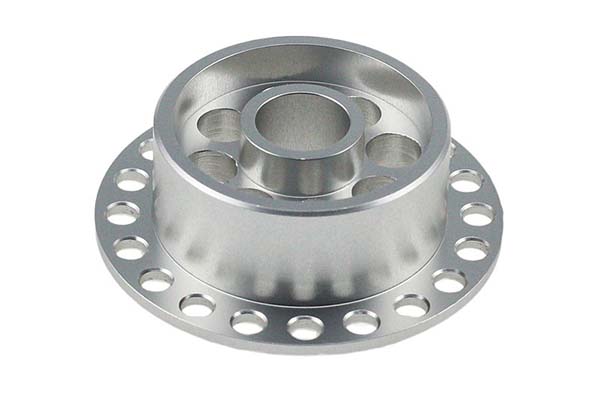
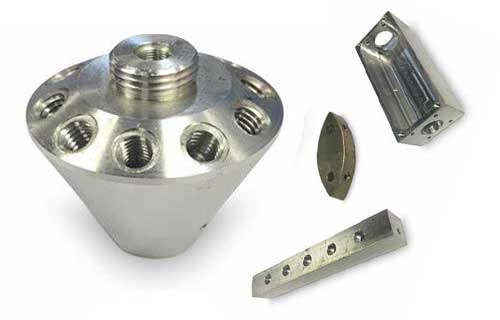
Precision machined parts are components manufactured with extremely tight tolerances—often measured in micrometers. They fit perfectly, perform consistently, and meet the strictest industry standards. But they also cost more upfront than loosely toleranced alternatives. The question is whether the investment pays off.
At Yigu Technology, we have supplied precision machined parts to aerospace, medical, automotive, and electronics clients for years. We have seen how the right parts transform product quality, reduce long-term costs, and enable innovation. This guide explores the tangible benefits precision machined parts bring to your business.
How Do Precision Parts Enhance Product Quality?
High-Precision Manufacturing
The most obvious benefit of precision machined parts is their accuracy. Modern machining techniques—CNC milling, turning, EDM, and grinding—achieve tolerances that traditional methods cannot match.
| Manufacturing Method | Typical Tolerance |
|---|---|
| Manual machining | ±0.1–0.5 mm |
| Casting | ±0.5–2 mm |
| Standard CNC | ±0.01–0.05 mm |
| Precision CNC | ±0.001–0.005 mm |
In semiconductor manufacturing, tolerance requirements often reach ±0.001 mm. A deviation that small—one thousandth of a millimeter—can cause signal interference or component failure. Precision machined parts meet these requirements. Parts that do not, fail.
Real-World Impact:
Companies that switched to precision machined parts in semiconductor equipment manufacturing reduced defect rates by up to 50%. Fewer defects mean less rework, less scrap, and lower warranty costs.
Consistency Across Production Runs
Precision is not just about hitting a number once. It is about hitting it every time, part after part, across thousands or millions of units.
CNC machining relies on pre-programmed instructions. Once the program is proven, every part is an exact replica of the digital model. The same dimensions. The same surface finish. The same material properties.
Automotive industry example:
Engine components like pistons and crankshafts must be consistent. Variations in size or shape cause engine imbalance, reduced fuel efficiency, and increased emissions.
A study by a leading automotive research firm found that engines using precision-machined components achieved 15% better fuel efficiency than engines with components of inconsistent quality. The reason: consistent parts fit together perfectly, reducing friction and energy loss.
Medical industry example:
Surgical instruments must open and close the same way every time. A forceps with inconsistent geometry may slip or fail to grip. Precision machining ensures every instrument performs identically, reducing surgical risk.
How Do Precision Parts Improve Cost Efficiency?
Reduced Material Waste
Material waste is a hidden cost. Traditional manufacturing methods remove more material than necessary, often by significant margins. Precision machining removes only what is needed.
Aerospace industry example:
Materials like titanium and high-strength alloys cost hundreds of dollars per kilogram. A leading aerospace manufacturer found that switching to precision machining for engine components reduced material waste by 30%.
The savings come from:
- CAD/CAM software that optimizes part design for minimal material removal
- Nesting that arranges parts efficiently on raw material sheets
- Precise toolpaths that remove only the material that must be removed
Automotive example:
When manufacturing engine blocks, precision casting and machining reduce post-processing requirements. Less material removed means less waste, shorter cycle times, and lower energy consumption.
Lower Maintenance and Replacement Costs
Precision parts fit together correctly. Correct fit reduces friction. Less friction means less wear. Less wear means longer life.
| Component | Standard Part Life | Precision Part Life |
|---|---|---|
| Industrial gears | 5,000–10,000 hours | 15,000–30,000 hours |
| Automotive bearings | 50,000–80,000 km | 100,000–150,000 km |
| Medical device actuators | 3–5 years | 7–10 years |
Industrial machinery example:
A factory using precision-machined gears experienced 2–3 times longer gear life compared to standard gears. The savings included:
- Fewer replacement parts purchased
- Lower labor costs for maintenance
- Reduced downtime
Medical device example:
MRI machines rely on precision components like magnetic coils and mechanical actuators. A medical research institution found that using precision machined parts reduced maintenance costs by 40% over five years. The precise fit and operation minimized the need for adjustments, repairs, and replacements.
How Do Precision Parts Enable Customization?
Meeting Unique Business Needs
Off-the-shelf parts work for standard applications. But many products require custom components that match unique design requirements.
Medical device example:
A company developing a new surgical instrument needed:
- An ergonomic handle with a specific contour
- Custom cutting mechanisms with precise geometries
- Tight tolerances for moving parts
Precision machining delivered all three. The handle was machined to match ergonomic studies. The cutting mechanism held ±0.005 mm tolerances. The instrument performed exactly as designed.
Electronics example:
High-end electronic devices require custom enclosures with:
- Complex shapes for internal components
- Precise cutouts for connectors and ports
- Features for heat dissipation and electromagnetic shielding
Precision machining allows these enclosures to be produced in small quantities with no tooling investment, enabling rapid product development.
Adapting to Market Changes
Markets change. Consumer demands shift. New technologies emerge. Companies that adapt quickly win.
Automotive industry example:
The shift to electric vehicles requires new components:
- High-precision battery enclosures
- Custom motor housings
- Lightweight structural parts
Precision machining allows automotive manufacturers to design and produce these components quickly, without waiting for hard tooling. Prototypes become production parts. Design iterations happen in days, not months.
Consumer electronics example:
Product lifecycles are shorter than ever. A smartphone manufacturer introducing a new model with a unique form factor needs custom parts immediately. Precision machining enables rapid prototyping and low-volume production, reducing time to market.
What Role Do Precision Parts Play in Meeting Regulations?
Industry-Specific Standards
Many industries have strict quality and safety regulations. Precision machined parts help meet these requirements.
| Industry | Key Standards | Precision Requirement |
|---|---|---|
| Aerospace | AS9100 | ±0.005–0.01 mm typical |
| Medical | ISO 13485 | ±0.001–0.01 mm for implants |
| Automotive | IATF 16949 | ±0.01–0.02 mm for critical components |
| Defense | MIL-SPEC | Varies; often extremely tight |
Aerospace example:
AS9100-certified suppliers must demonstrate consistent quality. Precision machining provides the documentation and traceability needed for certification. Each part can be traced to its material lot, machine, and operator.
Medical example:
ISO 13485 requires that implantable devices meet exact specifications. A hip stem that is 0.01 mm out of spec may not fit properly, causing patient complications. Precision machining ensures every implant meets the design requirements.
Documentation and Traceability
Precision machining suppliers typically provide:
- Material certifications proving the raw material meets specifications
- First article inspection reports documenting critical dimensions
- In-process inspection records showing consistency
- Final inspection reports verifying every part
This documentation is essential for regulatory compliance and customer confidence.
How Do Precision Parts Facilitate Innovation?
Complex Geometries
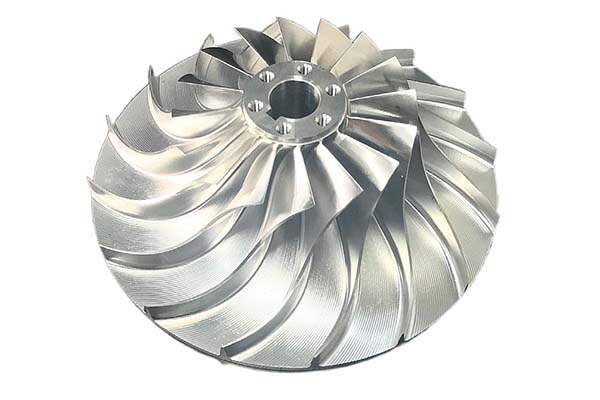
Precision machining can produce shapes that other methods cannot.
| Feature | Traditional Methods | Precision Machining |
|---|---|---|
| Internal cavities | Difficult or impossible | Routine with 5-axis |
| Undercuts | Require multiple operations | Single setup |
| Thin walls | Risk of distortion | Controlled, predictable |
| Micro-features | Limited | Possible down to 0.1 mm |
Example:
A medical device company needed a fluidic component with internal channels. Casting could not produce the channels. Injection molding required expensive tooling. Precision machining produced the channels directly, enabling a novel device design.
Rapid Iteration
Innovation requires experimentation. Experimentation requires quick iterations.
Precision machining enables:
- Prototypes in days, not weeks
- Design changes without tooling modifications
- Low-volume production for market testing
- Functional testing with production-representative parts
A consumer electronics company used precision machining to produce 50 prototypes of a new wearable device. Each iteration incorporated user feedback. The final design went to market three months faster than the competition.
What Are the Long-Term Business Impacts?
Competitive Advantage
Products with precision components perform better. They last longer. They require less maintenance. Customers notice.
Impact:
- Higher customer satisfaction
- Lower warranty costs
- Stronger brand reputation
- Ability to command premium pricing
Reduced Total Cost of Ownership
While precision parts cost more upfront, total cost of ownership is often lower.
| Cost Factor | Standard Parts | Precision Parts |
|---|---|---|
| Initial purchase | Lower | Higher |
| Rework and scrap | Higher | Lower |
| Maintenance | More frequent | Less frequent |
| Replacement | More often | Less often |
| Downtime | Higher risk | Lower risk |
| Warranty claims | More likely | Less likely |
Industrial example:
A factory compared standard gears and precision gears over five years. The precision gears cost 25% more initially but lasted 2.5 times longer. Total cost over five years: 30% lower for precision gears.
Scalability
Precision machining processes are scalable. The same program that runs one part can run ten thousand. This allows businesses to:
- Start with precision-machined prototypes
- Validate the market with small production runs
- Scale to high volume without redesign
- Maintain consistent quality throughout
Yigu Technology's Perspective
At Yigu Technology, we see precision machined parts as the foundation of product quality. In a competitive market, products with high-quality precision parts stand out. They perform better. They last longer. They build trust with customers.
Our experience shows:
- Automotive clients report 15–20% better fuel efficiency with precision-machined engine components
- Medical clients reduce surgical complications by using implants that fit perfectly
- Industrial clients cut maintenance costs by 30–50% with precision gears and bearings
Precision machining also enables us to meet diverse customization needs. Unique designs, tight tolerances, challenging materials—we can deliver them all. This flexibility helps our clients stay ahead in rapidly changing markets.
We believe that investing in precision machined parts is not an expense. It is an investment in quality, reliability, and customer satisfaction.
Conclusion
Precision machined parts offer benefits that extend far beyond the shop floor:
- Enhanced product quality through tighter tolerances and consistent production
- Cost efficiency through reduced waste, lower maintenance, and longer life
- Customization to meet unique design requirements and adapt to market changes
- Regulatory compliance with industry standards and traceability
- Innovation facilitation through complex geometries and rapid iteration
- Long-term business value through competitive advantage and lower total cost of ownership
The upfront cost of precision machined parts is higher. But the long-term returns—in quality, reliability, and customer satisfaction—make them a smart investment for any business that competes on performance.
FAQ
What industries can benefit most from precision machined parts?
Industries requiring high-precision components benefit most:
- Aerospace: Turbine blades, structural components. Boeing studies show precision parts improve engine fuel efficiency by 8–10% and reduce maintenance by 30%.
- Medical: Surgical instruments, implants. Precision is critical for patient safety and treatment effectiveness.
- Automotive: Engine components, transmission parts. High-precision fuel injectors improve combustion efficiency by up to 15%.
- Electronics: Connectors, housings, semiconductor equipment components.
- Industrial machinery: Gears, bearings, hydraulic components.
How does the cost of precision machined parts compare to standard parts?
Precision machined parts have a higher upfront cost—typically 20–50% more than standard parts. The reasons:
- Advanced manufacturing techniques
- Higher-skilled labor
- Tighter quality control
- Better materials
However, long-term costs are often lower. A research study found that precision gears cost 25% more initially but lasted 2.5 times longer, reducing total cost by 30% over five years. Savings come from fewer replacements, less maintenance, and reduced downtime.
What is the typical lead time for custom precision machined parts?
Lead times vary based on:
| Factor | Impact |
|---|---|
| Part complexity | Simple parts: 1–2 weeks; complex parts: 4–8 weeks |
| Material availability | Standard materials: faster; exotic alloys: slower |
| Production volume | Prototypes: 1–2 weeks; high-volume: 2–4 weeks after setup |
For aerospace components with complex geometries and strict quality requirements, lead times may reach 8–12 weeks. Always discuss your timeline with the supplier to get an accurate estimate.
Can precision machined parts be used for prototyping as well as production?
Yes. Precision machining is ideal for both:
- Prototyping: Quick setup, no tooling investment, design iterations in days
- Low-volume production: 1–1,000 parts, cost-effective without tooling
- High-volume production: Automated processes, consistent quality across large runs
Many companies use precision machining for prototypes, then scale to high-volume production using the same designs and processes.
How do I know if precision machined parts are right for my application?
Consider precision machined parts if:
- Your product requires tight tolerances (< ±0.05 mm)
- Consistency across production runs is critical
- You need custom designs not available off the shelf
- Your industry has strict regulatory requirements
- Reliability and long life are customer expectations
If your application can tolerate loose tolerances and variability, standard parts may be sufficient. But for applications where quality matters, precision machined parts deliver long-term value.
Contact Yigu Technology for Custom Manufacturing
At Yigu Technology, we specialize in precision machined parts for demanding applications. Our capabilities include CNC milling, turning, and multi-axis machining of metals, plastics, and composites. We serve the aerospace, medical, automotive, and electronics industries with components that meet the tightest tolerances.
Our quality system includes:
- Material certifications for traceability
- First article inspection with CMM verification
- In-process inspection to catch deviations early
- Final inspection with full documentation
We understand that precision parts are an investment. We work with you to balance quality, cost, and lead time—delivering components that enhance your product and your business.
Contact us today to discuss your precision machining requirements. Let us show you how the right parts can benefit your bottom line.