Introduction
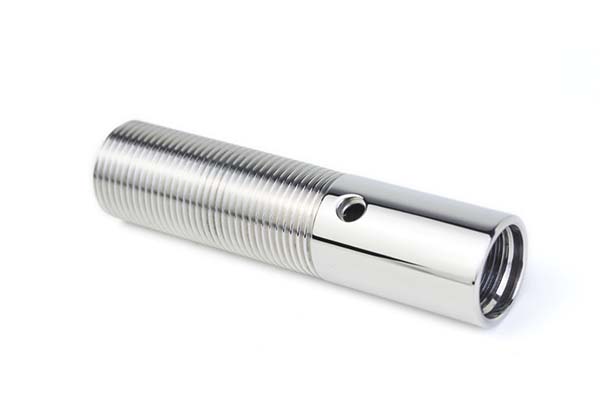
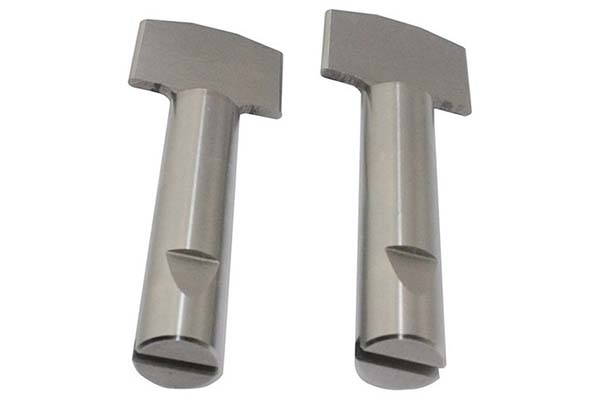
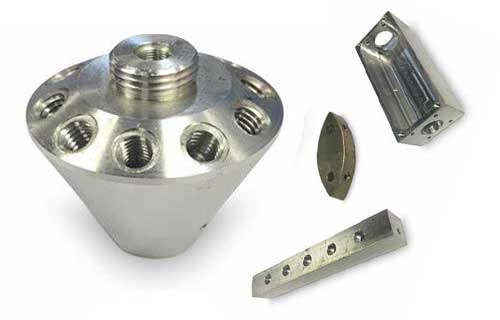
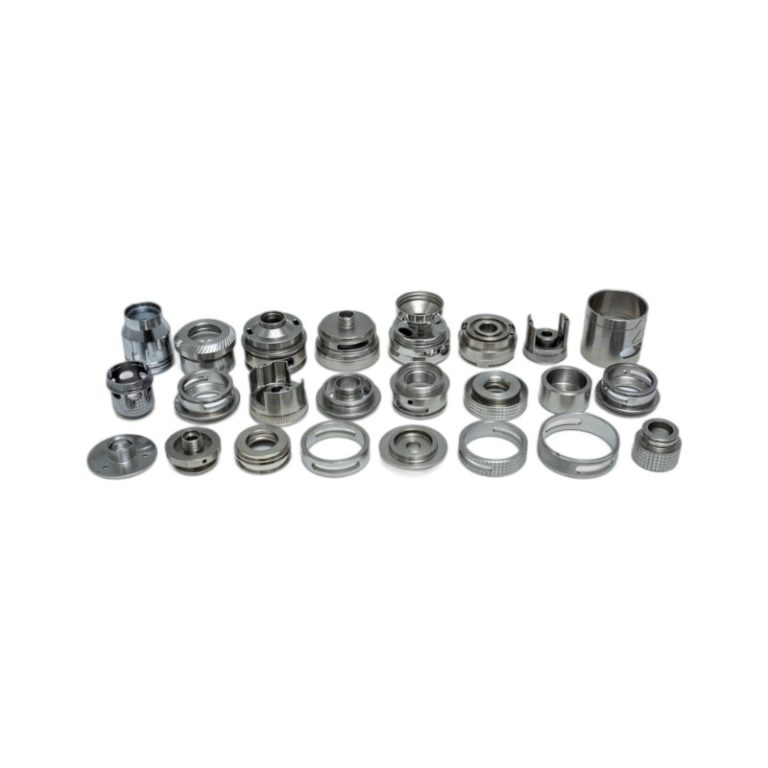
Turning services are a critical part of manufacturing, especially for producing cylindrical parts. The turning process involves rotating a workpiece on a lathe while a cutting tool removes material to shape the component. This process is vital for creating high-precision components in aerospace, automotive, medical devices, and general engineering. Turning services ensure parts meet stringent quality standards—tight tolerances and excellent surface finishes—making them indispensable in modern manufacturing workflows. This guide covers the types of turning services, equipment, materials, processes, and applications. You will learn how to leverage turning services for precision and efficiency.
What Types of Turning Services Are Available?
Different turning methods suit different production needs. Understanding the options helps you choose the right approach.
Conventional Turning
Conventional turning involves manual operation of a lathe. The machinist physically controls the machine to shape the workpiece. This method offers flexibility and is useful for small, custom, or low-volume production runs where craftsmanship matters.
Pros:
- Flexibility for bespoke designs.
- Useful for intricate details.
Cons:
- Slower than automated methods.
- Less consistent; prone to human error.
- Labor-intensive.
CNC Turning
CNC (Computer Numerical Control) turning is an automated method. The machinist inputs a program into the lathe, which executes the process automatically. This ensures high accuracy and consistent results.
Pros:
- High precision and repeatability.
- Ideal for high-volume production.
- Reduces labor costs and human error.
- Allows intricate designs and tighter tolerances.
Cons:
- Higher initial equipment cost.
- Requires skilled programmers.
Swiss Turning
Swiss turning (or Swiss-style turning) is a specialized form of CNC turning. It uses guide bushings to hold long, slender workpieces securely. This technique is especially useful for producing small, precise components with a high length-to-diameter ratio. Swiss machines operate on multiple axes simultaneously, enabling complex geometries and superior surface finishes.
Best for:
- Medical devices
- Electronics
- Precision engineering
- Small, high-precision components
What Equipment Is Used in Turning Services?
The right equipment ensures precision and efficiency.
Lathes: Types and Applications
| Lathe Type | Description | Best For |
|---|---|---|
| Engine Lathes | Most common type; manual control; versatile | Smaller workshops, educational settings, varied operations |
| Turret Lathes | Automatic indexing system; rapid tool changes | Mass production, repetitive tasks, high-volume manufacturing |
| Chucker Lathes | Chuck holds workpiece; multiple cutting tools; heavy-duty | Large-scale production, larger parts, excellent precision and stability |
Essential Accessories
| Accessory | Function |
|---|---|
| Chucks | Hold workpiece securely (collet chuck, independent chuck, scroll chuck) |
| Tool Holders | Secure cutting tools; critical for dimensional accuracy and surface finish |
| Coolant Systems | Supply coolant to reduce heat, lubricate, and extend tool life |
What Materials Are Commonly Turned?
Material selection affects the turning process and final part characteristics.
| Material | Properties | Machining Considerations |
|---|---|---|
| Steel | Strong, durable, wear-resistant | Requires high cutting forces; sturdy tools needed |
| Aluminum | Lightweight, corrosion-resistant, easy to machine | Can create gummy chips; efficient coolant systems required |
| Stainless Steel | Corrosion-resistant; used in medical and food industries | Work-hardens; requires higher cutting forces |
| Plastics | Lightweight, easy to machine | Special handling to avoid warping or melting; manage heat |
Machinability factors:
- Hardness: Harder materials require slower speeds and more rigid setups.
- Ductility: Ductile materials may produce stringy chips.
- Thermal conductivity: Poor conductors concentrate heat at the cutting zone.
How Is Precision Achieved in Turning?
Precision is the cornerstone of turning services. Achieving close tolerances requires attention to multiple factors.
Achieving Close Tolerances
| Factor | Impact |
|---|---|
| Machine calibration | Regular calibration ensures accurate and consistent operation |
| Tool sharpness | Sharp tools minimize deflection and inaccuracies |
| Process control | Real-time monitoring detects and corrects deviations |
Typical tolerances in CNC turning range from ±0.005 mm to ±0.025 mm, depending on material and process.
Surface Finish Requirements
Surface finish affects both aesthetics and performance. Common techniques to achieve desired finishes:
- Polishing: Smooths surfaces to reduce friction.
- Lapping: Achieves very fine finishes for precision surfaces.
- Superfinishing: Removes microscopic peaks for ultra-smooth surfaces.
Optimizing feed rates and tool paths minimizes surface roughness. Typical surface finishes range from Ra 0.8 μm to 3.2 μm for standard turning, with finer finishes achievable through secondary processes.
What Are the Key Turning Processes?
Turning operations are typically divided into stages, each with specific goals.
Roughing and Finishing
| Stage | Goal | Parameters |
|---|---|---|
| Roughing | Remove excess material rapidly | Higher feed rates, deeper cuts, focus on efficiency |
| Finishing | Achieve final dimensions and surface finish | Slower speeds, lighter cuts, higher precision |
Threading and Tapping
- Threading: Creates helical grooves on a workpiece for external screw threads.
- Tapping: Creates internal threads.
Both operations require specialized tools and precise control. Thread accuracy is critical for fasteners and assembled components.
Knurling and Grooving
| Process | Description | Applications |
|---|---|---|
| Knurling | Creates textured pattern on cylindrical surface | Improves grip on handles, knobs, tools |
| Grooving | Cuts grooves or channels into surface | Functional (seal grooves) or decorative |
What Post-Turning Operations Are Needed?
Post-turning operations refine the final component.
Deburring and Polishing
- Deburring: Removes sharp edges and burrs for safety and function.
- Polishing: Enhances surface quality and aesthetics.
Heat Treatment and Hardening
Heat treatments modify mechanical properties:
| Treatment | Purpose |
|---|---|
| Annealing | Softens material, relieves internal stresses |
| Quenching | Hardens material by rapid cooling |
| Tempering | Reduces brittleness after quenching |
These treatments ensure components perform reliably under stress or extreme conditions.
Inspection and Quality Control
Quality control ensures components meet standards. Common techniques:
- Dimensional measurements: Using micrometers, calipers, and CMMs.
- Visual inspections: Checking surface defects.
- Non-destructive testing: X-ray, ultrasound for internal defects.
Metrology equipment and statistical process control (SPC) monitor and improve manufacturing processes continuously.
Where Are Turning Services Applied?
Turning services serve critical roles across industries.
| Industry | Applications | Why Turning? |
|---|---|---|
| Automotive | Engine parts, gears, shafts, transmission components | Precision to withstand high stress and temperature fluctuations |
| Aerospace | Fasteners, bearing housings, control rods | Extreme precision and reliability; Swiss turning for small, intricate parts |
| Medical | Surgical instruments, orthopedic implants, drug delivery devices | High precision; meet regulatory standards for safety and performance |
| General Engineering | Custom brackets, gears, housings | Versatility across materials and geometries |
What Are Best Practices for Turning Services?
Successful turning operations rely on consistent practices.
Maintenance and Tool Upgrades
- Regular lathe calibration ensures accuracy.
- Sharp tools reduce deflection and improve surface finish.
- Timely tool replacement prevents quality issues.
Process Optimization
- Use lean manufacturing principles to reduce waste.
- Implement Industry 4.0 technologies (IoT, data analytics) for real-time insights.
- Monitor tool wear and adjust parameters proactively.
Case Study: Efficiency Gains
An automotive manufacturer switched from conventional to CNC turning for engine components. Results:
- Setup time reduced by 40%
- Scrap rate decreased from 5% to 1.5%
- Production output increased by 35%
Conclusion
Turning services are essential to modern manufacturing. They deliver precision, efficiency, and quality across a wide range of components. Understanding the different types—conventional, CNC, and Swiss turning—helps you match the process to your production needs. The right equipment, materials, and process controls ensure tight tolerances and excellent surface finishes. Post-turning operations like deburring, polishing, and heat treatment refine parts for demanding applications. As technology advances, turning services will continue to evolve—maintaining their critical role in producing high-quality components across industries.
FAQs
What is the difference between CNC turning and conventional turning?
CNC turning uses computer-controlled machines for automated, high-precision, repeatable operations—ideal for high-volume production. Conventional turning is manual, offering flexibility for small, custom, or low-volume runs but is slower and less consistent.
What materials are best suited for turning?
Common materials include steel (strength, durability), aluminum (lightweight, easy to machine), stainless steel (corrosion resistance), and plastics (lightweight). Material selection depends on application requirements for strength, weight, and corrosion resistance.
How do you achieve tight tolerances in turning?
Achieving tight tolerances requires regular machine calibration, sharp cutting tools, and real-time process monitoring. Typical CNC turning tolerances range from ±0.005 mm to ±0.025 mm, depending on material and process control.
Contact Yigu Technology for Custom Manufacturing
At Yigu Technology, we specialize in precision turning services for a wide range of materials—from aluminum and steel to stainless steel and engineering plastics. Our CNC lathes and Swiss turning capabilities deliver tight tolerances and excellent surface finishes for automotive, aerospace, medical, and industrial applications. We provide DFM feedback to optimize your designs for manufacturability. Whether you need prototypes or high-volume production, we deliver turning services you can trust.
Ready to start your next turning project? Contact Yigu Technology today for a free consultation and quote. Let us help you achieve precision and efficiency in every part.