Introduction
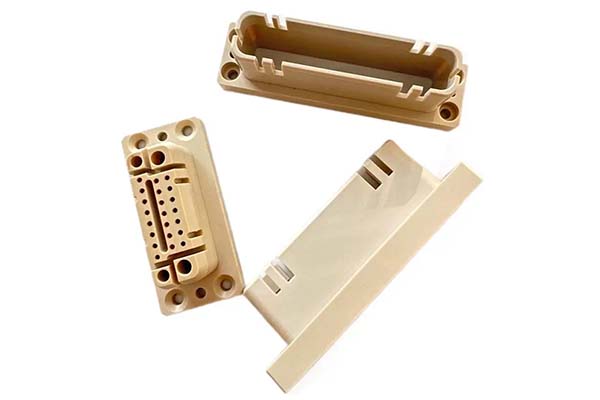
Material selection is the foundation of any successful CNC machining project. It determines machinability, cost, final part properties, and production efficiency. While metals have traditionally dominated precision manufacturing, plastics have emerged as a compelling alternative for a growing range of applications. From automotive components to medical devices, plastics offer unique advantages—lower material costs, faster machining, design flexibility, and tailored material properties. This guide explores the key benefits of using plastic for CNC machining, the types of plastics available, and how to leverage these advantages for your projects.
Why Does Material Selection Matter in CNC Machining?
The choice of material impacts every aspect of the machining process:
- Machinability: Softer materials machine faster with less tool wear
- Cost: Material cost per unit, plus tooling and machining time
- Part properties: Strength, weight, chemical resistance, thermal stability
- Production efficiency: Cycle time, secondary operations, scrap rates
Industry data: In mass-produced electronic components, switching from metal to plastic reduces material cost by 30–50% while maintaining required functionality.
What Are the Key Advantages of Plastic Machining?
Cost-Effectiveness
Material cost comparison:
| Material | Price Range per Ton (USD) |
|---|---|
| ABS (plastic) | 1,500–2,500 |
| Nylon (plastic) | 3,000–4,000 |
| Polycarbonate (plastic) | 2,000–3,000 |
| Aluminum | 1,800–2,500 |
| Carbon steel | 500–1,500 |
| Copper | 6,000–8,000 |
In many cases, plastics are either comparable to or significantly less expensive than metals. For large-scale production—thousands or millions of parts—material cost savings are substantial.
Reduced machining costs:
Plastics are softer than metals, creating multiple cost-saving benefits:
| Factor | Plastic Advantage |
|---|---|
| Tool wear | High-speed steel tools last up to 5× longer machining plastic vs. aluminum |
| Machining speed | Spindle speeds 2–3× higher than metals; faster material removal |
| Energy consumption | Lower cutting forces reduce machine energy use |
| Secondary operations | As-machined surface often ready for use; less finishing required |
Example: A study showed machining ABS plastic with HSS tools achieved 5× longer tool life compared to machining the same volume of aluminum.
Versatility and Customization
Plastics offer tailorable properties through polymerization techniques and additives:
| Property | How It’s Tailored | Application Example |
|---|---|---|
| Mechanical strength | Polymer type, fillers | Nylon for gears and bearings |
| Flexibility | Elastomer additives | Gaskets and seals |
| Transparency | Polymer structure | Polycarbonate lenses, protective shields |
| Chemical resistance | Resin selection, additives | PEEK for chemical processing |
| Thermal stability | Heat-resistant polymers | Phenolic for high-temperature components |
Ease of Machining and Fast Turnaround
Machining speed:
Plastics have lower hardness than metals. ABS plastic hardness on Rockwell scale is R60–R120 ; metals like aluminum are significantly harder. This allows:
- Spindle speeds 2–3× higher than metals
- Faster feed rates
- Higher material removal rates
Production efficiency impact:
| Metric | Plastic Parts | Metal Parts (comparison) |
|---|---|---|
| Daily output (enclosures) | 500–800 units | 200–300 units |
| Surface finish | Often ready for use | Often requires polishing, deburring |
| Secondary operations | Minimal | Significant |
Result: Shorter production cycles, faster time to market.
Lightweight
Plastics are significantly lighter than metals:
| Material | Density (g/cm³) |
|---|---|
| ABS | 1.0–1.1 |
| Nylon | 1.1–1.2 |
| Polycarbonate | 1.2–1.3 |
| Aluminum | 2.7 |
| Steel | 7.8 |
In automotive and aerospace applications, weight reduction translates directly to improved fuel efficiency and performance.
Design Freedom
Plastic CNC machining enables complex geometries that would be difficult or costly with metals:
- Intricate contours and curved surfaces
- Thin walls (0.5 mm or less)
- Internal cavities
- Undercuts (with multi-axis machining)
What Types of Plastics Are Used in CNC Machining?
Thermoplastics
Thermoplastics soften when heated and harden when cooled. Their molecular structure—long linear or branched chains not chemically cross-linked—allows them to be re-melted and re-formed multiple times. They are highly versatile and recyclable.
Common thermoplastics:
| Material | Key Properties | Applications |
|---|---|---|
| ABS | High toughness, impact resistance, dimensional stability, good surface finish | Automotive dashboards, electronic housings, consumer products |
| Nylon (polyamide) | High mechanical strength, wear resistance, high melting point (220–260°C) | Gears, bearings, fasteners, conveyor rollers |
| Polycarbonate | High-impact strength, transparency (85–90% light transmission), heat deflection (130–140°C) | Lenses, protective shields, phone housings, display covers |
| Acetal (POM) | Low friction, excellent dimensional stability | Precision gears, bushings, valve components |
| PEEK | High temperature stability (260°C continuous), chemical resistance, biocompatibility | Aerospace components, medical implants, chemical processing |
Thermosets
Thermosets undergo a chemical reaction during curing, forming a rigid, three-dimensional cross-linked structure. Once cured, they cannot be re-melted or re-formed.
Common thermosets:
| Material | Key Properties | Applications |
|---|---|---|
| Epoxy | High strength, excellent chemical resistance, electrical insulation | Circuit boards, adhesives, composite structures |
| Phenolic | Heat resistance (>150°C), electrical insulation | Circuit boards, electrical connectors, high-temperature components, cookware handles |
How Do Thermoplastics and Thermosets Compare?
| Property | Thermoplastics | Thermosets |
|---|---|---|
| Re-meltable | Yes | No (cured permanently) |
| Recyclability | High | Low |
| Typical applications | Consumer products, engineering components | High-temperature, high-strength industrial |
| Machinability | Excellent | Good (but can be brittle) |
| Heat resistance | Moderate (except PEEK) | High |
What Are the Real-World Applications?
Automotive
- Interior components (dashboards, door panels) in ABS
- Gears and bearings in nylon
- Lightweight structural components
Medical
- Surgical instrument handles in ABS or polycarbonate
- Implantable devices in PEEK (biocompatible)
- Diagnostic equipment housings
Electronics
- Housings for phones, tablets, printers in ABS or polycarbonate
- Circuit board substrates in epoxy or phenolic
- Connectors and insulators
Consumer Products
- Lenses and protective shields in polycarbonate
- Appliance components in ABS
- Sporting goods
Industrial
- Conveyor rollers and gears in nylon
- Chemical processing components in PEEK
- Wear parts in acetal
A Real-World Plastic Machining Success
A consumer electronics company needed 10,000 housings for a new portable device. Requirements:
- Lightweight, durable, good surface finish
- Cost-effective for high-volume production
Initial metal design:
- Aluminum housing: $8.50 per unit
- Machining time: 8 minutes per part
- Tool wear: 200 parts per tool
Plastic alternative (ABS):
- Material cost: $2.20 per unit
- Machining time: 3 minutes per part
- Tool wear: 1,500 parts per tool
Results:
- Total cost per unit: 62% lower
- Production output: 2.5× higher
- Weight: 60% lighter
- Customer approved final design with no functional compromise
Conclusion
Plastic offers compelling advantages for CNC machining across cost, speed, versatility, and performance. Material costs are often 30–50% lower than metals. Machining speeds are 2–3× faster, with significantly longer tool life and reduced energy consumption. Plastics provide design freedom—complex geometries, thin walls, and tailored material properties. Thermoplastics like ABS, nylon, and polycarbonate deliver toughness, wear resistance, and transparency for consumer and engineering applications. Thermosets like epoxy and phenolic provide high-temperature stability and electrical insulation for industrial needs. For applications where strength, weight, and cost must balance, plastic CNC machining delivers results that metals cannot match.
FAQs
What are the main advantages of using plastic for CNC machining compared to metal?
Plastic offers lower material cost (often 30–50% less), faster machining speeds (2–3× higher), longer tool life (up to 5×), reduced energy consumption, and lighter finished parts. Plastics also provide design flexibility—complex geometries and thin walls are easier to achieve than with metals.
How do material costs compare between common plastics and metals?
ABS plastic costs $1,500–2,500 per ton; polycarbonate $2,000–3,000; nylon $3,000–4,000. By comparison, aluminum is $1,800–2,500; copper $6,000–8,000. For high-volume production, material savings are substantial. Even when plastic costs are comparable to aluminum, machining cost advantages often make plastic more economical overall.
What are the differences between thermoplastics and thermosets for CNC machining?
Thermoplastics (ABS, nylon, polycarbonate, PEEK) soften when heated and harden when cooled. They can be re-melted and are recyclable. They are generally easier to machine and suitable for a wide range of applications. Thermosets (epoxy, phenolic) undergo permanent chemical curing. They cannot be re-melted but offer superior heat resistance and electrical insulation. They are often used in high-temperature industrial applications.
Can plastic parts achieve the same precision as metal parts?
Yes. CNC machining of plastics achieves tolerances as tight as ±0.005–0.01 mm—comparable to precision metal machining. Materials like acetal and PEEK offer excellent dimensional stability. The key is selecting the right plastic for the application and using appropriate tooling and parameters.
How does machining speed compare between plastic and metal?
Plastics generally allow spindle speeds 2–3× higher than metals. For example, machining ABS can run at 10,000–20,000 RPM while aluminum runs at 5,000–10,000 RPM. Feed rates are also higher. This translates to faster cycle times and higher daily output. A plastic part that takes 3 minutes to machine might take 8–10 minutes in aluminum.
Contact Yigu Technology for Custom Manufacturing
At Yigu Technology, we specialize in CNC machining of plastics across thermoplastics and thermosets—ABS, nylon, polycarbonate, PEEK, acetal, and more. Our high-speed machining centers achieve tight tolerances and excellent surface finishes. We work with automotive, medical, electronics, and industrial clients to deliver plastic components that balance performance, cost, and weight. Whether you need prototypes or high-volume production, we deliver plastic precision that meets your specifications. Contact us to discuss your plastic machining project.