
How Does CNC Machining Bronze Solve Manufacturing Challenges Across Industries?

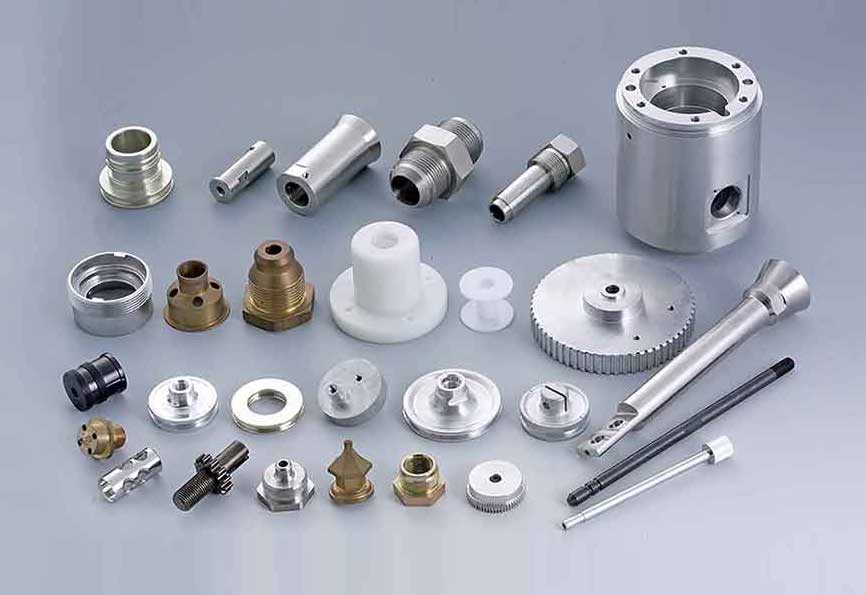
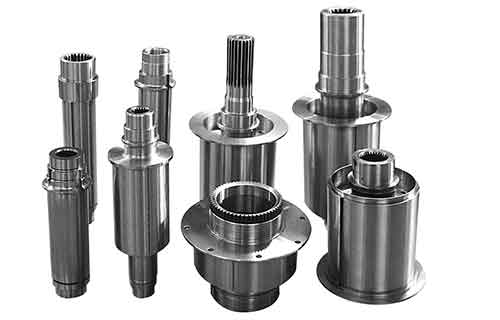
CNC machining stainless steel aluminum alloy parts brass hardware accessories non-standard precision CNC machining customization

Contents Introduction What Types of Bronze Are Suitable for CNC Machining? 932 Bearing Bronze 954 Bearing Bronze (Aluminum Bronze) 544 Bearing Bronze (Phosphor Bronze) What Advantages Does CNC Machining Bronze Offer? High Machinability Excellent Material Properties Dimensional Accuracy and Precision What Is the Process of CNC Machining Bronze? Design and Programming Machine Setup and Tool […]

Introduction

In modern manufacturing, CNC machining has emerged as a cornerstone technology, enabling the creation of intricate and high-precision components. Among the various materials processed through CNC machining, bronze holds a special place due to its unique properties—excellent mechanical strength, wear resistance, and corrosion resistance—and diverse applications. Understanding CNC machining of bronze is vital for manufacturers aiming to produce high-quality parts, control costs, and meet demanding industry requirements. This comprehensive guide explores bronze types suitable for CNC machining, the advantages of the process, detailed machining steps, key considerations, cost-effective strategies, comparisons with other materials, applications, troubleshooting, and real-world solutions.


What Types of Bronze Are Suitable for CNC Machining?

932 Bearing Bronze

932 Bearing Bronze is a high-strength alloy with a complex composition: primarily copper, with significant amounts of tin, iron, and zinc.

PropertyValue
Yield strength (tensile)18,000 psi
Elongation at break10%
Hardness (Rockwell B)34
Density0.322 lbs/in³
Maximum temperature500°F

Key characteristics: Tin enhances hardness and strength; iron improves wear resistance; zinc contributes to corrosion resistance. Ideal for bearings, bushings, thrust washers—applications requiring wear resistance and moderate strength.


954 Bearing Bronze (Aluminum Bronze)

954 Bearing Bronze contains at least 10% aluminum, which significantly enhances strength and weldability.

PropertyValue
Yield strength (tensile)29,000 PSI
Elongation at break15%
Hardness (Rockwell B)85
Density7.45 g/cm³ (0.27 lb/in³)
Maximum temperature1800°F

Key characteristics: High strength; forms protective oxide layer for corrosion resistance; good ductility. Ideal for high-load mechanical components (gears), marine propellers, seawater-handling valves, heavy-duty industrial machinery.


544 Bearing Bronze (Phosphor Bronze)

544 Bearing Bronze contains phosphorus, which enhances fatigue and stress-cracking resistance.

PropertyValue
Yield strength (tensile)50,000 PSI
Elongation at break15%
Hardness (Rockwell B)85
Density8.89 g/cm³ (0.32 lb/in³)
Maximum temperature1700°F

Key characteristics: High fatigue resistance; good electrical conductivity (from copper). Ideal for precision shafts, high-pressure valve systems, components requiring repeated loading/unloading.

Bronze TypeYield Strength (tensile)Elongation at BreakHardnessDensityMaximum Temp
932 Bearing Bronze18,000 psi10%Rockwell B340.322 lbs/in³500°F
954 Bearing Bronze29,000 PSI15%Rockwell B857.45 g/cm³1800°F
544 Bearing Bronze50,000 PSI15%Rockwell B858.89 g/cm³1700°F

What Advantages Does CNC Machining Bronze Offer?

High Machinability

Bronze exhibits extremely high machinability—642 bronze has the highest machinability among all brass and bronze alloys.

MaterialMachining Time per Part (minutes)Tool Life (parts before replacement)
Bronze15500
Steel25300

Benefits: Faster cutting speeds; longer tool life; reduced processing costs; less wear on cutting tools; shorter machining time reduces labor costs.


Excellent Material Properties

PropertyBenefit
High strengthWithstands significant mechanical stress—gears, shafts
Wear resistanceLong service life in friction applications—bearings, bushings
Corrosion resistanceForms protective patina—ideal for marine environments (propellers, valves, hull fittings)
Low frictionMinimizes energy losses; improves efficiency in high-speed rotating machinery

Dimensional Accuracy and Precision

CNC machining achieves high dimensional accuracy and precision—critical for applications requiring tight tolerances.

ApplicationPrecision Requirement
Aerospace componentsPrecise dimensions for functionality, safety
Medical implantsPerfect fit within human body—reduces complications, improves outcomes
Batch productionConsistent quality—each part within very small tolerance range

Benefit: Reduces need for post-machining operations (grinding, polishing, reaming)—saves time and cost.


What Is the Process of CNC Machining Bronze?

Design and Programming

StageDescription
DesignCAD software creates 3D model—defines geometry, dimensions, tolerances
ProgrammingCAM software generates toolpaths; calculates optimal cutting paths based on bronze type, surface finish, tools
G-codes/M-codesG-codes control axis movement; M-codes control spindle speed, coolant flow, tool changes

Machine Setup and Tool Selection

Tool MaterialAdvantagesDisadvantagesSuitable For
High-Speed Steel (HSS)Cost-effective; easy to resharpenLower hardness; not for high-speed/hard bronzes932 Bearing Bronze (less demanding)
Carbide-tippedHigh hardness; excellent wear resistance; high speedsMore expensive; harder to resharpen544, 954 Bearing Bronze; high-precision machining
Diamond-coatedExtremely hard; mirror-like surface finishVery expensive; limited operationsHigh-end decorative components

Cutting parameters: Spindle speed, feed rate, depth of cut—carefully determined based on bronze type and tool material.


Machining Operations

OperationDescriptionApplication
MillingRotating multi-tooth cutter removes materialFace milling (flat surfaces); end milling (slots, pockets, 3D shapes); contour milling (gear teeth)
TurningWorkpiece rotates; single-point tool moves linearlyCylindrical/conical parts—shafts
DrillingCreates holesValve bodies; use coolant to prevent overheating

Finishing and Post-Processing

ProcessDescriptionBenefit
PolishingHand or mechanicalSmooth, shiny surface; removes imperfections; reduces corrosion risk
Media blastingAbrasive particles at high speedUniform matte finish; removes contaminants
Heat treatmentAnnealing, quenching, tempering (for heat-treatable bronzes)Improves hardness, strength, ductility
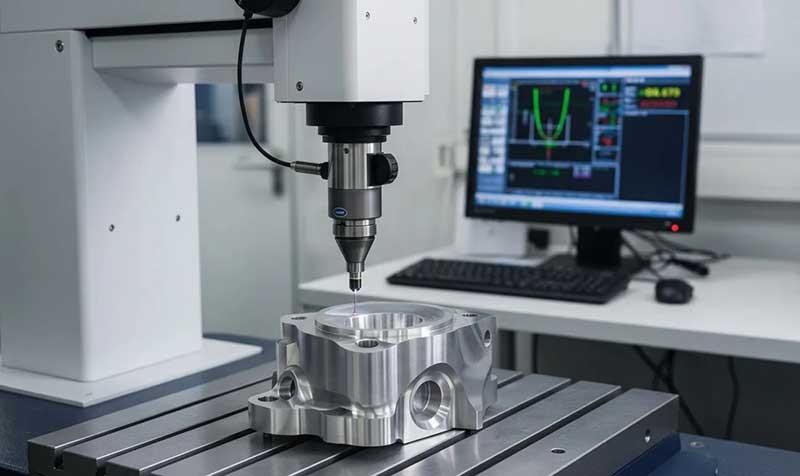
InspectionCMM, surface roughness testersEnsures dimensions, tolerances, surface finish meet specifications

What Key Considerations Should You Follow for CNC Machining Bronze?

Coolant Usage

PurposeBenefit
Heat transferAbsorbs heat from cutting zone—prevents thermal expansion, distortion
LubricationReduces friction—lower cutting force; better surface finish; reduced tool wear
Chip flushingRemoves chips—prevents scratching, damage

Design Recommendations

ParameterRecommendationRationale
Minimum wall thickness0.5 mmSufficient strength to withstand machining forces
Minimum end mill size0.8 mm (0.03 in)Prevents tool breakage
Minimum drill size0.5 mm (0.02 in)Prevents tool breakage
Maximum part size (CNC mill)1200 × 500 × 152 mm [x,y,z]Fits within machine worktable
Maximum part size (CNC lathe)152 × 394 mm [d,h]Fits within machine chuck
Undercut depthDepth ≤12× drill diameter; ≤10× tool diameterEnsures tool access, chip evacuation

Cost-saving tips:

  • Limit number of part setups (reduces time, error potential)
  • Limit inspection dimensions, tight tolerances (reduces production time, cost)
  • Minimize deep pockets with small radii (difficult, time-consuming to machine)

What Cost-Effective Strategies Work for CNC Machining Bronze?

StrategyImplementationBenefit
Reducing setup timesCustom fixtures; group similar operations; automatic tool-changing, workpiece-handling systemsFaster change-overs; reduced labor time
Limiting inspection dimensions and tight tolerancesIdentify truly critical dimensions; use SPC (Statistical Process Control) to monitor processSlower machining, frequent tool changes avoided; reduced inspection time
Avoiding complex geometriesEliminate/minimize deep pockets, small radii; use standard shapes; consider additive manufacturing for complex internal structuresEasier, faster machining; reduced risk of tool breakage

How Does Bronze Compare with Other Materials in CNC Machining?

Strength and Durability

MaterialYield Strength (tensile)ElongationHardnessDensityMax Temp
Bronze (544)50,000 PSI15%Rockwell B858.89 g/cm³1700°F
Aluminum 606135,000 psi17%Rockwell B50–650.098 lbs/in³350°F
Mild Steel36,000 psi20–30%Rockwell B70–800.284 lbs/in³800°F

Bronze advantages: High strength comparable to steel; superior corrosion resistance in marine environments; hardness contributes to durability.


Machinability

MaterialMachinability Rating (Relative)Recommended Cutting Speed (m/min)Tool Life (min)
BronzeHigh (100–150)60–12060–90
Aluminum 6061High (120–180)150–30090–120
Mild SteelMedium (50–80)30–6030–60
Stainless Steel 304Low (20–40)15–3015–30

Bronze advantage: High machinability—faster cutting speeds, longer tool life, less power consumption, lower cutting forces.


Cost

MaterialMaterial Cost ($/unit volume)Machining Cost ($/unit volume)Total Cost ($/unit volume)
Bronze20 – 5010 – 3030 – 80
Aluminum 60615 – 105 – 1510 – 25
Mild Steel3 – 88 – 1511 – 23
Stainless Steel 30415 – 3015 – 3030 – 60

Bronze cost considerations: Higher material cost offset by high machinability (shorter machining time, longer tool life); superior performance justifies cost in demanding applications.


Where Are CNC Machined Bronze Parts Applied?

Automotive Industry

ComponentApplicationBenefit
Engine bushingsCrankshaftsWear resistance; low friction—improves efficiency, extends service life
Transmission gearsManual/automatic transmissionsHigh strength; wear resistance—withstands high torque, constant meshing
Throttle bodies, fuel injection systemsValves, bushings, nozzlesPrecision machining—accurate air-flow control; better fuel atomization

Marine Industry

ComponentApplicationBenefit
PropellersShip propulsionHigh strength; corrosion resistance; smooth surface finish reduces cavitation
ValvesSeawater intake, ballast water, fuel transferCorrosion resistance; tight seal; smooth operation
BearingsMarine engine shafts, rudder systemsCorrosion resistance; wear resistance; smooth rotation

Electrical and Electronics Industry

ComponentApplicationBenefit
ConnectorsElectronic devices, power distribution, communication networksHigh electrical conductivity; corrosion resistance—reliable connection
SwitchesHousehold, industrial control switchesGood conductivity; wear resistance—long-lasting switching action
RelaysArmature, contactsHigh strength; good conductivity; withstands electromagnetic forces

How Do You Troubleshoot Common Issues in CNC Machining Bronze?

Tool Wear and Breakage

CauseSolution
High temperatureChoose carbide tools (higher hardness, heat resistance); optimize cutting parameters
AbrasivenessCarbide tools; optimize cutting parameters
Excessive cutting forcesAdjust feed rate, depth of cut; reduce cutting forces
Mechanical shockUse carbide tools; avoid interrupted cutting where possible

Recommended parameters (932 Bearing Bronze, carbide end mill): spindle speed 3000–5000 RPM, feed rate 100–200 mm/min, depth of cut 0.5–1 mm.


Surface Finish Problems

CauseSolution
Improper cutting parametersOptimize spindle speed, feed rate, depth of cut—increase speed, reduce feed for smoother cut
Tool wearUse sharp, well-maintained tools; replace worn tools
VibrationEnsure machine balanced; firm workpiece clamping; vibration-damping fixtures

Dimensional Deviations

CauseSolution
Machine issues (misaligned axis, worn ball screw)Regular calibration; laser interferometer for axis alignment
Thermal expansionTemperature-controlled machining area; coolant to maintain constant temperature
Programming errorsReview, validate G-codes and M-codes; double-check coordinates
Material thermal expansionCoolant; maintain stable workpiece temperature during machining

Conclusion

CNC machining bronze is a highly specialized, valuable process in modern manufacturing. Bronze types —932 Bearing Bronze (18,000 psi yield, wear-resistant), 954 Bearing Bronze (29,000 PSI yield, corrosion-resistant, 1800°F max temp), 544 Bearing Bronze (50,000 PSI yield, high fatigue resistance)—each suit specific applications. Advantages include high machinability (machining time 15 min/part vs. steel 25 min; tool life 500 parts vs. 300); excellent material properties (strength, wear resistance, corrosion resistance, low friction); and dimensional accuracy (reduces post-machining operations). Process involves design (CAD), programming (CAM), machine setup (HSS, carbide, diamond tools), machining operations (milling, turning, drilling), and finishing/polishing. Key considerations : coolant usage (heat transfer, lubrication, chip flushing); design recommendations (minimum wall thickness 0.5 mm; minimum end mill 0.8 mm; maximum part sizes); cost-effective strategies (reduce setups, limit tight tolerances, avoid complex geometries). Comparison with other materials: bronze offers high strength (544: 50,000 PSI), high machinability (60–120 m/min cutting speed), and corrosion resistance—though material cost is higher, machinability offsets some cost. Applications span automotive (engine bushings, transmission gears), marine (propellers, valves, bearings), and electrical/electronics (connectors, switches, relays). Troubleshooting addresses tool wear/breakage (carbide tools, optimized parameters), surface finish (optimized parameters, sharp tools, vibration damping), and dimensional deviations (machine calibration, temperature control, code validation). With proper understanding and execution, CNC machining bronze delivers high-quality, reliable, cost-effective components across industries.


FAQs

What types of bronze are best for CNC machining?
932 Bearing Bronze (wear-resistant bearings, bushings), 954 Bearing Bronze (aluminum bronze) (high strength, corrosion resistance—marine, high-load applications), and 544 Bearing Bronze (phosphor bronze) (high fatigue resistance—precision shafts, high-pressure valves). Each has distinct properties—yield strengths from 18,000 psi to 50,000 psi.

How does bronze’s machinability compare to other metals?
Bronze has high machinability —machining time 15 min/part vs. steel 25 min; tool life 500 parts vs. 300. Recommended cutting speeds 60–120 m/min—faster than stainless steel (15–30 m/min). High machinability reduces processing costs, tool wear, and machining time.

What are common issues in CNC machining bronze and how are they solved?
Tool wear/breakage: Use carbide tools; optimize cutting parameters (932 Bearing Bronze: 3000–5000 RPM, 100–200 mm/min feed, 0.5–1 mm depth of cut). Surface finish problems: Optimize spindle speed/feed rate; use sharp tools; reduce vibration with firm clamping, vibration-damping fixtures. Dimensional deviations: Regular machine calibration; temperature-controlled environment; validate G-codes.


Contact Yigu Technology for Custom Manufacturing

At Yigu Technology , we specialize in CNC machining bronze for demanding applications. We work with 932 Bearing Bronze (bearings, bushings), 954 Bearing Bronze (aluminum bronze—marine propellers, valves), and 544 Bearing Bronze (phosphor bronze—precision shafts, high-pressure valves). Our CNC milling, turning, and drilling capabilities achieve tight tolerances with optimized cutting parameters. We provide design recommendations (minimum wall thickness 0.5 mm; minimum end mill 0.8 mm) and cost-effective strategies (reduce setups, limit tight tolerances). From automotive engine bushings to marine propellers, we provide DFM feedback to optimize your designs for manufacturability.

Ready to solve your manufacturing challenges with CNC machined bronze? Contact Yigu Technology today for a free consultation and quote. Let us help you achieve precision, durability, and performance in every bronze component.

Scroll to Top