
Urethane and Silicone Vacuum Casting Services
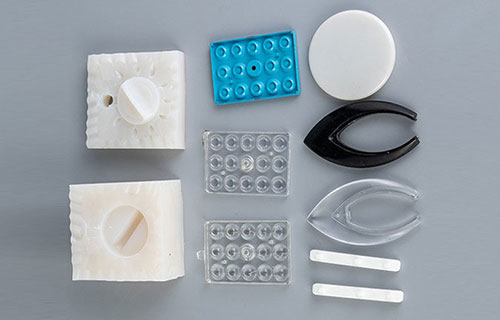
Low-Volume Production-Quality Plastic Parts on Demand
Urethane silicone vacuum casting—also known as urethane casting or silicone mold casting or silicone molding—is the go-to rapid manufacturing solution for producing high-quality prototypes and low-volume plastic parts without the upfront cost or long lead times of steel tooling. Trusted across industrial design validation, functional testing, pilot production, robotics, consumer electronics, automotive interiors, and medical devices, this process delivers the speed of 3D printing with the precision and durability of injection molding. It is the proven bridge between prototype and full-scale production—get production-grade parts in days, not weeks, and move your product to market faster.
What Is Vacuum Casting?
Vacuum casting—also called urethane casting or silicone mold casting—is a low-volume manufacturing process. It uses a 3D-printed master pattern to make a soft silicone mold. Then, liquid urethane or silicone is poured into that mold under vacuum.
The result? High-quality plastic or rubber parts. With fine detail. Smooth surfaces. And real material properties.
Think of it as the sweet spot between 3D printing and injection molding. You get better quality than 3D printing. At a fraction of the cost of injection molding.
| Key Fact | Detail |
|---|---|
| Ideal Quantity | 1 to 200+ parts |
| Typical Lead Time | 5–10 business days |
| Mold Life | 15–25 castings per silicone mold |
| Max Part Size | Up to 30 inches (762 mm) |
How the Silicone Casting Process Works
The process has three clear steps. Each one is fast and cost-effective.
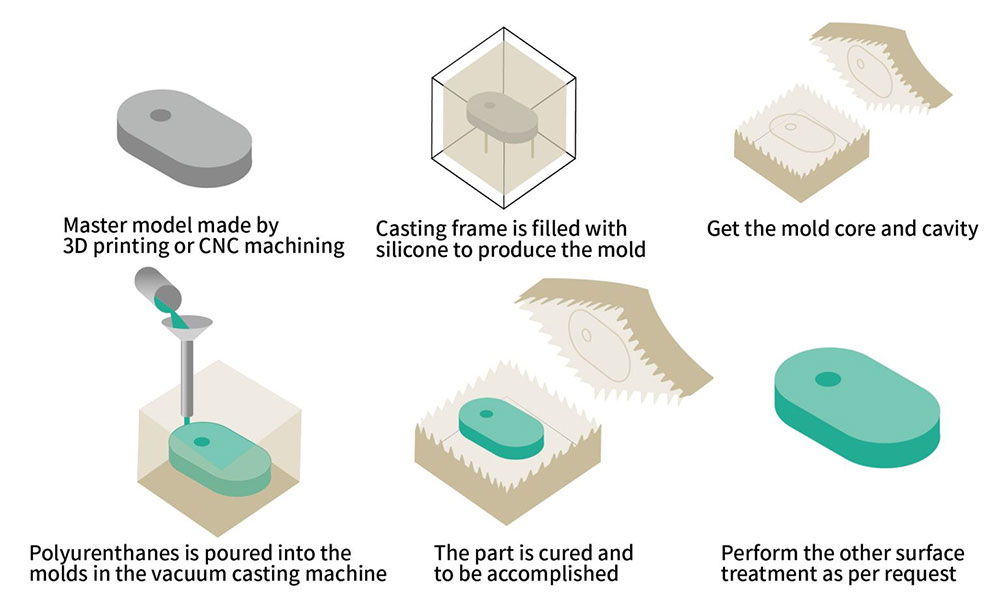
Step 1: Make the Master Pattern
A master pattern is 3D printed using SLA or PolyJet technology or CNC Machining. These methods produce high-resolution, smooth surfaces. The pattern is hand-finished for the best detail. This master becomes the "negative" shape of your final part.
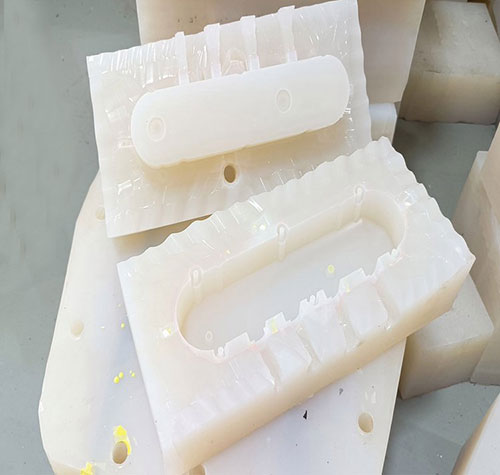
Step 2: Build the Silicone Mold
The master is placed in a mold box. Liquid silicone is poured around it and cured. Once solid, the mold is cut open. The master is removed. You now have a hollow cavity—the exact shape of your part.
Step 3: Pour and Cure
Liquid urethane or silicone is poured into the mold under vacuum. The vacuum removes air bubbles. This is critical for clear parts. For opaque parts, pressure is used instead. The part cures in an oven. Then it's removed, trimmed, and finished.
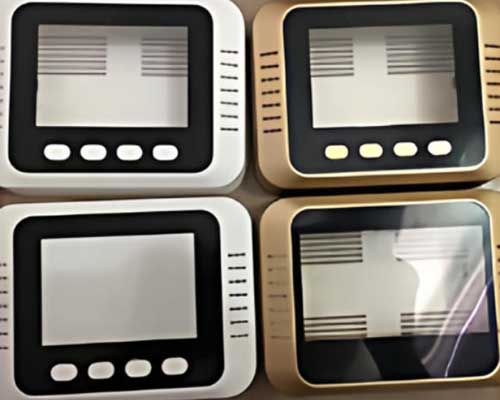
Real-World Example: A consumer electronics company needed 80 translucent housings for a Bluetooth speaker. They used clear rigid urethane (Shore D 80) with a high-gloss finish. The parts looked identical to injection-molded production units. Lead time? Just 6 days.
Urethane Casting Materials
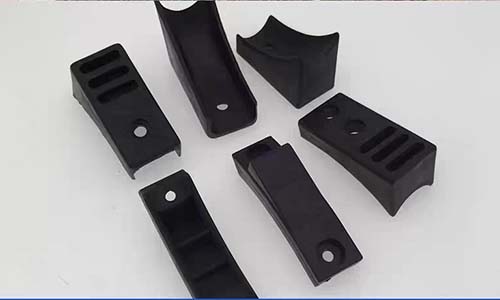
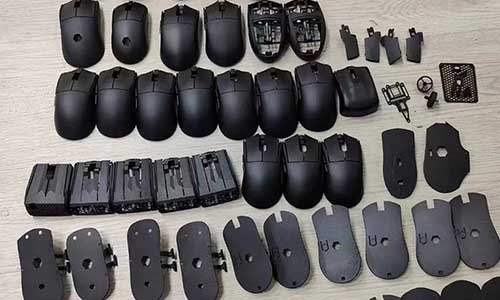
Polyurethane is a versatile thermoset material. It can mimic many common plastics. Different formulations give different properties—from rigid to flexible to rubber-like.
Here's a quick-reference table of the most popular options:
| Material Type | Shore Hardness | Mimics | Best For |
|---|---|---|---|
| General Purpose | D 76–80 | ABS | Enclosures, concept models |
| Rigid Clear | D 80 | Polycarbonate (clear) | Lenses, transparent housings |
| ABS-Like, FR | D 78–82 | ABS (flame-retardant) | Electronics, UL-listed parts |
| Polypropylene-Like | D 65–75 | Polypropylene | Living hinges, flexible clips |
| Polycarbonate-Like | D 82–86 | Polycarbonate | High-impact structural parts |
| Glass-Filled Nylon-Like | D 85 | Nylon (glass-filled) | High-heat, high-strength parts |
| Rubber-Like PU | A 25–95 | Rubber | Gaskets, seals, grips |
| Clear Rubber-Like PU | A 40–95 | Clear rubber | Soft-touch transparent parts |
Key data point: Glass-filled nylon-like urethane has a heat deflection temperature (HDT) of 190°F (88°C). That's hot enough for many automotive and industrial uses.
Silicone Casting Materials
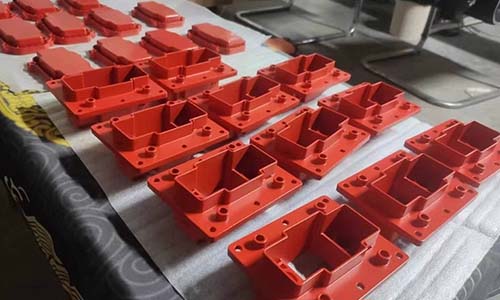
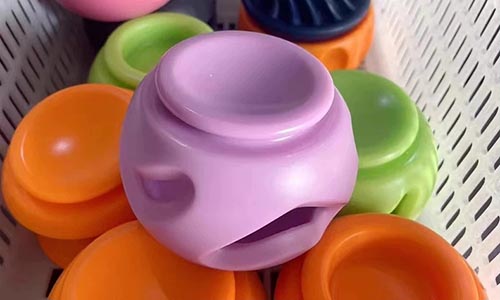
Silicone isn't just for making molds. It's also an excellent part material. Silicone rubber is durable, stretchy, tear-resistant, and inert. It handles high temperatures and is easy to clean.
| Shore A Hardness | Material Example | Feel | Use Case |
|---|---|---|---|
| 10 | TC-5005 | Ultra-soft | Medical models, soft grips |
| 20–30 | TC-5130 | Very soft | Kitchen accessories, wearables |
| 30–40 | TC-5140 | Soft-touch | Phone cases, remote controls |
| 40–50 | TC-5150 | Medium-soft | Seals, button pads |
| 50–60 | Smooth-Sil 960 | Firm rubber | Industrial grips, props |
Case Study: A medical device startup needed 30 surgical-handle grips for user testing. They chose Shore A 30 silicone (TC-5140). The parts were biocompatible, easy to sterilize, and felt natural in the hand. Total cost: under $8 per part. Tooling took just 3 days.
Urethane and Silicone Vacuum Casting Finishes and Colors
One big advantage of vacuum casting? Great surface finishes right out of the mold. No heavy post-processing needed.
| Finish Type | Surface Look | Best Use |
|---|---|---|
| Matte / Frosted | Satin, fingerprint-resistant | Handheld devices, high-touch areas |
| Semi-Gloss | Smooth, easy to clean | General-purpose housings |
| High-Gloss | Shiny, highly reflective | Cosmetic models, lenses |
| Textured | Raised pattern for grip | Handles, tools, controls |
| Custom | Painted, silk-screened, coated | Branded parts, EMI shielding |
Color options include: Black, natural (unpigmented), clear (colorless), and full color-matching to your Pantone reference.
Vacuum Casting vs. Other Methods
Which manufacturing method should you pick? Here's a honest comparison:
| Factor | Vacuum Casting | 3D Printing | Injection Molding |
|---|---|---|---|
| Cost for 50 pcs | Low | Medium | Very High |
| Surface Quality | Excellent | Fair (needs post-work) | Excellent |
| Material Properties | Production-grade | Limited | Production-grade |
| Lead Time | 5–10 days | 1–3 days | 4–8 weeks |
| Best Quantity | 1–200 pcs | 1–50 pcs | 500+ pcs |
| Design Changes | Cheap & fast | Instant | Very expensive |
If you need 10 to 200 parts with real material properties and great finish—vacuum casting wins.
Urethane and Silicone Vacuum Casting Typical Tolerances and Specs
Precision matters. Here's what you can expect:
| Spec | Tolerance |
|---|---|
| Distance Dimensions | ±0.010" or ±0.003"/inch (whichever is larger) |
| Shrinkage | +0.15% (thermal expansion) |
| Surface Finish | Satin or matte (custom polish available) |
| Feature Edges | Slightly rounded (sharp corners soften) |
| Max Part Length | 30 inches (762 mm) |
| Dimensional Accuracy | ±0.15% or ±0.05 mm |
| Concentricity | ≤ 0.1 mm |
Pro tip: Add draft angles (≥0.5°) and radii on corners in your design. This improves mold release and part quality. Wall thickness should be at least 0.8 mm.
Urethane and Silicone Vacuum Casting Applications
Vacuum casting serves many industries. Here are proven use cases:
| Industry | Application | Material Used |
|---|---|---|
| Consumer Electronics | Earbud cases, smartwatch straps | ABS-like urethane (D 80) |
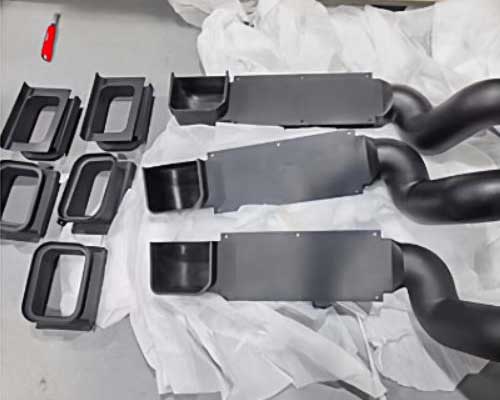
| Automotive | Intake manifold prototypes, key panels | PC-like urethane (D 84) |
| Medical Devices | Surgical grips, wearable housings | Food-grade silicone (A 40) |
| Robotics | Housing components, structural test parts | Glass-filled nylon-like (D 85) |
| Industrial | Machine covers, fixture parts | PP-like urethane (D 70) |
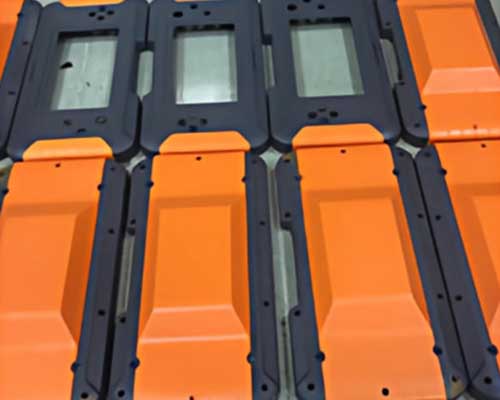
Case Study: An automotive supplier needed 40 intake manifold prototypes for airflow testing. They used polycarbonate-like urethane (Shore D 84). The parts withstood 250°F during testing. They looked and felt like production parts. The client approved the design before any steel tool was ever cut. Saved $18,000 in tooling costs.

When Should You Choose Vacuum Casting?
Pick vacuum casting when:
- ✅ You need 1 to 200 parts with production quality
- ✅ You want to test designs before committing to injection molding
- ✅ You need real material properties (not 3D-printed plastic)
- ✅ You need fast turnaround (under 2 weeks)
- ✅ You want color, transparency, or custom finishes
- ✅ You're doing market testing with end-user-ready parts
Urethane and Silicone Vacuum Casting FAQ
Why choose urethane casting over 3D printing?
Urethane casting gives you real material properties—not layered plastic. The surface finish is better. The parts look and feel like real products. 3D printing can't match that for functional or cosmetic parts.
Why choose vacuum casting over injection molding?
It's all about quantity and cost. For 10–200 parts, injection molding tooling is too expensive. Vacuum casting gives you 90% of the quality at 10% of the cost.
Can I get color-matched parts?
Yes. Urethane can be blended with pigments. You can also get full Pantone color-matching. Custom painting and silk-screening are available too.
What's the maximum part size?
Up to 30 inches (762 mm) in length. Walls should be at least 0.8 mm thick. Draft angles of 0.5° or more are recommended.
Are there food-safe or medical-grade options?
Yes. Materials like Steralloy R-Series and Smooth-Sil 960 are food-grade and biocompatible. ROHS, REACH, and FDA compliance reports are available.
How fast can I get my parts?
Typical lead time is 5–10 business days. For urgent orders, some providers offer 7-day delivery on small batches.
Do you ship internationally?
Yes. Yigu providers include tariffs in the checkout price for international prototypes shipped to the global. Check with Yigu technology for details.