
Introduction
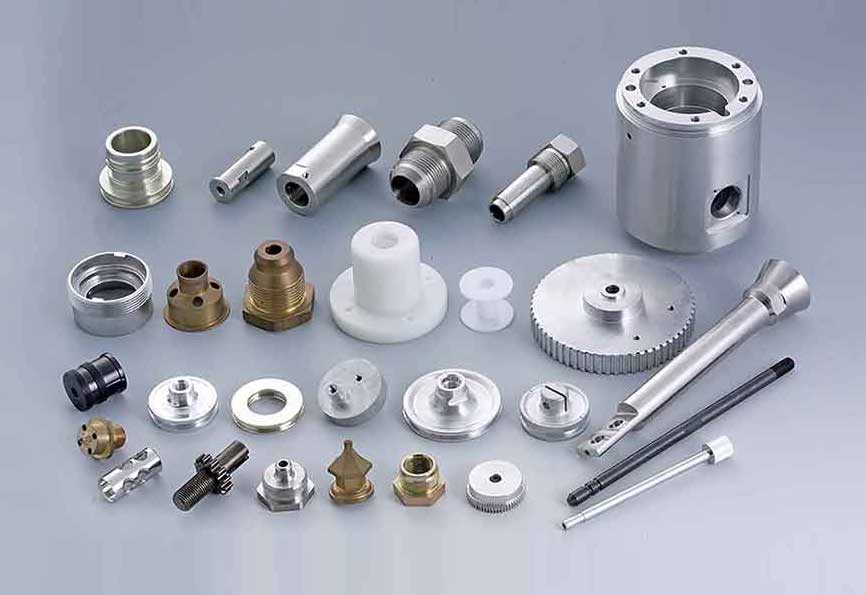
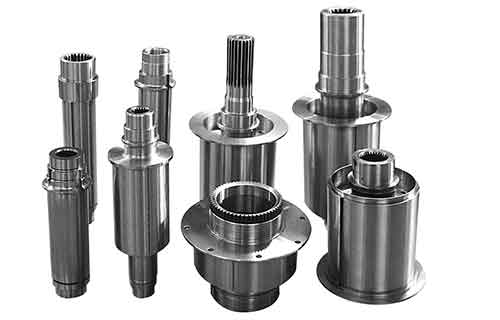
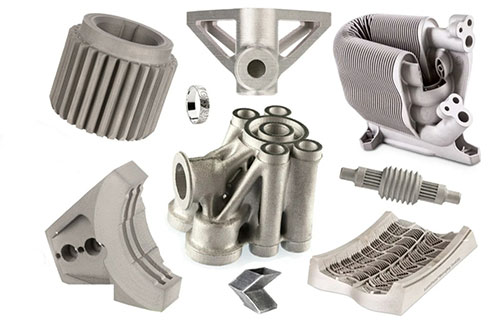
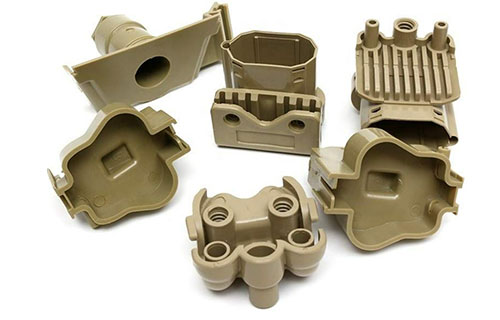
Bronze is a versatile family of copper alloys with a history spanning millennia. From ancient sculptures to modern aerospace fittings, it offers unique combinations of wear resistance, corrosion resistance, strength, and electrical conductivity. But machining bronze effectively requires understanding its diverse grades. Different alloys behave uniquely under the tool—leading to challenges like variable tool wear, chip control issues, and inconsistent surface finishes. This guide provides expert strategies for CNC machining bronze across its major alloy families—covering material properties, machining techniques, tooling, parameters, surface finish, and applications.
What Are the Major Bronze Alloy Families?
C93200 Bearing Bronze
C93200 is a leaded tin bronze renowned for exceptional wear resistance and lubricity. It is the standard choice for bushings, bearings, and wear components.
Key properties:
- Machinability index: ~80% (excellent)
- Lead content: Provides natural lubricity
- Wear resistance: Outstanding for moving parts
Primary applications: Bushings, bearings, thrust washers, wear plates
C95400 Aluminum Bronze
Aluminum bronze stands out for high tensile strength (up to 860 MPa) and excellent corrosion resistance. Its aluminum content enhances strength but makes it harder to machine than leaded bronzes.
Key properties:
- Tensile strength: Up to 860 MPa
- Corrosion resistance: Excellent in marine and chemical environments
- Machinability index: ~60%
Primary applications: Aerospace fittings, marine hardware, valve bodies, pump components
C86300 Manganese Bronze
Manganese bronze combines strength and ductility with good corrosion resistance in marine environments. It balances toughness with reasonable machinability.
Key properties:
- Strength: High
- Ductility: Good
- Machinability index: ~70%
Primary applications: Gears, valve bodies, bridge components, heavy-duty hardware
Phosphor Bronze (C51000, C52100)
Phosphor bronze offers excellent spring properties and electrical conductivity. It is the top choice for electrical contacts, springs, and connectors.
Key properties:
- Spring properties: Excellent
- Electrical conductivity: Good
- Fatigue resistance: High
Primary applications: Electrical contacts, springs, switch components, musical instrument strings
Silicon Bronze (C65500)
Silicon bronze provides high strength and weldability, with good corrosion resistance. It is often used in structural applications where welding is required.
Key properties:
- Weldability: Excellent
- Strength: High
- Corrosion resistance: Good
Primary applications: Aerospace fittings, structural components, marine hardware
Naval bronze is a tin bronze with added zinc, balancing corrosion resistance and machinability. It is ideal for marine hardware and pump components.
Key properties:
- Corrosion resistance: Good in saltwater
- Machinability: Moderate
- Strength: Good
Primary applications: Marine hardware, pump impellers, propeller shafts
Comparison of Key Bronze Alloys
| Alloy | Key Property | Primary Application | Machinability Index |
|---|---|---|---|
| C93200 | Wear resistance | Bushings, bearings | 80% |
| C95400 | High tensile strength | Aerospace fittings | 60% |
| C86300 | Ductility | Gears, valve bodies | 70% |
| Phosphor bronze | Electrical conductivity | Electrical contacts | 75% |
| Silicon bronze | Weldability | Structural fittings | 65% |
| Naval bronze | Corrosion resistance | Marine hardware | 70% |
What Machining Strategies Work for Bronze?
High-Speed Turning
High-speed turning works exceptionally well for free-machining bronzes like C93200. Speeds of 150–300 m/min reduce cycle times and improve surface finish for parts like bushings and bearings.
For harder alloys (C95400, C86300), reduce speeds to 100–200 m/min to manage tool wear.
Heavy-Duty Milling
Heavy-duty milling handles tougher alloys like C95400, using higher cutting forces to remove material efficiently in valve bodies and pump impellers. Rigid setups and climb milling are essential.
Trochoidal Milling
Trochoidal milling minimizes tool engagement and heat buildup. This is critical for preventing work-hardening in alloys like silicon bronze. The tool moves in a circular path while advancing, reducing contact time and extending tool life.
Interrupted Cuts
Interrupted cuts—common in gear machining—require rigid setups to avoid chipping tools, especially with harder aluminum bronzes. Ensure fixturing is stable and tool overhang is minimized.
Climb Milling
Climb milling is preferred for bronze. It produces cleaner cuts, reduces burr formation, and minimizes tool wear compared to conventional milling. The tool pulls into the material, creating a smoother cut.
Adaptive Toolpaths
Adaptive toolpaths adjust feed rates based on material thickness and cutting conditions. This ensures consistent cutting in complex parts—like pump impellers with varying wall thickness—and maintains uniform tool wear.
Chip Evacuation
Bronze can produce long, stringy chips that wrap around tools and cause damage. Effective chip evacuation is vital.
Strategies:
- Through-spindle coolant to flush chips
- Chip breakers in turning tools
- Air blast or coolant directed at cutting zone
Coolant Selection
| Alloy Type | Coolant Strategy |
|---|---|
| Most bronzes | Water-soluble coolant (5–8% concentration) |
| Precision finishing | MQL (minimum quantity lubrication)—avoids coolant residue on surfaces like musical instrument components |
| High-speed cutting | Through-spindle coolant for heat dissipation and chip evacuation |
Fixturing Rigidity
Fixturing rigidity prevents vibration, which is crucial for maintaining ±0.01 mm tolerance in aerospace fittings and bearing components. Use hard jaws or custom fixtures to secure the workpiece. Minimize overhang and ensure clamping force is adequate but not excessive.
What Tooling and Parameters Are Optimal?
Tool Materials and Coatings
| Tool Type | Best For | Notes |
|---|---|---|
| Carbide inserts (K20–K30) | General bronze machining | Good wear resistance; not too brittle |
| TiCN/AlTiN coatings | High-speed applications | Reduce friction; extend tool life |
| PCD (polycrystalline diamond) | Mirror finishes on soft bronzes | Exceptional surface finish; long tool life |
Cutting Parameters
| Parameter | Soft Bronzes (C93200) | Hard Bronzes (C95400) |
|---|---|---|
| Cutting speed | 150–300 m/min | 100–200 m/min |
| Feed rate (roughing) | 0.10–0.20 mm/tooth | 0.08–0.15 mm/tooth |
| Feed rate (finishing) | 0.05–0.10 mm/tooth | 0.05–0.08 mm/tooth |
| Depth of cut (roughing) | 1–3 mm | 0.5–2 mm |
| Depth of cut (finishing) | 0.2–0.5 mm | 0.1–0.3 mm |
Tool Geometry
Rake angle: Positive rake (5–10° ) reduces cutting forces, making it easier to machine bronze without excessive tool stress.
Edge preparation: Sharp edges ensure clean cuts and prevent burrs—critical in parts like valve bodies where burrs could affect sealing.
Tool Wear Monitoring
Worn tools degrade surface finish and dimensional accuracy. Monitor inserts for flank wear; replace when wear exceeds 0.3 mm . Regular inspection every 50–100 parts maintains consistent quality.
What Surface Finish and Tolerances Are Achievable?
Surface Finish
| Finish Level | Ra Value | Method |
|---|---|---|
| Standard | 1.6–3.2 μm | Standard parameters, carbide tools |
| Precision | 0.8–1.6 μm | Sharp tools, optimized feeds |
| High-quality | 0.4–0.8 μm | Finishing passes, positive rake, proper coolant |
| Mirror finish | 0.2–0.4 μm | PCD tools, slow feeds (0.02–0.05 mm/rev), light passes |
Mirror finishing technique:
- PCD tool with sharp edge
- Light depth of cut (0.05–0.1 mm)
- Slow feed rate (0.02–0.05 mm/rev)
- MQL coolant to avoid surface contamination
- Results in reflective surface suitable for sculptures, decorative parts
Dimensional Tolerances
| Part Type | Achievable Tolerance |
|---|---|
| Standard | ±0.02–0.05 mm |
| Precision (gears, bearings) | ±0.01 mm |
| High-precision (aerospace) | ±0.005 mm (with optimized process) |
Burr Management
Bronze can form burrs at edges, especially with dull tools or improper parameters. Strategies:
- Sharp tools with positive rake
- Climb milling
- Post-machining deburring (manual, tumbling, or abrasive brushing)
- Edge rounding for safe handling
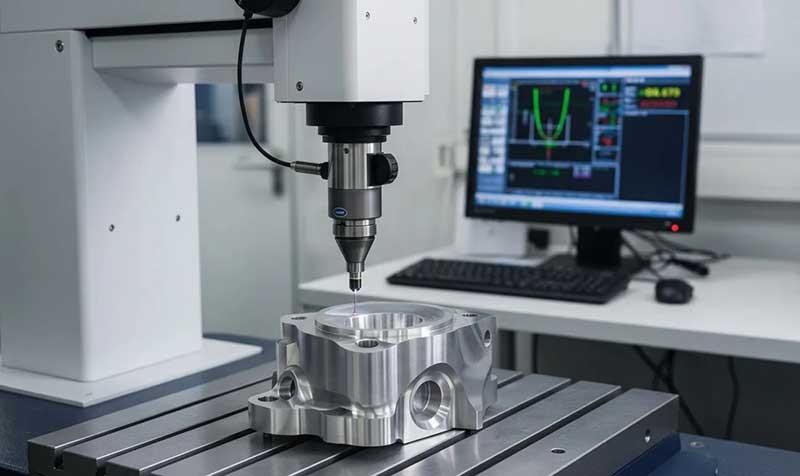
Inspection Techniques
| Feature | Inspection Method | Typical Accuracy |
|---|---|---|
| Dimensions | CMM | ±0.001 mm |
| Surface finish | Profilometer | 0.001 μm Ra |
| Roundness | Roundness tester | ±0.001 mm |
| Flatness | CMM or surface plate | ±0.002 mm |
Where Is Bronze Used?
Industrial Components
Bushings and bearings: C93200’s wear resistance and lubricity make it the standard for rotating and sliding applications.
Valve bodies and pump impellers: C86300 and naval bronze provide corrosion resistance and machinability for fluid handling.
Gears: Manganese bronze balances strength and machinability for power transmission.
Marine and Aerospace
Marine hardware: Naval bronze resists saltwater corrosion—cleats, hinges, propellers.
Aerospace fittings: Aluminum bronze’s strength and silicon bronze’s weldability suit structural components.
Art and Music
Sculpture: Bronze’s workability and ability to hold fine detail make it ideal for artistic works.
Musical instruments: Trombones, bells, and cymbals leverage bronze’s acoustic properties and surface finish capabilities.
Electrical and Other Uses
Electrical contacts: Phosphor bronze provides conductivity and spring properties for reliable connections.
Springs and connectors: Fatigue resistance and electrical conductivity suit demanding applications.
A Real-World Bronze Machining Success
A manufacturer producing high-precision aerospace fittings from C95400 aluminum bronze faced:
- Tool wear: 50 parts per carbide insert
- Surface finish: Ra 1.2–2.0 μm (above 0.8 μm requirement)
- Burrs: Required extensive manual deburring
Process improvements:
- Switched to TiCN-coated carbide inserts with positive rake
- Reduced cutting speed from 180 m/min to 120 m/min
- Implemented climb milling with adaptive toolpaths
- Added through-spindle coolant for chip evacuation
- Used PCD finishing pass for final surface
Results:
- Tool life increased to 150 parts per insert
- Surface finish improved to Ra 0.4 μm
- Burrs eliminated
- Scrap rate dropped from 8% to 2%
Conclusion
CNC machining bronze requires understanding its diverse alloy families—from free-machining C93200 to tough aluminum bronze C95400. Success depends on selecting the right strategy: high-speed turning for soft bronzes, heavy-duty milling for hard alloys, trochoidal milling for heat management, and climb milling for clean cuts. Tooling choices—carbide inserts with TiCN/AlTiN coatings for production, PCD for mirror finishes—must match the alloy. Cutting parameters vary widely: 150–300 m/min for soft bronzes, 100–200 m/min for hard alloys. Surface finishes from Ra 0.4–0.8 μm are standard; mirror finishes (Ra 0.2 μm) are achievable with PCD tools. Tolerances hold to ±0.01 mm or better with proper setup. From industrial bushings and aerospace fittings to musical instruments and sculptures, bronze’s versatility makes it a material of choice—and with the right machining approach, you can achieve the precision and quality your application demands.
FAQs
Which bronze alloy is easiest to machine?
C93200 (bearing bronze) has the highest machinability index at approximately 80% due to its lead content, which acts as a chip breaker and lubricant. It is the easiest bronze to machine and is ideal for high-volume production of bushings, bearings, and wear components.
Can bronze be machined at high speeds?
Yes, but it depends on the alloy. Soft bronzes like C93200 can be machined at 150–300 m/min , significantly reducing cycle times. Harder alloys like C95400 (aluminum bronze) require slower speeds—100–200 m/min —to manage tool wear and prevent work hardening. Always match speed to the specific alloy.
How do I achieve a mirror finish on bronze?
Use PCD (polycrystalline diamond) tools with a sharp cutting edge. Apply a light finishing pass (0.05–0.1 mm depth), slow feed rate (0.02–0.05 mm/rev), and use MQL (minimum quantity lubrication) to avoid coolant residue. This combination produces a reflective surface suitable for decorative parts, sculptures, and high-end musical instruments.
What coolant should I use for machining bronze?
Water-soluble coolant at 5–8% concentration works well for most bronze alloys. It provides adequate cooling and chip evacuation. For precision finishing where coolant residue could affect surface quality, MQL (minimum quantity lubrication) is preferred. Through-spindle coolant is effective for deep drilling and milling operations.
What tolerances can I expect when machining bronze?
Standard CNC machining of bronze achieves ±0.02–0.05 mm . With optimized tooling, rigid setups, and precision parameters, ±0.01 mm is routinely achievable. For high-precision aerospace or bearing components, ±0.005 mm is possible with careful process control and inspection using CMMs.
Contact Yigu Technology for Custom Manufacturing
At Yigu Technology, we specialize in CNC machining bronze across all major alloys—C93200 bearing bronze, C95400 aluminum bronze, C86300 manganese bronze, phosphor bronze, silicon bronze, and naval bronze. Our expertise in tool selection (carbide, TiCN/AlTiN coatings, PCD), parameter optimization, and quality control ensures precision parts for industrial, marine, aerospace, and artistic applications. We achieve surface finishes as low as Ra 0.2 μm and tolerances down to ±0.005 mm. Whether you need bushings, aerospace fittings, gears, or custom sculptures, we deliver high-quality bronze machined parts. Contact us to discuss your bronze machining project.


