Introduction
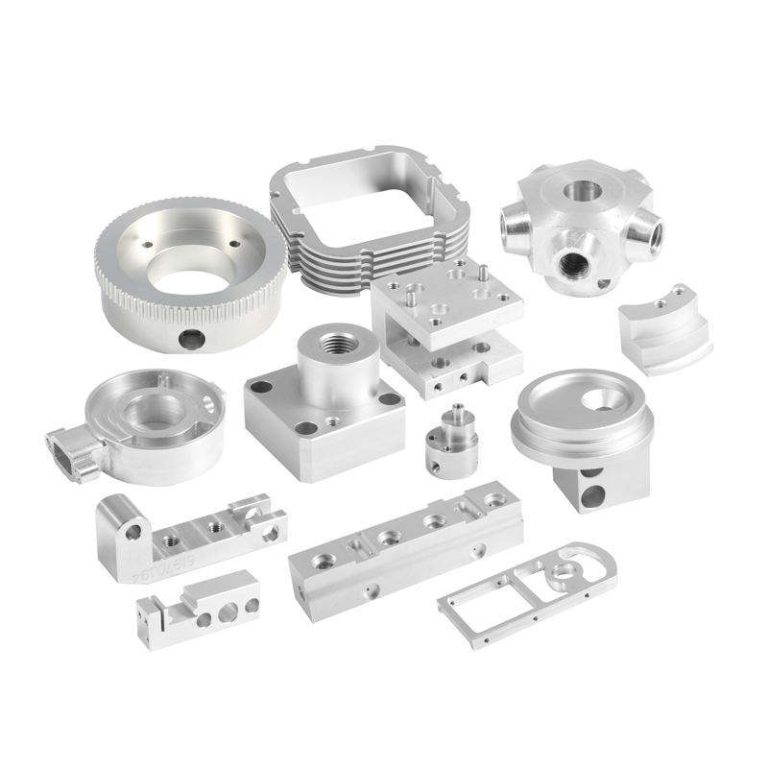
Precision machining parts are the unsung heroes of modern manufacturing. They are in aircraft engines where a deviation of a fraction of a millimeter can cause catastrophic failure. They are in medical implants where poor fit leads to revision surgery. They are in the cars we drive and the devices we use every day.
Choosing the right supplier for these critical components is not a simple purchasing decision. It is a strategic partnership that affects product quality, production schedules, and ultimately your company’s reputation.
This guide walks you through the key factors to evaluate when selecting a precision machining parts supplier. You will learn what to look for in reputation, quality assurance, technical capabilities, cost-effectiveness, and delivery performance. By the end, you will have a clear framework for making an informed decision.
Why Does the Choice of Supplier Matter?
The Impact on Product Quality
In aerospace, a 1% improvement in turbine blade precision can increase engine efficiency by 3–5% . The turbine blades operate in extreme heat and at high rotational speeds. A deviation of even a fraction of a millimeter compromises performance and safety.
In medical devices, implants like hip and knee replacements must fit perfectly. A poorly fitting implant causes discomfort, inflammation, and often requires revision surgery. Dental implants depend on precise thread pitch and diameter. A weak connection leads to implant failure.
In automotive, sensors and safety systems rely on precisely machined components. Electronic stability control (ESC) reduces single-vehicle fatal crashes by 43% —but only if the components function as designed.
The Cost of Getting It Wrong
The wrong supplier brings hidden costs:
- Rework and scrap – Parts that fail inspection waste material and labor
- Production delays – Late deliveries disrupt your schedule
- Quality failures – Field failures damage reputation and incur warranty costs
- Lost opportunities – Missed market windows from extended lead times
Choosing carefully upfront saves far more than any low-price offer.
What Key Factors Should You Evaluate?
Reputation and Experience
A supplier’s track record is your best predictor of future performance.
| What to Look For | Why It Matters |
|---|---|
| Years in business | Longevity indicates stability and accumulated expertise |
| Completed projects | Volume of work shows capacity and experience |
| Customer reviews | Direct feedback from previous clients |
| Industry reputation | Recognition from established companies in your sector |
Example: A supplier operating for 25 years with over 500 completed projects and positive reviews from major automotive companies like Ford and GM has demonstrated reliability. They have encountered and overcome various challenges over decades, giving them an edge in handling complex tasks.
Quality Assurance
Quality assurance is non-negotiable. Look for:
| Certification | Meaning |
|---|---|
| ISO 9001 | Internationally recognized quality management system |
| AS9100 | Aerospace quality management (stricter than ISO 9001) |
| ISO 13485 | Medical device quality management |
Beyond certifications, evaluate their inspection capabilities:
| Inspection Equipment | Capability |
|---|---|
| CMM (Coordinate Measuring Machine) | Measures dimensions with accuracy to ±0.001 mm or better |
| Optical comparators | Visual comparison of features against reference |
| Surface roughness testers | Verifies finish quality |
Quality control process should include:
- Raw material inspection upon receipt
- In-process inspections during machining
- Final inspection before shipment
- First-article inspection for new products
Technical Capabilities
The supplier’s equipment directly determines what they can produce.
| Equipment | Capability |
|---|---|
| 5-axis machining centers | Complex geometries in a single setup, tight tolerances |
| High-speed CNC lathes | Precision cylindrical parts |
| EDM machines | Hard materials, intricate shapes |
| Swiss-type lathes | Small, high-precision components |
Technical team expertise matters as much as equipment. Look for:
- Experienced engineers and machinists (average 10+ years)
- Knowledge of latest machining techniques
- CAD/CAM proficiency
- Design-for-manufacturability (DFM) support
Cost-Effectiveness
Price is important, but it should not be the sole factor. Consider:
| Cost Factor | What to Evaluate |
|---|---|
| Unit cost | Compare against quality and complexity |
| Material quality | Lower price may mean inferior materials |
| Volume discounts | Savings for larger orders |
| Price stability | Fluctuations indicate poor cost control |
| Hidden costs | Rework, delays, shipping, warranty claims |
A supplier offering the lowest unit price may cost more in total if parts fail inspection or deliveries are late.
Delivery Time and Flexibility
Timely delivery is essential for production schedules.
| Metric | What to Look For |
|---|---|
| Average lead time | Standard time from order to delivery |
| On-time delivery rate | Percentage of orders delivered as promised |
| Rush order capability | Ability to handle urgent requests |
| Production flexibility | Can they adjust quantities or schedules? |
A supplier with a 98% on-time delivery rate over years of operation has demonstrated reliability. Ask about their process for handling urgent orders—some can prioritize with a surcharge and expedited timeline.
How Do You Compare Different Suppliers?
The table below compares three hypothetical suppliers across key factors. Use this framework to evaluate your own candidates.
| Factor | Supplier A | Supplier B | Supplier C |
|---|---|---|---|
| Reputation and Experience | 25 years, 500+ projects, positive reviews from Ford, GM | 10 years, 200 projects, mixed reviews | 5 years, 50 projects, limited presence |
| Quality Assurance | ISO 9001, AS9100; CMM (±0.001 mm); inspection at every stage | ISO 9001; CMM (±0.01 mm); final inspection only | No certifications; basic tools; minimal inspection |
| Technical Capabilities | 5-axis machines, high-speed lathes, EDM; 15-year avg. engineer experience | 3-axis machines, standard lathes; 8-year avg. experience | 2-axis machines, basic lathes; <3-year avg. experience |
| Cost-Effectiveness | Competitive prices; volume discounts; stable pricing | Lower initial prices; no volume discounts; price fluctuations | Lowest prices; quality issues cause rework; unstable pricing |
| Delivery Time and Flexibility | 2–3 weeks; 98% on-time; rush orders in 1 week with surcharge | 3–4 weeks; 90% on-time; limited rush capability | 4–6 weeks; 80% on-time; no rush capacity |
Analysis: Supplier A stands out for overall capabilities—long reputation, advanced quality systems, technical expertise, reasonable pricing, and reliable delivery. Supplier B offers a balance but has limitations in technical capabilities and delivery flexibility. Supplier C, a new entrant, may suit projects with less strict requirements but carries significant risk for critical applications.
What Red Flags Should You Watch For?
| Red Flag | What It May Indicate |
|---|---|
| No quality certifications | Lack of commitment to quality systems |
| Vague or no inspection process | Poor quality control |
| Reluctance to share references | Past performance issues |
| Unrealistically low prices | Cutting corners on materials or quality |
| Inconsistent communication | Potential for delays and misunderstandings |
| No clear delivery commitment | Unreliable scheduling |
How Can You Verify Supplier Claims?
Request References
Ask for contact information from previous clients, especially those in your industry. Speak with them about:
- Quality of delivered parts
- On-time performance
- Responsiveness to issues
- Overall satisfaction
Conduct a Factory Visit
If possible, visit the supplier’s facility. Observe:
- Equipment condition and maintenance
- Cleanliness and organization
- Quality control processes in action
- Technician skill and engagement
Review Documentation
Ask for:
- Inspection reports from previous projects
- First-article inspection (FAI) reports
- Material certifications
- Calibration records for inspection equipment
Request a Test Run
For critical projects, consider ordering a small batch before committing to large volumes. This tests:
- Quality consistency
- Communication during the process
- Delivery performance
What Should You Include in the Contract?
| Contract Element | Purpose |
|---|---|
| Clear specifications | Detailed drawings, tolerances, materials |
| Quality requirements | Inspection standards, acceptance criteria |
| Delivery schedule | Agreed lead times, milestones |
| Penalty clauses | Consequences for late delivery or non-conformance |
| Pricing terms | Unit costs, volume discounts, payment schedule |
| Intellectual property | Ownership of designs, confidentiality |
Conclusion
Choosing the right precision machining parts supplier is a strategic decision. It affects product quality, production schedules, and ultimately your business success.
Evaluate suppliers on multiple factors: reputation and experience, quality assurance systems, technical capabilities, cost-effectiveness, and delivery performance. Look for certifications like ISO 9001, AS9100, or ISO 13485 that demonstrate commitment to quality. Verify claims through references, factory visits, and documentation reviews.
The lowest price is rarely the best value. A supplier with advanced equipment, rigorous quality control, and reliable delivery may cost more upfront but saves money in rework, delays, and field failures.
Take the time to evaluate thoroughly. The right partner becomes an extension of your business, delivering components that perform reliably and supporting your success over the long term.
FAQ
How can I verify the quality of a precision machining parts supplier?
Verify quality through certifications (ISO 9001, AS9100, ISO 13485), factory visits to observe processes, and inspection reports from previous projects. Ask for first-article inspection (FAI) reports that detail dimensions, material properties, and surface finish. A supplier with multiple CMMs and inspection at every production stage demonstrates commitment to quality.
What if the supplier fails to meet the delivery time?
Include clear penalty clauses in the contract—a percentage of order value per day of delay. Maintain regular communication during production. Request progress reports at key milestones. Identify potential delays early and work with the supplier to adjust schedules or prioritize your order.
Is it necessary to choose a local precision machining parts supplier?
Not always. Local suppliers offer easier communication, shorter lead times, and lower shipping costs. International suppliers may offer lower unit costs or specialized capabilities. The choice depends on your priorities: urgency, complexity, budget, and risk tolerance. Evaluate both local and international options against your specific requirements.
What certifications should a precision machining supplier have?
At minimum, look for ISO 9001 for quality management. For aerospace applications, require AS9100. For medical devices, require ISO 13485. These certifications demonstrate documented processes, regular audits, and commitment to continuous improvement.
How do I evaluate a supplier’s technical capabilities?
Look at their equipment—5-axis machining centers, high-speed lathes, EDM machines, and Swiss-type lathes indicate advanced capability. Assess their technical team’s experience—average years in the field, expertise in your material types, and proficiency in CAD/CAM software. Ask for examples of complex parts they have successfully produced.
Contact Yigu Technology for Custom Manufacturing
At Yigu Technology, we understand the critical importance of choosing the right precision machining partner. As a custom supplier of plastic and metal parts, we maintain ISO 9001 certification and adhere to quality standards for aerospace and medical applications.
Our facility includes 5-axis machining centers, high-speed CNC lathes, and CMM inspection equipment with ±0.001 mm accuracy. Our technical team averages 15 years of experience. We deliver on-time with a track record that meets the demands of automotive, aerospace, and medical clients.
Contact us today to discuss your precision machining needs. Let our reputation, quality systems, and technical expertise give you confidence in your supply chain.