Introduction
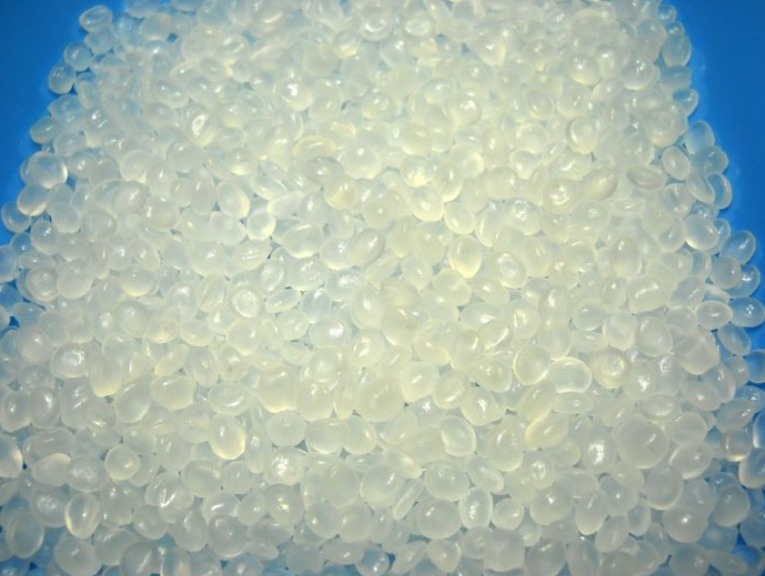
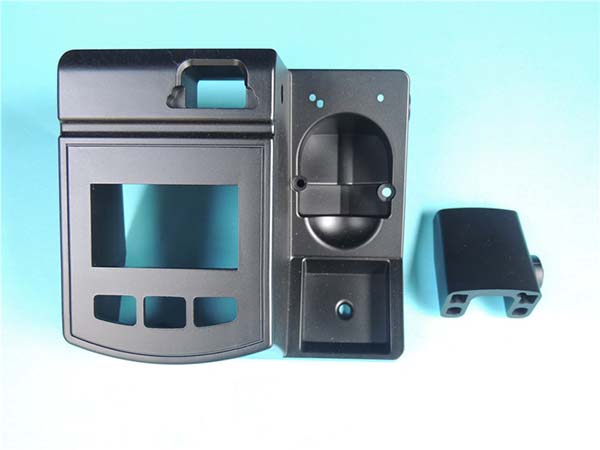
Polyoxymethylene—POM , also known as Acetal—is a high-performance engineering plastic prized for its exceptional balance of properties. It is the material of choice for precision gears, bearings, fuel system components, and electrical insulators. Its combination of strength, stiffness, low friction, and dimensional stability makes it indispensable in applications where reliability is critical.
But molding POM is not without challenges. Its low viscosity can cause flash. Its shrinkage rate (1.5–3.0%) requires careful mold compensation. Warpage threatens dimensional stability. Process parameters must be balanced to avoid defects while maintaining short cycle times.
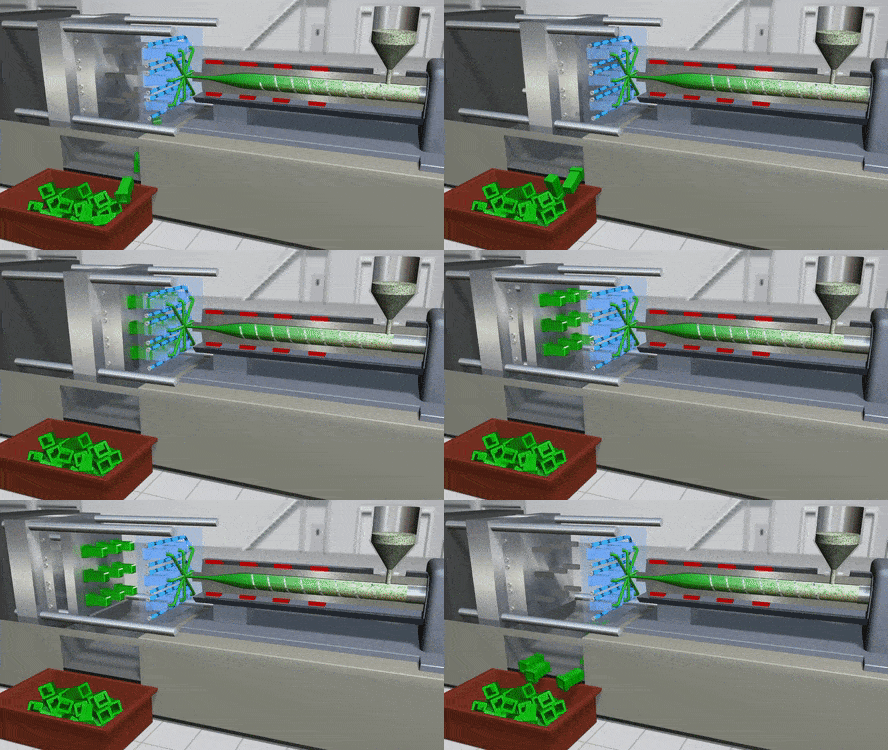
This guide covers everything you need to know about POM injection molding: material properties, process parameters, mold design, quality control, and applications.
What Makes POM a High-Performance Material?
POM offers a unique combination of mechanical, thermal, and chemical properties that make it ideal for precision parts.
Mechanical Properties
| Property | Value | Significance |
|---|---|---|
| Tensile strength | 60 – 70 MPa | Suitable for load-bearing applications |
| Flexural modulus | 2.8 – 3.5 GPa | High stiffness; retains shape under stress |
| Coefficient of friction | As low as 0.15 (dry, against steel) | Low friction; ideal for moving parts |
| Wear resistance | Excellent | Long-lasting operation with minimal lubrication |
Thermal Stability
| Property | Value |
|---|---|
| Continuous use temperature | Up to 100°C |
| Short-term exposure | Up to 120°C |
Dimensional Stability
| Property | Value |
|---|---|
| Moisture absorption | <0.2% by weight |
| Shrinkage rate | 1.5 – 3.0% |
POM’s low moisture absorption ensures dimensional stability even in humid environments—a critical advantage over materials like nylon.
Chemical and Electrical Properties
- Chemical resistance: Strong against fuels, oils, many solvents. Not resistant to strong acids or alkalis.
- Electrical properties: High dielectric strength; suitable for electrical insulators.
How Do You Injection Mold POM?
Drying Requirements
POM has minimal drying requirements. It only needs drying if exposed to excessive moisture—after storage in humid conditions.
| Condition | Action |
|---|---|
| Normal storage | No drying required |
| Humid conditions | 80°C for 2 – 4 hours; target moisture <0.2% |
Key Process Parameters
Melt temperature: 180°C to 210°C. Below 180°C causes poor flow and short shots. Above 220°C causes degradation—discoloration, reduced mechanical properties.
Injection pressure: 80 to 120 MPa. Higher pressures for complex parts or thin-walled sections.
Injection speed: Moderate to high—40 to 80 mm/s . Ensures complete filling before solidification. Excessive speed causes shear heating and degradation.
Cooling time: 10 to 20 seconds.
Cycle time: 20 to 40 seconds—ideal for high-volume production.
The table below summarizes parameters:
| Parameter | Range | Notes |
|---|---|---|
| Melt temperature | 180 – 210°C | Degradation above 220°C |
| Injection pressure | 80 – 120 MPa | Higher for complex parts |
| Injection speed | 40 – 80 mm/s | Moderate to high |
| Cooling time | 10 – 20 seconds | Contributes to short cycles |
| Cycle time | 20 – 40 seconds | Efficient for high volume |
Runner and Gate Design
- Larger runners: Help with flow
- Pinpoint gates: Work well for small, precise parts
Material Handling
Avoid prolonged exposure to direct sunlight or high heat during storage. POM can degrade under these conditions.
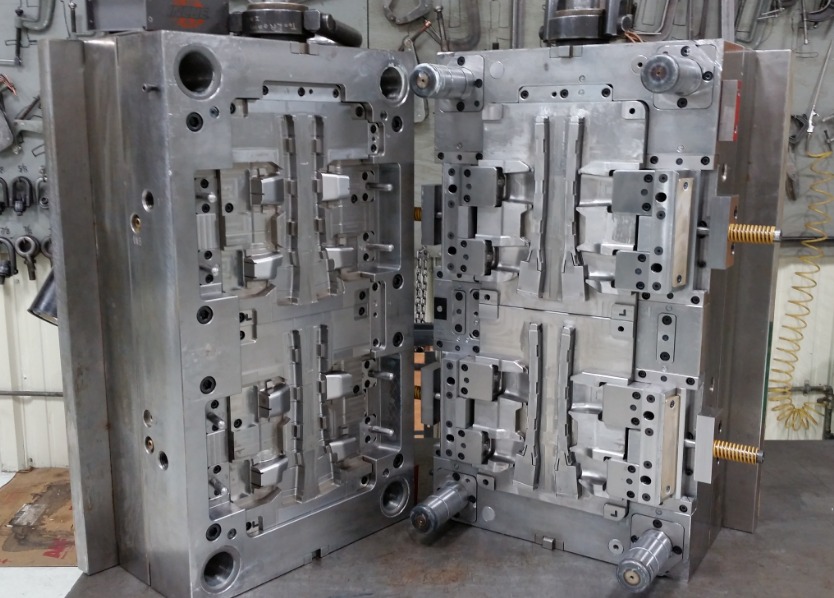
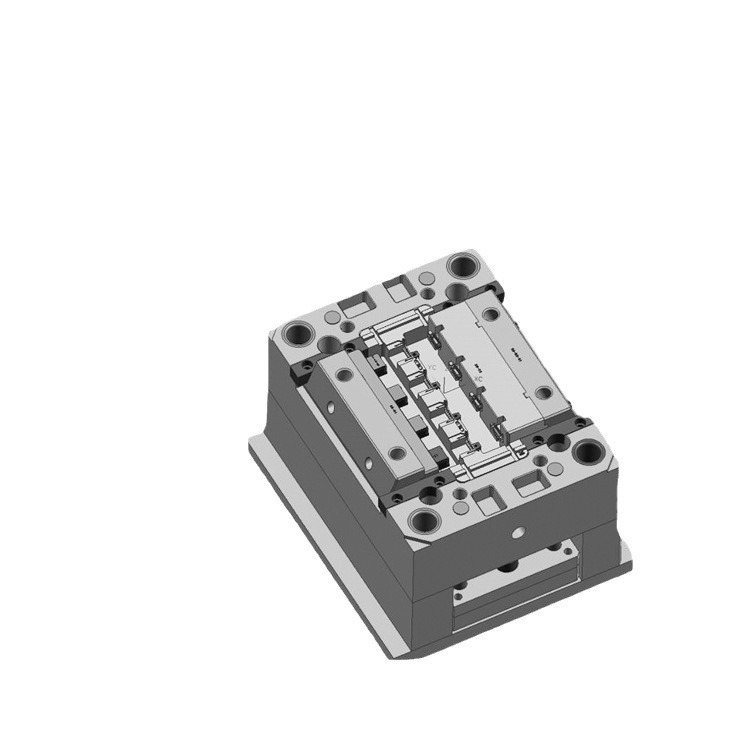
How Should Molds Be Designed for POM?
Mold Flow Analysis
Simulates how molten POM fills the mold. Identifies potential issues—air traps, uneven cooling—that cause defects.
Mold Materials
| Material | Application |
|---|---|
| P20 steel | General applications |
| H13 tool steel | High-volume runs; resists wear from POM’s slight abrasiveness |
Cooling Channel Layout
Uniform cooling prevents warpage—critical for dimensional stability.
| Design Element | Recommendation |
|---|---|
| Distance from cavity | 8 – 12 mm |
| Water temperature | 50 – 60°C |
| Flow | Turbulent for efficient heat transfer |
Venting
POM’s low viscosity can trap air, causing voids.
| Design Element | Recommendation |
|---|---|
| Vent depth | 0.01 – 0.02 mm |
| Placement | End of flow paths, along parting lines |
Draft Angles
0.5° to 1° per side is sufficient for easy ejection.
Ejector Pin Design
Distribute force evenly to avoid marks on part surface. Surface imperfections can increase wear—critical for low-friction parts.
Hot Runner Systems
Suitable for POM. Reduce waste, improve cycle times. Require precise temperature control to prevent degradation.
Surface Finish
Polished surfaces—Ra 0.8 μm or better —enhance POM’s natural low friction properties.
What Defects Occur and How to Prevent Them?
| Defect | Cause | Solution |
|---|---|---|
| Warpage | Uneven cooling or excessive residual stress | Improve cooling channel symmetry; reduce packing pressure |
| Voids | Trapped air or material degradation | Add more vents; lower melt temperature |
| Sink marks | Inadequate packing or thick wall sections | Increase packing time; redesign with uniform wall thickness |
| Flash | Excessive injection pressure or worn mold components | Reduce pressure; replace worn seals or bushings |
| Surface defects | Poor mold surface or contamination | Polish mold; ensure clean material handling |
Quality Control Methods
Statistical Process Control (SPC): Monitor melt temperature, cycle time. Ensure consistency.
Dimensional accuracy: Use calipers or CMMs. POM’s stability allows tolerances as tight as ±0.02 mm for small parts.
Surface inspection: Inspect under good lighting. Minor imperfections affect low friction performance.
Where Is POM Used?
Automotive Components
| Component | Properties Used |
|---|---|
| Fuel system parts | Chemical resistance |
| Window regulators | Low friction, wear resistance |
| Door lock components | Dimensional stability, durability |
Mechanical Parts
| Component | Properties Used |
|---|---|
| Gears | Wear resistance, low friction |
| Bearings | Low friction (coefficient 0.15) |
| Cams | Dimensional stability, wear resistance |
Electrical Components
| Component | Properties Used |
|---|---|
| Insulators | Electrical properties, heat resistance |
| Switch parts | Dimensional stability, low moisture absorption |
Consumer Products
| Component | Properties Used |
|---|---|
| Zippers | Durability, smooth operation |
| Handles | Strength, surface finish |
| Toy mechanisms | Low friction, wear resistance |
Medical Devices (Non-Implantable)
Insulin pen components use POM for:
- Chemical resistance
- Ease of sterilization (ethylene oxide)
What Post-Processing Options Exist?
Painting and Plating
Possible but require surface treatment—corona discharge—to ensure adhesion. POM’s low surface energy can hinder bonding.
Ultrasonic Welding
Works well with POM. Creates strong, sealed joints without adhesives—ideal for fluid-handling components.
Adhesive Bonding
Effective with cyanoacrylates or epoxy. Surface preparation is key for strong bonds.
Machining and Trimming
POM machines easily with excellent dimensional control. Turn, mill, or drill to achieve precise tolerances for secondary operations.
Surface Treatments
Polishing enhances low friction properties, reducing wear in moving applications.
Heat Treatment
Generally not necessary. POM retains properties well without additional processing.
Assembly Tolerances
Account for minimal thermal expansion. Typical tolerances: ±0.03 mm for small parts.
What Does a Real-World Example Look Like?
A manufacturer of automotive window regulators needed POM gears with:
- Low friction for smooth operation
- Dimensional stability under varying temperatures and humidity
- Wear resistance for long service life
The solution:
- Material: POM homopolymer
- Mold: P20 steel with polished surfaces (Ra 0.6 μm); cooling channels 10 mm from cavity
- Process: Melt temperature 200°C, injection pressure 100 MPa, injection speed 60 mm/s, cooling time 15 seconds
- Quality: SPC monitoring; CMM verification to ±0.02 mm
The result: gears with consistent dimensions, coefficient of friction below 0.18, and passed 100,000-cycle wear tests. Scrap rate under 2%.
Conclusion
POM injection molding combines precision engineering with efficient production. The material offers:
- Mechanical strength: 60–70 MPa tensile, flexural modulus 2.8–3.5 GPa
- Low friction: Coefficient as low as 0.15 (dry, against steel)
- Dimensional stability: Moisture absorption <0.2%; shrinkage 1.5–3.0%
- Thermal stability: Continuous use to 100°C, short-term to 120°C
Process parameters:
- Melt temperature: 180–210°C
- Injection pressure: 80–120 MPa
- Injection speed: 40–80 mm/s
- Cycle time: 20–40 seconds
Mold design:
- Vent depth: 0.01–0.02 mm
- Cooling channels: 8–12 mm from cavity
- Draft angles: 0.5–1°
- Surface finish: Ra 0.8 μm or better
Applications span automotive, mechanical, electrical, consumer, and medical devices. When processed correctly, POM delivers precision, durability, and reliable performance.
FAQ
How does POM compare to nylon in terms of friction and wear?
POM has significantly lower friction (coefficient 0.15 vs. nylon’s 0.3–0.4) and better wear resistance. This makes POM superior for moving parts like gears and bearings, especially in low-lubrication environments. Nylon may be chosen for higher impact resistance or different chemical compatibility.
Can POM be recycled?
Yes. POM is recyclable. Recycled POM retains most mechanical properties, though impact strength may decrease slightly. It is suitable for non-critical applications. For high-performance parts, blending with virgin material may be necessary.
What is the typical shrinkage rate for POM?
POM shrinkage ranges from 1.5% to 3.0% , depending on part design and processing conditions. Mold cavities must be oversized to compensate. Proper process control—consistent melt temperature, injection pressure, cooling—helps achieve tight tolerances despite this shrinkage.
Does POM require drying before molding?
POM has minimal drying requirements. Under normal storage conditions, drying is not necessary. If exposed to excessive moisture—after storage in humid environments—dry at 80°C for 2–4 hours to achieve moisture content below 0.2%. Unlike nylon, POM is not highly hygroscopic.
What causes warpage in POM parts?
Uneven cooling or excessive residual stress. POM’s shrinkage rate (1.5–3.0%) amplifies cooling imbalances. Solutions: improve cooling channel symmetry, ensure uniform wall thickness in part design, reduce packing pressure to minimize internal stresses.
Contact Yigu Technology for Custom Manufacturing
At Yigu Technology , we specialize in POM injection molding. Our engineers understand POM’s unique properties—low friction, dimensional stability, wear resistance. We use advanced mold flow analysis to optimize cooling channels and gate placement.
Our process controls maintain melt temperature within ±2°C, injection pressure within ±5 MPa. Quality control includes SPC monitoring and CMM dimensional verification to ±0.02 mm.
From automotive gears to medical device components, we deliver precision POM parts that meet demanding requirements.
Contact Yigu Technology today to discuss your POM injection molding project.