
What Is Boss Injection Molding and How Does It Create Stronger Plastic Parts?

Women's hair removal machine plastic mold processing laser hair removal machine plastic parts design mold injection molding processing

Contents Introduction What Is a Boss in Injection Molding? Common Boss Types Why Are Bosses Important? How Does Boss Injection Molding Work? Step 1: Plastic Material Preparation Step 2: Heating and Melting Step 3: Injection into the Mold Step 4: Cooling and Solidification Step 5: Mold Opening and Ejection Step 6: Post-Processing How Do You […]

Introduction

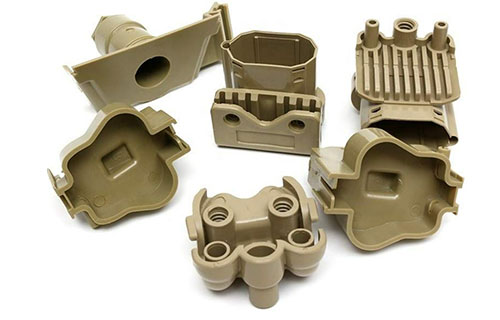
Boss injection molding is a specialized application within the broader injection molding process that focuses on creating plastic parts with bosses—small, cylindrical protrusions that extend from the main surface of the part. These seemingly simple features play critical roles in product assembly, structural reinforcement, and alignment.

Bosses are everywhere. They hold the battery in your smartphone, attach the dashboard in your car, and secure the handle on your kitchen utensils. Without bosses, assembling plastic products would require complex secondary operations or compromised designs.

This guide explains what boss injection molding is, how bosses function, the step-by-step process, and the applications across industries. You will learn the design considerations, material choices, and quality factors that ensure bosses perform reliably in your products.


What Is a Boss in Injection Molding?

A boss is a small, cylindrical or round protrusion that extends from the surface of a plastic part. Bosses are typically designed with a hole in the center to accept screws, pins, or other fasteners, though solid bosses are also used for alignment or reinforcement.

Common Boss Types

Boss TypeDescriptionApplications
Threaded bossHas internal threads or accepts self-tapping screwsElectronics housings; assembly points
Alignment bossSolid; used for positioning partsToy construction sets; mating components
Reinforcement bossAdds strength at stress pointsStructural enclosures; load-bearing areas
Mounting bossAccepts fasteners for component attachmentCircuit board mounts; internal hardware

Why Are Bosses Important?

Bosses serve several critical functions:

Structural Reinforcement
Bosses distribute stress at attachment points. Without a boss, a screw driven directly into a flat plastic surface would create stress concentration, leading to cracking or failure. The boss provides additional material around the fastener, distributing the load.

Connection and Assembly
Bosses act as attachment points, allowing multiple parts to be fastened together. In automotive interiors, bosses on dashboard panels align with corresponding holes in the vehicle frame, enabling quick assembly with screws or bolts.

Alignment
Bosses ensure parts are correctly positioned during assembly. In construction toys, bosses on one piece fit precisely into sockets on another, ensuring proper alignment and stability.

Standoff Function
Bosses create space between components. In electronics, bosses elevate circuit boards away from housings, preventing short circuits and allowing airflow for cooling.


How Does Boss Injection Molding Work?

The boss injection molding process follows the same basic steps as conventional injection molding, with specific considerations for the boss features.

Step 1: Plastic Material Preparation

Plastic pellets are loaded into the machine hopper. Material selection is critical—different plastics have different properties that affect boss performance.

Key material considerations for bosses:

  • Strength – Bosses under load require materials with good tensile and impact strength
  • Thread retention – For threaded bosses, material must hold threads without stripping
  • Shrinkage – Consistent shrinkage ensures hole dimensions remain accurate
  • Flow characteristics – Material must flow into narrow boss cavities

Common materials:

  • ABS – Good balance of strength and processability; common for housings
  • Polypropylene (PP) – Flexible; chemical resistant; used in automotive and consumer goods
  • Polycarbonate (PC) – High strength; impact resistant; used in structural applications
  • Nylon – Strong; wear resistant; good for threaded bosses

Drying: Hygroscopic materials (nylon, ABS, PC) must be dried to prevent moisture-related defects in boss areas.

Step 2: Heating and Melting

Plastic pellets are conveyed into a heated barrel. A rotating screw melts the material through a combination of external heat and internal friction.

Temperature control is critical:

  • Too low: Incomplete melting; poor flow into boss cavities
  • Too high: Material degradation; loss of mechanical properties
MaterialMelt Temperature Range
ABS200–250°C
Polypropylene160–170°C
Polycarbonate260–300°C
Nylon240–280°C

Step 3: Injection into the Mold

Molten plastic is injected into the mold cavity under high pressure. The mold contains cavities for both the main part and the bosses.

Key injection considerations for bosses:

FactorImportance
Injection pressureMust be sufficient to fill narrow boss cavities; 50–150 MPa typical
Injection speedBalanced to fill bosses completely without creating voids
Gate locationShould direct flow toward bosses to ensure filling

Mold design for bosses:

  • Pinpoint gates – Often used for small, precise bosses
  • Runner balance – Ensures all bosses fill simultaneously
  • Venting – Critical at boss tips to prevent air traps

Step 4: Cooling and Solidification

The plastic cools and solidifies, taking the shape of the mold cavity—including the bosses.

Cooling considerations for bosses:

  • Bosses are typically thicker than surrounding walls, so they cool more slowly
  • Uneven cooling can cause sink marks on the opposite surface
  • Cooling channels should be placed to provide uniform cooling

Cooling time: Depends on boss diameter and wall thickness; typically 10–60 seconds for most parts.

Step 5: Mold Opening and Ejection

The mold opens, and ejector pins push the finished part out.

Ejection considerations:

  • Ejector pins should be placed away from bosses to avoid marking critical surfaces
  • For parts with many bosses, stripper plates may be used for even ejection
  • Insufficient draft angles can cause bosses to stick in the mold

Step 6: Post-Processing

Molded parts may require additional steps:

OperationPurpose
Flash removalRemove excess plastic from parting lines
TrimmingCut off any excess material around bosses
Thread tappingAdd threads to boss holes if not molded-in
Painting/coatingAesthetic or protective finishes

How Do You Design Bosses for Injection Molding?

Proper boss design ensures strength, manufacturability, and reliability.

Wall Thickness and Boss Diameter

Rule of thumb: Boss diameter should be 2–2.5 times the screw diameter for threaded bosses.

Screw SizeBoss Outer DiameterBoss Wall Thickness
M24–5 mm1.0–1.5 mm
M36–8 mm1.5–2.0 mm
M48–10 mm2.0–2.5 mm
M510–12 mm2.5–3.0 mm

Wall thickness: Boss wall thickness should be 50–70% of the nominal part wall thickness to prevent sink marks.

Boss Height

HeightConsiderations
Short (< 3× diameter)Generally easy to mold; minimal sink marks
Medium (3–5× diameter)Requires careful cooling; may need additional venting
Tall (> 5× diameter)Challenging to fill; may require core pins or special design

Draft Angles

Draft allows the boss to release from the mold without sticking.

SurfaceRecommended Draft
External boss surface0.5–1.5° per side
Internal hole0.5–1.0° per side

Boss-to-Wall Connection

Bosses should be connected to adjacent walls or ribs for support.

ConnectionBenefit
GussetsAdds strength; prevents boss bending
RibsDistributes load; reduces stress concentration
Connection to wallProvides additional support

Avoid: Free-standing bosses without support—they are prone to cracking under load.

Sink Mark Prevention

Sink marks occur on the opposite surface of a boss due to uneven cooling. Prevention methods:

MethodHow It Works
Reduce boss wall thicknessKeep boss wall ≤ 60% of nominal wall
Add gussetsDistributes material; reduces thick section
Core the bossMake hollow instead of solid
Adjust packingIncreased holding pressure can help

Hole Design

Hole TypeConsiderations
Through-holeEasier to mold; uses core pins
Blind holeMay trap air; requires venting at tip
ThreadedMay be molded-in or tapped after molding

What Are the Applications of Boss Injection Molding?

Consumer Electronics

ComponentBoss Function
Smartphone casesBattery holder mounts; circuit board attachments; camera module mounts
Laptop housingsKeyboard mounts; display hinge attachments; internal component mounting
Remote controlsCircuit board standoffs; battery compartment contacts

Example: A typical mid-range smartphone case contains 10–15 bosses of various sizes. These secure internal components, ensuring they remain in place during normal use and impact events.

Automotive Industry

ComponentBoss Function
Dashboard panelsAir vent attachments; instrument cluster mounts; control panel mounting
Door panelsHandle attachments; speaker mounts; trim attachments
Headlight housingsLens attachment; bulb holder mounts; vehicle frame mounting

Example: A modern car dashboard may contain dozens of bosses for attaching sub-components like air vents, instrument clusters, and control panels. These bosses enable efficient assembly and easy replacement of individual components.

Medical Equipment

ComponentBoss Function
SyringesPlunger attachment; barrel assembly
Diagnostic devicesCircuit board mounts; sensor alignment
Instrument housingsInternal component mounting; cover attachment

Example: In a 10 mL syringe, the boss-based connection between plunger and barrel ensures consistent, controlled operation for accurate dosage delivery.

Consumer Goods and Toys

ComponentBoss Function
Bottle capsSeal attachment; grip features
Kitchen utensilsHandle attachment
Construction toysInterlocking connection points

Example: A small construction toy set may contain hundreds of bricks, each with multiple bosses on sides and tops, enabling children to build various structures.


What Are Common Defects and Solutions?

Defect: Sink Marks

CauseSolution
Boss wall too thickReduce boss wall thickness; add gussets
Insufficient packingIncrease holding pressure or time
Poor coolingAdd cooling channels near bosses

Defect: Short Shots (Incomplete Boss)

CauseSolution
Low injection pressureIncrease pressure
Low melt temperatureRaise temperature
Poor ventingAdd vents at boss tips

Defect: Boss Cracking

CauseSolution
Sharp cornersAdd radius at boss base
Insufficient draftIncrease draft angle
Ejection stressAdjust ejector pin placement

Defect: Poor Thread Retention

CauseSolution
Material too softUse higher-strength material
Insufficient wall thicknessIncrease boss diameter
Threads stripped during assemblyAdd metal inserts for critical applications

How Do You Ensure Quality in Boss Molding?

Design Phase

  • Use mold flow analysis to predict filling of boss cavities
  • Verify wall thickness ratios to prevent sink marks
  • Include adequate draft for ejection

Process Control

  • Monitor melt temperature to ensure complete filling
  • Control injection pressure to fill bosses without flash
  • Maintain consistent cycle times for uniform cooling

Quality Inspection

InspectionMethodAcceptance
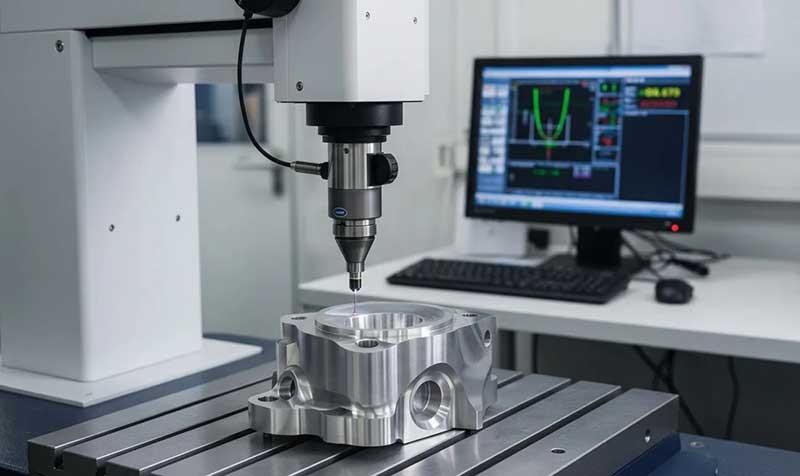
DimensionalCMM; gauges±0.05 mm typical
Thread fitGo/no-go gaugesSmooth engagement
StrengthPull-out testsMeets specification
VisualInspectionNo cracks; sink marks within limits

Conclusion

Boss injection molding is a specialized application that creates plastic parts with integral attachment and reinforcement features. Bosses serve critical functions:

  • Structural reinforcement – Distribute stress at attachment points
  • Connection – Enable efficient assembly with fasteners
  • Alignment – Ensure proper positioning of mating components
  • Standoff – Create space between components

Successful boss design requires attention to wall thickness, draft angles, connection to supporting walls, and cooling. Common materials include ABS, polypropylene, polycarbonate, and nylon—each offering different properties for specific applications.

When designed and molded correctly, bosses create strong, reliable attachment points that eliminate secondary operations and enable efficient product assembly across industries from consumer electronics to medical devices.


Frequently Asked Questions (FAQ)

What types of plastics are most suitable for boss injection molding?
ABS offers good strength and processability; ideal for housings and enclosures. Polypropylene (PP) provides chemical resistance and flexibility; good for automotive and consumer applications. Polycarbonate (PC) delivers high impact strength and heat resistance; suitable for structural parts. Nylon offers strength and wear resistance; excellent for threaded bosses. Selection depends on load requirements, thread retention needs, and environmental conditions.

How can you ensure the quality of boss-shaped parts in injection molding?
Control melt temperature within material specifications to ensure proper flow into boss cavities. Manage injection pressure to fill bosses completely without causing flash. Optimize mold design with proper venting at boss tips and balanced runner systems. Design cooling channels for uniform cooling to prevent sink marks. Use mold flow analysis during design to predict filling patterns. Inspect dimensions and perform pull-out tests for critical bosses.

What causes sink marks on the opposite side of a boss?
Sink marks occur when the boss wall is too thick relative to the nominal wall thickness. As the boss cools more slowly than surrounding areas, shrinkage pulls material inward, creating a depression on the opposite surface. Solution: Keep boss wall thickness ≤ 60% of nominal wall thickness; add gussets to distribute material; increase holding pressure; ensure adequate cooling near the boss location.

What is the recommended draft angle for bosses?
External boss surfaces: 0.5–1.5° per side. Internal holes: 0.5–1.0° per side. Larger draft angles (1.5–2.5°) are recommended for textured surfaces or tall bosses. Insufficient draft causes sticking during ejection, potentially damaging the boss or part surface.

When should metal inserts be used instead of molded bosses?
Use metal inserts when: the application requires high clamping force repeatedly assembled and disassembled; the plastic material has poor thread retention; the boss is in a critical load-bearing location; or field service requires frequent disassembly. Metal inserts provide stronger, more durable threads than plastic bosses alone.


Contact Yigu Technology for Custom Manufacturing

At Yigu Technology, we specialize in boss injection molding for complex plastic parts across consumer electronics, automotive, medical, and industrial applications. Our expertise ensures your bosses are designed for strength, manufacturability, and reliability.

Our boss molding capabilities include:

  • Design for manufacturability – Optimized boss geometry; sink mark prevention
  • Precision mold design – Balanced runner systems; proper venting; core pins
  • Material expertise – ABS, PP, PC, nylon, and engineering grades
  • Process control – Consistent filling; uniform cooling
  • Quality assurance – Dimensional inspection; pull-out testing; thread verification

We help clients create plastic parts with reliable attachment points that enable efficient assembly and long-term durability.

Contact us today to discuss your boss injection molding project. Let our expertise help you design and produce stronger, more reliable plastic components.

Scroll to Top