Introduction
Plastic injection molding has become the backbone of modern manufacturing. From the smartphone in your pocket to the dashboard in your car, this process shapes countless products you use daily. But what exactly makes it so dominant?
In simple terms, plastic injection molding involves melting plastic pellets and injecting the molten material into a precisely crafted mold under high pressure. Once cooled, the part solidifies into its final shape. The process sounds straightforward, yet its advantages run deep.
At Yigu Technology, we’ve spent years helping clients navigate this manufacturing landscape. We’ve seen firsthand how injection molding transforms ideas into reliable, high-quality products. In this guide, we’ll walk you through the real-world benefits—from speed and precision to material choices and long-term cost savings—so you can decide if it’s the right fit for your project.
Understanding the Basics
Before diving into advantages, let’s clarify how the process works. Plastic resin, in pellet form, enters a heated barrel. A rotating screw melts the material and pushes it forward. The molten plastic then shoots into a closed mold cavity at high pressure. After a brief cooling period, the mold opens, and the finished part ejects.
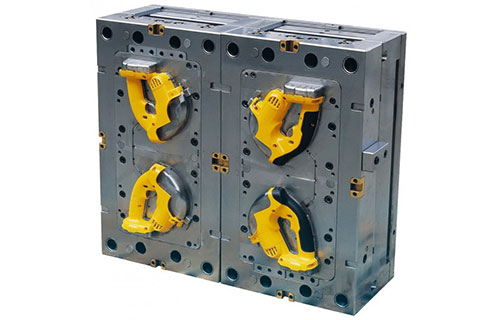
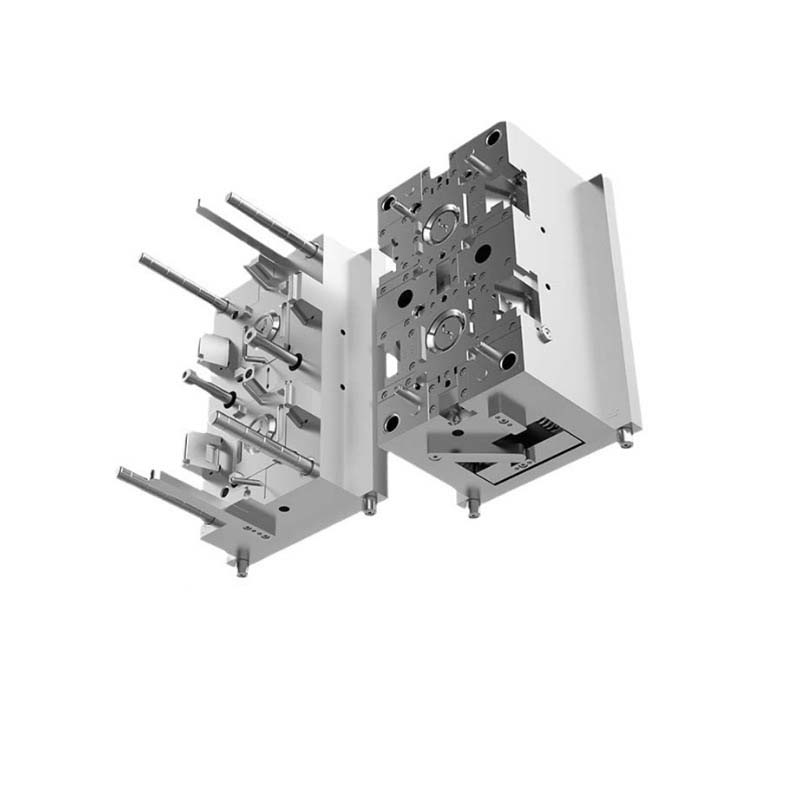
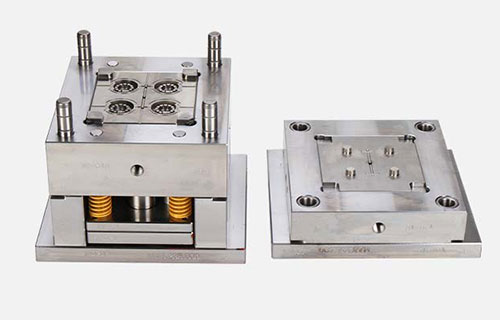
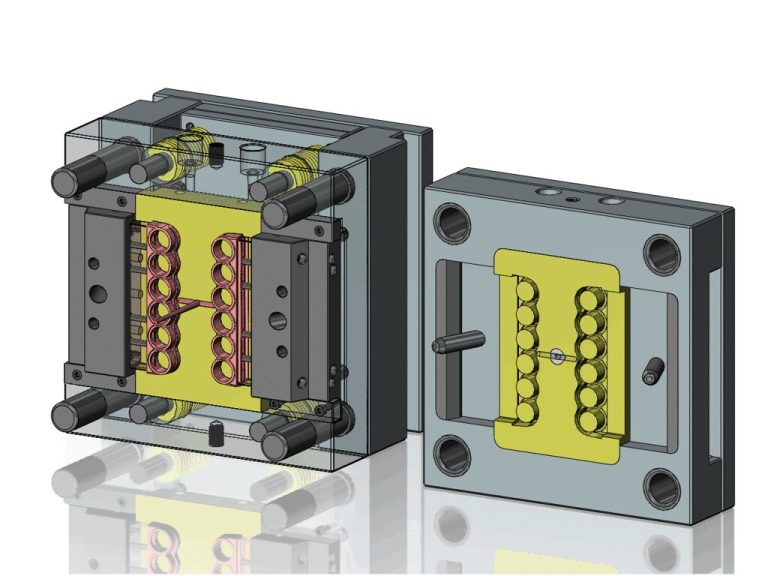
The magic lies in the mold itself. Typically made from steel or aluminum, these tools define every detail of your part—from surface texture to structural features. A well-designed mold can produce hundreds of thousands of identical parts with minimal variation.
Why Is Production So Fast?
Swift Cycle Times
Speed is one of injection molding’s strongest suits. A single cycle—from injection to ejection—often takes 10 to 40 seconds for small or medium-sized parts. For example, at Yigu Technology, we regularly produce consumer product housings in under 25 seconds per part.
This speed comes from three factors:
- Automated operation reduces human intervention
- Efficient cooling channels cut wait times dramatically
- Simultaneous processes allow multiple actions to happen in parallel
A single machine can output hundreds of parts per hour. For high-demand products, this throughput is a game-changer.
Built for Mass Production
When you need thousands—or millions—of identical parts, injection molding shines. The upfront mold cost spreads across each unit, making per-part costs drop as volume rises.
Consider the automotive industry. A typical car contains hundreds of plastic components—dashboards, bumpers, door panels. Manufacturers rely on injection molding to produce these in massive volumes while maintaining consistency. Over 70% of automotive interior components now come from injection molding, according to industry estimates.
Electronics follow the same pattern. A popular smartphone model may sell 50 million units in a year. Each phone requires multiple molded parts: the casing, button covers, internal frames. Without injection molding’s scalability, such volumes would be impossible to achieve economically.
How Precise Can Parts Get?
Tight Tolerances Explained
Precision matters. In medical devices, aerospace, and electronics, even minor deviations can cause failures. Injection molding delivers tolerances as tight as ±0.02mm for small components.
To put that in perspective:
- Injection molding: ±0.02mm to ±0.1mm for small parts
- 3D printing (FDM): typically ±0.2mm to ±0.5mm
- CNC machining: ±0.01mm to ±0.05mm (but slower and more wasteful)
A Yigu Technology case highlights this: we produced a batch of sensor housings for a medical client requiring ±0.03mm tolerance. The injection molding process met this spec consistently across 50,000 units, while alternative methods would have required extensive post-processing.
Complex Shapes Made Simple
Injection molding handles geometries that other processes struggle with. Undercuts, hollow interiors, and intricate details are all achievable with proper mold design.
Side-action mechanisms—like slides or lifters—create undercuts effortlessly. For instance, a toy handle with a finger-grip undercut uses a slide that moves into position during molding and retracts for ejection.
Gas-assisted injection molding produces hollow parts. After partial injection, high-pressure nitrogen gas pushes molten plastic to the mold walls, creating a lightweight but strong structure. This technique is common in automotive bumpers and large furniture components, reducing weight while maintaining strength.
Modern CAD and CAM technologies allow designers to simulate plastic flow before cutting metal. This means potential filling issues get resolved digitally, not after costly mold fabrication.
What Materials Can You Use?
A Wide Range of Resins
Plastic injection molding supports dozens of materials, each with unique properties. Here’s a snapshot of commonly used resins:
| Material | Key Properties | Common Applications |
|---|---|---|
| ABS | High impact strength, good surface finish, dimensional stability | Electronics casings, automotive interior parts, toys |
| Nylon (PA) | High strength, abrasion resistance, self-lubricating | Gears, bearings, conveyor belts, industrial components |
| PET | Strong, lightweight, transparent, good gas barrier | Beverage bottles, food containers, flexible electronics |
| Polypropylene (PP) | Lightweight, chemical resistant, cost-effective | Food containers, automotive bumpers, medical syringes |
| Polycarbonate (PC) | High impact resistance, optical clarity | Safety glasses, headlamp lenses, electronic housings |
| PEEK | High heat resistance, chemical stability, biocompatible | Aerospace components, medical implants, high-performance seals |
Tailoring Properties to Fit Your Needs
Beyond selecting a base resin, you can modify material properties with additives. This customization lets you meet specific requirements without changing the manufacturing process.
Fillers like calcium carbonate or talc increase stiffness and reduce cost. A polypropylene part with 20% talc filler gains significantly higher heat deflection temperature—ideal for under-hood automotive components.
Reinforcements such as fiberglass or carbon fiber boost strength dramatically. Fiberglass-reinforced nylon can achieve tensile strengths exceeding 150 MPa, rivaling some metals. Carbon fiber-reinforced composites offer even higher strength-to-weight ratios, making them prized in racing cars and premium sports equipment.
Modifiers add specialized functions:
- Plasticizers increase flexibility for products like vinyl tubing
- Flame retardants meet safety standards in electronics
- UV stabilizers prevent degradation in outdoor applications
Is It Cost-Effective Long-Term?
Upfront Investment vs. Per-Unit Savings
Yes, injection molding requires significant upfront investment. A mold can cost anywhere from **(5,000 for a simple design to *)100,000 or more* for complex, high-cavity tools. This often gives new product developers pause.
But here’s where the math shifts. Once the mold is made, per-part costs drop sharply. For a production run of 10,000 units, injection molding typically delivers lower unit costs than 3D printing. At 100,000 units, the difference becomes dramatic—often 80–90% lower per part.
The table below illustrates typical cost dynamics:
| Production Volume | Injection Molding | 3D Printing | CNC Machining |
|---|---|---|---|
| 100 units | High per-unit cost (mold dominates) | Low per-unit cost | Moderate per-unit cost |
| 1,000 units | Moderate per-unit cost | Moderate per-unit cost | Higher per-unit cost |
| 10,000 units | Low per-unit cost | High per-unit cost | Very high per-unit cost |
| 100,000 units | Very low per-unit cost | Impractical | Impractical |
Reduced Post-Processing Needs
Parts often come out of the mold nearly finished. This reduces secondary operations significantly compared to other methods.
With 3D printing, you typically need:
- Support removal
- Sanding or smoothing
- Surface finishing
With CNC machining, parts often require deburring and secondary polishing.
Injection molding delivers parts with consistent surface finish, minimal flash (excess material), and often no need for additional work. For a Yigu Technology client producing medical device housings, this meant saving over (2 per part in finishing costs—adding up to )100,000 annually on a 50,000-unit run.
What Surface Finishes Are Possible?
From High-Gloss to Textured
Surface finish affects both appearance and function. Injection molding offers remarkable flexibility here.
High-gloss finishes give consumer electronics that sleek, modern look. Smartphone cases, remote controls, and kitchen appliances often feature this finish. It’s achieved with highly polished mold cavities.
Matte finishes reduce glare and hide fingerprints. Laptop casings and automotive interior trim frequently use matte surfaces. They offer a professional, understated appearance while resisting smudges.
Textured surfaces serve both aesthetic and practical purposes. A simulated leather texture on a car dashboard creates a premium feel. A coarse texture on a tool handle improves grip. Textures can even replicate wood grain, carbon fiber, or fabric patterns.
The ability to integrate texture directly into the mold eliminates separate finishing steps. This saves time and ensures consistency across every part.
How Does Yigu Technology Leverage These Advantages?
As a custom manufacturer of non-standard plastic and metal components, Yigu Technology relies on injection molding daily. We’ve seen its benefits translate directly to client success.
Case Example 1: A medical device startup needed 20,000 housings with ±0.05mm tolerances and a biocompatible material. Injection molding delivered consistent quality with zero defects in the first production run. Total lead time from mold approval to finished parts: four weeks.
Case Example 2: An automotive supplier required 150,000 clips annually with high impact strength and a specific matte finish. By selecting reinforced nylon and optimizing cooling channels, we reduced cycle time by 18%, lowering unit cost and passing savings to the client.
Case Example 3: A consumer electronics brand wanted a unique textured finish for a smart speaker. We collaborated on mold texturing to achieve the exact surface feel, eliminating post-processing and ensuring every unit matched the design prototype.
In each case, injection molding’s combination of speed, precision, material flexibility, and surface finish options made the difference.
Conclusion
Plastic injection molding delivers a powerful combination of benefits that few manufacturing processes can match. Its rapid cycle times enable high-volume production with consistent quality. Its precision capabilities meet demanding tolerances for critical applications. Its material versatility allows customization of mechanical, thermal, and aesthetic properties. And its long-term cost-effectiveness makes it the economic choice for medium to large production runs.
Whether you’re developing medical devices, automotive components, consumer electronics, or industrial products, injection molding offers a proven path from concept to reality. The upfront investment in tooling pays dividends through lower per-unit costs, reduced finishing, and scalable production.
At Yigu Technology, we’ve built our reputation on helping clients navigate these decisions. We combine technical expertise with practical manufacturing experience to deliver solutions that balance quality, cost, and speed.
FAQ
What types of plastics are most commonly used in plastic injection molding?
ABS, nylon, polypropylene, polycarbonate, and PET are among the most common. ABS offers strength and good surface finish for electronics housings. Nylon provides high strength and wear resistance for gears and industrial parts. Polypropylene is lightweight, chemical-resistant, and cost-effective for food containers and automotive components. Polycarbonate delivers impact resistance and optical clarity for lenses and safety equipment. Each material serves specific application needs based on mechanical, thermal, and aesthetic requirements.
How does plastic injection molding compare to 3D printing in terms of cost?
For low volumes (under a few hundred parts), 3D printing usually costs less because it requires no mold investment. As volumes increase, injection molding becomes more economical. At 10,000 parts, injection molding typically offers lower unit costs. At 100,000 parts, the difference is dramatic—often 80–90% lower per part than 3D printing. The breakeven point depends on part size, complexity, and material, but generally falls between 500 and 2,000 units.
Can plastic injection molding be used for small-scale production?
Yes, but cost efficiency depends on volume. For runs under 500 parts, the mold cost can make per-unit prices high. However, if your parts require tight tolerances, consistent quality, or specific materials that other processes can’t achieve, injection molding may still be the right choice. Some manufacturers offer prototype molds using aluminum instead of steel, which reduces initial investment for low-volume production.
What surface finishes are possible with injection molding?
Injection molding can produce high-gloss, matte, and textured finishes directly from the mold. High-gloss finishes come from polished mold cavities and work well for consumer electronics. Matte finishes reduce glare and fingerprints, common on laptop casings. Textured surfaces—including simulated leather, wood grain, or custom patterns—improve grip and aesthetics. Adding texture to the mold eliminates separate finishing steps, saving time and ensuring consistency.
How long do injection molds last?
Mold lifespan depends on the material used and production volume. Steel molds typically last 500,000 to 1 million cycles or more. Aluminum molds, which cost less, may last 10,000 to 50,000 cycles. Factors like plastic material (abrasive fillers reduce life), maintenance, and mold design all affect longevity. For high-volume production, investing in hardened steel molds usually provides the best long-term value.
Contact Yigu Technology for Custom Manufacturing
Ready to bring your product to life? Yigu Technology specializes in custom plastic injection molding and metal parts manufacturing. Our team combines decades of engineering experience with modern production capabilities to deliver quality components on time and within budget.
Whether you need design assistance, mold fabrication, or full-scale production, we’re here to help. We work with clients across medical, automotive, electronics, and industrial sectors—offering materials selection support, process optimization, and rigorous quality control.
Get in touch today to discuss your project requirements. Let us show you how injection molding can turn your concept into reality.