Introduction
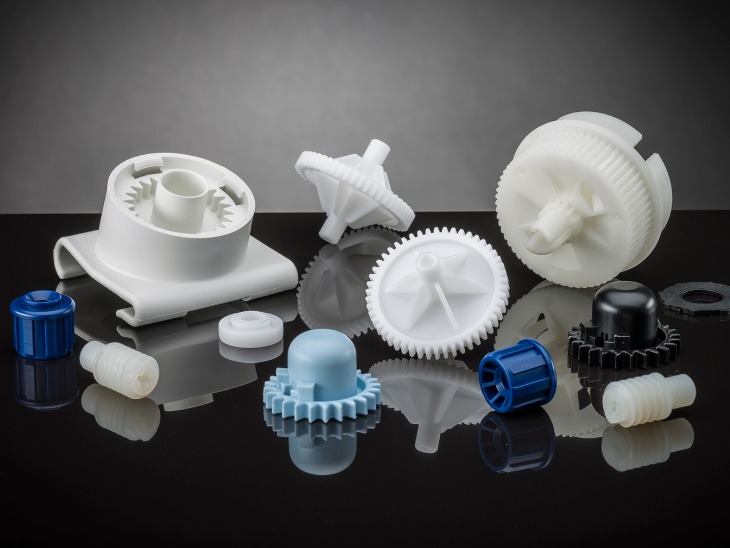
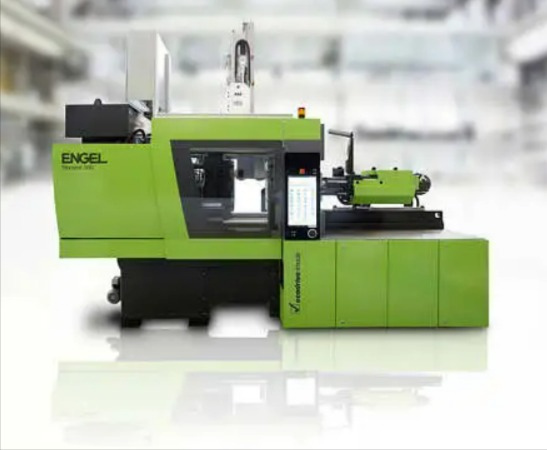
Have you ever held a smartphone case and wondered how it got its perfect shape? Or looked at a car dashboard and noticed how every curve fits just right? That precision comes from injection molding—a process that transforms tiny plastic pellets into finished products we use daily.
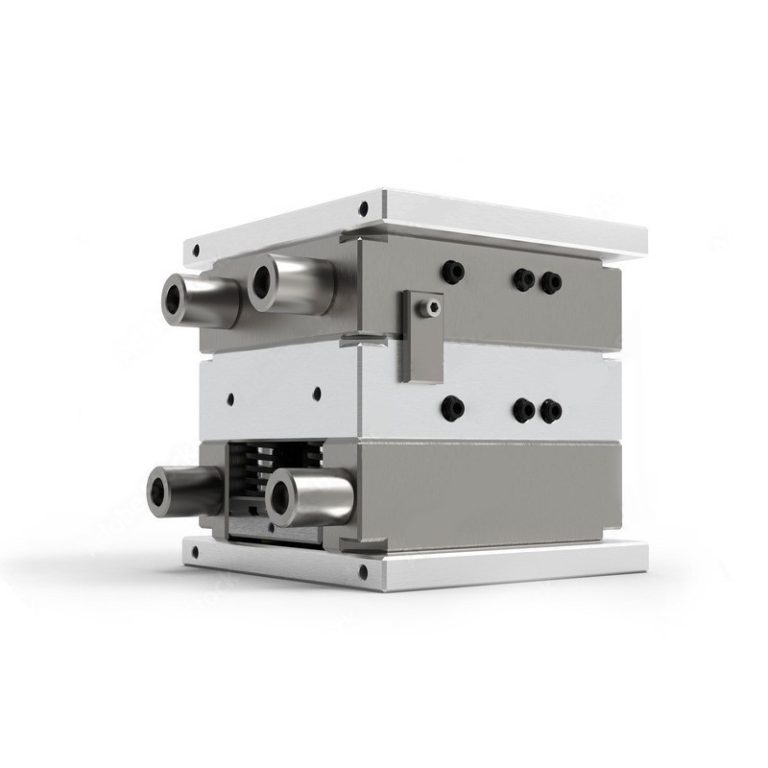
Injection molding works by melting plastic and forcing it into a carefully shaped mold under high pressure. Once cooled, the plastic takes the exact shape of that mold. The result? Consistent, high-quality parts produced by the thousands.
This guide walks you through how this process creates brilliant products. We’ll explore mold design, material selection, and the key settings that separate average parts from exceptional ones. Whether you’re new to manufacturing or looking to improve your current process, you’ll find practical insights here.
How Does the Injection Molding Process Work?
The process follows six distinct stages. Each one affects the final product’s quality.
Step 1: Material Preparation
The journey starts with plastic pellets—small granules that look like tiny beads. Workers load these into a hopper that feeds the machine.
Quality matters from the start. Contaminants ruin parts. Moisture causes bubbles and surface defects. Some plastics, like nylon or polycarbonate, require pre-drying to remove moisture. Additives—colorants, fillers, or reinforcing agents—can be mixed in at this stage to give the material specific properties.
Step 2: Heating and Melting
The pellets move into a heated barrel. A screw pushes them forward while heating elements raise the temperature.
Different plastics melt at different temperatures:
- Polyethylene (PE) : 110–130°C
- Polycarbonate (PC) : 220–230°C
Temperature control is critical. Too low, and the plastic doesn’t melt fully. Too high, and the material degrades—changing its properties and ruining the part.
Step 3: The Injection Phase
Once melted, the plastic is forced into the closed mold. Injection pressure typically ranges from 500 to 2,000 bar.
Injection speed matters too. Fast speeds fill thin-walled parts quickly but can trap air. Slow speeds risk incomplete filling. The right balance depends on part shape, material type, and mold design.
Step 4: Cooling and Solidification
The mold contains cooling channels. Coolant—usually water—circulates through them, drawing heat away from the plastic.
Cooling time varies widely. A thin plastic cup may cool in seconds. A thick automotive component may need several minutes.
Shrinkage happens during cooling. Crystalline plastics like polypropylene shrink more than amorphous plastics like ABS. If cooling isn’t uniform, warping or internal stresses can occur.
Step 5: Opening the Mold and Retrieving the Product
The mold opens once the part is solid enough. Ejector pins push the finished product out.
Care is essential here. Too much ejection force can leave marks or even break delicate parts. For complex items, air ejection or hydraulic systems provide gentler removal.
Step 6: Post-Processing
Some parts need extra work after molding. Common steps include:
- Flash removal: Trimming excess plastic that leaked into mold parting lines
- Surface finishing: Painting, plating, or texturing
- Assembly: Joining multiple components
- Testing: Verifying quality and function
What Key Factors Determine Product Brilliance?
Great products don’t happen by accident. Three factors separate exceptional parts from mediocre ones.
Precision Mold Design
The mold acts as the sculptor’s form. Its design determines every dimension and surface detail.
For small electronic connectors, tolerances can be as tight as ±0.01 mm. A high-precision mold achieves that. A poorly designed mold creates flash, sink marks, and warping.
Surface finish also matters. A smooth mold cavity produces smooth parts. For cosmetic packaging, a mirror-like finish is often required. Modern machining techniques—high-speed milling and electrical discharge machining (EDM) —create these complex shapes and fine finishes.
Selection of High-Quality Materials
Choosing the right plastic is fundamental. Each material offers different properties:
| Material | Key Properties | Common Applications |
|---|---|---|
| Polyethylene (PE) | Chemical resistance, flexibility, low cost | Bottles, plastic bags, toys |
| Polypropylene (PP) | Fatigue resistance, chemical resistance | Living hinges, containers |
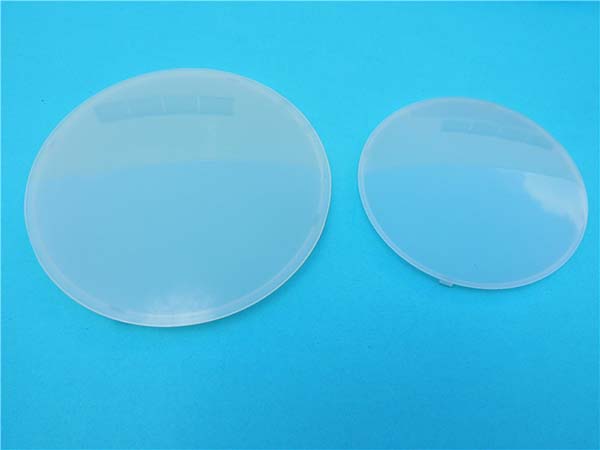
| Polycarbonate (PC) | Impact resistance, clarity, heat resistance | Lens covers, safety goggles |
| ABS | Toughness, dimensional stability | Electronics housings, automotive parts |
Flow characteristics matter too. Materials with good flow fill complex molds easily. But too much flow can cause short shots. Some applications need glass fiber-reinforced plastics for added strength and stability—common in aerospace and automotive parts.
Optimal Process Parameters
Temperature, pressure, and time must be dialed in precisely.
Temperature control applies at multiple points:
- Barrel temperature affects melting
- Mold temperature affects cooling uniformity
Higher mold temperatures reduce warping but increase cycle time. Thin-walled parts may need lower mold temperatures for faster cooling.
Injection pressure and speed must balance filling completeness with part quality. Too much pressure causes flash. Too little leaves parts incomplete.
Holding pressure and time compensate for shrinkage during cooling. If holding pressure is too low or too short, sink marks appear.
What Does a Real-World Success Story Look Like?
Consider a manufacturer producing automotive interior trim. The parts needed:
- A textured surface matching the vehicle’s interior
- Tight dimensional tolerances for assembly
- Consistent color across thousands of parts
The initial mold had cooling issues. Parts came out with slight warping—barely visible but enough to affect assembly fit. Cycle times ran long because operators waited extra time to compensate.
The team made three changes:
- Redesigned cooling channels to circulate water more evenly
- Adjusted holding pressure to account for material shrinkage
- Added sensors to monitor mold temperature in real time
Results: warping dropped by 90%. Cycle time reduced by 25%. Scrap rate fell from 8% to under 2%. The client received consistent parts that assembled correctly every time.
How Do You Avoid Common Defects?
Defects happen. Knowing what causes them helps you prevent them.
| Defect | Cause | Prevention |
|---|---|---|
| Flash | Poor mold closure or excessive pressure | Check mold fit; reduce injection pressure |
| Sink marks | Insufficient holding pressure or time | Increase holding pressure or duration |
| Warping | Uneven cooling or internal stress | Balance cooling channels; optimize mold temperature |
| Short shot | Incomplete filling | Raise melt temperature; increase injection pressure |
| Bubbles | Moisture in material or trapped air | Pre-dry material; add vents to mold |
Why Does Injection Molding Dominate Modern Manufacturing?
Injection molding offers advantages few other processes can match.
Efficiency: Once the mold is made, cycle times run seconds to minutes. A single machine can produce tens of thousands of parts per day.
Precision: Tolerances down to ±0.01 mm are achievable. Parts come out identical, cycle after cycle.
Versatility: The same process works for tiny medical components and large automotive panels.
Cost-effectiveness: High volumes drive per-unit costs down dramatically. A part costing $5 to machine might cost $0.50 when injection molded at scale.
About 50% of all plastic parts worldwide are produced through injection molding. From consumer electronics to medical devices, this process underpins modern manufacturing.
Conclusion
Injection molding creates brilliant products through a combination of precision, consistency, and smart process control. The mold shapes every detail. The material provides the right properties. The process parameters—temperature, pressure, timing—determine whether those parts meet specifications or fall short.
When all three align, the results speak for themselves. Parts with clean surfaces, accurate dimensions, and reliable performance. Thousands of them, identical, ready for assembly.
Understanding this process helps you make better decisions—whether you’re designing a new product, troubleshooting an existing line, or simply curious about how everyday items come to life.
FAQ
What types of products can be made with injection molding?
Almost any plastic product with consistent shape and volume. Common examples include automotive parts, electronic housings, medical devices, toys, kitchenware, and packaging containers. The process works for both small components and large panels.
How much does an injection mold cost?
Mold costs range from $5,000 for simple single-cavity molds to $50,000 or more for complex multi-cavity molds with moving cores and slides. The cost spreads across production volume, making per-unit costs low at scale.
How long does the injection molding cycle take?
Cycle time depends on part size and material. Small, thin parts may take 10–30 seconds. Large, thick parts can take 2–5 minutes. Cooling time often dominates the cycle.
What is the difference between thermoplastic and thermoset in injection molding?
Thermoplastics can be melted and re-melted multiple times. Most common plastics—polyethylene, polypropylene, ABS—fall into this category. Thermosets undergo a chemical change during molding and cannot be re-melted. They offer higher heat resistance but require different processing.
How do I prevent warping in injection molded parts?
Warping usually comes from uneven cooling or internal stress. Balance cooling channel placement, maintain consistent mold temperature, and ensure adequate holding pressure during packing. Annealing parts after molding can also relieve residual stress.
Contact Yigu Technology for Custom Manufacturing
At Yigu Technology, we specialize in custom injection molding for plastic and metal components. Our team brings years of hands-on experience across automotive, electronics, medical, and consumer goods industries. We handle everything from mold design to production optimization—delivering parts that meet your exact specifications. Whether you need a new product developed or an existing line improved, contact us today to discuss your project.