Introduction
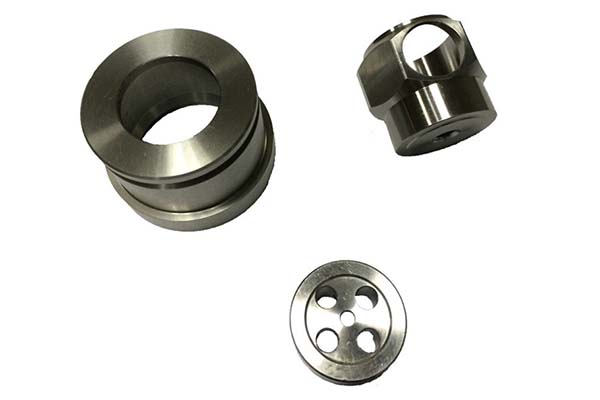
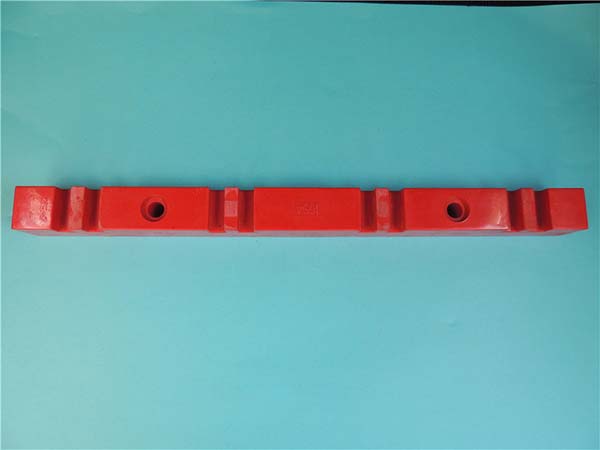
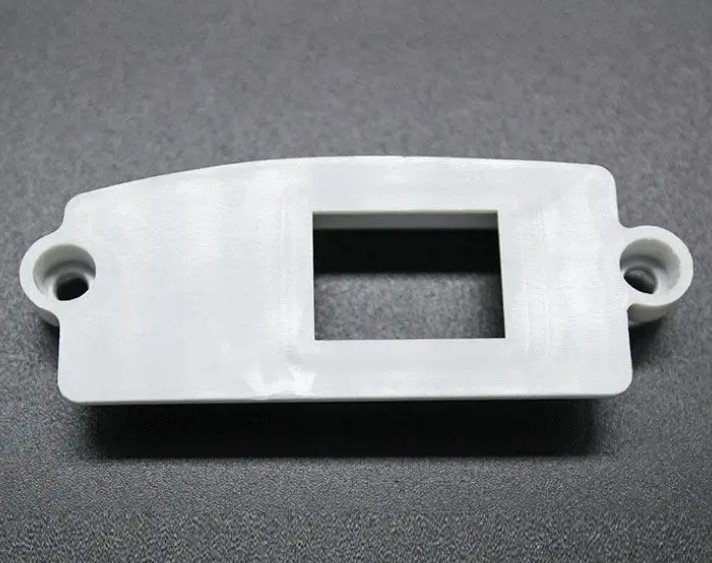
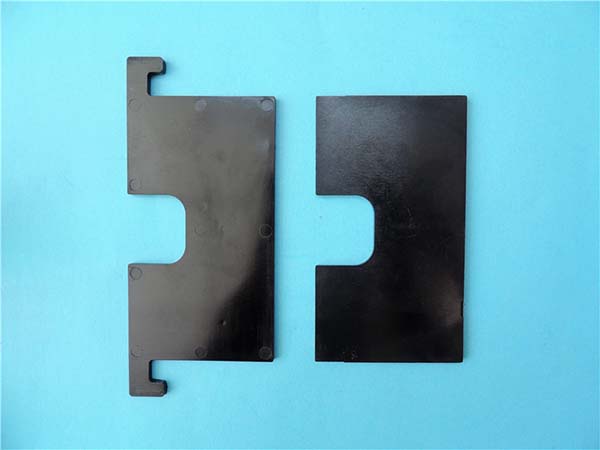
CNC machining of acetal (Delrin) is a staple in manufacturing high-performance parts, yet it comes with its own set of hurdles. Manufacturers often grapple with achieving consistent surface finishes due to acetal’s low friction, managing tool wear from its high crystallinity, and preventing dimensional shifts caused by heat during machining. This guide addresses these pain points, offering expert strategies to master CNC machining acetal (Delrin) —from material properties and tool selection to machining parameters, applications, and quality control.
What Are the Key Material Properties of Acetal (Delrin)?
Acetal, commonly known by the brand name Delrin and chemically as Polyoxymethylene (POM), is a high-performance engineering plastic with a unique blend of properties.
Property Comparison: Acetal vs. Nylon 6 vs. Polycarbonate
| Property | Acetal (Delrin) | Nylon 6 | Polycarbonate |
|---|---|---|---|
| Tensile strength | 60 – 70 MPa | 45 – 60 MPa | 65 – 70 MPa |
| Hardness (Shore D) | 80 – 85 | 75 – 80 | 80 – 85 |
| Impact resistance | 25 – 30 kJ/m² | 20 – 25 kJ/m² | 60 – 75 kJ/m² |
| Max service temp | 100°C | 80°C | 120°C |
| Density | 1.41 – 1.43 g/cm³ | 1.12 – 1.15 g/cm³ | 1.20 – 1.22 g/cm³ |
| Moisture absorption | <0.2% | 1.5 – 2.5% | 0.1 – 0.2% |
Key Characteristics
| Property | Description | Machining Implication |
|---|---|---|
| Tensile strength | 60–70 MPa | Suitable for load-bearing parts |
| Hardness | 80–85 Shore D | Rigidity without brittleness |
| Chemical resistance | Resists oils, greases, aliphatic solvents | Damaged by strong acids, oxidizing agents |
| Thermal properties | Melting point 165–175°C; continuous use up to 100°C (120°C short-term) | Heat management required during machining |
| Impact resistance | 25–30 kJ/m²—outperforms nylon in low-temperature environments | Durable for mechanical components |
| Dimensional stability | Low moisture absorption (<0.2%) | Critical for parts requiring tight tolerances |
What CNC Machining Processes Work for Acetal?
| Process | Description | Applications |
|---|---|---|
| Milling | 3-axis for most parts; 5-axis for intricate geometries | Complex 3D shapes, slots, holes |
| Turning | Cylindrical parts with high accuracy | Shafts, bushings |
| Drilling | Sharp bits prevent cracking | Thin sections |
| Cutting | CNC routers with optimized speeds | Shearing Acetal sheets for clean edges |
Machining centers with high-speed spindles reduce heat buildup. CAM software (Mastercam, Fusion 360) enables precise toolpath generation optimized for acetal’s properties.
What Tooling Is Best for Acetal Machining?
| Tool Factor | Recommendation | Why |
|---|---|---|
| Tool material | Carbide tools (Grade K10) for high-volume; TiAlN-coated carbide extends tool life 30–40% | Wear resistance; high crystallinity causes tool wear |
| Low-volume alternative | HSS tools | Requires frequent sharpening |
| End mills | 2-flute for chip evacuation; 4-flute for finer surface finishes | Helix angle 30–45° improves chip flow |
| Drills | 118° point angle; polished flutes | Prevents chip clogging; reduces cracking risk |
| Reamers | Carbide reamers | Tolerances of ±0.002 mm |
| Tool geometry | Sharp edges (radius <0.02 mm); balanced flute count | Minimizes material deformation; balances chip removal and surface quality |
| Tool coatings | TiN | Reduces friction; prevents heat buildup that can warp acetal |
What Machining Techniques and Parameters Are Optimal?
| Parameter | Milling | Turning |
|---|---|---|
| Cutting speed | 150 – 250 m/min | 100 – 200 m/min |
| Feed rate | 0.1 – 0.2 mm/tooth | 0.1 – 0.15 mm/rev |
| Depth of cut (roughing) | 1 – 3 mm | 1 – 3 mm |
| Depth of cut (finishing) | 0.1 – 0.5 mm | 0.1 – 0.5 mm |
| Spindle speed | 3000 – 6000 RPM | 1000 – 3000 RPM |
Toolpath Strategies
| Strategy | Benefit |
|---|---|
| Climb milling | Reduces tool wear compared to conventional milling |
| Consistent chip load (0.01–0.03 mm/tooth) | Prevents chip buildup |
| Regular tool wear monitoring | Replace when edges dull to avoid surface defects |
Heat management: Higher cutting speeds risk heat-induced warping. Use sharp tools, optimized feed rates, and coolants (air or light oil) to prevent dimensional shifts.
Where Is CNC Machined Acetal Used?
| Industry | Applications | Why Acetal? |
|---|---|---|
| Automotive | Fuel system components, door lock mechanisms, gearshift knobs | Wear resistance; chemical tolerance |
| Mechanical components | Bearings, bushings, gears | Low friction; dimensional stability |
| Medical devices | Non-implantable tools—surgical instrument handles | Chemical resistance; easy sterilization |
| Electrical insulators | Terminal blocks, switch components | Electrical insulation properties |
| Consumer products | Zippers, toy parts, appliance components | Durability; low cost |
| Prototyping | Functional prototypes | Machinability; test form and fit before production |
How Is Quality Control and Surface Finishing Achieved?
Quality Control
| Method | Purpose | Achievable Value |
|---|---|---|
| Micrometers, calipers | Dimensional accuracy | Tolerances as tight as ±0.005 mm |
| CMM (Coordinate Measuring Machine) | Complex geometry verification | Ensures specifications met |
| Surface roughness testing | Finish verification | Ra 0.4 – 0.8 μm achievable |
Surface Finishing
| Method | Result | Applications |
|---|---|---|
| Polishing (800–1200 grit) | Mirror finish (Ra <0.2 μm) | Aesthetic parts |
| Deburring | Removes sharp edges | Safety-critical—consumer products, medical devices |
| Coating | Rarely needed; requires priming due to low surface energy | Optional for specific requirements |
Standards: Adhering to ISO 9001 ensures consistent quality, with process controls monitoring cutting parameters and tool wear to prevent defects.
What Is Yigu Technology’s Perspective?
At Yigu Technology , we specialize in CNC machining acetal (Delrin) for high-performance applications. Our expertise includes:
- Tooling: Carbide tools (Grade K10; TiAlN-coated for 30–40% longer life); 2-flute end mills for chip evacuation; helix angles 30–45°.
- Parameters: Cutting speeds 150–250 m/min (milling), 100–200 m/min (turning); feed rates 0.1–0.2 mm/tooth; climb milling strategy.
- Quality control: CMM inspection; surface roughness testing (Ra 0.4–0.8 μm); dimensional accuracy ±0.005 mm.
- Applications: Automotive fuel system components, gears, bushings, medical device handles, electrical insulators.
We tailor our approach to maximize acetal’s strengths—delivering reliable, cost-effective solutions for high-volume gears or custom medical components.
Conclusion
CNC machining acetal (Delrin) requires understanding its unique properties and applying tailored strategies. Acetal offers tensile strength 60–70 MPa , hardness 80–85 Shore D , impact resistance 25–30 kJ/m² , and low moisture absorption (<0.2%) —providing exceptional dimensional stability. Optimal machining parameters include cutting speeds 150–250 m/min (milling), 100–200 m/min (turning), carbide tools (Grade K10; TiAlN-coated extends tool life 30–40%), and climb milling to reduce tool wear. Achievable tolerances: ±0.005 mm with proper setup; surface finishes Ra 0.4–0.8 μm (mirror finish Ra <0.2 μm with polishing). Applications span automotive (fuel system components, gearshift knobs), mechanical (bearings, gears), medical (surgical instrument handles), electrical (terminal blocks), and consumer products. With proper tool selection, optimized parameters, and rigorous quality control, acetal delivers precision, durability, and dimensional stability in high-performance parts.
FAQs
How does acetal (Delrin) compare to nylon in machining?
Acetal machines more cleanly than nylon, produces less dust , and holds tighter tolerances due to lower moisture absorption (<0.2% vs. nylon’s 1.5–2.5%). Nylon offers better impact resistance at low temperatures, but acetal is preferred for precision, dimensional stability, and chemical resistance.
Can acetal be used in food-contact applications?
Yes. Food-grade acetal (compliant with FDA 21 CFR 177.2470) is safe for food-contact parts—conveyor components, packaging machinery, and food processing equipment.
What causes acetal parts to warp during machining?
Warping is typically caused by uneven heat distribution from excessive cutting speeds or dull tools. Prevent by using sharp tools, optimizing feed rates, and applying coolants (air or light oil) to dissipate heat and maintain dimensional stability.
Contact Yigu Technology for Custom Manufacturing
At Yigu Technology , we combine deep material knowledge with advanced CNC machining to deliver precision acetal (Delrin) components. Our 3-axis, 4-axis, and 5-axis CNC machines are equipped with carbide tools (K10; TiAlN-coated) and optimized parameters (cutting speeds 150–250 m/min; climb milling) to achieve tolerances as tight as ±0.005 mm and surface finishes Ra 0.4–0.8 μm . From automotive gears to medical device components, we provide DFM feedback to optimize your designs for manufacturability.
Ready to machine your next acetal project? Contact Yigu Technology today for a free consultation and quote. Let us help you achieve precision, durability, and dimensional stability in every component.