Introduction
In product development, the gap between digital design and mass production is where risks hide. A design that looks perfect on screen may fail under real-world stress, heat, or wear. Machined prototypes bridge this gap. They are physical models created through subtractive manufacturing—CNC machining, milling, turning—that deliver production-grade materials, tight tolerances, and functional performance. From aerospace components to medical implants, machined prototypes enable engineers to validate designs, optimize processes, and reduce mass production risks. At Yigu Technology, we produce machined prototypes daily. This article explores how they empower industrial innovation across core processes, materials, advantages, and applications.
What Are Machined Prototypes?
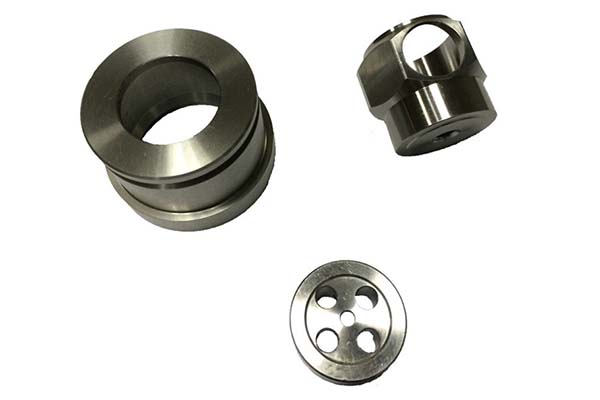
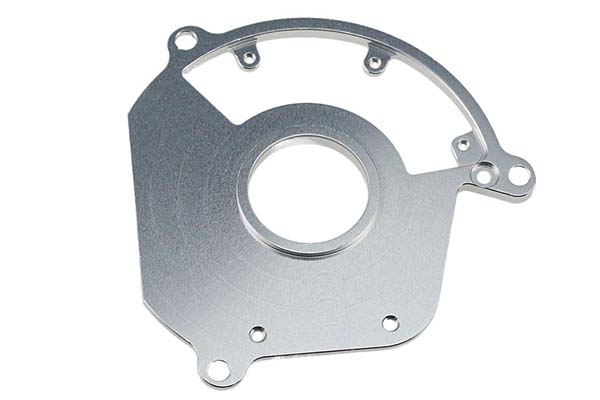
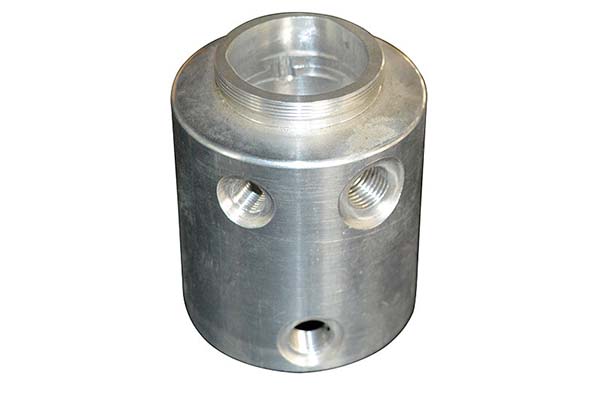
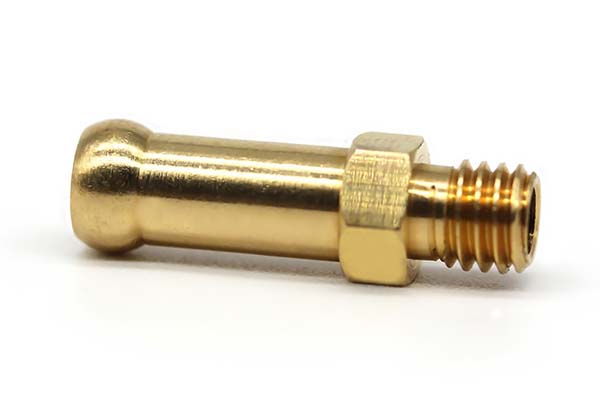
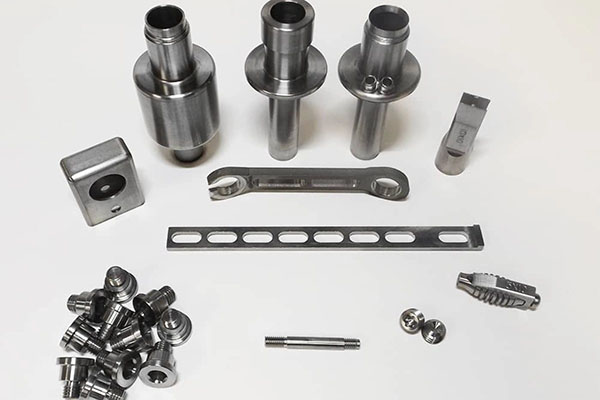
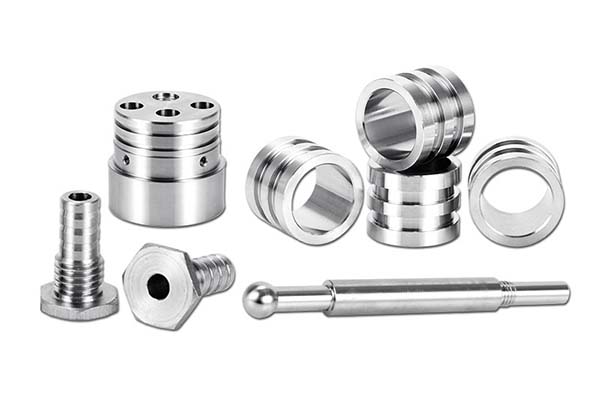
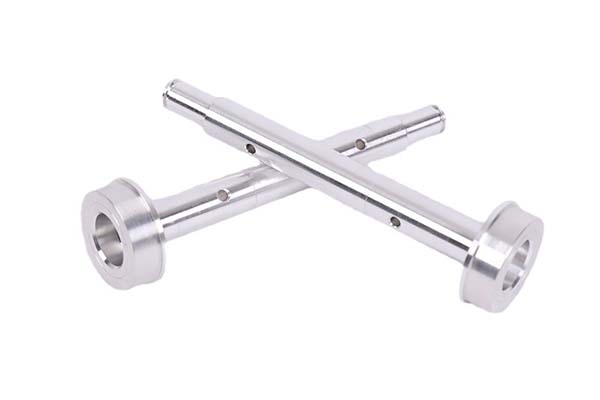
Machined prototypes are physical models created through subtractive manufacturing processes—CNC machining, milling, turning, and grinding—where material is removed from a solid block to achieve the desired shape.
Unlike additive methods (3D printing) that build layer by layer, machining starts with a solid block of production-grade material. The result is a prototype with:
- Production-grade material properties: Same strength, density, and behavior as final parts
- Tight tolerances: As precise as ±0.001 inches (±0.025 mm)
- Excellent surface finish: Ra as low as 0.8 μm after finishing
- Functional test capability: Withstands real-world stress, heat, and wear
What Are the Core Processes and Technologies?
CNC Machining
CNC machining is the core technology for machined prototypes. Computer-controlled machine tools perform cutting, drilling, and milling operations with high automation and precision.
Example: An auto parts company used CNC machining to create a gearbox prototype with machining errors controlled within ±0.005 mm, shortening the R&D cycle by 30%.
Milling and Turning
| Process | Description | Best For |
|---|---|---|
| Milling | Rotating cutter removes material | Complex contours, planes, grooves, pockets |
| Turning | Workpiece rotates; stationary cutter removes material | Shafts, discs, cylindrical parts |
Example: In aerospace prototyping, milling machines blade contours while turning machines shaft end structures—meeting high precision requirements.
5-Axis Machining
For complex surface prototypes, 5-axis machining enables multi-directional linkage cutting, avoiding secondary clamping errors.
Impact: Prototype pass rate is 40% higher than traditional 3-axis machining—critical for precision applications like medical implants.
Rapid Prototyping Machining
Combines CAD/CAM programming to quickly convert designs into physical prototypes. Modern software automatically optimizes cutting paths, increasing efficiency by 25% while reducing material waste.
Key Quality Indicators
| Indicator | Standard | High-Precision | Impact |
|---|---|---|---|
| Machining tolerances | ±0.01 mm | ±0.001 mm | Precision instrument gear prototypes: 15% increase in transmission efficiency |
| Surface finish (Ra) | As low as 0.8 μm | After grinding/polishing | Surgical instrument: 2x longer life after high-precision surface treatment |
What Materials Are Used and Where?
Common Prototype Materials
| Material Type | Representative Materials | Core Features | Applications |
|---|---|---|---|
| Aluminum | 6061, 7075 | Lightweight, easy to machine, low cost | Auto parts, electronic housings |
| Stainless steel | 304, 316 | High strength, corrosion resistance | Medical equipment, industrial valves |
| Plastics | POM, nylon, ABS | Wear resistance, toughness, dimensional stability | Gears, structural parts, enclosures |
| Composites | Carbon fiber reinforced plastic | High strength, lightweight | Aerospace components |
Industry Applications
Aerospace prototypes:
- Materials: Titanium alloy, stainless steel, high-strength composites
- Process: 5-axis machining for complex structural parts
- Example: Titanium alloy engine blade prototype withstands 1200°C in strength testing—meeting high-altitude flight requirements.
Automotive prototypes:
- Aluminum prototypes: Body structures for lightweight advantage
- Cast iron: Engine block prototypes for wear resistance
- Example: New energy vehicle battery tray prototype showed 20% structural strength improvement over traditional design in crash testing.
Medical device prototypes:
- Materials: Stainless steel, titanium alloys—biocompatible, corrosion-resistant
- Example: Artificial joint prototypes precision-machined to match human bone structure; clinical trials show >98% implantation success rate.
Functional testing:
- Material selection based on test needs
- High-strength plastics for impact testing
- High-temperature alloys for thermal testing
- Example: Electronics company connector prototype—after comparative testing, POM material solved mating life issues.
Core Principles of Material Selection
| Principle | Consideration |
|---|---|
| Match production materials | Ensure test results are relevant to final product |
| Balance difficulty and cost | Prioritize machinable, cost-effective materials |
| Consider test environment | Select weather-resistant materials for high-temperature, corrosive environments |
Why Choose Machined Prototypes?
Core Advantages
| Advantage | Description | Impact |
|---|---|---|
| High-strength prototypes | Good material density; mechanical properties close to mass-produced parts | Metal machined prototypes: 30–50% higher tensile strength than 3D printed prototypes |
| Tight tolerance prototypes | ±0.001 mm achievable | Essential for precision part design verification |
| Low-volume production | Process can be directly migrated to low-volume mass production | No additional equipment or setup required |
Machined Prototypes vs. 3D Printing
| Factor | Machined Prototypes | 3D Printing |
|---|---|---|
| Strength | High—production-grade materials | Lower—limited by layer adhesion |
| Precision | ±0.001–0.01 mm | ±0.05–0.5 mm |
| Materials | Wide—metals, engineering plastics | Limited to printable materials |
| Best for | Functional testing, precision parts | Complex geometries, rapid iteration |
Example: Automotive engine piston prototyping—machined metal prototypes accurately simulate actual working conditions; 3D printed plastic prototypes cannot withstand high-temperature, high-pressure tests.
Design Considerations
Design for Manufacturability (DFM):
- Consider machinability from the start
- Avoid overly complex internal structures
- Reserve reasonable machining allowances
Example: An appliance company’s enclosure prototype—initial design did not consider milling paths. After DFM optimization, machining cycles increased by 50% .
Rapid tooling:
- For prototypes requiring repeated testing, simple tooling improves efficiency
- Example: Mobile phone frame prototyping—custom tooling reduced machining time from 2 hours to 40 minutes per piece.
Design verification:
- Assemble and test machined prototypes to detect design defects early
- Example: Robotics company joint prototype—testing revealed tolerance issues in bearing mounting holes; design was adjusted before mass production, avoiding major losses.
What Is the Complete Process?
Machined Prototype Workflow
| Stage | Description |
|---|---|
| 1. Requirements communication | Clarify dimensions, material, accuracy requirements; review CAD feasibility |
| 2. CAD/CAM programming | Write machining programs; plan cutting paths; select tools and parameters |
| 3. Raw material preparation | Source materials; prepare for machining |
| 4. Machining | CNC machining, milling, turning, etc. |
| 5. Post-processing | Deburring, heat treatment, surface treatment (anodizing, painting) |
| 6. Quality inspection | CMM, hardness testing; verify tolerances, surface finish, mechanical properties |
| 7. Delivery and feedback | Deliver prototypes; collect testing feedback; adjust for secondary processing |
Service Models
| Model | Description | Best For |
|---|---|---|
| Rapid prototyping service | 3–7 day delivery | Urgent R&D projects |
| On-demand machining | Small batches, customized orders | Flexible R&D progress |
| Contract machining | Long-term agreements; one-stop from design to mass production | Long-term R&D projects |
Example: An electronics company completed 30 product shell prototypes within 5 days through rapid prototyping services—ensuring a smooth product launch.
Yigu Technology's Perspective
As a custom manufacturer of non-standard plastic and metal products, Yigu Technology views machined prototypes as the “touchstone” of industrial innovation.
What we see:
- High-precision, high-performance physical prototypes help enterprises avoid risks and optimize designs in early R&D stages
- Technology is accelerating: 5-axis machining, AI-assisted programming improve efficiency and accuracy
- Materials science advances enable prototypes to better simulate mass-produced product performance
Our advice:
- Prioritize suppliers with technical strength, case experience, and service responsiveness
- Focus on collaboration between design and manufacturing to maximize R&D enablement
Future outlook: With Industry 4.0, machined prototypes will integrate with digital twins and virtual testing—providing even more efficient solutions for manufacturing innovation.
Conclusion
Machined prototypes empower industrial innovation by delivering:
- Production-grade materials: Same properties as final parts
- Tight tolerances: ±0.001–0.01 mm for precision verification
- High strength: 30–50% higher tensile strength than 3D printed prototypes
- Functional testing capability: Withstands real-world stress, heat, wear
Key applications:
- Aerospace: Titanium alloy engine blades, 5-axis machined structural parts
- Automotive: Aluminum body structures, battery trays with 20% improved strength
- Medical: Artificial joints with >98% implantation success rate
- Functional testing: Material selection based on test environment
Design principles:
- Design for manufacturability (DFM) from the start
- Use rapid tooling for repeated testing
- Validate through assembly and performance testing
For engineers, R&D teams, and manufacturers seeking functional, high-precision prototypes that accurately represent final products, machined prototypes are the essential bridge between concept and reality.
Frequently Asked Questions
What is the typical lead time for a machined prototype?
Conventional prototypes: 3–7 days. Complex structures or high-precision requirements: 10–15 days. Depends on processing difficulty and material preparation time.
Does a machined prototype cost more than 3D printing?
For small batches (1–10 units) of simple structures, 3D printing is cheaper. For batches >50 units or prototypes requiring high precision and strength, machining offers better cost-effectiveness. Metal machined prototypes also have 30–50% higher tensile strength than 3D printed counterparts.
What materials are not suitable for machined prototypes?
Ceramic materials with extremely high hardness and some composites with excessive toughness are difficult and costly to machine. These are better suited for 3D printing or other molding methods.
Can machined prototypes be used directly for mass production?
Simple structures and small-batch prototypes can be used directly as mass production parts. Complex products still require adjustment and optimization based on mass production processes.
How can I ensure the quality of my machined prototype?
Choose qualified suppliers. Clarify quality indicators (tolerances, surface finish, etc.). Require inspection reports (CMM, hardness testing). Conduct sampling tests if necessary.
Contact Yigu Technology for Custom Manufacturing
At Yigu Technology, we specialize in machined prototypes and custom manufacturing. Our capabilities include CNC machining, 5-axis machining, milling, turning, and surface finishing. We serve aerospace, automotive, medical, and industrial clients.
If you need functional, high-precision prototypes for design validation or testing, contact our engineering team. Let us help you bridge the gap between concept and reality—with precision, quality, and speed.