Introduction
In modern manufacturing, processing capability is not just about making parts—it is about making them better, faster, and more cost-effectively than the competition. Whether it is precision components for aerospace, customized enclosures for consumer electronics, or high-volume production for the automotive industry, machining advantages directly determine product quality, production efficiency, and market responsiveness.
Have you ever wondered why some manufacturers can produce high-precision parts consistently while others struggle with size deviations? Or why certain factories deliver small-batch orders in days while others take weeks to change over production lines? The answers lie in four core dimensions of machining advantage: core technology, efficiency, cost-effectiveness, and process flexibility. This article breaks down each dimension with real-world cases and practical data, helping you identify the key paths to improving your production competitiveness.
What Core Technical Advantages Drive Precision?
High-Precision Machining
High-precision machining refers to processes that achieve accuracy at the 0.001mm level. This capability is critical for applications where even tiny errors can cause failure.
In aerospace, engine blade accuracy directly affects flight safety. One aviation manufacturer adopted five-axis high-precision machining and reduced blade size errors to ±0.003mm. Their product qualification rate jumped from 82% to 99.7%.
For electronics, micro-components demand similar precision. A micro-gear inside a smartphone camera module measures just 2mm in diameter. Its tooth pitch error must stay within 0.002mm. Without high-precision machining, such parts simply cannot be made.
High Repeatability
Repeatability means producing identical results across thousands or even millions of parts. This is the foundation of mass production.
An automotive company producing engine pistons used machining equipment with a closed-loop feedback system. Over 100,000 consecutive parts, the size deviation stayed within ±0.005mm. Their assembly qualification rate reached 99.9%, well above the industry average of 95%.
This consistency comes from standardized processes and automated compensation. Even when operators change or equipment stops and restarts, production remains stable.
Complex Geometry Machining
Curved surfaces, internal cavities, and irregular shapes that challenge traditional methods become manageable with advanced machining.
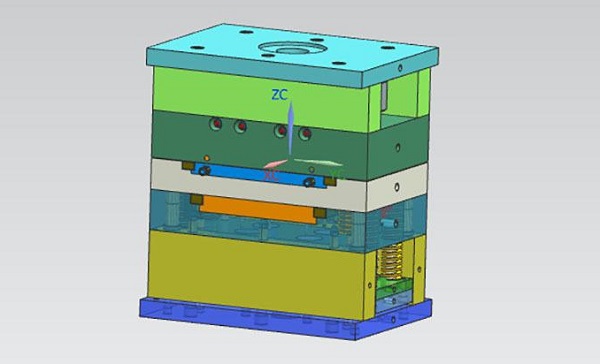
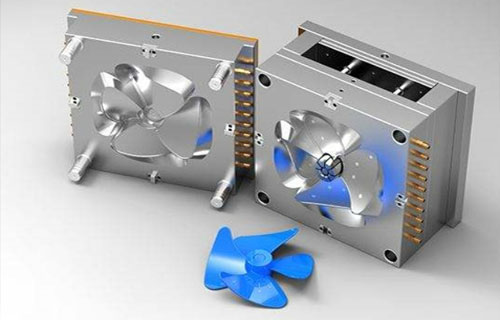
A mold manufacturer needed to produce injection molds with spiral internal runners just 5mm in diameter. By combining electrical discharge machining (EDM) with five-axis milling, they achieved precise runner formation. Mold production efficiency increased by 40%, and injection molding pass rates rose by 35%.
In medical applications, artificial joints require curved surfaces that match human bone structure. Using 3D scanning plus five-axis machining, manufacturers now achieve 98% anatomical fit, reducing post-surgery complications.
Excellent Surface Finish
Surface finish affects both appearance and performance. Parts with roughness of Ra ≤ 0.8μm have lower friction and better corrosion resistance.
For optical lenses, ultra-precise grinding and polishing achieve Ra ≤ 0.01μm. This ensures light refraction remains accurate, improving image clarity.
A medical device company improved surgical instrument finishes from Ra1.6μm to Ra0.4μm. The result was less bacterial residue and reduced tissue adhesion during surgery. Market acceptance improved significantly.
Tight Tolerance Control
Tolerance control ensures that actual part dimensions stay within the allowed range. For precision instruments, exceeding ±0.01mm on gear sets can cause binding and failure.
A precision instrument manufacturer introduced an online inspection system that monitored dimensions in real time. Tolerance control improved from ±0.02mm to ±0.008mm. Operating stability increased by 50%, and after-sales maintenance dropped by 60%.
How Does Efficiency Boost Productivity?
High-Speed Machining
High-speed machining uses increased cutting speeds and feed rates to reduce processing time dramatically.
An automotive company machining engine blocks increased cutting speed from 300m/min to 1200m/min. Single-piece processing time dropped from 45 minutes to 18 minutes. Daily output rose from 800 to 2,000 units.
High-speed machining also reduces cutting forces and heat. For aluminum parts, it generates only one-third of the cutting heat compared to traditional methods, minimizing distortion and rework.
Automation Integration
Automation links machining equipment with robots, conveyors, and inspection systems to create fully automated production lines.
At a 3C product facility, an automated processing line reduced operators per line from 12 to 2. Production efficiency increased by 300%, and defect rates fell from 3% to 0.8%.
For standardized parts, automation enables 24-hour uninterrupted operation. A bearing manufacturer tripled daily capacity while eliminating human fatigue errors.
Reduced Machining Time
Process optimization and multi-step integration cut machining time significantly.
A mechanical parts plant consolidated turning, milling, and drilling into a single process using a multi-tasking machine. Single-piece time dropped from 22 minutes to 8 minutes—a 175% efficiency gain.
Proper machining path planning also saves time. Following sequences like "rough then fine, face then hole" avoids repositioning and idle tool strokes, reducing time by 15–20%.
Multi-Tasking Capability
Multi-tasking equipment performs multiple operations in one setup without changing tools or fixtures.
An electronics manufacturer producing phone frames used a multi-tasking machining center. Milling, drilling, tapping, and chamfering happened in a single clamping cycle. Positioning errors decreased, and product consistency improved by 40%.
For complex aerospace parts, a five-axis turn-mill machine reduced a process requiring five equipment setups and ten clampings to one setup and one clamping. Production cycle time shortened from 15 days to 3 days.
Quick Tool Change Systems
Fast tool changes increase machine utilization by reducing idle time.
Traditional equipment takes 30–60 seconds per tool change. High-speed systems achieve 2–5 seconds. A mold shop adopting rapid tool change increased effective machining time from 75% to 92%. Daily mold output rose from 5 sets to 8 sets.
These systems rely on automatic tool magazines and robotic arms, which also eliminate manual change errors.
What Makes Machining Cost-Effective?
Optimized Material Utilization
Better material use reduces waste and lowers raw material costs.
A steel fabrication plant implemented a computer-aided nesting system. Material utilization increased from 72% to 89%, saving approximately $22,000 per month in steel costs.
For valuable materials like titanium, the savings are even greater. An aerospace company used near-net shaping plus precision cutting to boost material utilization from 35% to 68%, cutting material cost per part by 40%.
Reduced Scrap Rates
Lower scrap rates mean less waste and lower disposal costs.
A hardware factory improved equipment accuracy and optimized cutting parameters. Scrap rates for stamped parts dropped from 8% to 2.5%. Based on daily production of 100,000 units, this reduced monthly scrap by 1.65 tons and saved roughly $11,000 in material and disposal costs.
Reduced Manual Intervention
Automation reduces labor costs and human error.
An automotive parts supplier introduced an automated assembly line. Labor cost share fell from 28% to 12%. Rework caused by human error dropped from 5% to 0.5%, saving about $42,000 per year in rework costs.
For skill-dependent operations, CNC systems with automatic parameter adjustment reduce reliance on experienced machinists. One company cut training costs by 60%.
Energy-Efficient Processing
Dry cutting and minimal lubrication reduce energy use and environmental impact.
A machine shop machining cast iron switched from emulsion cooling to dry cutting. They saved $17,000 annually in coolant procurement and disposal costs while reducing wastewater discharge.
Optimized cutting parameters also save energy. A machine tool company adjusted cutting speed from 800m/min to 1,000m/min and optimized feed rates. Equipment energy consumption dropped by 18%, while machining efficiency increased by 25%. Industry data shows energy-efficient processing reduces energy costs by 15–25%.
Extended Tool Life
Longer tool life reduces consumable costs and changeover downtime.
A mold shop replaced HSS tools with coated carbide tools and optimized cutting parameters. Tool life extended from 8 hours to 24 hours. Tool procurement costs fell by 67%.
A tool wear monitoring system helped another manufacturer replace tools just before failure, avoiding part damage and saving $14,000 annually in scrap losses.
How Does Process Flexibility Adapt to Change?
Multi-Material Processing
Equipment that handles multiple materials reduces the need for dedicated machines.
A 3C processing center machines aluminum, stainless steel, and engineering plastics for phone components. Changeover time is under 30 minutes, meeting demand for varied materials and models.
In electric vehicle manufacturing, battery housings require both aluminum and carbon fiber composite processing. Equipment with multi-material capability reduced production cycles by 40% for one EV company.
Flexible Manufacturing Systems
Flexible systems combine multiple machines, logistics, and controls to adapt quickly to different products.
A custom furniture maker implemented a flexible manufacturing system. They now switch between furniture styles and sizes based on customer orders. Production cycles for customized pieces shortened from 15 days to 3 days. Minimum order quantity can be as low as one unit while maintaining cost efficiency.
For defense contractors with small-batch, high-variety needs, flexible systems cut new product development cycles by 50% and changeover time from 2 days to 4 hours.
Rapid Prototyping
Quickly turning designs into physical samples accelerates development.
A medical device company developing a new surgical instrument produced three sample sets within 72 hours using rapid prototyping. This was 10 days faster than traditional methods, speeding up clinical trials.
A home appliance manufacturer used 3D printing plus precision machining to prototype new air conditioner housings. They identified structural flaws early, avoiding mass production rework and saving about $70,000 in development costs.
Small-Batch Production Advantages
Small-batch capability lets manufacturers meet personalized demand without excess inventory.
A high-end kitchenware company launched a customization service. Customers choose materials, sizes, and patterns. Using flexible processing, they deliver small-batch orders quickly. Year-over-year orders grew by 35%, and inventory turnover improved by 20%.
For cultural products, digital processing enables low-volume customization. One company produces exclusive items for museums and tourist sites with minimum orders of 50 pieces and delivery within 7 days.
Customized Processing
Custom machining provides tailored solutions for specialized customer needs.
An aerospace firm developing satellite components used customized processing to achieve lightweight, high-strength designs. All performance indicators met satellite launch requirements.
A petroleum equipment manufacturer customized drilling tools for deep-sea platforms. By optimizing materials and processes, they improved high-pressure and corrosion resistance, doubling tool service life.
Conclusion
Machining advantages are not just technical specifications—they are strategic assets that determine how competitive a manufacturer can be. The four dimensions covered here work together to create real business value.
Core technical advantages deliver the precision, repeatability, and surface quality that high-performance products demand. Efficiency improvements reduce cycle times and increase throughput, enabling faster delivery. Cost-effectiveness comes from better material utilization, lower scrap, reduced energy use, and longer tool life. Process flexibility allows manufacturers to adapt quickly to changing markets, handle diverse materials, and serve customized orders profitably.
Yigu Technology believes the future of machining lies in intelligent integration. High-precision processing combined with AI-driven inspection, flexible systems connected through industrial internet platforms, and sustainable practices will define the next generation of manufacturing. Companies that invest in these dimensions today will be better positioned to compete tomorrow.
FAQ
What is the difference between high-precision machining and tight tolerance control?
High-precision machining refers to the accuracy of the machining process itself, such as achieving 0.001mm dimensional accuracy. Tight tolerance control is the requirement for how much deviation is allowed between the actual part and the design specification. The former enables the latter. For example, high-precision machining allows you to consistently hold a tolerance of ±0.005mm.
How does small-batch production balance cost and efficiency?
Flexible manufacturing systems reduce changeover time. Multi-tasking equipment consolidates processes. Intelligent nesting optimizes material use. A custom furniture company, for instance, reduced small-batch changeover to 4 hours while improving material utilization through automated nesting, achieving both cost control and efficiency.
Is automation integration suitable for all manufacturers?
Not necessarily. Automation works best for companies mass-producing standardized products like automotive parts or 3C components, where equipment costs can be recovered quickly. For small-batch, high-variety operations, flexible manufacturing systems may be a better starting point than full-process automation.
What factors extend tool life the most?
Key factors include: selecting the right tool material for the workpiece (such as PCD tools for hard metals), optimizing cutting parameters (speed, feed, depth), using appropriate cooling and lubrication, and implementing tool wear monitoring to replace tools before failure.
What value does multi-material processing capability provide?
It reduces equipment investment costs by allowing one machine to handle multiple materials. It shortens changeover time between production runs. And it enables products that integrate different materials—such as phone frames made from aluminum, plastic, and stainless steel—to be manufactured efficiently.
Contact Yigu Technology for Custom Manufacturing
Ready to unlock machining advantages for your production line? Yigu Technology provides custom manufacturing solutions tailored to your precision, volume, and material requirements. From process optimization and equipment selection to full production support, our engineering team helps you achieve consistent, high-quality results. Contact us today to discuss your project.