Introduction
You have a product idea. You have a design. Now you need a partner to turn that design into a physical prototype. The right prototype supplier can accelerate your development, reduce costs, and help you avoid costly mistakes. The wrong one can cause delays, quality issues, and budget overruns. This guide explains why prototype suppliers matter, what factors to evaluate, and how to select a partner that aligns with your project needs.
Why Is a Prototype Supplier So Important?
A prototype supplier plays a pivotal role in product development. They are the bridge between concept and reality.
Validating Product Concepts
Prototype suppliers help businesses validate product concepts. A study by the Product Development and Management Association found that around 40% of new product failures are due to a lack of proper concept validation.
A prototype transforms an abstract idea into a tangible, working model. For a fitness tracker, a prototype allows testing of heart rate monitoring accuracy, battery life, and interface usability. By working with a reliable supplier, you significantly reduce the risk of launching a product that does not meet market needs.
Cost Reduction
Developing a full-scale production line without a prototype is like building a house without a blueprint—extremely risky and costly. Prototyping enables early identification of design flaws, material inefficiencies, and production bottlenecks.
Research from McKinsey & Company shows that fixing issues during the prototype stage can save up to 80% compared to making the same changes during mass production. A car manufacturer discovering a component assembly problem through prototyping can modify the design before investing in expensive manufacturing tools.
Time-to-Market Acceleration
A well-executed prototype allows for quicker decision-making. Instead of months of discussion and speculation, you have a physical or digital model to evaluate, refine, and move forward with. This can shave months off the product development cycle, giving your product a head start over competitors.
What Key Factors Should You Consider?
Selecting the right prototype supplier requires careful evaluation across several dimensions.
Experience and Expertise
Experience matters. A supplier with over 10 years in the industry has likely encountered and overcome a wide range of challenges.
Consider:
- Industries served: A supplier with experience in medical, automotive, and consumer electronics will have diverse skills and understand unique requirements—regulatory compliance for medical devices, performance standards for automotive.
- Types of clients: Working with well-known, high-quality brands indicates capability.
- Track record: Ask about past projects similar to yours.
Range of Services
A comprehensive range of services enables a seamless development process.
| Service | Supplier A | Supplier B | Supplier C |
|---|---|---|---|
| Design (Concept to CAD) | ✓ | ✓ | |
| 3D Printing | ✓ | ✓ | |
| CNC Machining | ✓ | ✓ | ✓ |
| Injection Molding | ✓ | ||
| Testing (Mechanical, Electrical) | ✓ | ✓ |
A supplier offering a broad spectrum—design, multiple manufacturing methods, testing—provides a one-stop-shop experience. This reduces coordination with multiple vendors, ensures better communication, faster turnaround, and potentially lower costs.
Quality Assurance
Quality assurance is non-negotiable. A reliable supplier will have:
- Advanced inspection equipment: Coordinate measuring machines (CMMs) to ensure dimensional accuracy
- Relevant certifications: ISO 9001 indicates international quality management standards
- Integrated quality control: At every stage—material sourcing, in-process inspections, final product inspection
During material inspection, they verify materials meet specifications. In-process inspections catch defects early, preventing costly rework.
Cost-Effectiveness
Cost should not be the sole determinant. Different processes have different price ranges:
| Process | Cost Range | Best For |
|---|---|---|
| 3D Printing | $50–$500 (simple parts) | Small-scale, low-complexity prototypes |
| CNC Machining | $200–several thousand | High-precision parts |
| Injection Molding | $5,000+ (mold setup) | Large-volume production, high initial setup |
Balance cost with quality and turnaround time. A slightly higher-cost supplier delivering high-quality prototypes on time may be better than a cheaper one causing delays or producing subpar parts.
Turnaround Time
Turnaround time significantly impacts your project timeline:
| Method | Typical Turnaround |
|---|---|
| Simple 3D-printed prototype | 3–5 business days |
| Complex CNC-machined prototype | 7–14 business days |
| Injection-molded prototype | 2–4 weeks |
Some suppliers offer expedited services at additional cost. Be cautious—extremely short turnaround times may compromise quality. Ensure the supplier has resources and processes to maintain standards.
What Do Real-World Examples Teach Us?
Case studies reveal the impact of good supplier partnerships.
Consumer Electronics Success
A consumer electronics company developing a new smart home device partnered with a prototype supplier experienced in both hardware and software prototyping.
The supplier created a 3D-printed functional prototype within 7 days, enabling form factor and basic functionality testing. After several refinement rounds based on user feedback, they moved to CNC machining for precise prototypes for further testing.
The final product launched 6 months later, capturing 20% of the emerging smart home device market in the first quarter. The CEO noted: "Our prototype supplier was an integral part of our success. Their speed, expertise, and commitment to quality were evident at every stage."
Medical Device Breakthrough
A medical device startup developing a revolutionary blood glucose monitoring system chose a supplier with in-depth knowledge of medical regulations and materials.
The supplier used advanced injection molding to create a prototype meeting biocompatibility standards. They also provided comprehensive testing—electrical and mechanical.
The startup secured FDA approval within 18 months—significantly faster than the industry average of 2–3 years. The founder commented: "Without our prototype supplier's support, we wouldn't have been able to bring our life-changing product to market so quickly."
How Do You Verify a Supplier’s Capabilities?
Check Certifications
ISO 9001 certification indicates a structured quality management system. For regulated industries, look for:
- IATF 16949: Automotive
- AS9100: Aerospace
- ISO 13485: Medical devices
Review Past Projects
Ask for case studies and reference clients in your industry. Contact these clients for feedback on quality, communication, and reliability.
Request Samples
Ask for samples of their work or visit their facility to observe quality control processes firsthand.
Evaluate Communication
A responsive supplier answers inquiries promptly, provides clear timelines, and offers technical support. Good communication prevents misunderstandings and delays.
How Does Yigu Technology Approach Prototyping?
As a non-standard plastic and metal products custom supplier, Yigu Technology understands the criticality of choosing the right prototype partner—and we strive to be that partner.
We Offer Versatility and Precision
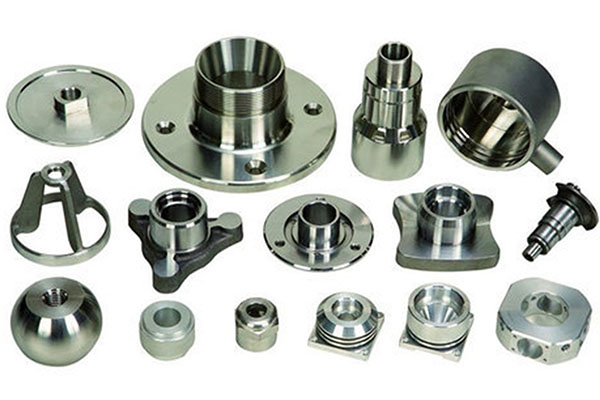
Our facility is equipped with the latest 3D printers, CNC machines, and injection molding equipment. We handle a wide range of projects—from small-scale, highly detailed plastic parts to large-scale metal components.
We Collaborate Closely
We believe in being more than a supplier; we are a partner. From initial concept discussion to final delivery, we maintain open communication. Our experienced engineers provide technical support—suggestions on design optimization, material selection, and cost-effective solutions.
We Ensure Quality
Our strict quality control system ensures every prototype meets the highest standards. We use advanced inspection equipment and maintain relevant certifications.
Conclusion
Choosing the right prototype supplier is a critical decision that impacts your product’s success. Evaluate experience, range of services, quality assurance, cost-effectiveness, and turnaround time. Look for real-world examples and testimonials that demonstrate capability. A good supplier validates concepts, reduces costs, accelerates time-to-market, and becomes a true partner in your development journey.
By taking the time to select wisely, you reduce risk and set your product up for success.
Frequently Asked Questions
How can I be sure the prototype supplier can meet my quality standards?
Check certifications like ISO 9001. Review their past projects and case studies—successful high-precision prototypes for aerospace or medical clients indicate capability. Ask for samples or visit their facility to observe quality control processes. A reliable supplier will be transparent about their quality systems.
What if the prototype supplier exceeds the agreed-upon delivery time?
Refer to the contract—most have clauses for late delivery (penalty fees). Communicate immediately to understand reasons for delay. Work out a new schedule if acceptable. If the delay is unacceptable, consider terminating and seeking compensation per contract terms while finding an alternative supplier.
How do I know if a prototype supplier is experienced in my industry?
Ask for a list of reference clients in your field and contact them. Request case studies of past projects related to your industry. A supplier with relevant experience will be familiar with industry-specific materials, standards, and regulations—which you can verify through discussions with their engineering team.
What is the difference between 3D printing and CNC machining for prototypes?
3D printing is additive—builds parts layer by layer. Cost-effective for small, complex parts. CNC machining is subtractive—removes material from a solid block. Offers higher precision and wider material range, especially metals. Choose based on precision needs, material requirements, and complexity.
How much should I expect to pay for a prototype?
Costs vary widely. Simple 3D-printed parts: $50–$500. CNC-machined parts: $200–several thousand depending on complexity and material. Injection-molded prototypes: $5,000+ for mold setup. Request detailed quotes with breakdowns and balance cost against quality and turnaround time.
Contact Yigu Technology for Custom Manufacturing
Ready to bring your product idea to life with a reliable prototype partner? Yigu Technology offers 3D printing, CNC machining, and injection molding services for plastic and metal prototypes. Our engineers provide design optimization guidance and ensure quality at every stage. Contact us today to discuss your project.