Introduction
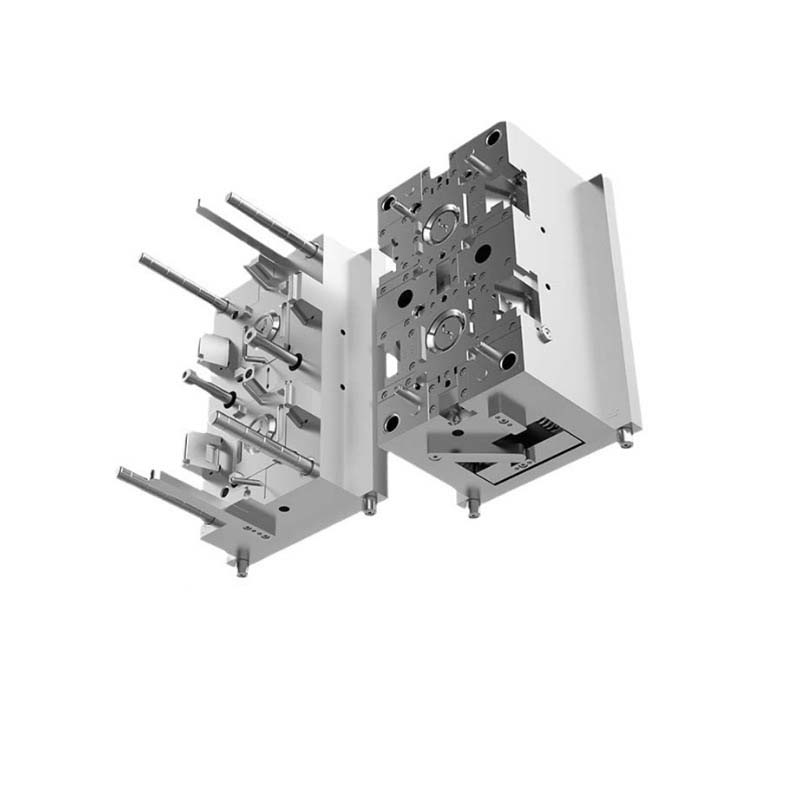
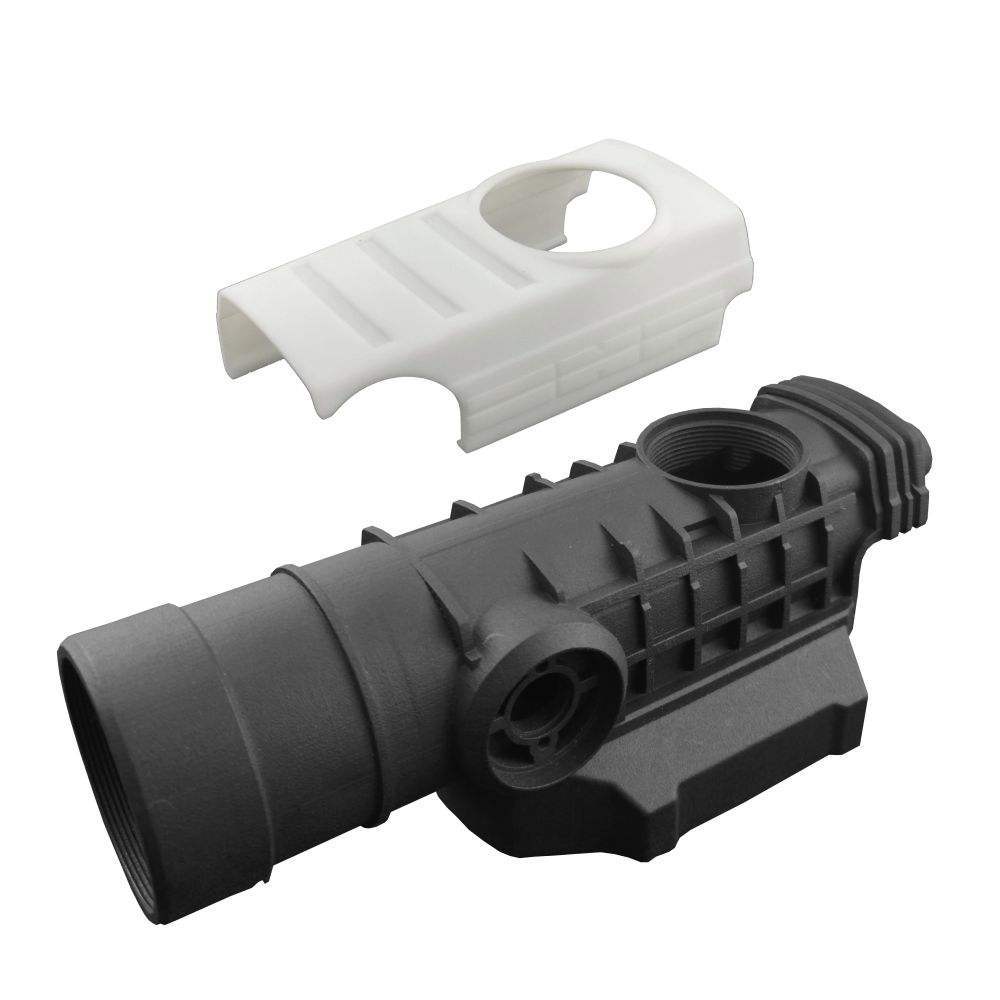
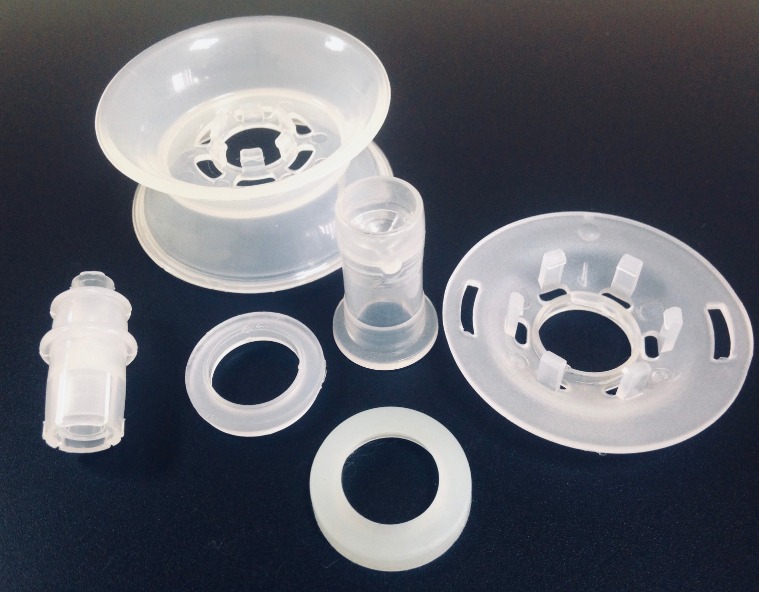
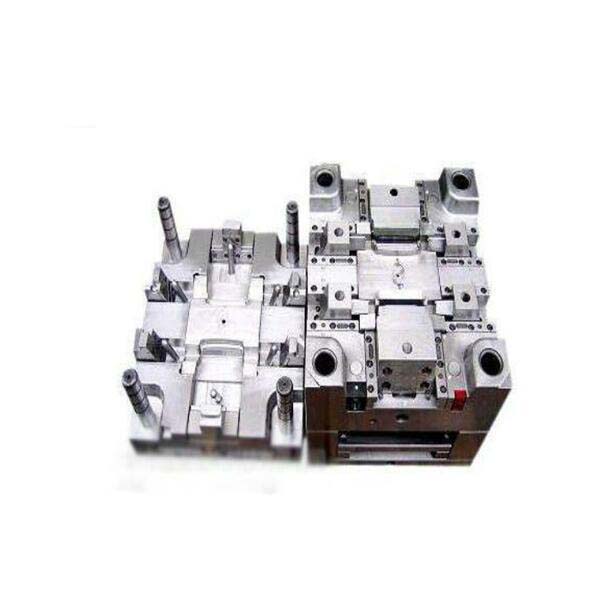
Every plastic part around you—from your car’s dashboard to the smartphone in your pocket—started in a mold. And every one of those parts reflects the precision of the tool that made it.
Mold making precision isn’t just a technical specification. It’s the difference between parts that fit and parts that don’t. Between products that perform and products that fail. Between manufacturing efficiency and costly rework.
As industries demand tighter tolerances, smaller components, and higher performance, precision mold making has become essential. This guide explores what precision means, how it’s achieved, and why it matters across automotive, electronics, medical, and beyond.
What Exactly Is Mold Making Precision?
Three Key Metrics Define Precision
Mold making precision isn’t a single number. It’s a combination of three factors that together determine how well a mold produces quality parts.
| Metric | What It Measures | Why It Matters |
|---|---|---|
| Dimension precision | How closely actual dimensions match design specifications | Determines part fit, assembly, and function |
| Shape precision | How accurately the mold’s geometry replicates the intended design | Affects structural integrity, aesthetics, and performance |
| Surface roughness | The texture of the mold surface | Directly impacts the finish of molded parts |
Dimension precision is measured in tolerances. A mold cavity for a smartphone case might have a tolerance of ±0.05 mm. That means every part coming out of that mold will have dimensions within 0.1 mm of the design—essential for fitting with screens, batteries, and other components.
Shape precision matters for complex geometries. A car dashboard with curved surfaces requires the mold to match the digital 3D model exactly. Any deviation creates uneven wall thickness, visible defects, or fitment issues.
Surface roughness is measured in micrometers or nanometers. A lens mold needs surface roughness in the nanometer range—smoother than a mirror—to produce optically clear parts.
What Factors Affect Mold Precision?
Raw Material Quality
The steel you start with determines what you can achieve. High-quality mold steels have:
- Uniform chemical composition: Consistent properties throughout
- Fine grain structure: Less tendency to warp during heat treatment
- Predictable behavior: Known shrinkage and expansion rates
Low-grade steels expand unevenly during heat treatment. That causes dimensional changes. In die-casting molds, substandard alloys can crack or wear prematurely, affecting every part produced.
Machining Equipment Precision
Modern mold making relies on advanced CNC machines. High-end equipment achieves positioning accuracy of ±0.001 mm. Older machines may only hold ±0.1 mm.
That 100x difference matters. A CNC lathe with worn bearings produces off-center holes. A high-quality machine with precision spindles and linear guides holds tolerances through thousands of hours of operation.
Process Technology
Even the best equipment needs correct processes. In EDM (electrical discharge machining), parameters like voltage, current, and pulse duration must be precisely controlled. Wrong settings cause over-cutting or under-cutting.
In injection molding itself, temperature, pressure, and injection speed affect final mold dimensions. Uneven temperature distribution causes differential shrinkage—leading to parts that don’t meet specifications.
How Does Precision Impact Different Industries?
Automotive: Fit, Performance, and Efficiency
The automotive industry runs on precision. A modern car contains hundreds of injection molded parts, from engine components to interior trim.
| Aspect | Low Precision | High Precision |
|---|---|---|
| Fitment | Door panel gaps of 5–10 mm; water leakage, wind noise | Gaps controlled to 1–2 mm; better sealing, 30% less wind noise |
| Performance | Engine efficiency reduced 10–15%; higher fuel consumption | 15–20% better efficiency; up to 10% fuel savings |
| Production efficiency | 5–10 hours monthly downtime per mold | 1–2 hours monthly downtime per mold |
Real example: An automotive manufacturer improved mold precision for body panels. Production time per vehicle dropped 10%. Defect rates fell from 5% to 1%.
Electronics: Enabling Miniaturization
Electronic devices keep getting smaller. That demands increasingly precise molds.
Smartphone chip packaging requires mold cavities with tolerances in the micrometer range. A deviation of just a few micrometers causes poor electrical connections or heat dissipation problems. Research shows that improving chip packaging mold precision from ±5 μm to ±2 μm reduced chip failure rates from 8% to 2%.
Surface-mount capacitors made with high-precision molds can be 30% smaller without sacrificing performance. That means more components on each circuit board—and more powerful, compact devices.
Medical: Safety and Effectiveness
In medical devices, precision isn’t about aesthetics. It’s about life and death.
Heart stents: Mold precision determines whether a stent expands correctly in an artery. A deviation of more than 0.1 mm in diameter increases the risk of re-blockage by 20–30% .
Syringes: Consistent wall thickness prevents breakage. Smooth inner surfaces reduce plunger friction, making fluid delivery more accurate.
Surgical implants: High-precision molds create implants that match patient anatomy precisely. Better fit means fewer complications and better long-term outcomes.
What Technologies Drive Higher Precision?
CNC Machining: The Foundation
CNC machining revolutionized mold making. Its advantages are fundamental:
Positioning accuracy: High-end CNC mills achieve ±0.001 mm—100x better than traditional manual machining.
Repeatability: Once programmed, CNC machines produce identical components with consistent precision. For multi-cavity molds, this means every cavity matches within tight tolerances.
Complex shapes: Multi-axis machining creates geometries impossible with traditional methods. Intricate internal channels for cooling, complex curved surfaces—all machined in one setup.
3D Printing: Adding New Capabilities
3D printing isn’t replacing CNC machining. It’s adding capabilities that traditional methods can’t match.
Complex internal structures: 3D printing creates cooling channels that follow the shape of the mold—something impossible to drill. These conformal cooling channels reduce cycle times by up to 30% while improving part quality.
Rapid prototyping: Designers can print prototype molds in days, not weeks. They test, validate, and iterate quickly. One company reduced mold design iteration time from weeks to days using 3D-printed prototypes.
Heat exchanger molds: A manufacturer using 3D-printed molds for heat exchanger components achieved 20% higher heat transfer efficiency thanks to precisely optimized internal channels.
What Do Success Stories Look Like?
Aerospace: Turbine Blades with Tighter Tolerances
Company A, a leading aerospace manufacturer, needed better turbine blades. Jet engine blades operate under extreme conditions—high temperature, high pressure, high speed. Mold precision is critical.
| Metric | Before | After |
|---|---|---|
| Dimensional accuracy | ±0.1 mm | ±0.01 mm |
| Defect rate | 8% | 2% |
| Blade lifespan | 2,000 hours | 3,000 hours |
| Engine efficiency | Baseline | +15% |
The results speak for themselves. Higher precision meant better airflow, longer life, and significantly lower operating costs.
Jewelry: Bringing Intricate Designs to Life
Company B specialized in molds for jewelry. Traditional methods struggled with intricate filigree and precise diamond settings.
Switching to 3D-printed molds transformed their business:
- Surface roughness: Reduced by 80%
- Detail reproduction: Micrometer-level accuracy
- Customer satisfaction: Increased 30%
- Business volume: Grew 25%
Designers could now create their most complex work. The molds reproduced every detail faithfully. Cast jewelry emerged with mirror-like finishes instead of rough surfaces needing extensive polishing.
What Challenges Exist in Maintaining Precision?
Even with the best tools, maintaining precision over time requires constant attention.
Tool wear: Cutting tools wear with use. Even a few micrometers of wear affects precision. Regular tool changes and monitoring are essential.
Material fatigue: Molds themselves wear over thousands of cycles. Steel eventually fatigues. Planned maintenance and periodic inspection catch issues before they affect parts.
Environmental factors: Temperature changes cause expansion and contraction. Humidity affects some materials. Climate-controlled shops maintain consistency.
Operator skill: Advanced machines need skilled operators. Training and experience matter as much as equipment.
Conclusion
Mold making precision is the invisible force behind modern manufacturing. It determines whether parts fit, products perform, and production lines run efficiently.
From automotive components that save fuel to medical devices that save lives, precision molds enable what was once impossible. And as CNC machining and 3D printing continue advancing, the limits of precision keep expanding.
For manufacturers, the message is clear: precision isn’t a luxury. It’s the foundation of quality, efficiency, and competitiveness.
FAQ
How does raw material quality specifically affect mold making precision?
High-quality mold steels with uniform chemical composition and fine grain structure resist warping during heat treatment. They maintain their dimensions through thousands of cycles. Low-grade materials expand unevenly, causing dimensional changes that affect every part produced.
Can 3D printing completely replace traditional mold-making methods?
No. CNC machining remains superior for high-volume production of simpler shapes due to speed and cost-effectiveness. 3D printing excels at complex internal structures and conformal cooling channels. Most advanced mold makers use both, choosing the best method for each feature.
What are the main challenges in maintaining mold making precision during long-term production?
Three main challenges: tool wear in machining equipment, material fatigue in the mold itself, and environmental factors like temperature and humidity. Regular equipment maintenance, mold condition monitoring, and controlled production environments are essential to address these.
What tolerance can modern precision molds achieve?
High-end CNC machining achieves positioning accuracy of ±0.001 mm. With careful process control, molds can hold dimensional tolerances of ±0.01 mm or better. For reference, that’s about one-fifth the thickness of a human hair.
How does mold precision affect production costs?
Higher precision molds cost more upfront but reduce total costs through: fewer defects (less scrap), less rework, faster cycle times, longer mold life, and reduced downtime. The return on investment typically comes within the first production run.
Contact Yigu Technology for Custom Manufacturing
At Yigu Technology, precision isn’t a buzzword—it’s our standard. We combine:
- High-end CNC machining with ±0.001 mm accuracy
- In-house EDM for complex geometries
- CMM inspection for documented quality
- Experienced engineers who understand your industry
From automotive components to medical devices, we build molds that deliver consistent, high-quality parts—cycle after cycle.
[Contact Yigu Technology today] to discuss your precision mold project. Let’s build the tools that shape your success.