Introduction
Look at the car in your driveway. The laptop on your desk. The light fixture above your head. What do they have in common? They likely contain components made through aluminum die casting.
This manufacturing process produces complex, high-volume aluminum parts with speed and precision that other methods can’t match. From engine blocks to smartphone frames, aluminum die casting shapes the products we use every day.
But what exactly is an aluminum die? How does the process work? And why do so many industries rely on it?
This guide answers these questions and more. We’ll cover the process, the two main types, key benefits, common applications, and real-world examples to help you understand this essential manufacturing method.
What Exactly Is Aluminum Die Casting?
At its core, aluminum die casting is a metal casting process that uses high pressure to produce precise aluminum parts. Here’s how it works, step by step.
The Process Step by Step
| Step | What Happens |
|---|---|
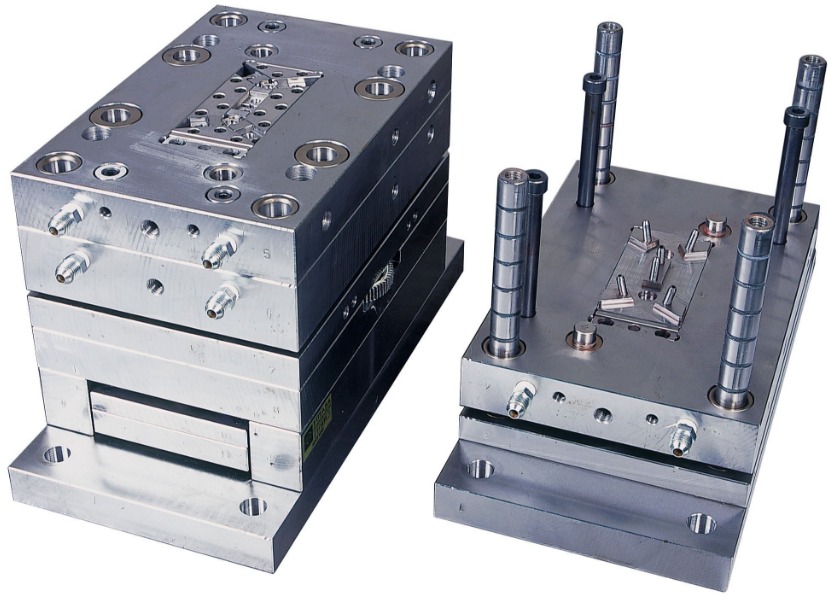
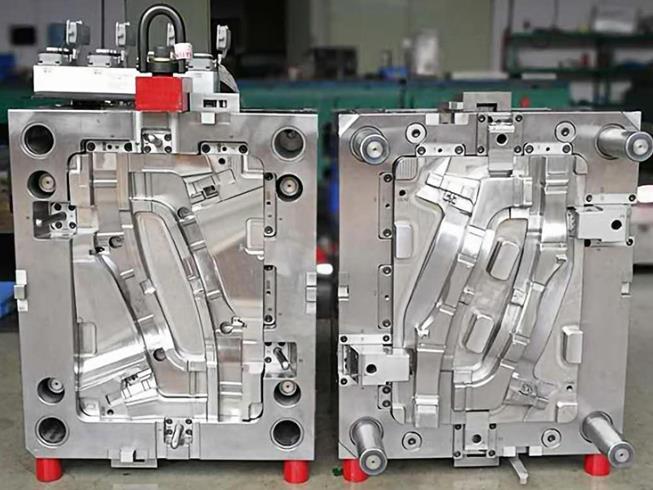
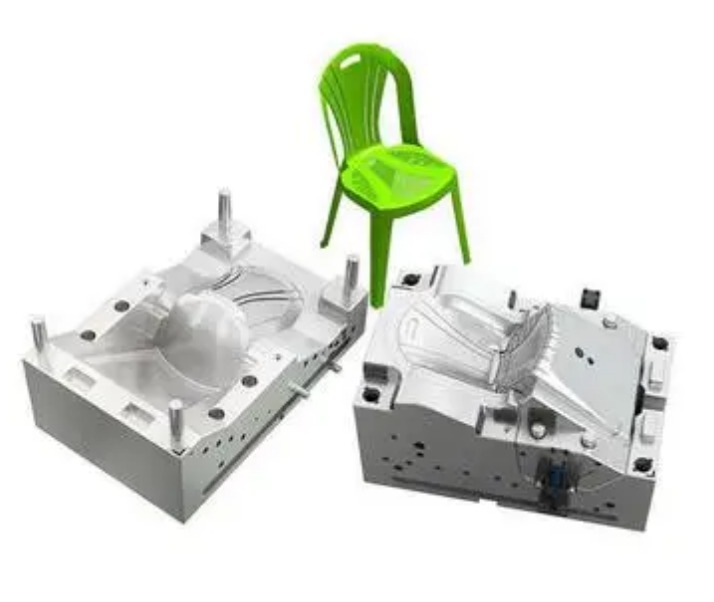
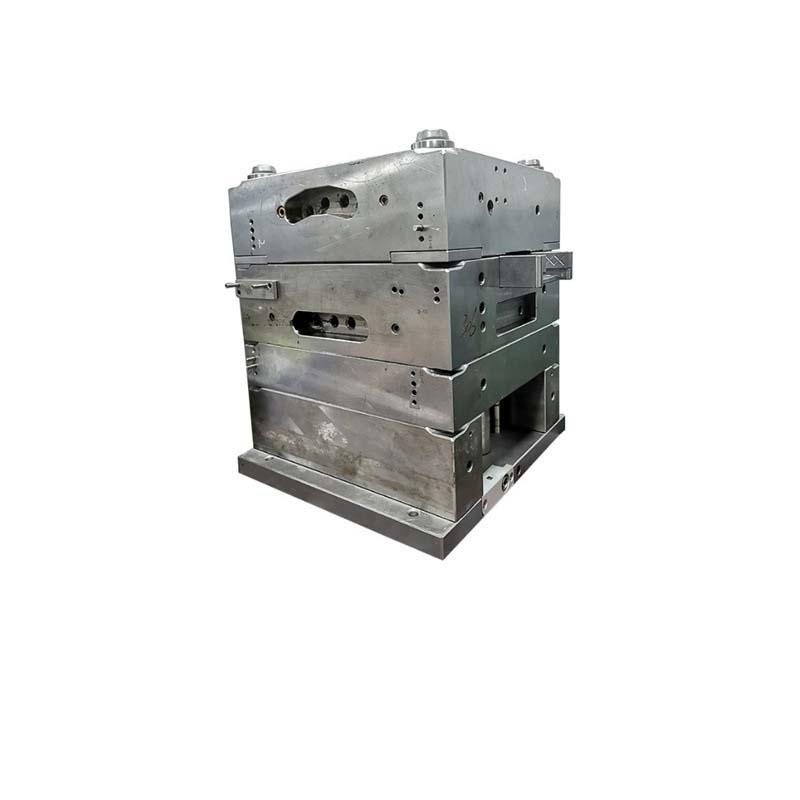
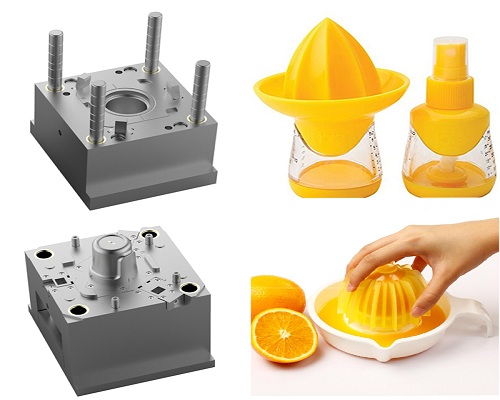
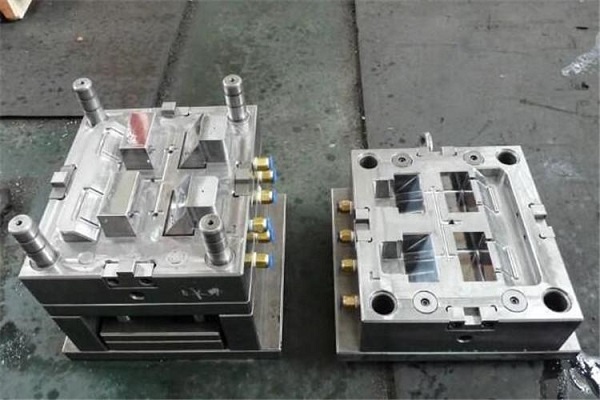
| Mold preparation | A steel die (two halves) is designed to match the part shape. The die is preheated and sprayed with lubricant to prevent sticking and extend die life. |
| Melting aluminum | Pure aluminum or aluminum alloy (with silicon, copper, or magnesium) is melted in a furnace at 600–700°C (1,112–1,292°F). This temperature ensures smooth flow without damaging the die. |
| Injection | Molten aluminum is injected into the die cavity at 1,000–15,000 psi. High pressure ensures the metal fills every detail—even tiny holes or thin walls. |
| Cooling and ejection | Aluminum cools and solidifies inside the die (10–120 seconds, depending on part size). The die halves open, and ejector pins push the finished part out. |
| Finishing | The part may undergo trimming to remove “flash” (excess metal), polishing, or coating to meet quality standards. |
Real example: An automotive supplier switched to aluminum die casting for engine brackets. Production time dropped from 30 minutes per bracket (with traditional machining) to 2 minutes. Material waste fell by 40%. The combination of speed and efficiency transformed their cost structure.
What Are the Two Main Types of Aluminum Die Casting?
Not all aluminum die casting is the same. Two primary methods exist, each suited for different part requirements.
| Process | Pressure Range | Cycle Time | Best For | Key Advantage |
|---|---|---|---|---|
| Hot chamber die casting | 1,000–5,000 psi | 10–30 seconds | Small parts (connectors, housings) | Faster cycles; no need to transfer molten metal |
| Cold chamber die casting | 5,000–15,000 psi | 30–120 seconds | Large/complex parts (engine blocks, frames) | Handles high-temperature alloys without damaging the die |
Hot Chamber Die Casting
In hot chamber casting, the injection mechanism is immersed in the molten metal. This allows for very fast cycles—ideal for small, high-volume parts.
Best applications: Zipper pulls, sensor housings, small connectors, and components where speed matters most.
Real example: A consumer electronics brand needed tiny USB-C connector housings. Hot chamber die casting produced 1,200 parts per hour with near-perfect precision. Cold chamber couldn’t match that speed for this application.
Cold Chamber Die Casting
In cold chamber casting, molten metal is ladled into the injection chamber separately. This protects the machinery from high-temperature alloys and allows for higher injection pressure.
Best applications: Engine blocks, transmission housings, large structural components, and parts requiring high strength.
Real example: A truck manufacturer uses cold chamber casting for aluminum wheel hubs. These large parts need higher pressure to fill the die completely. Cold chamber’s design prevents overheating equipment while delivering the required force.
Why Choose Aluminum Die Casting? Key Benefits
High Precision and Consistency
Aluminum die casting achieves tolerances as tight as ±0.005 inches (0.127 mm) . Every part is nearly identical—critical for industries where variation causes failure.
Real example: A satellite component manufacturer uses aluminum die casting for antenna mounts. Each mount must align perfectly with other parts. Die casting’s consistency ensures zero misalignments across 10,000+ units.
Lightweight Yet Strong
Aluminum has a density of just 2.7 g/cm³ —about one-third the weight of steel. Yet die-cast aluminum alloys (with silicon) achieve tensile strength of 30,000–60,000 psi.
| Material | Density (g/cm³) | Relative Weight |
|---|---|---|
| Steel | 7.8 | 3× heavier |
| Aluminum | 2.7 | Baseline |
| Plastic | 1.0–1.4 | Lighter but weaker |
Real example: A bicycle company switched from steel to die-cast aluminum for frame joints. Parts were 40% lighter. Durability tests showed they withstood 500+ pounds of pressure without bending.
Cost-Effective for High Volume
Die molds cost $5,000 to $100,000 upfront. But per-unit costs drop dramatically for large production runs.
| Production Volume | Die Casting Cost per Unit | Machining Cost per Unit |
|---|---|---|
| 15,000 units | $2.50 | $3.50 |
| 100,000 units | $1.20 | $3.50 |
A kitchen appliance brand found that producing 100,000 die-cast aluminum handles cost $1.20 per unit—compared to $3.50 per unit with machining. The mold paid for itself after 15,000 units.
Versatile Design Options
Die casting creates complex shapes that other methods can’t match:
- Thin walls: As thin as 0.5 mm
- Internal channels: For cooling or fluid flow
- Intricate patterns: Decorative or functional features
- Integrated components: Multiple parts combined into one
Real example: A lighting company designed a die-cast aluminum fixture with built-in heat sinks for LEDs and decorative grooves. Traditional methods would have required three separate parts. Die casting made it one piece, cutting assembly time by 60%.
Where Is Aluminum Die Casting Used?
Automotive Industry
Automotive is the largest user of die-cast aluminum parts. Cars and trucks rely on them for:
- Engine components: Blocks, cylinder heads, oil pans
- Transmission parts: Gears, housings
- Structural parts: Door frames, suspension brackets
Why aluminum? Light weight improves fuel efficiency. The EPA estimates that replacing 100 pounds of steel with aluminum reduces fuel consumption by 0.1–0.2 miles per gallon.
Real example: A major automaker used die-cast aluminum for an SUV engine block. The switch cut vehicle weight by 75 pounds—improving fuel economy by 1.5 mpg.
Electronics
Electronics demand lightweight, heat-resistant parts. Aluminum die casting delivers:
- Laptop and tablet frames: Protect internal components while staying light
- LED heat sinks: Aluminum conducts heat effectively, preventing overheating
- Smartphone camera housings: Precise shapes that fit perfectly with other components
Real example: A smartphone manufacturer uses die-cast aluminum for camera bumpers. The process ensures small, curved edges fit perfectly with the phone’s glass back, reducing assembly errors by 90%.
Home Appliances
From kitchen tools to HVAC systems, die-cast aluminum is everywhere:
- Cookware handles: Heat-resistant and durable
- Air conditioner compressor housings: Protect moving parts from dust
- Washing machine drum brackets: Hold heavy drums in place
Real example: A home appliance brand found that die-cast aluminum handles for ovens lasted 3× longer than plastic handles (which melted at high temperatures) and were 20% cheaper than stainless steel.
Industrial and Consumer Products
Beyond these sectors, aluminum die casting appears in:
- Power tools: Housings and structural components
- Medical devices: Equipment frames and enclosures
- Furniture: Chair bases, structural connectors
- Marine applications: Corrosion-resistant components
What Are the Challenges of Aluminum Die Casting?
Porosity (Small Holes in Parts)
Porosity occurs when air gets trapped in molten aluminum during injection. It weakens parts and can cause leaks in fluid-carrying components.
Solution: Vacuum die casting removes air from the die cavity before injection.
Real example: A hydraulic parts manufacturer reduced porosity by 85% using vacuum die casting. Their hydraulic valves—which must be leak-proof—now pass 100% of pressure tests.
Die Wear (Molds Degrade Over Time)
High temperatures and pressure wear down steel dies, reducing precision over time.
Solution: Use high-heat-resistant steels like H13 and apply ceramic coatings to die surfaces.
Real example: A medical device maker extended die life from 50,000 parts to 150,000 parts by using H13 steel with ceramic coating—saving $20,000 in mold replacement costs.
Flash (Excess Metal on Parts)
Flash forms when molten aluminum seeps between die halves. It requires extra trimming time.
Solution: Increase clamping force to keep die halves tight. Use high-quality lubricants to prevent sticking.
Real example: A toy manufacturer cut trimming time by 40% by adjusting clamping force and switching to synthetic lubricant.
What Aluminum Alloys Are Best for Die Casting?
| Alloy | Silicon Content | Best For |
|---|---|---|
| ADC12 | 9–12% | General-purpose; easy to cast, strong, affordable |
| A380 | 7.5–9.5% | High-strength needs (automotive structural parts) |
| A413 | High silicon | Corrosion resistance (marine components) |
Conclusion
Aluminum die casting combines speed, precision, and versatility. It produces complex, lightweight parts at scale—from engine blocks to laptop frames. The process offers:
- Tolerances as tight as ±0.005 inches
- Parts one-third the weight of steel with comparable strength
- Per-unit costs that drop dramatically with volume
- Design freedom for thin walls, internal channels, and integrated features
While challenges like porosity and die wear exist, solutions like vacuum casting and advanced die materials address them effectively. For high-volume production of aluminum components, die casting remains the gold standard.
FAQ
Is aluminum die casting recyclable?
Yes. Aluminum is 100% recyclable, and recycling uses just 5% of the energy needed to produce new aluminum. Many die casting companies use recycled aluminum, reducing carbon emissions by up to 95%.
How long does a die casting mold last?
Mold life depends on die material and usage. A standard H13 steel die produces 50,000–150,000 parts. For high-volume production (1 million+ parts), you may replace the die once or twice—but per-unit cost remains lower than other methods.
Can aluminum die casting make parts with very thin walls?
Yes. Aluminum die casting produces walls as thin as 0.5 mm (0.02 inches). This requires precise die design and high injection pressure. For walls thinner than 0.5 mm, specialized “micro die casting” may be needed.
Is aluminum die casting more expensive than plastic molding?
For high-volume production (10,000+ parts), no. Plastic molds are cheaper upfront, but aluminum parts are more durable and can replace multiple plastic parts—reducing assembly costs. A plastic housing might cost $0.80 per unit; aluminum costs $1.00 per unit. But the aluminum part lasts 5× longer, making it cheaper in the long run.
What’s the difference between hot chamber and cold chamber die casting?
Hot chamber is faster (10–30 second cycles) and ideal for small parts like connectors. Cold chamber handles higher pressure (up to 15,000 psi) and larger parts like engine blocks. Choose based on part size, complexity, and production volume.
Contact Yigu Technology for Custom Manufacturing
At Yigu Technology, we specialize in precision aluminum die casting for automotive, electronics, and industrial applications. Our team helps clients select the right process—hot chamber or cold chamber—and optimize die design for performance and cost.
We offer:
- Custom die design and manufacturing
- Vacuum die casting for porosity-free parts
- Advanced die materials (H13 steel with ceramic coatings)
- Post-casting finishing and assembly
[Contact Yigu Technology today] to discuss your aluminum die casting project. Let’s build parts that are lightweight, strong, and built to last.