Introduction
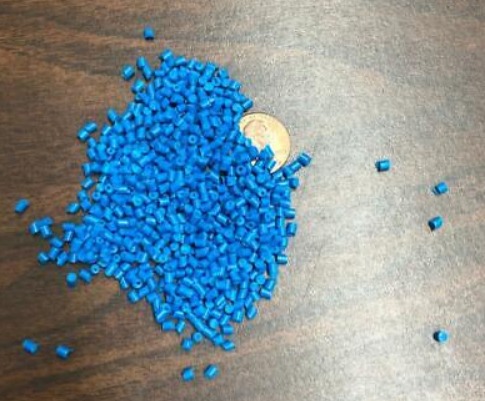
Polypropylene (PP) is one of the most widely used thermoplastics in the world. Its combination of low density, excellent chemical resistance, good mechanical properties, and outstanding processability makes it the material of choice for countless applications—from automotive components and consumer electronics to medical devices and packaging. When combined with injection molding, polypropylene pellets are transformed into finished products with remarkable efficiency and precision.
Polypropylene injection molding is a highly automated, cost-effective process capable of producing high volumes of consistent, high-quality parts. Understanding the properties of polypropylene, the injection molding process steps, and how to optimize parameters is essential for manufacturers seeking to leverage this versatile material.
This guide provides a comprehensive overview of polypropylene pellets injection molding. You will learn about material characteristics, the step-by-step process, key applications across industries, and how polypropylene compares to other plastics. Whether you are a designer, engineer, or manufacturer, this guide will help you harness the potential of polypropylene injection molding.
What Is Polypropylene Pellets Injection Molding?
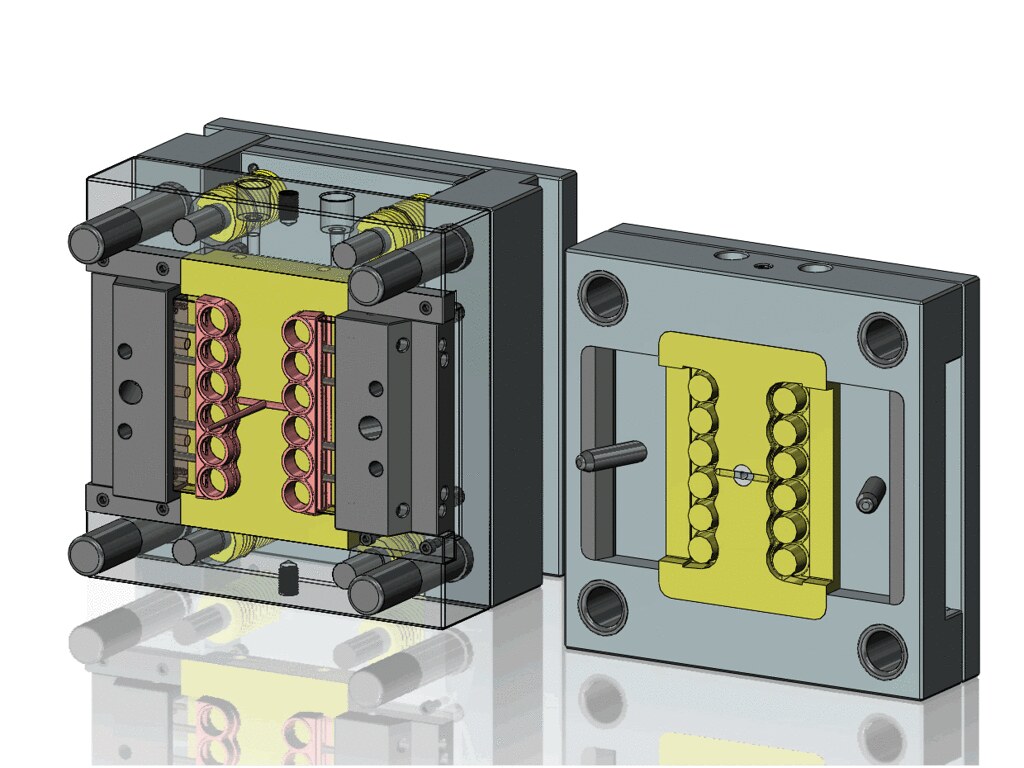
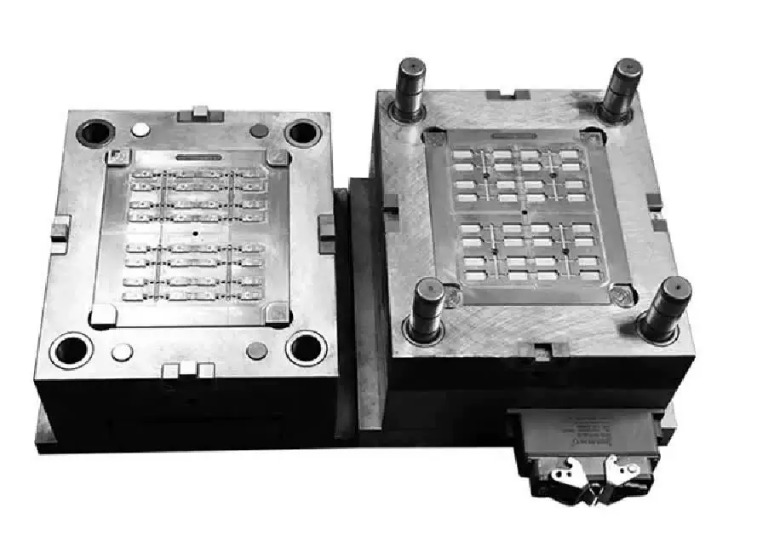
Polypropylene pellets injection molding is a manufacturing process where polypropylene pellets—a thermoplastic polymer—are melted and injected into a mold cavity under high pressure. The material cools and solidifies, taking the shape of the cavity. The mold opens, and the finished part is ejected.
The Process at a Glance
| Stage | Description |
|---|---|
| Feeding | Polypropylene pellets are loaded into the hopper |
| Melting | Pellets are heated in the barrel (180–250°C) to a viscous liquid |
| Injection | Molten PP is forced into the mold cavity under high pressure (50–200 MPa) |
| Cooling | The part solidifies; coolant circulates through mold channels |
| Ejection | The mold opens; ejector pins push the finished part out |
Key advantage: The process is highly automated, enabling high-volume production of consistent, high-quality parts at low per-unit cost.
What Are the Key Characteristics of Polypropylene Pellets?
Polypropylene’s unique properties make it suitable for a vast range of applications.
Exceptional Mechanical Properties
| Property | Polypropylene (PP) | Comparison |
|---|---|---|
| Tensile strength | 30–40 MPa | Higher than LDPE (7–15 MPa) |
| Bending strength | 40–50 MPa | Good; combined with toughness |
| Impact resistance | Moderate; better at higher temperatures | Suitable for many applications |
| Toughness | Excellent | Resists deformation under repeated stress |
Example: Polypropylene’s strength makes it suitable for plastic ropes, industrial straps, and furniture components that must withstand heavy loads or repeated stress.
Good Chemical Resistance
Polypropylene resists corrosion from many common chemicals:
| Chemical Type | Resistance |
|---|---|
| Dilute acids | Excellent (e.g., 10% hydrochloric acid) |
| Dilute alkalis | Excellent (e.g., 10% sodium hydroxide) |
| Organic solvents | Good at normal temperatures; stable in most solvents |
Test data: PP samples immersed in 10% HCl and 10% NaOH at room temperature for one month showed no visible degradation or change in physical properties.
Low Density and Cost-Effectiveness
| Property | Polypropylene | Comparison |
|---|---|---|
| Density | ~0.9 g/cm³ | Polycarbonate (PC): ~1.2 g/cm³ |
| Cost | Low; relatively inexpensive | PEEK: significantly higher |
Weight reduction: Using PP in automotive interiors can reduce vehicle weight by 30–40%, improving fuel efficiency.
Cost advantage: PP’s low cost combined with good performance makes it ideal for mass-production applications across consumer goods, packaging, and automotive.
Excellent Molding Processability
| Processability Factor | Polypropylene |
|---|---|
| Flowability | Excellent; melt flow rate (MFR) adjustable for specific needs |
| Cycle time | Short; faster than many other plastics |
| Detail replication | Accurately fills complex molds; thin-wall capability |
Example: In small, intricate electronic component housings, PP’s flowability ensures every detail of the mold is accurately replicated. Shorter cycle times increase daily production output.
How Is Polypropylene Injection Molded? Step-by-Step Process
Step 1: Raw Material Preparation
High-quality polypropylene pellets are selected. Pellets should be free from impurities with consistent size distribution (typically 3–5 mm diameter).
Drying: PP is not highly hygroscopic, but if moisture is present, drying at 80–100°C for 2–4 hours prevents surface defects.
Step 2: Heating and Melting
Pellets are fed into the heated barrel. Barrel temperature is carefully controlled:
| Zone | Temperature Range |
|---|---|
| Feed zone | 180–200°C |
| Compression zone | 200–220°C |
| Metering zone | 220–250°C |
| Nozzle | 210–240°C |
The rotating screw mixes and melts the pellets evenly. Too low temperature = incomplete melting; too high = degradation.
Step 3: Injection
Molten polypropylene is forced into the mold cavity under high pressure.
| Parameter | Typical Range | Effect |
|---|---|---|
| Injection pressure | 50–200 MPa | Higher for complex shapes; thin walls |
| Injection speed | Moderate | Fast fill reduces cycle; too fast = air entrapment |
Critical: Insufficient pressure = short shots (incomplete filling). Excessive pressure = flash; over-packing; internal stress.
Step 4: Cooling
Coolant (typically water) circulates through mold channels to solidify the part.
| Factor | Impact |
|---|---|
| Cooling time | Small, thin parts: 5–10 seconds; large, thick parts: 30 seconds–minutes |
| Cooling rate | Too fast = internal stress; warpage; too slow = longer cycles |
Step 5: Demolding (Ejection)
The mold opens. Ejector pins push the finished part out.
Critical: Proper pin placement and ejection force prevent part damage (cracking; deformation).
What Factors Affect Molding Quality?
Temperature Control
| Temperature Type | Impact |
|---|---|
| Barrel temperature | Affects melting; flowability; too low = incomplete melt; too high = degradation |
| Mold temperature | Affects surface finish; internal stress; cooling time; typical range 30–80°C |
Pressure Management
| Pressure Type | Function |
|---|---|
| Injection pressure | Fills cavity; insufficient = short shots |
| Holding pressure | Compensates for shrinkage; insufficient = voids; sink marks; excessive = stress; damage |
Mold Design
| Design Element | Importance |
|---|---|
| Flow channels | Uniform flow; no sharp corners or narrow passages |
| Venting | Allows air escape; prevents air pockets; burn marks |
| Cooling channels | Uniform cooling; reduces warpage risk |
Material Properties
| Property | Effect |
|---|---|
| Melt flow rate (MFR) | Higher = better flowability (good for complex shapes); may affect mechanical properties |
| Additives/fillers | Modify physical and mechanical properties; selection critical for performance |
What Are the Applications Across Industries?
Automotive Industry
| Component | Why Polypropylene? |
|---|---|
| Dashboard panels | Low density; weight reduction (30–40% vs. heavier materials) |
| Door trims | Aesthetics; durability |
| Bumpers | Excellent impact resistance; withstands 5–8 km/h collisions without cracking |
| Interior components | Good chemical resistance; withstands road salts; car wash chemicals |
Consumer Electronics
| Component | Why Polypropylene? |
|---|---|
| Smartphone cases | Moldability; sleek designs; smooth surface finish |
| Tablet housings | Lightweight; durable |
| Laptop keyboards | Keycaps; structure; withstands millions of keystrokes |
| Internal components | Electrical insulation prevents short circuits |
Packaging Sector
| Component | Why Polypropylene? |
|---|---|
| Bottles | Chemical resistance; prevents contamination; safe for acidic beverages |
| Packaging boxes | Stiffness; toughness; withstands 10–15 kg static load; protects fragile items |
| Closures | Lightweight; reduces shipping costs |
Medical Field
| Component | Why Polypropylene? |
|---|---|
| Syringe housings | Biocompatibility; no adverse reaction with tissues/fluids |
| Blood collection tubes | Sterilizable (gamma; EtO); maintains properties |
| Surgical gowns/masks | Filters up to 95% of airborne particles; sterile |
| Diagnostic equipment | Durable; chemical resistance |
How Does Polypropylene Compare with Other Plastics?
| Property | Polypropylene (PP) | ABS | Polyethylene (PE) |
|---|---|---|---|
| Density (g/cm³) | 0.9 | 1.05 | HDPE: 0.95–0.97; LDPE: 0.92–0.93 |
| Tensile strength (MPa) | 30–40 | 35–62 | HDPE: 20–30; LDPE: 8–30 |
| Bending strength (MPa) | 40–50 | — | — |
| Impact resistance | Moderate; better at higher temperatures | High | HDPE: good; LDPE: flexible |
| Heat resistance (max continuous °C) | 90–121 | 54–82 | HDPE: 80–120; LDPE: 60–80 |
| Chemical resistance | Excellent | Good | HDPE/LDPE: good |
| Cost (relative) | Low | Medium | Medium |
| Processing difficulty | Easy | Moderate | Easy |
| Mold shrinkage (%) | 1.0–2.5 | 0.3–0.8 | HDPE: 2.0–5.0; LDPE: 1.5–5.0 |
Key insights:
- Low density – PP is ideal for weight-sensitive applications (automotive; aerospace)
- Heat resistance – PP outperforms ABS at higher temperatures
- Cost – PP is more cost-effective than ABS for mass production
- Processability – PP’s good flowability simplifies injection molding; faster cycles
How Does Yigu Technology Approach Polypropylene Injection Molding?
At Yigu Technology, we specialize in polypropylene injection molding for custom plastic components. Our expertise ensures precise process control, consistent quality, and tailored solutions.
Our Approach
| Aspect | Method |
|---|---|
| Raw material selection | High-quality PP pellets; consistent size; free from impurities |
| Process control | Strict monitoring of temperature, pressure, timing |
| Customization | Tailored properties (mechanical; chemical; thermal) for specific applications |
| Quality assurance | Dimensional inspection; mechanical testing; surface finish verification |
| Continuous improvement | R&D in additives; energy-efficient processes; performance enhancement |
Conclusion
Polypropylene pellets injection molding is a versatile, cost-effective manufacturing process that transforms one of the world’s most widely used thermoplastics into high-quality finished products.
Key takeaways:
- Properties – Low density (0.9 g/cm³), good mechanical strength (30–40 MPa), excellent chemical resistance, easy processability
- Process – Feeding, melting (180–250°C), injection (50–200 MPa), cooling, ejection
- Applications – Automotive (weight reduction 30–40%), consumer electronics, packaging, medical (biocompatible; sterilizable)
- Advantages – Cost-effective, short cycle times, good flowability for complex shapes
- Comparisons – PP offers unique balance of properties vs. ABS and PE; ideal for weight-sensitive, cost-conscious applications
When optimized, polypropylene injection molding delivers consistent, high-quality parts efficiently and economically.
Frequently Asked Questions (FAQ)
What are the key properties of polypropylene for injection molding?
Key properties include low density (0.9 g/cm³), good tensile strength (30–40 MPa), excellent chemical resistance, good heat resistance (90–121°C continuous), and excellent processability (good flowability; short cycle times). These make PP suitable for automotive, consumer goods, packaging, and medical applications.
How does polypropylene compare to ABS?
Polypropylene has lower density (0.9 vs. 1.05 g/cm³), better heat resistance (90–121°C vs. 54–82°C), and lower cost. ABS has higher impact resistance and better surface finish for some applications. PP is preferred for weight-sensitive, cost-conscious applications; ABS for higher impact requirements.
What temperature range is used for polypropylene injection molding?
Barrel temperature: 180–250°C (feed zone 180–200°C; metering zone 220–250°C). Nozzle temperature: 210–240°C. Mold temperature: 30–80°C, depending on part requirements. Proper temperature control ensures complete melting, good flow, and consistent quality.
What are common applications of injection-molded polypropylene?
Common applications include automotive components (dashboard panels; door trims; bumpers), consumer electronics (smartphone cases; laptop keycaps), packaging (bottles; boxes; closures), and medical devices (syringe housings; blood collection tubes; surgical masks). PP’s versatility spans nearly every industry.
How can I improve the quality of polypropylene injection-molded parts?
Improve quality through proper drying (if moisture present), precise temperature control (barrel; mold), optimized injection pressure and speed (complete filling; avoid flash), well-designed mold (uniform cooling; proper venting), and consistent material selection (high-quality pellets; appropriate MFR). Conduct trials to fine-tune parameters.
Contact Yigu Technology for Custom Manufacturing
At Yigu Technology, we specialize in polypropylene injection molding for custom plastic components. Our expertise spans material selection, process optimization, and quality assurance—delivering high-quality parts for automotive, medical, electronics, and consumer goods industries.
Our polypropylene injection molding capabilities include:
- Material expertise – High-quality PP pellets; tailored additives
- Process optimization – Precise temperature; pressure; timing control
- Custom solutions – Complex geometries; thin walls; high-volume production
- Quality assurance – Dimensional inspection; mechanical testing
- Volume flexibility – Prototypes to high-volume runs
We help clients achieve consistent, high-quality results—efficiently and cost-effectively.
Contact us today to discuss your polypropylene injection molding project. Let our expertise help you harness the versatility of this remarkable material.