Introduction
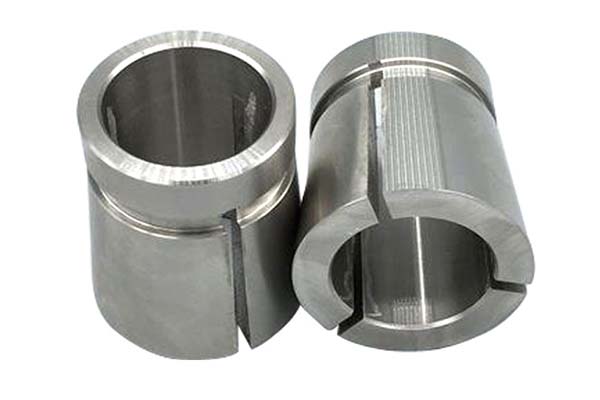
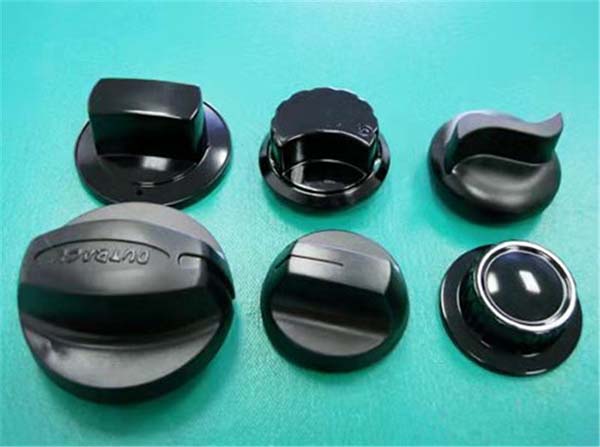
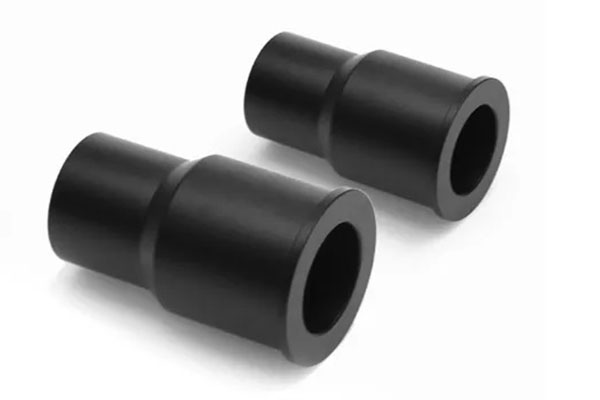
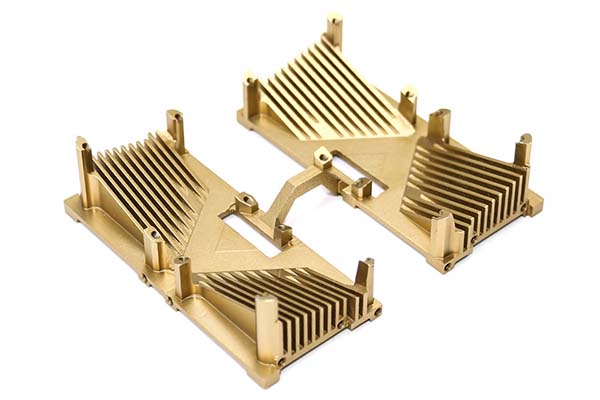
In modern manufacturing, precision turned parts are the quiet foundation upon which critical industries are built. Aerospace engines, medical implants, automotive drivetrains, and high-tech electronics all depend on these components. A deviation measured in micrometers—smaller than a human hair—can mean the difference between reliable performance and catastrophic failure.
Consider a jet engine turbine blade operating at 1,500°C and spinning at over 10,000 revolutions per minute. A dimensional error of just ±0.001 mm can cause imbalance, reduce efficiency, and potentially lead to engine failure. According to the Aerospace Industries Association, over 70% of engine-related failures in commercial aircraft trace back to issues with precision components.
In medical devices, pacemaker leads must maintain tolerances of ±0.01 mm or less to ensure proper electrical conduction. A study in the Journal of Biomedical Engineering found that 95% of well-functioning pacemakers had leads manufactured to this standard.
This guide explores the journey from raw material to finished precision turned part. We will examine the fundamental principles, material selection, equipment requirements, and process optimization techniques that enable manufacturers to achieve the highest levels of precision.
What Are the Fundamental Principles of Precision Turning?
The Mechanics of Rotational Machining
Precision turning is a subtractive manufacturing process where a rotating workpiece is shaped by a stationary cutting tool. The workpiece spins on its axis while the tool moves linearly, removing material to create cylindrical or symmetrical forms.
Cutting forces are central to understanding the process. These forces are determined by feed rate, depth of cut, and material hardness. Feed rate—measured in millimeters per revolution (mm/rev)—dictates how far the tool advances with each rotation. Higher feed rates increase material removal but can compromise surface finish.
Material hardness significantly affects cutting forces. Titanium alloys require approximately 30% more cutting force than aluminum. These forces directly impact tool wear and surface quality. For aerospace components where surface roughness (Ra) must be ≤ 0.8 μm, controlling cutting forces is essential.
Rigidity and vibration control are equally critical. In a high-precision lathe, spindle deflection under load should be less than 5 μm. Excessive deflection causes dimensional inaccuracy and poor surface finish. Anti-vibration mounts isolate the machine from external disturbances. Chatter marks caused by vibration can degrade surface roughness by up to 50% , compromising component performance.
Key Parameters for Precision Outcomes
Several parameters must be carefully controlled to achieve precision results. The following table summarizes these parameters and their optimal ranges for medical-grade parts.
| Parameter | Impact on Precision | Optimal Range for Medical-Grade Parts |
|---|---|---|
| Spindle Speed | Higher speeds improve finish but risk thermal expansion | 5,000–15,000 RPM (for 5–20 mm diameter) |
| Feed Rate | Lower rates reduce tool marks but increase cycle time | 0.01–0.1 mm/rev (for Ra ≤ 0.4 μm) |
| Tool Nose Radius | Larger radii reduce cutting forces but may cause deflection | 0.4–1.2 mm (balanced for steel vs. plastic) |
| Clamping Pressure | Insufficient pressure causes slippage; excessive pressure deforms workpiece | 5–15 kN (calibrated via strain gauges) |
Typical tolerances: ±0.005 mm for diameter, ±0.01 mm for length
Spindle speed balances surface finish against thermal effects. Higher speeds produce finer finishes but generate more heat, which can cause thermal expansion. For medical-grade parts with diameters of 5–20 mm, 5,000–15,000 RPM provides this balance.
Feed rate determines tool mark size. For surface roughness requirements of Ra ≤ 0.4 μm, feed rates of 0.01–0.1 mm/rev are typical. Lower feeds improve finish but increase cycle time, requiring careful trade-off decisions.
Tool nose radius affects cutting forces and precision. Larger radii distribute forces over a wider area, reducing pressure on the cutting edge. However, excessive radius can cause tool deflection, especially in hard materials. For steel, 0.4–1.2 mm provides an effective balance.
Clamping pressure must be precisely calibrated. Insufficient pressure allows workpiece movement during cutting. Excessive pressure deforms thin-walled or delicate components. For medical-grade parts, 5–15 kN, calibrated with strain gauges, is typical.
What Factors Determine Precision Turned Parts Quality?
Material Selection
Choosing the right material is the foundation of precision turning. Material properties determine both part performance and machining behavior.
Metallic Alloys
Aluminum 6061-T6 is widely used for lightweight applications. Its high machinability allows cutting speeds up to 300 m/min, enabling efficient production. In drone rotors, its low density (2.7 g/cm³) reduces weight while maintaining strength. Tight tolerances are achievable, making it suitable for precision components.
Stainless Steel 316L offers excellent corrosion resistance for marine and medical applications. However, it work-hardens during machining. The surface becomes harder as material is removed, increasing tool wear. Sharp carbide tools and reduced feed rates—typically 0.05–0.1 mm/rev—are required to maintain precision.
Titanium Ti-6Al-4V combines high strength-to-weight ratio with heat resistance, making it ideal for aerospace components. Its low thermal conductivity (6.7 W/m·K) causes heat to concentrate at the cutting zone. High-pressure coolant systems are essential to prevent tool failure and maintain dimensional accuracy.
| Material | Key Property | Machining Implication | Ideal Application |
|---|---|---|---|
| Aluminum 6061-T6 | High machinability, low density | High cutting speeds, tight tolerances | Drone rotors, aircraft interiors |
| Stainless Steel 316L | Corrosion resistance, work-hardening | Sharp tools, reduced feeds | Marine components, medical implants |
| Titanium Ti-6Al-4V | High strength, low thermal conductivity | Optimized coolant flow, careful parameter control | Aerospace engine components |
Non-Metallic Materials
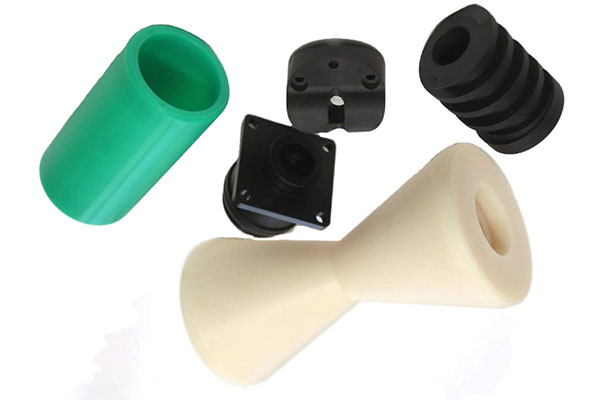
Engineering plastics like PEEK (Polyether-ether-ketone) and POM (Polyoxymethylene) offer chemical resistance and low weight. PEEK withstands aggressive chemicals, making it suitable for pharmaceutical equipment. POM provides high stiffness and low friction.
However, these materials have high coefficients of thermal expansion (CTE). PEEK ranges from 50–80 μm/m°C; POM from 20–80 μm/m°C. Temperature changes during machining cause dimensional shifts. For precision components, environment temperature must be controlled within ±1°C to maintain tolerances.
Equipment Excellence
The quality of CNC lathes and tooling directly determines achievable precision.
CNC Lathe Precision
Modern CNC lathes incorporate features that enable exceptional accuracy. Linear guides provide positioning accuracy of ±0.001 mm and repeatability of ±0.0005 mm. This ensures that the cutting tool moves precisely to programmed locations, critical for complex profiles and multi-pass operations.
Direct-drive spindles achieve runout of less than 1 μm. Runout—the deviation of rotation from true center—affects concentricity in multi-step operations. For high-speed spindles used in machine tools, low runout is essential for smooth rotation and minimal vibration.
Tooling Technology
| Tooling Component | Key Feature | Performance Benefit |
|---|---|---|
| Carbide Inserts (e.g., Sandvik Coromant GC1020) | High wear resistance | Extended tool life in high-speed steel machining |
| Polycrystalline Diamond (PCD) Tools | Extreme hardness, wear resistance | Precision machining of non-ferrous metals and composites |
| Tool Presetter Systems | High accuracy (±0.002 mm) | Reduces setup errors by 70%, improves efficiency |
Carbide inserts with advanced coatings resist wear during high-speed machining. In a production environment, this translates to longer runs between tool changes and more consistent part dimensions.
PCD tools offer exceptional hardness for non-ferrous materials. They maintain sharp edges far longer than carbide, critical for achieving fine surface finishes in aluminum and composites.
Tool presetter systems measure tool geometry offline, eliminating setup time on the machine. With accuracy of ±0.002 mm, they reduce setup errors by up to 70% and improve production efficiency.
Process Optimization
Optimizing the manufacturing process—from programming to post-processing—is essential for consistent quality.
G-Code Precision
Advanced CAM software like Mastercam enables precise control through optimized G-code programming.
Tool path optimization minimizes air cuts—movements where the tool travels without cutting. This reduces cycle time by 20–30% . For complex parts, the software analyzes geometry and generates paths that keep the tool engaged with the workpiece as much as possible.
Automatic tool wear compensation maintains accuracy over long production runs. As tools wear, their effective radius changes. The software can be programmed to update tool radius offsets at regular intervals—for example, every 50 parts in high-volume runs—ensuring consistent dimensions throughout the production cycle.
Post-Processing Techniques
Heat treatment addresses internal stresses introduced during machining. Stress relieving—annealing steel at 600°C for 2 hours—redistributes these stresses, preventing dimensional drift over time. For precision measuring instruments and other long-term stability applications, this step is essential.
Surface finishing improves both appearance and performance. Electropolishing can refine surface roughness from Ra 0.8 μm to Ra 0.2 μm. For medical implants, this reduced roughness lowers friction against tissue, improving longevity and patient outcomes.
| Process Optimization Technique | Impact on Precision Turned Parts |
|---|---|
| Tool Path Optimization | Reduces cycle time by 20–30% |
| Automatic Tool Wear Compensation | Maintains dimensional accuracy in high-volume runs |
| Heat Treatment (Stress Relieving) | Reduces internal stresses, prevents dimensional drift |
| Surface Finishing (Electropolishing) | Improves surface roughness, reduces friction |
What Challenges Arise in Precision Turning?
Thermal Management
Heat is a persistent challenge in precision turning. Cutting generates friction that raises temperatures at the tool-workpiece interface. Thermal expansion changes part dimensions during machining. When the part cools, dimensions may shift outside tolerance.
Solutions include high-pressure coolant systems that deliver fluid directly to the cutting zone. Some advanced machines use through-spindle coolant, which flows through the tool to the point of cut. Temperature-controlled environments—held to ±1°C—also help maintain dimensional stability.
Tool Wear Management
Tool wear is inevitable but must be managed. Flank wear occurs on the tool’s relief face. Crater wear appears on the rake face. Both affect part dimensions and surface finish.
Tool wear compensation strategies help. Automatic offsets adjust tool position as wear progresses. Tool life monitoring systems track cutting time and predict when replacement is needed. For high-volume production, scheduled tool changes based on empirical data prevent unexpected quality issues.
Vibration Control
Vibration creates chatter marks that degrade surface finish and can cause dimensional errors. Sources include machine dynamics, tool geometry, and workpiece characteristics.
Solutions include passive damping through machine design, active damping systems that counteract vibrations in real time, and optimized cutting parameters that avoid resonant frequencies. Toolholders with variable helix angles disrupt harmonic vibrations that cause chatter.
How Does Quality Control Ensure Precision?
In-Process Inspection
On-machine probing allows measurement during the machining cycle. Probes mounted in the spindle measure critical features while the part remains fixtured. If dimensions drift, offsets can be adjusted before further parts are affected.
In-process inspection catches issues early, reducing scrap. For high-value materials like titanium, this capability is essential.
Post-Process Inspection
Coordinate measuring machines (CMMs) provide detailed dimensional verification. Modern CMMs achieve accuracy of ±0.001 mm or better. They measure features that are inaccessible to in-process probes and provide comprehensive quality documentation.
Surface profilometers measure roughness. For components requiring specific surface finishes—medical implants, bearing surfaces—this verification is mandatory.
Statistical Process Control
Statistical process control (SPC) tracks process performance over time. Control charts monitor critical dimensions. When trends indicate drift, corrective action is taken before parts go out of specification.
SPC transforms quality from inspection-based to process-based. Instead of sorting good parts from bad, SPC prevents bad parts from being made.
What Trends Are Shaping Precision Turning?
Automation and Lights-Out Manufacturing
Robotic part loaders and pallet systems enable unattended operation. Machines run through breaks, nights, and weekends, increasing capacity without adding labor. For high-volume precision turning, lights-out manufacturing delivers significant cost advantages.
AI-Driven Process Optimization
Machine learning algorithms analyze production data to optimize cutting parameters. They identify relationships between variables that human operators might miss. Over time, these systems improve cycle times, tool life, and quality consistency.
Hybrid Manufacturing
Combining additive manufacturing with precision turning enables complex geometries. Near-net shapes are printed, then finished on lathes. This reduces material waste and enables designs that would be impossible with subtractive methods alone.
Sustainability
Energy-efficient machines, coolant recycling systems, and optimized processes reduce environmental impact. Some manufacturers are moving toward minimum-quantity lubrication (MQL), which uses small amounts of lubricant instead of flood coolant, reducing waste and disposal costs.
Conclusion
Precision turned parts are fundamental to modern manufacturing. Their quality determines the reliability of aircraft engines, medical implants, automotive systems, and countless other critical applications.
Achieving excellence requires mastery across multiple domains. Material selection must balance performance requirements against machinability characteristics. Equipment must provide the rigidity, accuracy, and repeatability that micrometer-level tolerances demand. Process optimization—from programming to post-processing—must be pursued relentlessly.
The path to perfection is incremental. Each improvement in tooling, each refinement of parameters, each investment in measurement capability moves the process closer to the ideal. As industries demand smaller, stronger, and more precise components, the manufacturers who embrace advanced technologies will lead.
FAQ
How do I choose the right material for precision turned parts?
Consider application requirements—strength, corrosion resistance, weight—against machinability. Aluminum 6061-T6 offers high machinability for lightweight parts. Stainless steel 316L provides corrosion resistance but requires careful parameter control. Titanium Ti-6Al-4V delivers high strength and heat resistance but demands optimized coolant and tooling. Evaluate both performance requirements and manufacturing implications.
What are the key factors in ensuring precision of turned parts?
High-precision equipment—CNC lathes with linear guides and direct-drive spindles—provides the foundation. Proper tooling, including carbide or PCD tools with appropriate coatings, maintains cutting edge integrity. Optimized processes—accurate G-code programming, effective post-processing—ensure consistent results. Strict control of machining parameters—spindle speed, feed rate, tool nose radius—is essential.
How can I reduce costs without sacrificing quality?
Optimize tool paths in CAM programming to reduce cycle time by 20–30%. Use tool presetter systems to minimize setup errors and reduce scrap. Select materials that balance performance and cost. Implement lean manufacturing principles to eliminate waste. For high-volume runs, invest in automation to reduce labor costs while maintaining consistency.
What causes dimensional drift in precision turning?
Thermal expansion from cutting heat changes part dimensions during machining. Tool wear alters cutting geometry, affecting dimensions over time. Internal stresses introduced during machining can cause gradual deformation after the part is removed from the machine. Environmental temperature changes can also affect measurements. Addressing these factors requires thermal management, tool wear compensation, stress relieving, and controlled inspection environments.
What are the advantages of PCD tools over carbide for precision turning?
PCD (polycrystalline diamond) tools offer extreme hardness—up to 8,000 HV—compared to carbide at 1,500–2,000 HV. They maintain sharp edges far longer, enabling finer surface finishes and extended tool life. For non-ferrous materials like aluminum, copper, and composites, PCD tools deliver superior precision. However, they cannot be used on ferrous materials due to chemical affinity.
Contact Yigu Technology for Custom Manufacturing
Need precision turned parts that meet the tightest tolerances? Yigu Technology specializes in custom manufacturing across aerospace, medical, automotive, and electronics industries. Our engineers work with you from material selection through post-processing to deliver components that meet your exact specifications. Contact us today to discuss your project.