Introduction
You have a great idea. Maybe you sketched it on a napkin. Or maybe it lived in your CAD file for months. But here is the hard truth: the gap between a good design and a working product is where most projects die. Delays eat your budget. Bad prototypes give you false confidence. And by the time you find the real problems, you are weeks — or months — behind schedule.
This is exactly why prototype CNC machining has become the go-to method for engineers, product designers, and startups who need real parts, fast. It gives you production-grade parts in days, not weeks. No molds. No tooling. No guesswork.
In this guide, I will walk you through everything you need to know. From what it actually is, to why it saves you time and money, to how it helps you avoid costly mistakes before you ever hit mass production.
What Is Prototype CNC Machining?
The Basics of CNC Prototyping
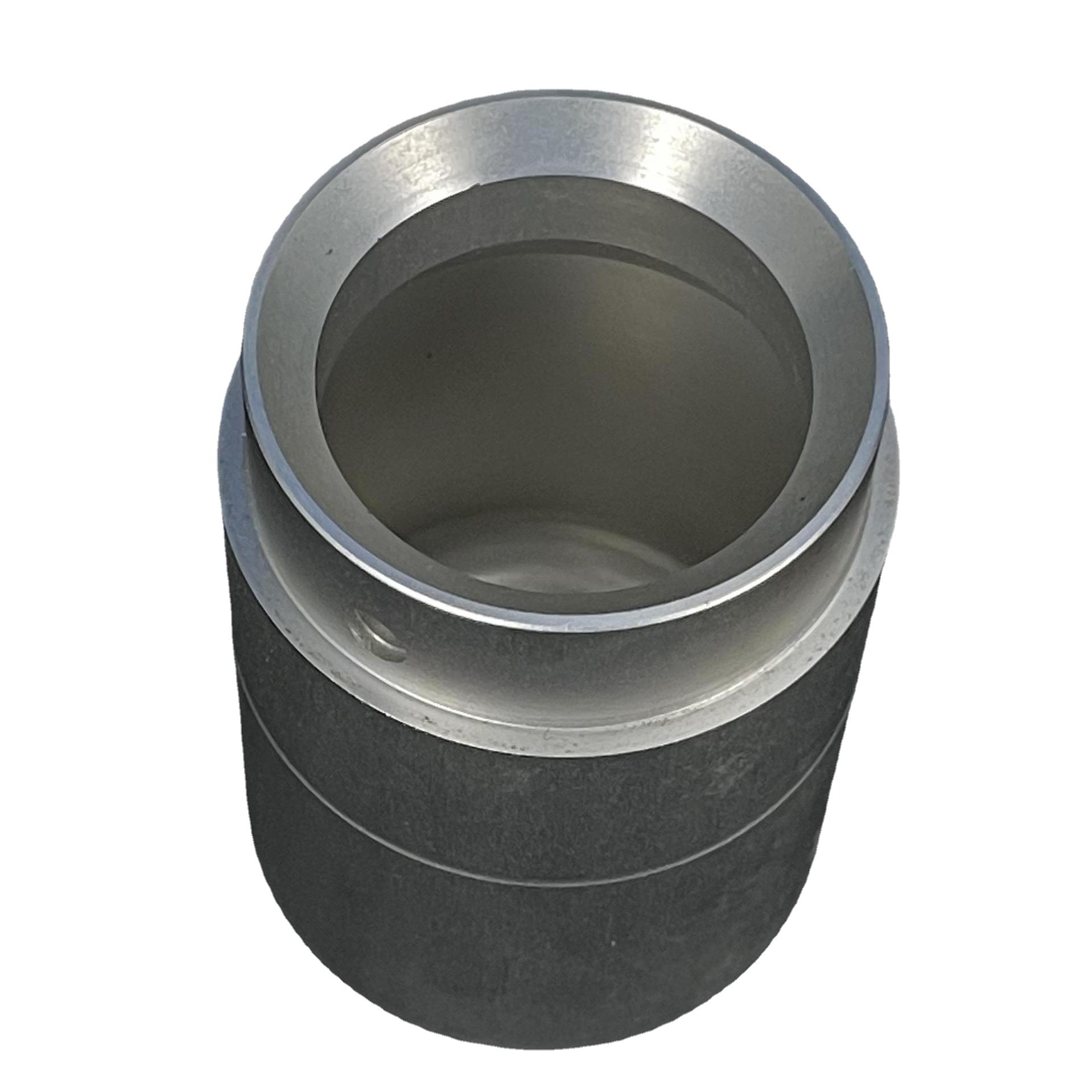
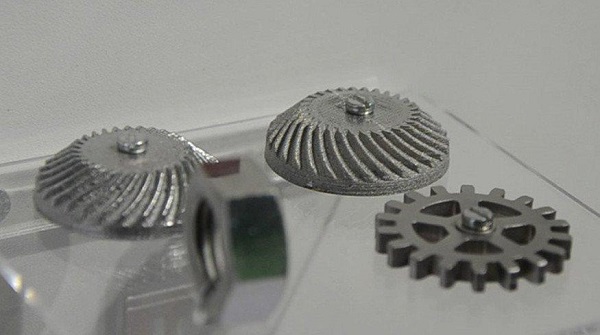
Prototype CNC machining is a subtractive manufacturing process. A computer controls a cutting tool. That tool removes material from a solid block. The result? A finished part that matches your 3D model.
The main processes include:
- CNC milling — cuts flat or shaped surfaces from a block.
- CNC turning — shapes round parts on a lathe.
- Multi-axis machining — handles complex geometries in one setup.
Unlike 3D printing, you start with a real piece of metal or plastic. You do not build up layer by layer. This matters a lot. We will get into why later.
How It Differs from Production CNC
| Feature | Prototype CNC | Production CNC |
|---|---|---|
| Quantity | 1–100 parts | 100–100,000+ parts |
| Tooling | None or minimal | Custom tooling required |
| Lead Time | 1–5 days | 2–8 weeks |
| Cost Per Part | Higher per unit | Much lower per unit |
| Purpose | Test & validate | Mass manufacture |
The key difference? Prototype CNC skips the tooling step. That alone changes everything about speed and cost.
Who Uses It Most?
Engineers in these industries rely on it daily:
- Aerospace — titanium brackets, fuel nozzles
- Medical devices — surgical tool housings, implant prototypes
- Automotive — engine components, custom jigs
- Consumer electronics — enclosures, heat sinks, connectors
- Robotics — structural frames, gear housings
Speed: How It Cuts Development Time
Typical Lead Times Compared
Let me be blunt. If you use traditional methods, you are looking at 4–12 weeks for a prototype. That includes tooling design, mold making, and sample runs.
With prototype CNC machining, most shops deliver in 1–5 business days. Some offer same-day or next-day service for simple parts.
Here is a real-world comparison:
| Method | Typical Lead Time | Best For |
|---|---|---|
| Injection Molding | 4–8 weeks | High volume only |
| 3D Printing (SLA/SLS) | 3–7 days | Visual models, low stress |
| Prototype CNC Machining | 1–5 days | Functional metal/plastic parts |
| Die Casting | 6–10 weeks | High volume metal parts |
Why Speed Matters More Than You Think
Every week of delay costs money. But it also costs market opportunity. A study by Product Development and Management Association (PDMA) found that companies that shorten their development cycle by just 10% see a 20% increase in revenue.
Fast prototypes mean fast feedback. Fast feedback means better products. Better products mean you win.
Cost Efficiency for Low-Volume Needs
No Tooling Costs — Ever
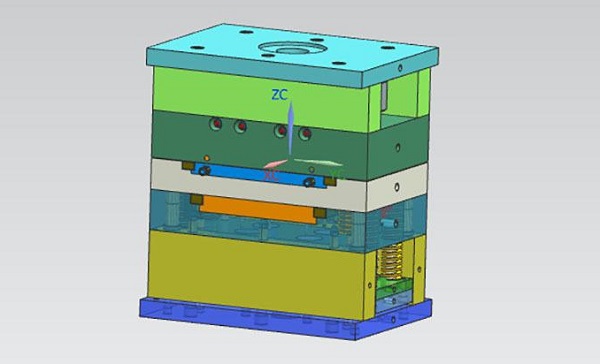
This is the big one. With injection molding, you pay 5,000–50,000+ just for the mold. Before you make a single part.
With prototype CNC machining, that cost is 0∗∗.Youpayonlyforthematerialandmachinetime.Foraone−offaluminumbracket,youmightpay∗∗50–$300. For a small batch of 10, the per-part cost drops even more.
When CNC Beats 3D Printing on Cost
| Scenario | 3D Printing Cost | CNC Machining Cost | Winner |
|---|---|---|---|
| 1 simple plastic part | 20–80 | 30–100 | 3D Printing |
| 1 metal part (aluminum) | 150–400 | 50–200 | CNC |
| 10 metal parts | 1,000–3,000 | 300–1,500 | CNC |
| 100+ identical parts | $5,000+ | 2,000–5,000 | Injection Mold |
Bottom line: For 1–50 metal parts, prototype CNC machining is almost always cheaper than 3D printing. And it gives you a better part.
Real Materials, Real Performance
Metals You Can Actually Machine
This is where CNC prototyping shines. You are not limited to plastic resin. You can machine:
| Material | Common Use Case | Key Benefit |
|---|---|---|
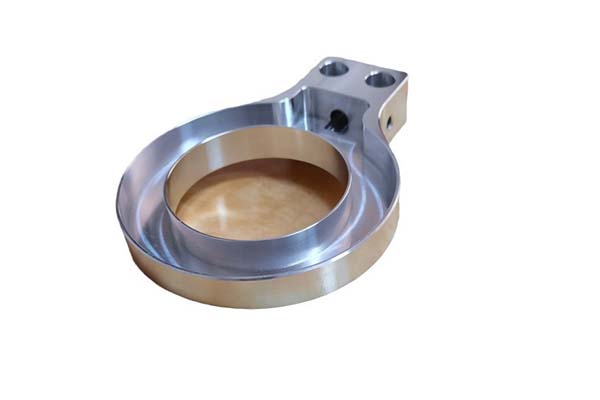
| Aluminum 6061/7075 | Enclosures, brackets, heat sinks | Light, strong, easy to machine |
| Stainless Steel 304/316 | Medical parts, food-grade components | Corrosion resistant |
| Titanium (Grade 5) | Aerospace, high-stress parts | Strongest metal-to-weight ratio |
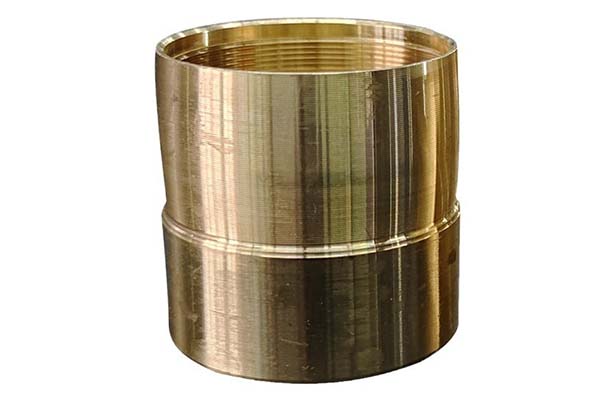
| Brass | Electrical connectors, fittings | Great conductivity, looks premium |
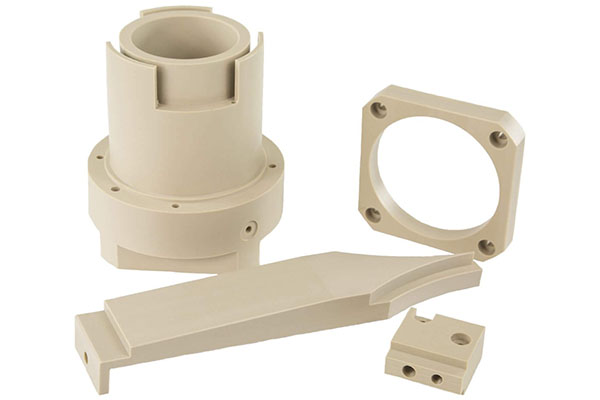
| POM / Delrin | Gears, sliders, bushings | Low friction, self-lubricating |
| PEEK | High-temp medical/aerospace parts | Handles 250°C+ |
Why Material Matters for Testing
A 3D-printed resin part will not tell you how your design handles heat, stress, or vibration. A CNC-machined aluminum part will.
For example, a startup I worked with was designing a drone motor mount. They 3D printed it first. It looked great. But under real flight loads, it cracked. They switched to CNC-machined 7075 aluminum. It held up perfectly. That one switch saved them from a product recall.
Precision That Matches Production Standards
Tolerances You Can Count On
Prototype CNC machining delivers tight tolerances. Most shops hold:
- ±0.005" (±0.127mm) for standard parts
- ±0.001" (±0.025mm) for precision parts
Surface finishes can reach 0.8–1.6 Ra micrometers. That is smooth enough for most functional and even cosmetic applications.
Fit-Checking Without Guesswork
When your prototype fits your assembly perfectly, you know your design works. No "it looks close enough." No "let's try it and see."
This matters because finding a fit problem after tooling is ordered can cost $10,000+ in rework. Catching it at the prototype stage? That costs you a few hundred dollars and a few days.
Design Freedom and Rapid Iteration
Change Your Design Without Losing Money
This is a huge advantage. With injection molding, every design change means a new mold. That is thousands of dollars and weeks of time.
With prototype CNC machining, you upload a new CAD file. The shop machines the new version. No penalty. No wasted tooling cost.
Run Multiple Versions at Once
| Design Iteration | Method | Time | Cost |
|---|---|---|---|
| Version 1 → Version 2 | Injection Mold | 3–4 weeks | $5,000+ |
| Version 1 → Version 2 | Prototype CNC | 1–2 days | 50–200 |
| Version 1 → Version 5 | Injection Mold | 3+ months | $20,000+ |
| Version 1 → Version 5 | Prototype CNC | 1–2 weeks | 250–1,000 |
You can test 3, 5, or even 10 design variants in the time it takes to make one molded sample. That is how you optimize fast.
Smooth Path from Prototype to Production
Same Process, Bigger Scale
Here is a secret most people miss: the CNC process you use for prototyping is the same one used for production. The machines are similar. The G-code is similar. The tolerances are the same.
This means when you move from prototype to production, there are no process surprises. You already know:
- How the part machines
- What tolerances are achievable
- What material behaves like under load
Catching Manufacturability Issues Early
About 40% of new product designs have manufacturability issues that are not caught until production. This comes from a study by the Manufacturing Extension Partnership (MEP).
Prototype CNC machining exposes these issues early. Wall thickness problems? Undercuts? Tool access issues? You see them all on your first physical part. Fix them now, not later.
| Issue | Caught at Prototype Stage | Caught at Production Stage |
|---|---|---|
| Design flaw | $200 fix, 2 days | $10,000+ fix, 4+ weeks |
| Material mismatch | Easy swap | Full re-tooling |
| Tolerance failure | Adjust CAD | Scrap entire batch |
Conclusion
Prototype CNC machining is not just a fast way to make parts. It is a strategic tool that saves you time, money, and headaches. It gives you real materials, real precision, and real feedback — all before you commit to expensive production tooling.
Whether you are a solo inventor or an engineering team at a Fortune 500, this method lets you fail fast, learn fast, and launch with confidence.
If your next product needs a prototype that actually works — not just looks good on a screen — CNC machining is the answer.
FAQ
What is the typical turnaround for prototype CNC machining?
Most shops deliver in 1–5 business days. Simple parts can ship same-day or next-day.
How much does a CNC prototype cost?
For a single aluminum part, expect 50–300. Complex multi-axis parts can run 500–2,000+. No tooling fees.
Can CNC prototypes use the same materials as production?
Yes. Aluminum, steel, titanium, brass, PEEK, Delrin, and many more engineering-grade materials are available.
Is CNC machining better than 3D printing for prototypes?
For metal parts and functional testing, yes. CNC gives better strength, precision, and surface finish. 3D printing wins for complex geometries in plastic only.
How many parts can I order as a prototype?
Anywhere from 1 to about 200 parts. Beyond that, you should start looking at production CNC or molding.
Can I test my prototype under real conditions?
Absolutely. That is the whole point. CNC parts handle heat, stress, vibration, and assembly just like final production parts.
Contact Yigu Technology for Custom Manufacturing
Need prototype CNC machining that delivers on time, on spec, and on budget? Yigu Technology specializes in fast-turn CNC prototyping for engineers and product teams worldwide.
📍 Get a free quote today — upload your CAD file and receive pricing within hours.
Your next great product starts with the right prototype. Let Yigu Technology make it real.