Introduction
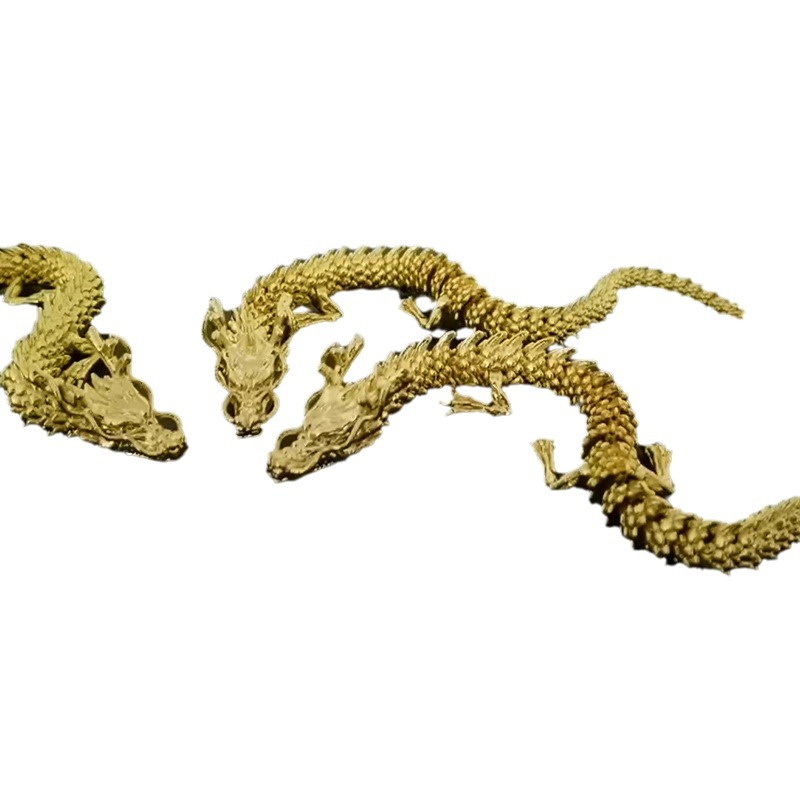
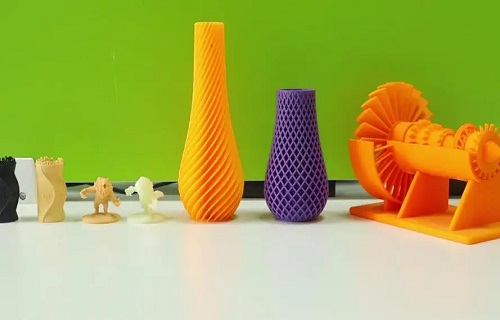
Walk into any design studio today, and you will see something that would have seemed like science fiction twenty years ago: designers creating objects with shapes that nature itself would envy. Organic lattices, internal channels, geometries that flow like water—all emerging from machines that build them layer by layer. 3D printing has fundamentally changed what it means to design a product. No longer constrained by what machines can cut or molds can form, designers now ask not "Can we make this?" but "What should we make?" This article explores how this technology is reshaping product design across industries, from aerospace to jewelry, and what it means for you.
What Makes 3D Printing Different for Designers?
Breaking Traditional Design Constraints
Traditional manufacturing imposes rules. Injection molding demands draft angles so parts release from molds. CNC machining requires tool access—you cannot cut what you cannot reach. Casting needs consistent wall thickness to avoid defects. These constraints become the invisible fences within which designers must work.
A designer creating a part for injection molding must think about:
- Where will the parting line be?
- How will the part eject?
- Can the mold be machined at all?
- Will undercuts require complex sliding mechanisms?
Each question adds cost and complexity. Sometimes, the answer is "impossible." The design dies on the drawing board.
CNC machining has its own limitations. Cutting tools need space. Internal corners must have radii matching tool diameters. Deep cavities require long tools that deflect. Material waste can exceed 90% for complex shapes. Designers learn to design around these limits, often compromising performance for manufacturability.
3D printing removes these fences. The printer builds layer by layer, adding material only where needed. Undercuts? Print them. Internal channels? Print them. Lattice structures that reduce weight while maintaining strength? Print them. The only real constraint is the printer's build volume.
Examples of Complex Designs Made Possible
Aerospace turbine blades now contain intricate internal cooling channels that follow the blade's curves. Air flows through these passages, keeping metal temperatures within safe limits despite inferno-like conditions. Traditional machining cannot create these channels. Casting requires ceramic cores that must later be removed—complicated and expensive. 3D printing builds blade and channels together in one operation.
Jewelry design has been transformed. Bohemiawerks, a design studio, created a collection with elaborate lattice structures. They spent 65 hours developing the geometry in FormZ software, testing over 40 different structures. Three different 3D printers built the final pieces in photopolymer resin. The result? Jewelry that looks like frozen foam, impossible to cast or carve by hand.
Medical implants now match patient anatomy perfectly. A hip replacement designed from CT scans fits exactly, reducing recovery time and improving outcomes. The porous surface structures encourage bone ingrowth—the implant becomes part of the patient rather than just a foreign object inside them.
How Does Rapid Prototyping Change Development?
The Significance of Speed
Before 3D printing, prototyping was an event. You designed, then waited weeks for a model. If it was wrong, you waited weeks again. Each iteration consumed time and budget. Companies limited design iterations not because they wanted to, but because they had to.
With 3D printing, prototyping becomes a routine. Design finishes at 5 PM. The printer runs overnight. By 9 AM, you hold a physical part. Test it. Find issues. Modify the CAD file. Print again tomorrow. A week of iteration now accomplishes what used to take months.
This speed transforms development:
- More design exploration: Try five variations instead of one
- Earlier user feedback: Show real parts to customers before committing
- Faster problem detection: Find assembly issues when changes are cheap
- Competitive advantage: Reach market faster than competitors
Comparison with Traditional Methods
| Factor | 3D Printing Prototyping | Traditional Prototyping |
|---|---|---|
| Time | Hours to days | Weeks to months |
| Cost per iteration | Low (material only) | High (tooling changes) |
| Design changes | Modify file, print again | Modify mold or retool |
| Material options | Many, but limited to printable materials | Wide, including production materials |
| Complexity cost | Free—complex parts cost same as simple | Expensive—complexity adds cost |
| Quantity | Single parts economical | Minimum quantities often required |
A simple plastic prototype that costs $20 and prints overnight with 3D printing might cost $2,000 and take three weeks using traditional methods. The difference compounds across multiple iterations.
Why Does Customization Matter Now?
Meeting Individual Customer Needs
Mass production assumes everyone wants the same thing. But humans are not identical. Our bodies differ. Our tastes differ. Our needs differ. 3D printing makes serving these differences economically viable.
Medical applications lead the way. Each patient's anatomy is unique. Off-the-shelf prosthetics compromise fit for inventory efficiency. With 3D printing, clinicians scan the patient, design a custom prosthetic, and print it—all within days. The result: better comfort, improved function, faster recovery.
Dental implants follow the same pattern. A scanned tooth becomes a digital model, then a printed crown that fits perfectly. No grinding. No adjustments. No multiple visits.
Consumer goods are catching up. Phone cases with your name or design. Jewelry sized to your finger. Eyewear frames matching your face. Products that would have cost thousands for custom tooling now cost little more than standard versions.
Case Studies of Customized Products
Personalized phone cases demonstrate the model. Customers upload photos or choose templates. Companies print cases on demand. No inventory. No waste. A study found customers willingly paid 20–30% premiums for these customized cases compared to standard versions. Satisfaction ratings exceeded those for mass-produced alternatives.
Custom furniture takes it further. A furniture company offered customers choice in style, size, and material for each piece. Traditional manufacturing would require separate tooling for each option—prohibitively expensive. With 3D printing, each piece prints individually. The company reported 15–20% higher profit margins on customized pieces compared to their standard line, driven by premium pricing and reduced inventory costs.
Hearing aids represent perhaps the most successful customization story. Today, nearly all hearing aids contain 3D printed shells. Audiologists scan ear canals. Designers create perfect-fit models. Printers produce them in biocompatible materials. Millions of people enjoy better comfort and sound quality because of this approach.
What Materials Can Designers Now Use?
The Expanding Material Palette
Early 3D printing meant plastics—and not many of them. Today's material options span the engineering spectrum:
| Material Type | Examples | Key Properties | Typical Applications |
|---|---|---|---|
| Standard Plastics | PLA, ABS, PETG | Easy to print, low cost | Prototypes, consumer goods |
| Engineering Plastics | Nylon, Polycarbonate | Strong, durable, heat resistant | Functional parts, tools |
| Flexible Materials | TPU, TPE | Rubber-like elasticity | Gaskets, phone cases, soft grips |
| High-Performance Polymers | PEEK, PEKK | Very high temperature resistance | Aerospace, medical implants |
| Metals | Titanium, Stainless Steel, Aluminum | High strength, heat resistant | Aerospace, automotive, medical |
| Ceramics | Alumina, Zirconia | Hard, heat resistant, biocompatible | Dental implants, art pieces |
| Composites | Carbon fiber reinforced | Extremely strong, lightweight | Sports equipment, automotive |
Matching Materials to Product Requirements
The material choice directly affects product performance:
For strength: Titanium offers the highest strength-to-weight ratio among common metals. A titanium bicycle lug printed for a custom frame weighs less than aluminum but carries more load.
For flexibility: TPU (thermoplastic polyurethane) bends and stretches. Phone cases printed in TPU absorb shock from drops. Gaskets seal irregular surfaces.
For heat resistance: PEEK (polyetheretherketone) withstands temperatures over 250°C. Components near hot engines or in sterilization cycles benefit from its stability.
For biocompatibility: Certain polymers and titanium alloys meet medical standards. Implants printed from these materials integrate safely with human tissue.
For aesthetics: Ceramics and high-resolution resins produce smooth, detailed surfaces. Jewelry, art pieces, and visible consumer products leverage these materials for appearance.
Designers now select materials based on desired properties rather than manufacturing constraints. This shift enables products optimized for performance rather than compromise.
How Is 3D Printing Changing Design Thinking?
From Manufacturing-First to Function-First
Traditional design workflow: conceive idea, then check if it can be made. If not, change the idea. Manufacturing capabilities dictated design decisions.
3D printing workflow: conceive idea, design for optimal function, then print. Manufacturing follows design rather than constraining it.
This reversal changes everything. Designers ask "What would work best?" instead of "What can we make?" The answers lead to better products.
Design for Additive Manufacturing (DfAM)
A new discipline has emerged: Design for Additive Manufacturing. DfAM principles differ from traditional design rules:
Consolidate assemblies: Print multiple parts as one piece. A mechanism that previously required 10 assembled components can print as a single unit with integrated joints. Fewer parts mean fewer failure modes and lower assembly cost.
Optimize for weight: Use lattice structures where solid material isn't needed. A bracket that was 100% solid can become 20% lattice, 80% solid, saving weight while maintaining strength.
Design for no supports: Orient parts to minimize overhangs. Use 45-degree rules to self-support features. Add fillets strategically.
Incorporate complexity freely: Internal channels, organic shapes, variable wall thickness—all become design options rather than manufacturing challenges.
Iterative Design Culture
When prototyping costs almost nothing per iteration, design culture shifts. Designers experiment more. They test multiple approaches. They learn from failures quickly.
This culture produces better outcomes. A study of product development teams found that those using 3D printing for prototyping completed 3–5 times more design iterations than teams using traditional methods. Final products scored higher on user satisfaction and performance metrics.
What Does This Mean for Different Industries?
Aerospace: Weight Is Everything
Every kilogram saved in flight saves thousands in fuel over an aircraft's life. 3D printing enables weight reduction through:
- Lattice structures replacing solid material
- Topology optimization placing material only where stressed
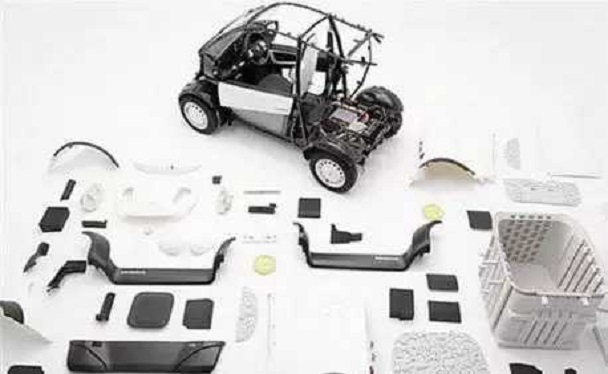
- Part consolidation eliminating fasteners and joints
GE Aviation's LEAP engine fuel nozzle exemplifies this. Previously welded from 20 parts, it now prints as one piece. Weight dropped 25% . Durability increased fivefold. Over 100,000 nozzles printed to date.
Medical: Customization Is Health
Human bodies vary. Standard implants compromise. 3D printing delivers:
- Patient-matched implants from CT scan data
- Porous surfaces encouraging bone integration
- Surgical guides for precise procedures
- Anatomical models for practice and planning
Patients with 3D printed hip implants recover 30% faster according to some studies. Customization directly improves outcomes.
Automotive: Speed Matters
Car development cycles compress yearly. 3D printing helps through:
- Rapid prototyping of new designs
- Custom tooling for assembly lines
- Small-batch production of specialty parts
- Replacement parts for vintage vehicles
Ford uses 3D printing for prototype parts in days rather than weeks. The speed lets them test more designs and launch vehicles faster.
Consumer Goods: Personalization Wins
Consumers increasingly expect products that reflect their identity. 3D printing enables:
- Mass customization at near-mass-production costs
- Limited editions without tooling investment
- Direct-to-consumer models skipping retail
- Sustainable production on demand
Companies offering customization report 20–30% price premiums and higher customer loyalty.
How Does Yigu Technology Apply These Principles?
As a non-standard plastic and metal products custom supplier, Yigu Technology lives at the intersection of design and manufacturing. We see daily how 3D printing transforms what's possible.
Our Experience in Action
A robotics company needed a lightweight gripper with integrated pneumatic channels. Traditional machining would require drilling passages and sealing them—multiple parts, potential leak paths. We printed the entire gripper in one piece, channels included. Weight dropped 40%. Assembly time vanished. The client's robot picked faster with less energy.
A medical device startup required iterative prototypes of a surgical instrument. Each design change with traditional methods meant weeks and thousands of dollars. We printed overnight. They tested, learned, and revised daily. From concept to final design took three weeks instead of six months.
Matching Design to Process
Our engineers evaluate each project against DfAM principles:
- Can we consolidate parts?
- Can we reduce weight through lattices?
- Can we add functionality through complexity?
- What material best serves the application?
If 3D printing offers advantages, we use it. If traditional methods serve better, we recommend them. This honesty ensures clients get the right solution.
Material Expertise
We maintain relationships with material suppliers to access the full spectrum:
- Engineering plastics for functional prototypes
- Metals for production components
- Flexible materials for soft-touch applications
- Biocompatible options for medical devices
This range lets us match material to application precisely.
Conclusion
3D printing is not just another manufacturing technology. It is a fundamental shift in how products are conceived, designed, and brought to market. By removing traditional manufacturing constraints, it liberates designers to focus on function rather than feasibility.
The impacts ripple through every industry:
- Aerospace builds lighter, more efficient components
- Medical delivers customized implants improving patient outcomes
- Automotive develops vehicles faster with better designs
- Consumer goods offer personalization at reasonable cost
Rapid prototyping accelerates development cycles from months to days. Material diversity expands what's possible. Design thinking evolves from manufacturing-first to function-first.
But 3D printing does not replace traditional manufacturing. It complements it. High-volume production still belongs to injection molding and casting. The future lies in knowing when to use each approach—leveraging 3D printing for complexity, customization, and speed while using traditional methods for scale.
For designers, the message is clear: dream bigger. The limits you learned in school—draft angles, tool access, undercuts—no longer apply. What matters now is what the product should do, not how you will make it.
Frequently Asked Questions
Q1: How does 3D printing give designers more freedom?
It removes traditional manufacturing constraints like draft angles, tool access, and undercut limitations. Designers can create complex internal channels, lattice structures, and organic shapes that would be impossible or prohibitively expensive with machining or molding.
Q2: What is rapid prototyping, and why does it matter?
Rapid prototyping means creating physical models directly from digital designs in hours or days rather than weeks or months. It matters because it allows more design iterations, earlier user feedback, faster problem detection, and shorter development cycles.
Q3: Can 3D printing produce customized products economically?
Yes. Unlike traditional manufacturing where each unique design requires new tooling, 3D printing produces each part individually from digital files. This makes customization economically viable even for single items.
Q4: What materials can be used in 3D printing for product design?
The range includes plastics (PLA, ABS, nylon), engineering polymers (polycarbonate, PEEK), metals (titanium, stainless steel, aluminum), ceramics, and composites. Each offers different properties for different applications.
Q5: Is 3D printing replacing traditional manufacturing?
No. It complements traditional manufacturing. 3D printing excels at complexity, customization, and low volumes. Traditional methods like injection molding remain more economical for high-volume production. Smart manufacturers use both.
Q6: How should designers learn to design for 3D printing?
Study Design for Additive Manufacturing (DfAM) principles. Understand how to consolidate assemblies, optimize for weight, design for no supports, and incorporate complexity. Practice with real projects. Learn from failures.
Q7: What industries benefit most from 3D printing in design?
Aerospace (lightweight components), medical (custom implants), automotive (rapid prototyping), and consumer goods (personalization) lead adoption. But any industry with complex parts, custom requirements, or development pressure can benefit.
Contact Yigu Technology for Custom Manufacturing
Ready to explore how 3D printing can transform your product designs? At Yigu Technology, we combine design expertise with manufacturing capability. Our team helps you apply DfAM principles, select the right materials, and deliver quality parts on schedule.
Visit our website to see our capabilities. Contact us today for a free consultation and quote. Let's shape the future of your products together.