Introduction
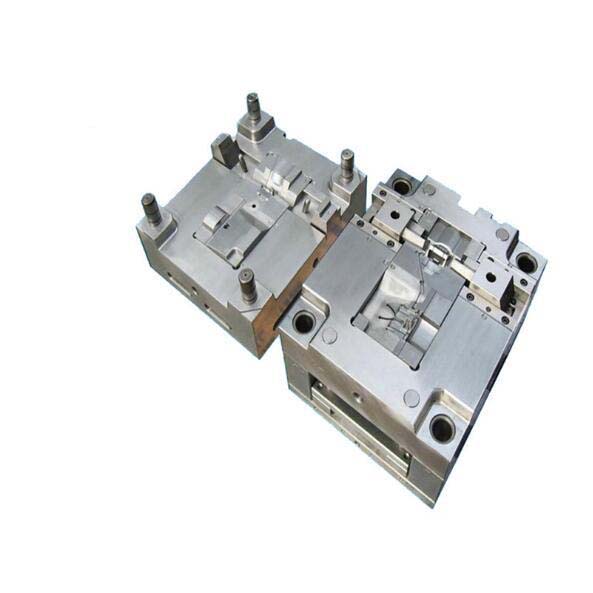
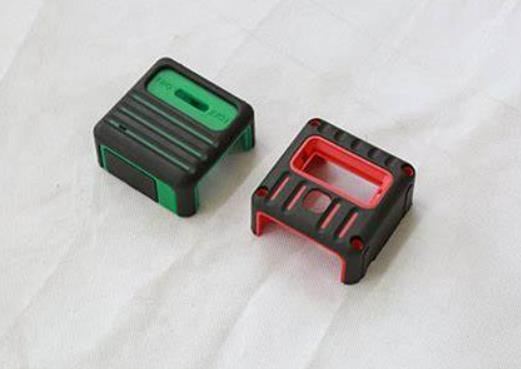
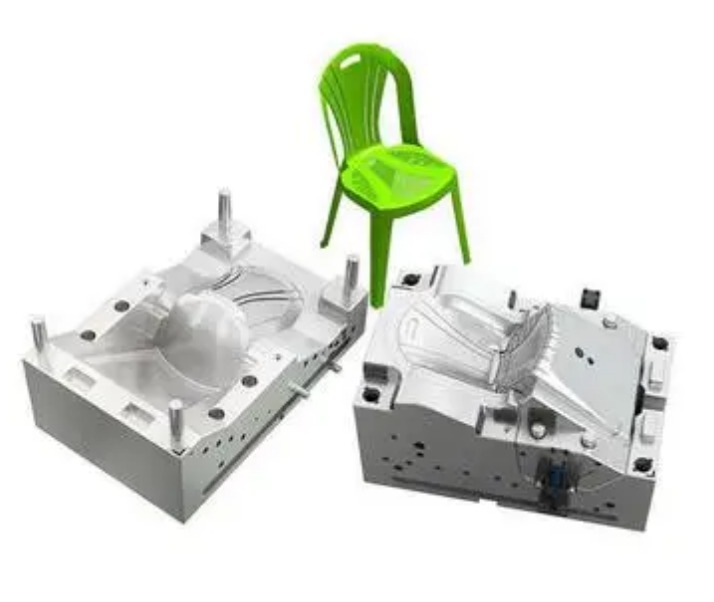
Injection molding is one of the most versatile manufacturing processes out there. It turns raw plastic into everything from smartphone cases to automotive dashboards. But here’s the catch: designing intricate injection molded components requires more than just creativity. Get the design wrong, and you’ll face warped parts, surface defects, or molds that simply won’t release.
The good news? Following a few essential rules can save you from costly mistakes. These guidelines help ensure your parts come out right the first time—strong, precise, and ready for production.
In this guide, we’ll cover five critical design rules. We’ll walk through material choices, wall thickness, draft angles, radii, and gate selection. Each rule comes with real-world examples and practical tips you can apply immediately.
Rule 1: How to Pick the Right Material?
Match Properties to Your Product Needs
The material you choose affects everything. Strength, flexibility, appearance, and even how easily the part molds all depend on this decision. Let’s look at three common options.
| Material | Key Properties | Best Applications |
|---|---|---|
| ABS | Good impact strength, balanced properties, moderate flow | Automotive interiors, electronics housings, toys |
| PP | Lightweight, chemical-resistant, flexible, low cost | Food containers, hinges, packaging |
| PC | Outstanding impact resistance, optical clarity, dimensional stability | Safety helmets, lenses, medical devices |
ABS offers a great all-around balance. It handles impacts well and takes surface finishes nicely. A car’s dashboard trim often uses ABS because it needs to look good and survive daily wear.
PP is the go-to for anything with a hinge. Think of a ketchup bottle cap. That thin living hinge opens hundreds of times without breaking. PP also resists chemicals, making it ideal for containers.
PC is tough. Really tough. Safety glasses and bulletproof windows use it. If your part needs to survive serious impacts or stay crystal clear, polycarbonate is hard to beat.
Consider Flowability During Processing
Different materials flow differently in the mold. ABS flows moderately well. It can fill complex shapes but may need higher injection pressure. PP flows easily, which makes it great for thin walls. PC flows poorly by comparison. It needs higher temperatures and pressures to fill intricate details.
A medical device company once designed a thin-walled housing using PC. They didn’t account for its poor flow. The mold wouldn’t fill completely. Adding flow analysis and adjusting gate locations solved the problem—but cost two weeks of delay.
Rule 2: Why Does Wall Thickness Matter?
Uniform Walls Prevent Defects
Here’s a fundamental truth: uniform wall thickness is non-negotiable. When walls vary in thickness, thick sections cool slower than thin ones. That uneven cooling creates internal stresses.
The result? Sink marks appear on the surface. These look like small depressions and ruin cosmetic quality. Worse, warpage can occur. The part twists out of shape as it cools.
Think of a plastic toy figure. If the body has thick spots, you’ll see sink marks right where they shouldn’t be. On a functional part, warpage means it won’t fit with other components.
Recommended Thickness Ranges
Match wall thickness to your part size and function.
- Small components (0.5–1.5 mm): Buttons, small connectors, delicate parts
- Medium components (1.5–3 mm): Appliance housings, tool bodies, consumer goods
- Large components (3–5 mm): Automotive bumpers, industrial enclosures, structural parts
A client once designed a blender housing with walls ranging from 2 mm to 6 mm. The thick sections sank visibly. We revised the design to maintain 2.5 mm throughout. The part came out clean, and material costs dropped by 12%.
Rule 3: What Is a Draft Angle and Why Do You Need It?
Smooth Ejection Depends on Draft
The draft angle is a slight taper on vertical walls. It allows the part to release from the mold easily. Without it, the part can stick. When forced out, it may scratch, crack, or even break.
Imagine pulling an ice cube tray. If the tray had perfectly straight walls, the cubes would jam. A slight taper lets them slide out. Same principle here.
Standard Draft Angle Values
The right angle depends on your material and surface finish.
| Material | Smooth Surface | Textured Surface |
|---|---|---|
| PP, PE | 0.5–1.0° | 1.5–2.5° |
| ABS, PC | 1.0–1.5° | 2.0–3.0° |
Why the difference? Materials like PP have low friction. They slide out easily. PC grips more, so you need more angle. Textured surfaces create mechanical lock, requiring even more taper.
A manufacturer producing textured electronic housings used only 1° draft. Parts stuck in the mold every third cycle. Increasing draft to 2.5° eliminated the problem and boosted output by 20%.
Rule 4: How Do Radii Improve Strength?
Rounded Corners Reduce Stress
Sharp corners are weak points. When a part experiences load, stress concentrates at those sharp internal edges. Over time, cracks form and spread.
Adding radii—rounded corners—spreads stress across a larger area. The part becomes stronger without adding material.
Consider a plastic bracket holding a heavy component. A sharp internal corner might crack after a few months of vibration. A radius of 1–2 mm at that corner distributes the force and prevents failure.
Better Flow with Rounded Features
Radii also help during molding. Molten plastic flows smoothly around rounded corners. Sharp corners create turbulence. That turbulence can cause flow marks or weld lines—visible lines where two flow fronts meet.
In one case, a consumer electronics company had visible weld lines on a glossy housing. Adding small radii to internal corners eliminated the lines and improved surface quality without changing the external appearance.
Rule 5: Which Gate Type Should You Choose?
Gate Design Affects Appearance and Quality
The gate is where molten plastic enters the mold cavity. Its type and location influence fill patterns, cosmetic quality, and post-processing work.
Here are three common gate types and their trade-offs.
| Gate Type | Filling Performance | Appearance | Removal Difficulty |
|---|---|---|---|
| Side gate | Good for medium parts; may cause weld lines | Leaves visible mark | Manual trimming; risk of burrs |
| Pin gate | Precise flow; ideal for small, detailed parts | Minimal mark | Requires fine tools; gate can break |
| Submarine (tunnel) gate | Smooth, uniform flow | No visible mark | Self-shearing; automated removal |
When to Use Each Type
Side gates work well for medium-sized parts where appearance isn’t critical. A storage box or industrial component is fine. But for a glossy consumer product, that visible gate scar may be unacceptable.
Pin gates are perfect for small, precise parts. Think of a gear or a connector. The small mark left behind is barely noticeable. However, removal can be tricky. If the gate is too fragile, it may break unevenly.
Submarine gates are the gold standard for appearance. They sit below the parting line and shear off automatically during ejection. No visible mark remains. Automotive interior parts often use submarine gates because every visible surface must be flawless.
A medical device manufacturer needed a syringe plunger with a smooth surface. They chose a submarine gate. The parts came out mark-free, and automated shearing kept cycle times fast.
Conclusion
Designing intricate injection molded components doesn’t have to be intimidating. Follow these five rules and you’ll avoid common pitfalls:
- Pick the right material for strength, flow, and function
- Maintain uniform wall thickness to prevent warpage and sink marks
- Add proper draft angles for smooth ejection
- Use radii at corners to improve strength and flow
- Select the appropriate gate type for appearance and efficiency
Each rule builds on the others. Together, they form a foundation for parts that mold reliably, perform well, and look great.
FAQ
How do I choose the right material for my injection molded component?
Start by listing your performance needs: impact strength, flexibility, chemical resistance, and appearance. Then match those to material properties. ABS offers balance, PP gives flexibility and low cost, and PC provides high impact and clarity. For demanding applications, consider engineering resins like nylon or glass-filled materials.
Why is uniform wall thickness so important?
Uneven walls cool at different rates. Thick sections shrink more, creating internal stress. This leads to visible sink marks on the surface and warpage that distorts the part’s shape. Uniform walls eliminate these issues and reduce cycle time.
What happens if I don’t add a draft angle?
Parts will stick in the mold. Ejector pins may push hard enough to scratch, deform, or crack the part. In severe cases, the mold may require disassembly to remove stuck parts. Draft angles are essential for reliable production.
How do I determine the right gate type for my part?
Consider your part’s size, complexity, and cosmetic requirements. For visible surfaces, choose submarine or pin gates. For large or structural parts where appearance matters less, side gates work well. Simulation software can help predict filling behavior and optimize gate location.
Can I combine multiple gate types in one mold?
Yes, large or complex parts often use multiple gates. But adding gates introduces weld lines where flow fronts meet. Place gates strategically to minimize visible defects and ensure complete filling.
Contact Yigu Technology for Custom Manufacturing
At Yigu Technology, we specialize in non-standard plastic and metal custom manufacturing. Our engineers apply these design rules every day—helping clients avoid costly mistakes and produce high-quality components. Whether you’re developing a new product or optimizing an existing design, we’re ready to help.
[Contact Yigu Technology today] to discuss your project and get expert guidance from design through production.