Introduction
Every manufacturer knows the frustration. A mold scratches after a few hundred cycles. A tool corrodes from mold release agents. A surface finish fails to meet cosmetic standards. These issues derail production, increase scrap rates, and hurt profitability.
The root cause is often the same: choosing the wrong plastic mold steel.
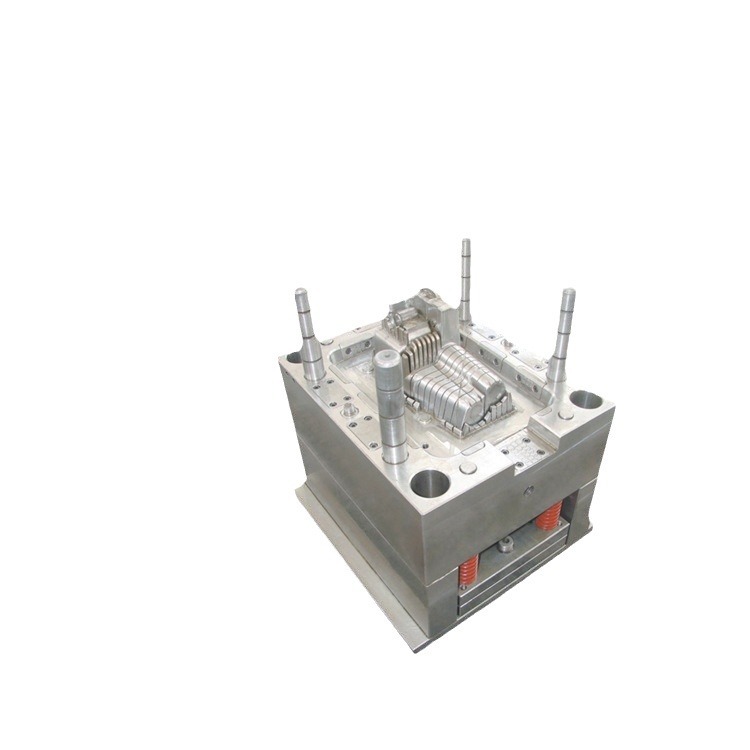
Unlike hot work or cold work steels, plastic mold steels must balance wear resistance, corrosion resistance, and polishability. They face unique demands—from smooth surface finishes for cosmetic parts to resistance against aggressive mold release agents.
This guide breaks down the types of plastic mold steels, their key properties, and how to select the right one for your application. You will learn how to avoid costly mistakes and keep production running smoothly.
What Are the Main Types of Plastic Mold Steels?
Pre-Hardened Steels
Pre-hardened steels like 718H and NAK80 are the workhorses of plastic mold making. They come ready to use with a hardness of 30–45 HRC. No post-machining heat treatment is needed.
These steels are ideal for low-to-medium volume production. They offer good machinability and save time. NAK80, a popular Japanese grade, polishes to a mirror finish without additional treatment—reducing surface finishing time significantly.
Cold Work Tool Steels
For high-wear applications—such as molding glass-filled plastics—cold work steels like D2 and DC53 excel. With hardness up to 60 HRC, they resist abrasion and extend mold life by 50 to 70 percent compared to pre-hardened steels.
The trade-off is lower toughness. These steels are best suited for simple geometries without thin sections that could crack under stress.
Hot Work Tool Steels
When molding high-temperature plastics like PEEK or PEI (processed at 500°F+), hot work steels such as H13 and 8407 are necessary. Their thermal stability prevents warping and ensures consistent part dimensions even under prolonged heat exposure.
Stainless Steels
For medical or food-grade applications where corrosion resistance is critical, stainless steels like 420 and S136 are the gold standard.
S136 offers exceptional resistance to mold release agents and coolants. It is a top choice for cleanroom environments. It also polishes to a high finish, making it suitable for transparent parts like lenses.
Aluminum Alloys
While not steel, aluminum grades like 7075 and 6061 are used for low-volume prototyping or short-run production. Aluminum machines quickly and conducts heat efficiently, reducing cycle times by 10 to 15 percent.
However, low hardness (150–200 HB) limits life to 10,000–50,000 cycles. Aluminum is unsuitable for high-volume runs or abrasive plastics.
What Key Properties Should You Consider?
| Property | Pre-Hardened | Cold Work | Stainless | Aluminum |
|---|---|---|---|---|
| Hardness (HRC) | 30–45 | 55–60 | 30–40 | 150–200 HB |
| Toughness | Good | Moderate | Good | Moderate |
| Corrosion Resistance | Fair | Poor | Excellent | Poor |
| Polishability | Excellent (NAK80) | Fair | Excellent (S136) | Good |
| Machinability | Excellent | Good (annealed) | Moderate | Excellent |
Hardness
Hardness determines wear resistance. Pre-hardened steels balance machinability and wear for general use. Cold work steels offer maximum wear resistance for abrasive plastics. Stainless steels prioritize corrosion resistance over extreme hardness.
Toughness
Toughness prevents cracking, especially in molds with complex geometries or thin walls. Pre-hardened and stainless steels offer better toughness than cold work steels, making them more forgiving in demanding designs.
Corrosion Resistance
Molds exposed to water-based coolants or aggressive mold release agents need good corrosion resistance. Stainless steels like S136 outperform other types here, offering 3 to 4 times better corrosion resistance than pre-hardened steels.
Polishability
For cosmetic parts like smartphone casings or automotive interiors, a smooth surface finish—Ra ≤0.02 μm—is vital. NAK80 and S136 excel, requiring less polishing time than D2 or H13.
Machinability
Pre-hardened steels and aluminum are easiest to machine, with cutting speeds up to 100 SFM. Cold work steels machine well in their annealed state but require carbide tools. Stainless steels are more challenging due to work-hardening; slower speeds (50–70 SFM) and sharp tools are essential.
Where Are These Steels Used?
Injection Molding
Injection molding uses a range of steels:
- Pre-hardened steels (718H, NAK80) handle 80% of general-purpose jobs
- Cold work steels (D2) tackle glass-filled nylons
- Stainless steels (S136) are used for medical parts
Blow Molding
For large parts like bottles or containers, pre-hardened steels (718H) are preferred for toughness and machinability. Their moderate wear resistance suffices for low-abrasion plastics like PET.
Compression Molding
Used for thermoset plastics like epoxy and phenolic, compression molding benefits from hot work steels (H13) due to high temperatures (300–400°F). H13 resists thermal fatigue, ensuring long life in repeated heating cycles.
Automotive Parts
From interior trim to underhood components, automotive molds require durability. Pre-hardened steels work for non-abrasive parts. Cold work steels are used for glass-filled polypropylene components like intake manifolds.
Consumer Electronics
For sleek, high-finish parts—smartphone cases, laptop shells—NAK80 and S136 are ideal. Their ability to achieve mirror finishes reduces post-processing and ensures parts meet strict aesthetic standards.
How Are Plastic Mold Steels Machined and Fabricated?
Precision Machining
Pre-hardened steels and aluminum machine easily with HSS or carbide tools. For stainless and cold work steels, carbide tools with a positive rake angle reduce cutting forces and prevent work hardening.
Recommended speeds:
- Pre-hardened steels: 70–100 SFM
- Stainless steels: 50–70 SFM
- Cold work steels: 40–60 SFM
CNC Milling
Three-axis and five-axis CNC milling are standard for creating complex mold cavities. Pre-hardened steels maintain tight tolerances (±0.0001 inches) during milling. Stainless steels may require additional passes to compensate for tool deflection.
EDM (Electrical Discharge Machining)
EDM is essential for intricate details or hard steels like D2. It creates precise shapes without mechanical stress. For stainless steels, using deionized water as a dielectric improves surface finish and reduces corrosion risk.
Grinding
Final grinding ensures flatness and dimensional accuracy. Resin-bonded wheels work best for pre-hardened and stainless steels. Diamond wheels are needed for cold work steels to avoid wheel wear.
Heat Treatment
Cold work steels require hardening and tempering after machining to achieve full hardness. For D2, heating to 1,800°F, quenching in oil, and tempering at 400°F results in 58–60 HRC. Pre-hardened steels skip this step, saving time but limiting hardness.
Surface Finishing
Polishing is critical for cosmetic molds. Starting with 400-grit sandpaper and progressing to 1200-grit, then buffing with diamond compound, achieves Ra 0.01–0.02 μm finishes on NAK80 and S136. Cold work steels require more effort due to their carbide content.
How Do You Maintain and Repair Plastic Mold Steels?
Mold Cleaning
Regular cleaning removes plastic residue and mold release agents that cause staining or corrosion. For stainless steels, use mild, non-chlorinated cleaners to avoid pitting. Pre-hardened steels benefit from periodic rust prevention treatments during storage.
Surface Treatment
For worn molds, re-polishing restores surface finish. Cold work steels may require re-grinding to remove scratches. Stainless steels can be passivated after polishing to enhance corrosion resistance.
Repair Welding
Small cracks or worn edges can be repaired with matching filler materials. Pre-hardened steels weld well with low-heat processes like TIG welding. Stainless steels require matching stainless filler to maintain corrosion resistance. Post-weld heat treatment is necessary for cold work steels to restore hardness.
Inspection
Regular visual and ultrasonic inspections catch issues early. Look for signs of wear—scratches, uneven parting lines—or corrosion, especially in cooling channels where moisture accumulates.
Quality Control
After repairs, verify dimensions and surface finish to ensure parts meet specifications. For critical molds, 3D scanning can confirm that repaired areas match the original design.
Yigu Technology’s Perspective
As a custom manufacturing supplier, we know that choosing the right plastic mold steel is make-or-break for production efficiency.
For most general applications, we recommend pre-hardened steels like 718H. They offer the best balance of cost, machinability, and performance.
For clients molding abrasive or high-temperature plastics, we specify cold work or hot work steels. This often increases mold life by 50 percent or more compared to their previous materials.
Our in-house machining team specializes in stainless steels like S136, delivering the mirror finishes required for medical and electronics parts. By matching the steel to the application, we help clients reduce scrap rates and extend mold life—ultimately lowering total production costs.
Conclusion
Selecting the right plastic mold steel requires balancing multiple factors. Pre-hardened steels offer excellent machinability and polishability for general applications. Cold work steels deliver superior wear resistance for abrasive plastics. Hot work steels withstand the high temperatures of advanced engineering resins. Stainless steels provide corrosion resistance essential for medical and food-grade applications.
Understanding these options—and their properties—helps you match the material to your specific production needs. The right choice extends mold life, reduces downtime, and ensures consistent part quality.
FAQ
What is the best plastic mold steel for high-volume production?
For high-volume runs with non-abrasive plastics, pre-hardened steels like 718H are ideal. They offer good wear resistance and toughness at a reasonable cost. For abrasive plastics like glass-filled materials, cold work steels like D2 last longer despite higher upfront costs.
When should I use stainless steel for plastic molds?
Stainless steel (S136) is necessary for medical, food, or cosmetic applications where corrosion resistance or strict cleanliness is required. It is also a good choice for molds using aggressive mold release agents that would degrade other steels.
Can aluminum molds be used for plastic injection molding?
Aluminum is suitable for low-volume production (10,000–50,000 cycles) or prototyping. It machines quickly and cools fast, reducing cycle times. However, its low hardness makes it unsuitable for high-volume runs or abrasive plastics.
Contact Yigu Technology for Custom Manufacturing
Looking for plastic mold steels that deliver precision and durability? Yigu Technology specializes in custom non-standard plastic and metal products. Our team matches the right steel to your application, ensuring long mold life and consistent part quality.
Reach out today to discuss your next project. Let us help you choose the material that performs.