Introduction
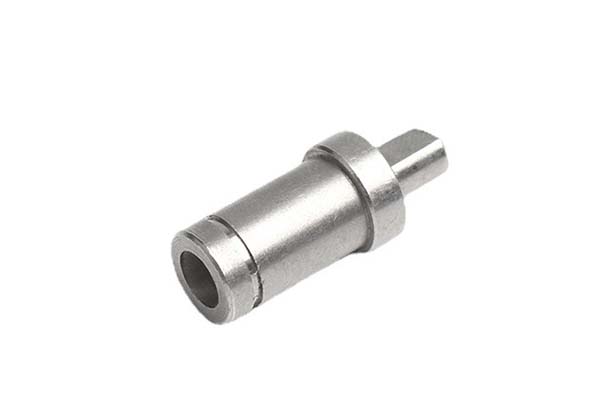
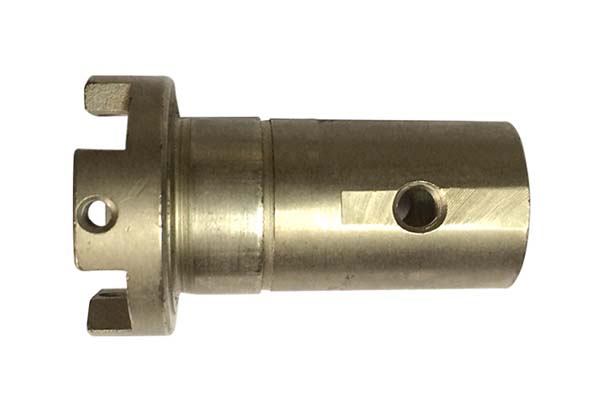
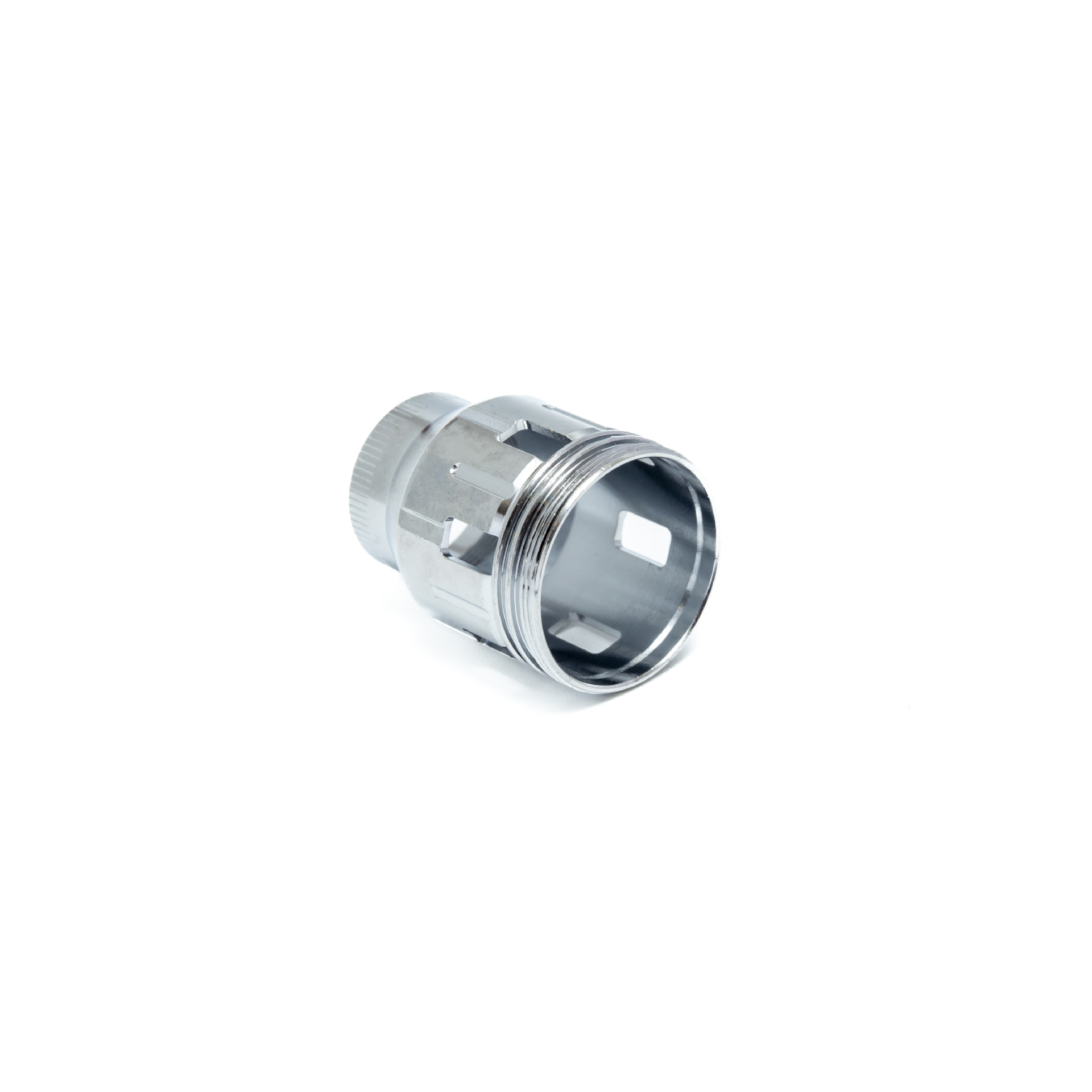
Aerospace machining is a specialized field requiring advanced technologies and high precision to create complex components used in aircraft and spacecraft. This sector demands the highest standards for quality, strength, and reliability due to the critical nature of the parts involved. From aircraft engines and airframes to spacecraft structures, components must meet extremely stringent specifications related to precision, strength, lightweight properties, and reliability. This guide explores the key techniques in aerospace machining —CNC machining, electrochemical machining (ECM), laser beam machining, and additive manufacturing—as well as the challenges of working with aerospace materials and maintaining tight tolerances.
Why Is Aerospace Machining Critical?
Aerospace machining refers to manufacturing parts specifically for the aerospace industry. The importance is paramount—safety, performance, and efficiency of air and space vehicles depend on component quality. Historically, machining was rudimentary with manual methods. The development of Computer Numerical Control (CNC) machining and additive manufacturing has transformed the industry, enabling production of more complex and precise components.
What Are the Key Techniques in Aerospace Machining?
Computer Numerical Control (CNC) Machining
CNC machining is one of the most widely used techniques in aerospace machining. CNC machines operate on computer-programmed instructions dictating tool movements—allowing precise cutting, shaping, and finishing.
| Advantage | Description |
|---|---|
| High precision and repeatability | Creates intricate parts with tight tolerances repeatedly without variations |
| Versatility | Works with metals, composites, and alloys commonly used in aerospace |
| Complex geometries | Produces shapes difficult or impossible with manual methods—ideal for aerospace components |
Electrochemical Machining (ECM)
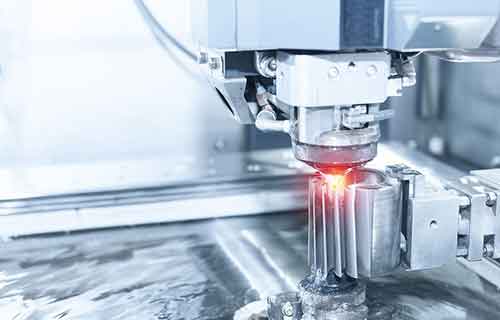
ECM is a non-traditional process using electrolysis to remove material. An electric current passes through an electrolyte solution to remove material at the anode (workpiece) without physical contact.
| Advantage | Description |
|---|---|
| Machining hard materials | Highly effective for titanium and superalloys common in aerospace |
| Excellent surface finish | Smooth finish without thermal damage |
| No mechanical stresses | No direct tool contact—avoids introducing mechanical stresses crucial for aerospace parts |
Laser Beam Machining (LBM)
LBM uses focused laser light to cut, engrave, or etch materials with high precision. The focused laser beam generates enough energy to vaporize material—creating clean cuts or fine details.
| Advantage | Description |
|---|---|
| High precision | Incredibly precise cuts—ideal for intricate aerospace parts with fine details or small geometries |
| Minimal heat-affected zone | Reduces thermal distortion risk in sensitive materials |
| Material versatility | Works on metals, composites, plastics, ceramics |
Additive Manufacturing (3D Printing)
Additive manufacturing builds parts layer by layer from digital models—revolutionizing aerospace machining.
| Advantage | Description |
|---|---|
| Complex geometries | Produces highly complex, optimized geometries—lightweight lattice structures, parts with internal channels |
| Reduced waste | Uses only material needed for part—more sustainable than subtractive methods |
| Faster prototyping | Rapid prototyping allows engineers to test and refine designs faster than traditional methods |
What Materials Are Used in Aerospace Machining?
| Material | Key Properties | Applications | Machining Considerations |
|---|---|---|---|
| Aluminum alloys (6061, 7075, 2024) | Favorable strength-to-weight ratio; corrosion resistance; ease of machinability | Aircraft fuselages, wings, engine components | Good machinability |
| Titanium alloys (Ti-6Al-4V) | High strength; low density; exceptional heat and corrosion resistance | Engine components, airframe structures | Hard to machine; generates high temperatures during cutting; requires specialized techniques |
| Composite materials (CFRP, GFRP) | Lightweight; high strength; tailored performance | Aircraft structures | Delamination risk; tool wear (carbon fiber abrasiveness); requires diamond-coated tools |
What Challenges Exist in Aerospace Machining?
| Challenge | Description |
|---|---|
| Material complexity | Highly specialized materials (titanium, composites) with unique properties require specialized techniques, tools, expertise |
| Tight tolerances | Components must adhere to extremely tight tolerances; sophisticated equipment, precise setups, highly skilled operators required |
| Lightweight yet strong components | Must balance low density with high strength—advanced materials (titanium, composites, superalloys) while maintaining manufacturability |
| Surface finish and quality | Critical for components exposed to extreme conditions (high temperature, pressure, wear); techniques like ECM, laser machining, precision grinding achieve necessary finishes—reducing friction, improving aerodynamics, preventing corrosion |
What Future Trends Are Shaping Aerospace Machining?
| Trend | Description |
|---|---|
| Automation and robotics | Robotic systems and automated machining centers improve efficiency, reduce human error, achieve consistent results across large production runs; greater precision for complex components |
| Sustainable manufacturing practices | Reducing material waste, lowering energy consumption, recycling scrap materials; water-based cutting, environmentally friendly lubricants gaining popularity |
| Advancements in materials science | New materials—graphene, nanomaterials, high-performance polymers—offer improved strength-to-weight ratios, better heat resistance, greater durability |
Conclusion
Aerospace machining demands advanced techniques, precision, and the ability to work with complex materials. CNC machining provides high precision, repeatability, and complex geometry capabilities—critical for intricate components with tight tolerances. Electrochemical machining (ECM) machines hard materials (titanium, superalloys) without thermal damage or mechanical stresses. Laser beam machining (LBM) delivers high precision with minimal heat-affected zones for intricate parts. Additive manufacturing enables complex geometries (lightweight lattice structures, internal channels) with reduced waste and faster prototyping. Key materials include aluminum alloys (6061, 7075, 2024—aircraft fuselages, wings), titanium alloys (Ti-6Al-4V—engine components, airframes), and composites (CFRP, GFRP—lightweight high-strength structures). Challenges include material complexity, tight tolerances, lightweight/strength balance, and surface finish quality. Future trends—automation, sustainable practices, and materials science advancements—will continue shaping this critical industry.
FAQs
What is the most common material used in aerospace machining?
Aluminum alloys , especially 6061 , 7075 , and 2024 , are the most commonly used due to their excellent strength-to-weight ratio and corrosion resistance. Titanium alloys and composite materials like CFRP are also widely used for critical applications.
How does CNC machining benefit aerospace component manufacturing?
CNC machining offers high precision , repeatability , and complex geometry capabilities—crucial in aerospace. It allows manufacturers to produce intricate components with tight tolerances, ensuring aerospace parts meet rigorous standards for quality, performance, and safety.
What are the main challenges in aerospace machining?
Major challenges include material complexity (titanium, composites), the need for tight tolerances , and the requirement for components to be both lightweight and strong . Additionally, ensuring surface finish quality and dealing with tool wear when machining hard materials like titanium and composites present significant obstacles.
Contact Yigu Technology for Custom Manufacturing
At Yigu Technology , we specialize in precision aerospace machining for demanding applications. Our 3-axis, 4-axis, and 5-axis CNC machines achieve tight tolerances for aluminum alloys (6061, 7075, 2024), titanium alloys (Ti-6Al-4V), and composites. We combine advanced machining techniques with rigorous quality control—CMM inspection, surface finish testing—to deliver components that meet aerospace standards. From engine components to airframe structures, we provide DFM feedback to optimize your designs for manufacturability.
Ready to elevate your aerospace components with precision machining? Contact Yigu Technology today for a free consultation and quote. Let us help you achieve the strength, precision, and reliability your aerospace projects demand.