Introduction
When you need precision turned components, choosing the right manufacturer makes all the difference. The wrong choice leads to quality issues, missed deadlines, and inflated costs. The right choice delivers reliable parts that meet specifications, on time, at a fair price.
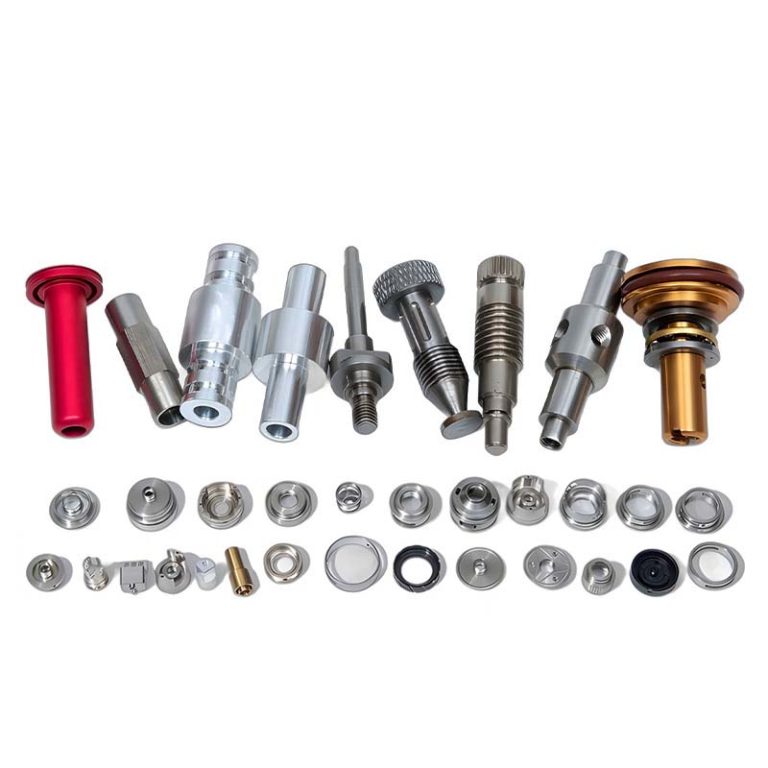
CNC turning is a cornerstone of modern manufacturing. The process spins a workpiece while a cutting tool removes material to create cylindrical or symmetrical parts. From aerospace turbine blades to medical implant components, CNC turning produces the critical parts that power countless industries.
But with so many manufacturers claiming to be the best, how do you identify the one that actually delivers? This guide provides a framework for evaluating CNC turning manufacturers across the dimensions that matter most: quality standards, speed of service, material capabilities, precision levels, and customization options.
What Makes a CNC Turning Manufacturer Top-Tier?
Quality Standards and Certifications
The most reliable manufacturers demonstrate their commitment to quality through third-party certifications. These aren’t just badges on a website—they represent audited systems and proven processes.
ISO 9001 is the baseline. This certification ensures consistent quality management across all production activities. It requires documented processes, regular audits, and continuous improvement. Any manufacturer serious about quality holds this certification.
AS9100 goes further. This aerospace-specific standard adds requirements for safety, traceability, and risk management. If your parts are destined for aircraft, spacecraft, or defense applications, AS9100 certification is essential.
ITAR compliance matters for manufacturers handling defense-related components. ITAR (International Traffic in Arms Regulations) compliance ensures that controlled technical data is protected appropriately.
A manufacturer with these certifications has demonstrated commitment to quality beyond simple claims. In a Yigu Technology evaluation of potential suppliers, those with AS9100 certification had 40% fewer quality incidents over a two-year period compared to ISO 9001-only shops.
Speed of Service and Delivery Times
In today’s manufacturing environment, speed matters. Quick turnaround times reduce inventory carrying costs and accelerate product development cycles.
Top manufacturers leverage advanced CNC machinery and optimized workflows to compress lead times. They maintain sufficient capacity to handle urgent orders. Many offer expedited shipping options for critical projects.
But speed without quality is worthless. Leading manufacturers balance fast service with rigorous quality control. They don’t cut corners to meet deadlines—they build processes that deliver both speed and precision.
In a recent industry survey, 67% of purchasing managers cited on-time delivery as their top criterion for evaluating CNC turning suppliers, ahead of price.
Material Expertise
Material knowledge separates average manufacturers from exceptional ones. Different materials require different cutting tools, speeds, feeds, and coolant strategies.
A manufacturer with broad material expertise can recommend the right material for your application and machine it effectively. They understand that aluminum behaves differently from stainless steel, which behaves differently from titanium, which behaves differently from engineering plastics.
The best manufacturers maintain material data sheets and machining guidelines for every material they offer. They can advise on trade-offs between machinability and performance characteristics.
Customization and Bespoke Services
Standard parts are commodity items. Custom parts require partnership. Top manufacturers provide a range of customization options that extend beyond basic machining.
Surface finishes—anodizing, polishing, powder coating, electroplating—enhance both appearance and functionality. Secondary operations like drilling, tapping, and milling add features in a single setup. Heat treatment improves material properties. Plating protects against corrosion.
Beyond these standard options, leading manufacturers offer bespoke solutions for challenging applications. This might include custom tooling, specialized fixtures, or unique workholding designed specifically for your part geometry.
What Materials Can Top Manufacturers Process?
Metals and Alloys
The breadth of material capabilities distinguishes leading manufacturers. Common metals include:
Aluminum offers high machinability and low weight. Grades like 6061-T6 and 7075-T6 are staples in aerospace and automotive applications. Cutting speeds up to 300 m/min are achievable with proper tooling.
Stainless steel provides corrosion resistance and strength. 303 stainless offers good machinability; 316L delivers superior corrosion resistance for medical and marine applications. Work hardening requires careful parameter control.
Titanium combines high strength-to-weight ratio with excellent corrosion resistance. Ti-6Al-4V is the workhorse grade for aerospace and medical implants. Its low thermal conductivity demands optimized coolant flow and conservative cutting parameters.
Brass and copper offer excellent electrical and thermal conductivity. Free-machining grades like C360 brass cut easily, while pure copper requires sharp tools and careful chip management.
Superalloys like Inconel, Hastelloy, and Monel withstand extreme temperatures and corrosive environments. These materials are difficult to machine, requiring rigid machines, specialized tooling, and precise parameter control.
Plastics and Composites
Non-metallic materials require different approaches. Top manufacturers handle:
Engineering plastics like PEEK, Delrin (POM), Nylon, and ABS offer chemical resistance, low weight, and good mechanical properties. PEEK, in particular, serves demanding medical and aerospace applications. Thermal expansion management is critical for maintaining tolerances.
Composites like carbon fiber reinforced polymers provide exceptional strength-to-weight ratios. Machining composites requires specialized tooling to prevent delamination and fiber pullout.
| Material Category | Common Grades | Key Considerations |
|---|---|---|
| Aluminum | 6061-T6, 7075-T6 | High machinability, light weight |
| Stainless Steel | 303, 304, 316L | Work hardening, corrosion resistance |
| Titanium | Ti-6Al-4V, Grade 2 | Low thermal conductivity, high strength |
| Superalloys | Inconel 625/718, Hastelloy | Difficult to machine, extreme performance |
| Engineering Plastics | PEEK, Delrin, Nylon | Thermal expansion, chip management |
| Brass/Copper | C360, C101, C110 | Excellent conductivity, chip control |
How Precise Can CNC Turning Be?
Understanding Precision and Tolerance
Precision refers to the ability to consistently produce parts that match specifications. Tolerance defines the acceptable deviation from target dimensions. The tighter the tolerance, the higher the precision required.
Top CNC turning manufacturers achieve tolerances as tight as ±0.0001 inches (±0.0025 mm) for high-performance applications. This level of precision is essential for aerospace components, medical implants, and critical automotive parts.
For reference, a human hair is approximately 0.003 inches in diameter. Precision turning operates at a fraction of that scale.
How Manufacturers Maintain Precision
Achieving tight tolerances requires more than capable machines. It demands:
Advanced CNC lathes with linear guides and direct-drive spindles. Positioning accuracy of ±0.001 mm and repeatability of ±0.0005 mm are standard on high-end equipment.
Temperature-controlled environments. Thermal expansion changes part dimensions. Leading manufacturers maintain shop temperatures within ±1°C to ensure measurement consistency.
In-process inspection. On-machine probing verifies dimensions during production, allowing immediate adjustments.
Coordinate Measuring Machines (CMMs) provide final verification. Modern CMMs achieve accuracy of ±0.001 mm or better.
Statistical process control (SPC) tracks process performance over time, detecting trends before parts go out of specification.
A Yigu Technology analysis found that manufacturers using comprehensive SPC programs experienced 50% fewer tolerance excursions than those relying on end-of-line inspection alone.
What Customization Options Are Available?
Surface Finishes
Surface finish affects both appearance and function. Common options include:
Anodizing creates a durable, corrosion-resistant surface on aluminum. Type II anodizing adds color; Type III (hard anodizing) increases wear resistance.
Polishing produces reflective surfaces. Mechanical polishing removes tool marks; electropolishing improves surface finish and removes microscopic burrs.
Powder coating provides thick, durable finishes in various colors. It protects against corrosion and impact.
Plating—zinc, nickel, gold—enhances corrosion resistance, conductivity, or appearance.
Secondary Operations
Turning produces cylindrical features. Secondary operations add capability:
Milling creates flats, slots, and non-cylindrical features. Live tooling on CNC lathes performs milling without unclamping the workpiece.
Drilling and tapping add holes and threads. Deep-hole drilling capabilities vary by manufacturer.
Broaching cuts keyways and internal splines.
Heat Treatment
Heat treatment modifies material properties:
Annealing softens material, relieving internal stresses.
Quenching and tempering increase hardness and strength.
Stress relieving reduces residual stresses from machining, preventing dimensional drift over time.
What Industries Rely on CNC Turning?
Automotive
CNC turning produces engine components (crankshafts, valve stems, piston rods), transmission parts (gears, shafts), and braking system components (caliper pistons). High-volume automotive applications demand both precision and efficiency.
Aerospace
Aerospace components must meet the highest standards for strength, precision, and traceability. Turbine blades, landing gear components, airframe structural parts, and engine hardware all rely on precision turning. AS9100 certification is standard in this sector.
Medical Devices
Medical applications require precision, biocompatibility, and rigorous documentation. Surgical instruments, orthopedic implants, dental components, and diagnostic equipment parts are machined from materials like titanium, stainless steel, and PEEK. ISO 13485 certification indicates medical-specific quality systems.
Electronics
Connector pins, switch actuators, sensor housings, and heat sinks are produced in high volumes. Precision requirements are tight—connector pins may require tolerances of ±0.005 mm for reliable electrical contact.
Energy
Wind turbine shafts, oilfield equipment components, and nuclear power plant parts require large-scale turning capability and robust quality systems. Materials include high-strength steels and corrosion-resistant alloys.
Industrial Machinery
Bearings, gears, actuators, hydraulic components, and pneumatic fittings are produced across a range of materials and tolerances. Customization requirements vary widely.
| Industry | Typical Parts | Key Requirements |
|---|---|---|
| Automotive | Crankshafts, valve stems, pistons | High volume, cost efficiency |
| Aerospace | Turbine blades, landing gear, airframe | Extreme precision, traceability |
| Medical | Surgical instruments, implants | Biocompatibility, documentation |
| Electronics | Connectors, housings, heat sinks | Tight tolerances, high volume |
| Energy | Turbine shafts, oilfield equipment | Large scale, robust materials |
| Industrial Machinery | Bearings, gears, hydraulic components | Durability, customization |
How Do You Evaluate and Select a Manufacturer?
Review Quality Certifications
Start with certifications. ISO 9001 is the baseline. For aerospace, require AS9100. For medical, ISO 13485. For defense, confirm ITAR compliance. Certifications demonstrate commitment to quality systems and provide recourse if standards aren’t met.
Assess Material Capabilities
Does the manufacturer have experience with your required materials? Ask about specific grades you use. Inquire about machining challenges they’ve solved. A manufacturer who understands your material’s behavior will deliver better results.
Verify Precision Capabilities
Ask about typical tolerances. Request examples of parts machined to your required precision. Inquire about inspection equipment and processes. A manufacturer who can’t measure tight tolerances can’t hold them.
Evaluate Customization Options
Do they offer the surface finishes, secondary operations, and post-processing your parts require? Some manufacturers specialize in simple turning; others provide complete finishing services. Match capabilities to your needs.
Check Turnaround Times
Ask about standard lead times and expedite options. Inquire about capacity utilization—manufacturers running near capacity may struggle with urgent orders. Request references from customers with similar delivery requirements.
Research Reputation
Read customer reviews. Ask for references. Inquire about quality incident rates and on-time delivery percentages. A manufacturer with a strong reputation has earned it through consistent performance.
Compare Cost-Effectiveness
Price matters, but lowest cost rarely delivers best value. Compare quotes with an understanding of included services. A slightly higher price may include inspection documentation, faster delivery, or better customer support that reduces your total cost.
Evaluate Technical Support
Will you have access to engineers who understand your application? Can they recommend design modifications that reduce cost without compromising function? Strong technical support prevents problems before they occur.
Consider Industry Experience
Manufacturers with experience in your industry understand your quality requirements, documentation needs, and typical challenges. They speak your language and anticipate your needs.
Assess Scalability
Can the manufacturer handle your volume—whether that means prototyping quantities, production runs, or both? Do they have capacity to scale up if your needs grow? A manufacturer who can grow with you saves the cost of requalifying new suppliers.
Conclusion
Selecting the right CNC turning parts manufacturer requires evaluating multiple factors. Quality certifications demonstrate commitment to consistent processes. Material expertise ensures your specific grades are machined effectively. Precision capabilities determine whether parts meet specifications. Customization options provide the finishing touches that matter for your application.
Speed matters, but not at the expense of quality. The best manufacturers deliver both—fast turnaround without compromising precision. They invest in advanced equipment, skilled personnel, and robust quality systems that enable reliable performance.
Cost-effectiveness, not lowest price, delivers long-term value. Consider total cost: quality, delivery, technical support, and the value of a reliable partnership.
By systematically evaluating manufacturers against these criteria, you can identify the partner who will deliver high-quality, precision turned parts that meet your specifications, on time, at a fair price.
FAQ
What certifications should I look for in a CNC turning manufacturer?
ISO 9001 is the minimum standard for quality management. For aerospace components, require AS9100. For medical devices, ISO 13485 indicates medical-specific quality systems. For defense applications, confirm ITAR compliance. These certifications provide assurance of consistent processes and provide recourse if standards aren’t met.
How tight of tolerances can CNC turning achieve?
Top manufacturers achieve tolerances as tight as ±0.0001 inches (±0.0025 mm) for high-performance applications. Typical precision turning holds ±0.005 mm to ±0.01 mm depending on material and geometry. The achievable tolerance depends on material, part size, and the manufacturer’s equipment and processes.
What materials are commonly used in CNC turning?
Common metals include aluminum (6061, 7075), stainless steel (303, 304, 316L), titanium (Ti-6Al-4V), brass (C360), copper (C101, C110), and superalloys (Inconel, Hastelloy). Common plastics include PEEK, Delrin (POM), Nylon, ABS, and PTFE. Material selection depends on application requirements for strength, corrosion resistance, weight, and biocompatibility.
How do I verify a manufacturer’s quality before placing an order?
Request quality certifications. Ask for references from customers in your industry. Request sample parts or first-article inspection reports. Inquire about inspection equipment and processes. Ask about quality incident rates and on-time delivery percentages. A reputable manufacturer will provide this information readily.
What customization options are typically available for turned parts?
Surface finishing options include anodizing, polishing, powder coating, and plating (zinc, nickel, gold). Secondary operations include milling, drilling, tapping, and broaching. Heat treatment options include annealing, quenching, tempering, and stress relieving. The availability of these services varies by manufacturer.
Contact Yigu Technology for Custom Manufacturing
Need precision turned parts manufactured to your exact specifications? Yigu Technology combines advanced CNC turning capabilities with rigorous quality systems to deliver components that meet the tightest tolerances. Our engineers work with you from material selection through finishing to ensure your parts perform as intended. Contact us today to discuss your project.