Introduction
If you have ever worked with metal, you have probably heard the term "gauge." It sounds simple, but it can be confusing. A higher gauge number actually means thinner metal. For example, 16 gauge sheet metal strikes a popular balance—it is thick enough to be strong, yet thin enough to be shaped easily. In this guide, we will explain what 16 gauge sheet metal really is, where it is used, and how to choose the right one for your project. By the end, you will know exactly why this specific thickness matters.
What Does 16 Gauge Mean?
Understanding Gauge and Thickness
Gauge is a standard unit for sheet metal thickness. The relationship is inverse: the higher the gauge number, the thinner the metal. This system dates back to the days when metalworkers compared thickness by how many times a sheet could pass through rolling mills.
For 16 gauge steel in the United States, the thickness is approximately 1.588 mm (0.0625 inches).
For 16 gauge aluminum, the thickness is about 1.29 mm (0.0508 inches).
Why the difference? Different metals have different densities and manufacturing standards. The same gauge number does not mean the same physical thickness across materials.
| Material | 16 Gauge Thickness |
|---|---|
| Steel | 1.588 mm (0.0625 in) |
| Stainless Steel | 1.588 mm (0.0625 in) |
| Aluminum | 1.29 mm (0.0508 in) |
| Galvanized Steel | 1.588 mm (before coating) |
These measurements are not random. They follow industry standards to ensure consistency. In automotive manufacturing, for instance, 16 gauge steel provides a reliable balance between strength and weight for certain body panels.
Where Is 16 Gauge Sheet Metal Used?
Construction Industry
In construction, 16 gauge sheet metal plays a vital role. Its thickness offers durability without being overly heavy.
- Roofing: Standing-seam roofs made from 16 gauge steel can withstand high winds and heavy rain. A well-installed metal roof can last 40 to 60 years, far longer than asphalt shingles.
- Wall cladding: The metal can be formed into various shapes, adding texture and style to building exteriors.
- Ventilation ducts: Galvanized steel in this gauge maintains its shape under airflow pressure. It resists corrosion, making it suitable for both indoor and outdoor HVAC systems.
Real-world example: A commercial building contractor used 16 gauge galvanized steel for a large warehouse roof. The material survived a severe storm with wind speeds exceeding 100 mph without any panel damage.
Automotive Field
The automotive industry values 16 gauge sheet metal for its balance of strength and weight.
- Door panels: Thick enough to resist minor impacts—like opening into a pole—yet light enough to help fuel efficiency.
- Hoods and fenders: Provide structural integrity while keeping the vehicle’s overall weight manageable.
- Seat frames: A strong seat frame made from 16 gauge steel ensures passenger safety during sudden stops or collisions.
Every 10% reduction in vehicle weight can improve fuel economy by 5–7%. Using optimized gauges like 16 gauge helps manufacturers meet efficiency targets.
Industrial Equipment
Industrial environments demand materials that withstand harsh conditions. 16 gauge sheet metal fits this need.
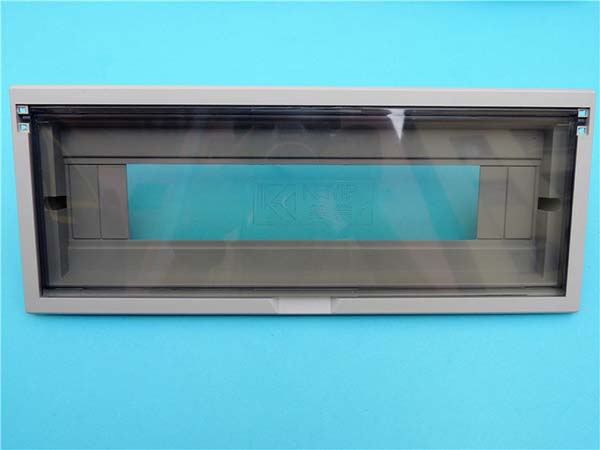
- Equipment enclosures: Protect sensitive electronics from dust, moisture, and physical damage.
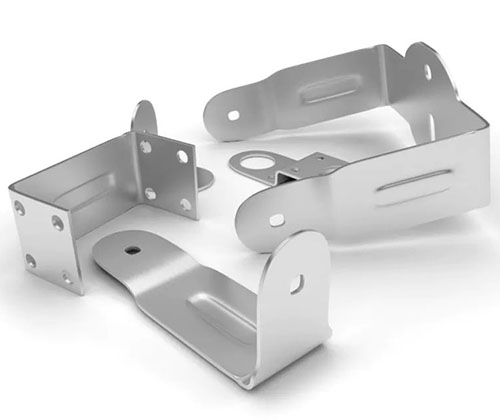
- Brackets and frames: Support heavy machinery components without adding excessive bulk.
Case study: A manufacturing plant needed enclosures for control panels in a dusty environment. Using 16 gauge steel, the enclosures remained intact and functional for over eight years, with no corrosion or structural failure.
How to Choose 16 Gauge Sheet Metal
Consider the Application
Your intended use should guide your choice.
- Automotive: Look for high tensile strength and corrosion resistance. Weight matters too.
- Construction: For roofing, prioritize weather resistance. Galvanized or coated steel works well.
- Industrial: If the equipment faces chemicals or high heat, select alloys designed for those conditions.
Check Quality and Standards
Quality is not just about thickness. Here is what to look for:
- Metal purity: Higher purity often means better formability and corrosion resistance.
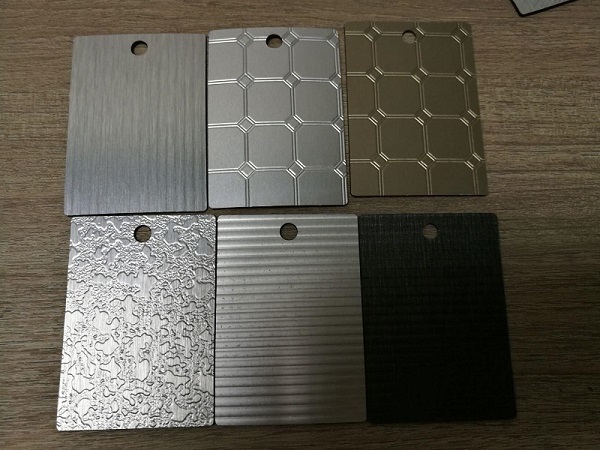
- Surface treatment: Powder coating or electro-galvanizing adds scratch and rust protection.
- Certifications: In the US, ASTM standards like ASTM A653 for galvanized steel set requirements for coating mass, surface quality, and mechanical properties.
Ask your supplier for material test reports. Reputable manufacturers provide them.
Yigu Technology’s Perspective
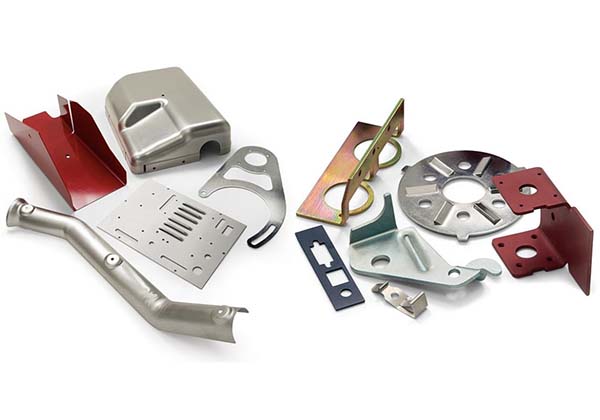
At Yigu Technology, we work with 16 gauge sheet metal regularly. Its balanced thickness makes it ideal for custom manufacturing. We can bend, cut, and weld it into unique shapes without compromising strength.
Example: A client needed custom enclosures for specialized medical equipment. We used 16 gauge stainless steel. The material provided the required durability, and our team formed it to precise dimensions. The project came in on time and within budget.
Because 16 gauge is common, raw material costs remain stable. That helps us offer competitive pricing. We also see growing demand for this gauge in prototyping and small-batch production. Its versatility makes it a reliable choice for industries ranging from electronics to heavy machinery.
Conclusion
16 gauge sheet metal offers a practical balance. It is thick enough for strength and durability, yet thin enough to be shaped and formed easily. Whether you work in construction, automotive, or industrial equipment, understanding gauge helps you choose the right material. Pay attention to thickness variations between metals, consider your application, and always verify quality standards. With the right choice, 16 gauge sheet metal delivers reliable performance for years.
FAQ
What is the thickness of 16 gauge sheet metal?
For steel, 16 gauge is approximately 1.588 mm (0.0625 inches). For aluminum, it is about 1.29 mm (0.0508 inches). Always confirm with your supplier, as standards can vary slightly.
In which industries is 16 gauge sheet metal most commonly used?
It is widely used in construction (roofing, ducts, cladding), automotive (door panels, hoods, seat frames), and industrial equipment (enclosures, brackets, frames).
How can I tell if the 16 gauge sheet metal I buy is of good quality?
Check for metal purity, examine surface treatment (powder coating or galvanizing), and look for industry certifications like ASTM A653 for galvanized steel. Request material test reports from your supplier.
Is 16 gauge stainless steel the same thickness as 16 gauge regular steel?
Yes, both are approximately 1.588 mm. However, stainless steel has different mechanical properties and corrosion resistance.
Can 16 gauge sheet metal be welded easily?
Yes. 16 gauge steel and aluminum can be welded using MIG or TIG methods. Proper technique and settings are important to avoid burn-through.
Contact Yigu Technology for Custom Manufacturing
At Yigu Technology, we specialize in custom sheet metal fabrication using 16 gauge and other materials. From prototyping to full production, our team ensures precision, quality, and timely delivery. [Contact us today] to discuss your project and get a tailored manufacturing solution.