Bringing a new product to life requires testing. You need to see if your design works before committing to mass production. Sheet metal prototyping offers a way to create physical samples quickly and affordably. This guide helps you decide if it fits your project.
Introduction
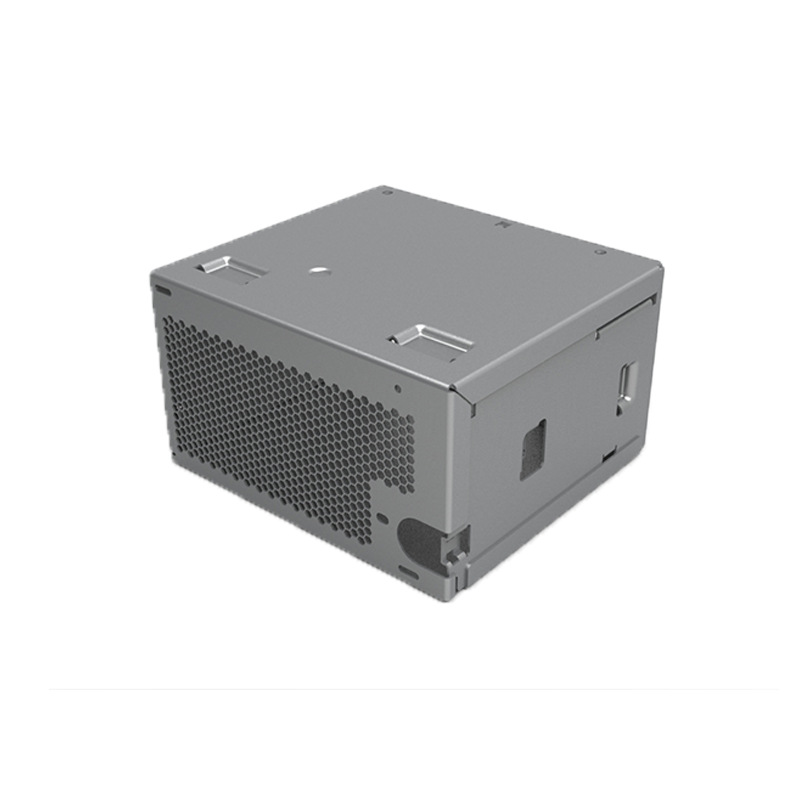
Sheet metal prototyping creates preliminary models using thin metal sheets. The material is shaped through cutting, bending, and punching. The result is a physical sample you can test, evaluate, and refine.
This process plays a vital role in product development. Designers and engineers use prototypes to check form, fit, and function. They identify flaws early. They make adjustments before investing in mass production.
In this guide, you will learn the advantages of sheet metal prototyping. You will see how different industries use it. And you will understand how it compares to other prototyping methods.
Advantages of Sheet Metal Prototyping
Cost-Effectiveness
Sheet metal prototyping is often more affordable than alternatives like machining. Low setup costs make it attractive for prototypes and low-volume runs.
A study showed that for a simple bracket prototype, sheet metal prototyping cost up to 30% less than machining from a solid block. The savings come from efficient material use and faster processing.
Real-world example: A startup needed enclosures for a new IoT device. Machining from aluminum blocks would have cost $800 per unit. Sheet metal prototyping delivered the same parts for $180 each. The startup used the savings to fund additional design iterations.
Design Flexibility
Sheet metal is highly malleable. Through cutting, bending, and punching, you can create complex shapes. Changes are relatively quick.
If an automotive designer wants to modify a body panel curve, adjustments happen through straightforward bending operations. This flexibility allows multiple design explorations during prototyping.
Example: A furniture designer tested three variations of a steel bracket design. Each iteration took 2–3 days. The final version combined the best features from all three prototypes—something impossible without the flexibility of sheet metal fabrication.
Functionality and Durability
Metal prototypes withstand real-world conditions. They are durable enough for functionality testing, not just visual inspection.
In high-stress environments, this durability matters. A comparison test showed:
| Prototype Type | Failure Rate After 1000 Stress Cycles |
|---|---|
| Sheet Metal | 5% |
| Plastic | 25% |
For aerospace components or automotive parts that must endure real forces, sheet metal prototypes provide accurate performance data.
Fast Turnaround Time
Many sheet metal prototyping services deliver parts in 5–10 days. This speed enables rapid iteration.
A consumer electronics startup used sheet metal prototyping to test three enclosure designs in one month. Each prototype arrived within a week. The final product launched three months ahead of the original schedule.
Common Applications
Automotive Industry
Sheet metal prototyping is essential for automotive development. It creates:
- Body panels (hoods, doors, fenders)
- Interior brackets and trim
- Structural components
Designers test aerodynamics, fit, and manufacturability before committing to expensive stamping dies. A study found that using sheet metal prototyping reduced time to market for new models by an average of 20%.
Real-world example: An electric vehicle startup needed to validate battery enclosure designs. Sheet metal prototypes allowed them to test thermal performance and structural integrity. They identified a cooling channel issue that would have required $50,000 in die modifications to fix. Instead, they corrected the design before tooling was built.
Aerospace Industry
Aerospace demands precision, strength, and weight optimization. Sheet metal prototyping delivers:
- Wing components
- Fuselage sections
- Engine parts
- Structural brackets
These parts must meet extreme standards. Prototypes undergo testing for heat resistance, fatigue, and stress. Components made with sheet metal prototyping had a 15% higher success rate in initial flight tests compared to those without prototyping.
Electronics Industry
Consumer electronics rely on sheet metal for:
- Device enclosures
- Heat sinks
- Internal brackets
- EMI shielding
With devices becoming smaller and more powerful, precision matters. Heat sinks require complex shapes to maximize surface area. Sheet metal prototyping accurately produces these designs.
A survey of 100 electronic device manufacturers found that 80% reported improved product performance after using sheet metal prototyping.
Medical Device Industry
Medical devices demand precision, safety, and cleanliness. Sheet metal prototyping creates:
- Device housings
- Structural components
- Brackets
- Instrument casings
Materials are selected for biocompatibility and corrosion resistance. Tight tolerances ensure proper component alignment. A survey found that 90% of medical device manufacturers considered sheet metal prototyping essential for developing high-quality products.
Comparing Prototyping Technologies
Side-by-Side Comparison
| Factor | Sheet Metal Prototyping | 3D Printing | Injection Molding |
|---|---|---|---|
| Setup Cost | Low | Low to moderate | Very high (tooling can cost hundreds of thousands) |
| Per-Unit Cost | Moderate for low volumes | Moderate to high | Very low for high volumes |
| Lead Time | 5–10 days | 1–5 days | 8–12 weeks for tooling |
| Precision | ±0.05mm typical | Variable; lower than sheet metal | High, consistent |
| Materials | Aluminum, steel, stainless, copper, brass | Plastics, some metals | Plastics, elastomers |
| Functionality | High durability; withstands real-world stress | Limited for mechanical loads | High for production parts |
| Best For | Functional testing, low-volume production | Visual models, complex geometries | High-volume production |
When to Choose Each Technology
Choose sheet metal prototyping when:
- You need a durable, functional prototype
- The final product will be metal
- You want to test real-world performance
- Low to medium volumes (1–500 units)
Choose 3D printing when:
- You need complex geometries impossible with sheet metal
- Speed matters more than material properties
- You are visualizing form and fit only
- The final product will be plastic
Choose injection molding when:
- You need high volumes (10,000+ units)
- Consistent quality across production matters
- You have finalized the design
- The part geometry suits molding
Yigu Technology’s Perspective
At Yigu Technology, we see sheet metal prototyping as a bridge between concept and production. It allows clients to validate designs without committing to expensive tooling.
We have worked with startups and established manufacturers alike. In one project, a medical device company needed to test a new surgical instrument housing. The design required complex bends and tight tolerances. Our sheet metal prototype revealed a clearance issue that would have affected sterilization. The correction was made before production tooling started—saving the client $30,000 in potential rework.
We have also seen the value of prototyping across industries. Automotive clients test new panel designs. Electronics companies validate enclosures for heat dissipation. Each project benefits from the ability to hold, test, and refine a physical part.
Our advice: Prototype early. Prototype often. Each iteration improves the final product. And sheet metal prototyping makes multiple iterations affordable and fast.
Conclusion
Sheet metal prototyping offers cost-effectiveness, design flexibility, durability, and fast turnaround. It serves critical roles in automotive, aerospace, electronics, and medical device development.
When compared to 3D printing and injection molding, sheet metal prototyping excels in creating durable, functional parts for testing and low-volume production. It fills the gap between visual models and mass production.
If your project involves metal components that must perform under real-world conditions, sheet metal prototyping is likely the right choice.
FAQ
How much does sheet metal prototyping cost?
Costs vary by part size, complexity, and material. Simple brackets may cost $50–$150 per prototype. Complex enclosures can range from $200–$800. Compared to machining, sheet metal prototyping typically costs 20–40% less for prototype quantities.
What is the typical lead time for sheet metal prototypes?
Most services deliver prototypes in 5–10 days after design approval. Rush services may deliver in 2–3 days for an additional fee. Complex parts or unusual materials may extend lead times.
Can sheet metal prototypes be used for functional testing?
Yes. Sheet metal prototypes are durable enough for most functional tests. They can withstand mechanical loads, temperature exposure, and vibration testing. This makes them ideal for validating performance before production.
How does sheet metal prototyping compare to 3D printing for metal parts?
Sheet metal prototyping is typically faster and more cost-effective for parts that can be made from flat sheets. Metal 3D printing (additive manufacturing) costs significantly more and has longer lead times. However, 3D printing can create geometries impossible with sheet metal. Choose based on your design complexity and functional requirements.
Contact Yigu Technology for Custom Manufacturing
Need sheet metal prototypes for your next project? Yigu Technology delivers fast turnaround with precision and quality. From functional testing to low-volume production, we help you validate designs and bring products to market faster. [Contact us] to discuss your prototyping needs.