Introduction
You need a prototype that is accurate, reliable, and delivered on time. Not all prototyping services are equal. Some cut corners. Some lack the equipment for complex geometries. Others struggle with tight tolerances. Precision prototype manufacturing is different. It combines advanced technology, skilled craftsmanship, and rigorous quality systems to produce prototypes that meet exact specifications. This guide explores what sets precision manufacturing apart—from the technologies used to the industries served—and how to choose a partner who delivers exceptional results.
What Is Precision Prototype Manufacturing?
Precision prototype manufacturing is the process of creating highly accurate, detailed prototypes that closely match final production specifications. Unlike general prototyping, which may prioritize speed over accuracy, precision manufacturing focuses on:
- Tight tolerances: Often ±0.01 mm or tighter
- High-quality surface finishes: Minimal post-processing required
- Production-grade materials: Metals, engineering plastics, and composites
- Repeatability: Consistent results across multiple parts
These prototypes serve critical functions: validating designs, testing performance under real conditions, and providing confidence before production tooling begins.
What Technologies Enable Precision?
Precision manufacturing relies on advanced equipment and processes.
CNC Machining
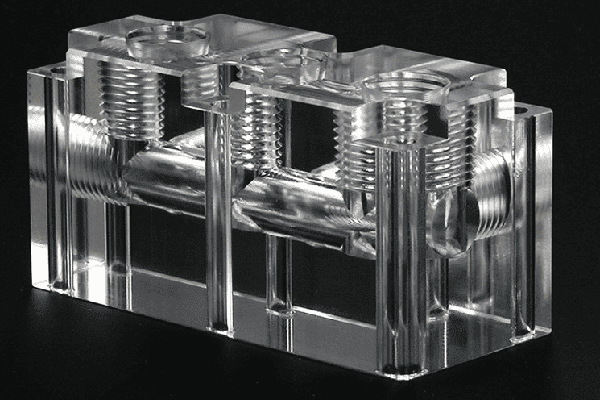
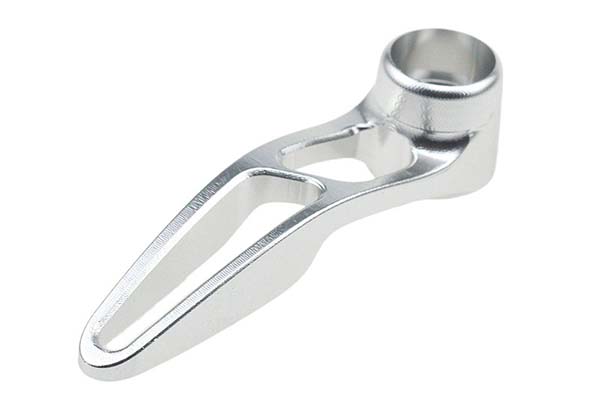
CNC (Computer Numerical Control) machining is a cornerstone of precision prototyping. Computer-controlled machines cut, mill, and drill materials with exceptional accuracy.
- Tolerances: As tight as ±0.001 inches (±0.025 mm)
- Materials: Metals (aluminum, stainless steel, titanium), engineering plastics, composites
- Applications: Functional prototypes, components requiring tight tolerances, parts with complex features
A 5-axis CNC machine can produce complex geometries in a single setup, reducing errors from repositioning.
3D Printing (Additive Manufacturing)
Advanced 3D printing technologies enable precision for complex geometries.
- SLA (Stereolithography): Layer thicknesses as low as 0.025 mm; smooth surface finish
- SLS (Selective Laser Sintering): Durable parts without support structures
- DMLS (Direct Metal Laser Sintering): Metal parts with complex internal features
Laser Cutting and Engraving
Laser systems provide precision cutting for sheet materials and detailed engraving for markings, serial numbers, or textures.
Inspection Equipment
Precision manufacturing requires precision measurement. Equipment includes:
- CMM (Coordinate Measuring Machines): Verify dimensions against CAD models
- 3D scanners: Capture complex geometries for comparison
- Optical comparators: Inspect small features
How Is Quality Ensured?
Quality systems separate precision manufacturers from the rest.
ISO 9001 Certification
ISO 9001:2015 certification indicates a structured quality management system. It covers:
- Documented processes from design to delivery
- Regular equipment calibration
- Continuous improvement practices
- Traceability of materials and processes
Multiple Inspection Stages
Precision manufacturers inspect at multiple points:
- Incoming material verification: Confirm material specifications
- In-process inspections: Check dimensions during production
- Final inspection: CMM or 3D scan verification against CAD
- Functional testing: Where required, test performance under load, temperature, or other conditions
Skilled Professionals
Equipment alone does not ensure quality. Experienced machinists, programmers, and quality technicians who understand material behavior and process limitations are essential.
What Services Are Offered?
Precision prototype manufacturers offer a range of services.
Prototype Design and Development
End-to-end design services take concepts from initial sketches to functional prototypes. This includes:
- Design for manufacturability (DFM) reviews
- Material selection guidance
- CAD modeling and refinement
Custom Manufacturing Solutions
Flexibility is key. Precision manufacturers handle:
- One-off prototypes: For concept validation
- Small batches: For market trials or pilot runs
- Bridge production: Parts while production tooling is being built
Post-Processing
Finishing services enhance appearance and functionality:
- Surface finishing: Polishing, sandblasting, anodizing
- Painting and coating: Color matching, protective coatings
- Assembly: Multi-component assemblies
What Industries Rely on Precision Prototyping?
Different industries have different requirements. Precision manufacturers serve sectors where accuracy is critical.
Aerospace
The aerospace industry demands exacting precision and reliability. Components must meet strict regulatory standards and withstand extreme conditions.
- Typical parts: Engine components, structural brackets, avionics housings
- Key requirements: Tight tolerances, material traceability, compliance with AS9100 (aerospace quality standard)
Automotive
Speed and efficiency are critical in automotive development. Precision prototypes enable:
- Performance testing: Engine components, drivetrain parts
- Aesthetic validation: Interior trim, lighting assemblies
- Tooling validation: Fit and function before production molds
Medical Devices
Medical device prototyping requires precision and compliance with health and safety regulations.
- Typical parts: Surgical instruments, implantable device components, diagnostic equipment housings
- Key requirements: Biocompatible materials, sterilization compatibility, cleanroom manufacturing where needed
Consumer Electronics
Consumer electronics demand high-quality aesthetics and precise fit.
- Typical parts: Enclosures, buttons, internal structural components
- Key requirements: Surface finish, dimensional accuracy, material selection for drop protection and heat management
What Does Success Look Like?
Real-world examples illustrate precision manufacturing in action.
Aerospace Component Development
An aircraft manufacturer needed a highly complex bracket for a new wing design. The part had to meet tight tolerances and undergo extensive testing.
The precision manufacturer:
- Reviewed the design for manufacturability
- Selected a lightweight aluminum alloy
- Used 5-axis CNC machining to produce the part in a single setup
- Inspected using CMM to verify all dimensions
The prototype was delivered within budget and on time, enabling the manufacturer to proceed with flight testing.
Custom Automotive Part for Luxury Brand
A luxury car brand needed a custom interior trim piece with complex curves and a high-gloss finish. The part combined aesthetics with functionality—it needed to house electronics and withstand daily use.
The precision manufacturer:
- Used SLA 3D printing for initial form testing
- Transitioned to CNC machining in ABS for functional testing
- Applied a custom paint finish matching the brand’s color specification
- Delivered parts that exceeded expectations for both appearance and durability
How Does Yigu Technology Approach Precision Manufacturing?
At Yigu Technology, precision manufacturing is central to our service. We combine advanced equipment with skilled craftsmanship to deliver prototypes that meet exacting standards.
We Start with DFM
Before production, our engineers review your design for manufacturability. We identify potential issues—thin walls, sharp corners, tolerance mismatches—and suggest optimizations. This upfront work prevents problems later.
We Match Process to Requirements
We select the right technology based on your needs:
- CNC machining for precision metal and plastic parts
- SLA/SLS 3D printing for complex geometries
- Rapid tooling for functional injection-molded prototypes
We Inspect Rigorously
Our quality process includes:
- Material verification from certified suppliers
- In-process inspections during production
- Final CMM or 3D scan verification against CAD
- Detailed inspection reports available upon request
We Communicate Clearly
You get a dedicated project manager who provides regular updates, cost breakdowns, and clear timelines. No surprises.
Conclusion
Precision prototype manufacturing is defined by accuracy, quality systems, and technical expertise. It delivers prototypes that closely match production specifications—enabling confident decision-making before tooling begins.
The key elements are:
- Advanced equipment: CNC machining, precision 3D printing, laser systems
- Quality systems: ISO certification, multiple inspection stages
- Skilled professionals: Experienced engineers and technicians
- Industry expertise: Understanding of aerospace, medical, automotive, and other critical sectors
When you need prototypes that meet tight tolerances, perform under real conditions, and accelerate your development cycle, precision manufacturing is the answer.
Frequently Asked Questions
What makes precision prototype manufacturing different from general prototyping?
Precision manufacturing focuses on tight tolerances (often ±0.01 mm or tighter), high-quality surface finishes, and production-grade materials. It uses advanced equipment and rigorous quality systems. General prototyping may prioritize speed over accuracy and use simpler materials.
How does the company ensure prototype quality?
Quality is ensured through ISO 9001 certification, multiple inspection stages (incoming material, in-process, final), and advanced measurement equipment like CMM and 3D scanners. Skilled technicians perform inspections and verify dimensions against CAD models.
Can precision manufacturers accommodate custom manufacturing requests?
Yes. Precision manufacturers specialize in custom manufacturing—from one-off prototypes to small batches. They offer flexibility in materials, processes, and post-processing to meet specific client requirements.
What industries benefit most from precision prototyping?
Aerospace, automotive, medical devices, and consumer electronics are key industries. Each requires high accuracy, reliability, and often regulatory compliance. Precision prototyping enables testing and validation before production.
What is a typical tolerance for precision CNC machining?
CNC machining can achieve tolerances as tight as ±0.001 inches (±0.025 mm) for metal parts. Tolerances depend on material, part geometry, and machine capability. Your manufacturer should specify achievable tolerances during design review.
Contact Yigu Technology for Custom Manufacturing
Ready to experience precision prototype manufacturing for your next project? Yigu Technology offers CNC machining, advanced 3D printing, and rapid tooling services backed by ISO-certified quality systems. Our engineers help you optimize designs for manufacturability and deliver prototypes that meet your exact specifications. Contact us today to discuss your project.