Introduction
You have a product idea. You need to test it, refine it, and bring it to market before your competitors. Traditional development cycles take months. Tooling costs run into the thousands. Design changes are slow and expensive. Rapid prototyping changes all of this. It allows you to turn digital designs into physical parts in hours or days, not weeks or months. This guide explains how rapid prototyping works, its advantages, and how it can transform your product development process.
What Is Rapid Prototyping?
Rapid prototyping is a group of techniques used to quickly fabricate a physical part or assembly from a three-dimensional design. Unlike traditional manufacturing, which often requires costly tooling and long lead times, rapid prototyping enables iterative design cycles. Teams can test and refine concepts with speed and precision.
The core technologies include 3D printing (additive manufacturing), CNC machining, and other processes that create parts directly from CAD data. By eliminating the need for molds and tooling, rapid prototyping has made product development accessible to businesses of all sizes.
What Are the Key Advantages?
The benefits extend beyond just speed.
Accelerated Time-to-Market
Rapid prototyping drastically reduces the time from concept to physical part. Traditional methods like injection molding can take weeks or months due to tooling setup. Rapid prototyping allows for same-day or next-day iterations.
A Black Diamond shovel prototype created via 3D printing took just 8 hours and cost $45. The same part outsourced with traditional methods would have taken 7 days and cost $1,000. This speed is critical in industries with short innovation cycles, such as consumer electronics and automotive.
Cost-Effective Iteration
Rapid prototyping eliminates expensive tooling, making it ideal for low-volume production and design iterations. Companies save thousands by identifying and fixing design flaws early.
A medical device company using in-house 3D printing reduced prototyping costs by 80% compared to outsourcing. A single design change caught early might cost $50. The same change after tooling could cost $5,000.
Enhanced Design Flexibility
Engineers can explore complex geometries and unconventional designs that would be impossible with traditional methods.
- SLA (Stereolithography): High detail, smooth surfaces
- SLS (Selective Laser Sintering): Durable parts, no supports needed
- FDM (Fused Deposition Modeling): Low cost, wide material range
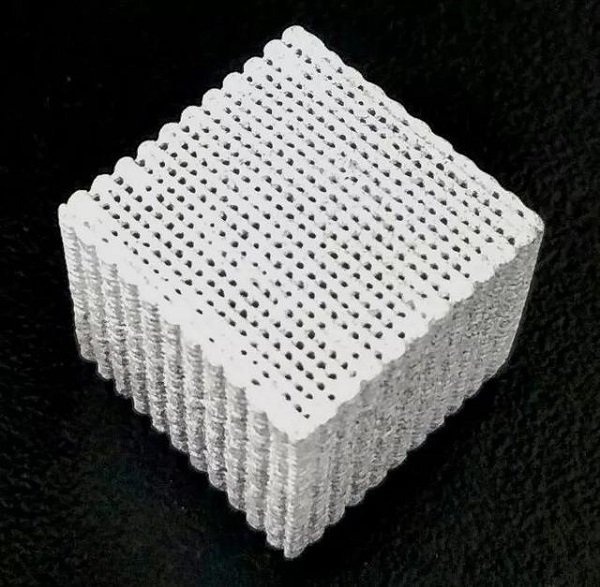
These technologies enable intricate details, lightweight lattice structures, and internal channels that improve performance.
Improved Collaboration and Feedback
Physical prototypes facilitate better communication between teams, clients, and stakeholders. A 3D-printed model allows everyone to visualize form, fit, and function. This leads to more informed feedback and ensures the final product meets user needs.
What Types of Prototypes Exist?
Different prototypes serve different purposes in the development cycle.
Proof-of-Concept (PoC) Prototypes
Low-fidelity models used to validate ideas early. They focus on basic functionality and are often created using off-the-shelf parts or simple 3D prints.
A charging stand PoC might be a simple 3D-printed enclosure connected to a USB cable. It proves the concept works before investing in aesthetics.
Looks-Like Prototypes
These emphasize aesthetics, mimicking the final product’s appearance—colors, materials, finishes. They test user interaction and ergonomics before functional development begins.
Works-Like Prototypes
These focus on functionality, incorporating core technologies and mechanical systems. They may not look like the final product but are essential for testing performance and reliability.
Engineering Prototypes
High-fidelity prototypes designed for manufacturing (DFM). They undergo rigorous testing to ensure they meet performance and safety standards. These validate manufacturability and prepare for mass production.
What Technologies Are Available?
Choosing the right technology depends on material, complexity, and budget.
| Technology | Process | Advantages | Limitations | Best For |
|---|---|---|---|---|
| FDM | Melts and extrudes thermoplastic filament | Low cost, easy to use, wide material range | Visible layer lines, lower resolution | Simple prototypes, functional testing, jigs |
| SLA | Laser cures liquid resin | High resolution, smooth surface, detailed geometries | Brittle materials, post-processing needed | High-fidelity prototypes, medical devices, detailed models |
| SLS | Laser fuses polymer powder | Strong, durable, no supports needed | Higher cost, longer cooling times | Functional testing, complex geometries, engineering parts |
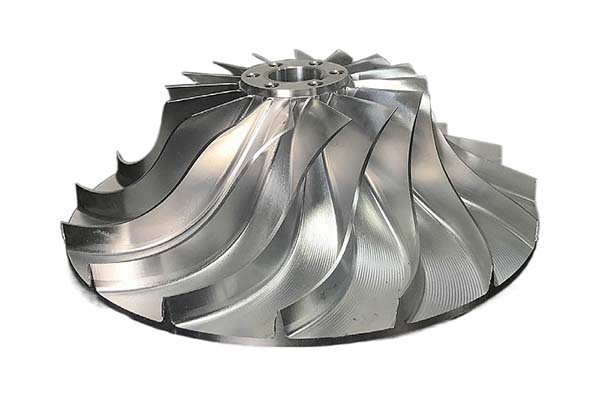
| CNC Machining | Subtractive cutting of solid materials | High precision, metals and hard plastics | Expensive tooling, limited complexity | Metal components, structural parts, low-volume production |
What Do Real-World Applications Look Like?
Case studies show the impact across industries.
Automotive Industry
A leading automotive manufacturer used SLA 3D printing to create lightweight engine components for prototyping. This reduced material waste by 40% and accelerated testing cycles. Teams validated designs in weeks instead of months.
Medical Devices
A startup developing a minimally invasive surgical tool used SLS to produce prototypes with biocompatible materials. The intricate geometries ensured a perfect fit for laparoscopic procedures, reducing patient recovery time.
Consumer Electronics
A smartphone company leveraged FDM to rapidly prototype custom jigs for assembly line testing. This improved quality control and reduced downtime by 25%, leading to faster product launches.
How Do You Choose the Right Method?
Selecting the appropriate technology depends on your specific needs.
| Priority | Recommended Method |
|---|---|
| Low-cost, fast iterations | FDM |
| High detail, smooth surfaces | SLA |
| Durable functional parts | SLS |
| Metal components, precision | CNC machining |
| Complex geometries | SLS or MJF (Multi-Jet Fusion) |
At Yigu Technology, we work with clients to evaluate requirements and recommend the optimal solution.
What Does the Future Hold?
Rapid prototyping continues to evolve.
Multi-Material Printing
Combining different materials in a single print for enhanced functionality—rigid and flexible sections, conductive traces, or varying colors.
AI-Driven Design
Generative design tools optimize part performance and reduce material usage. AI explores thousands of design variations to find the optimal balance of strength, weight, and cost.
Sustainable Practices
Bio-based materials and energy-efficient processes reduce environmental impact. Recycled filaments and biodegradable resins are becoming more common.
How Does Yigu Technology Approach Rapid Prototyping?
At Yigu Technology, rapid prototyping is central to how we serve clients. We combine multiple technologies to match your specific needs.
We Start with Your Goals
We discuss what you need to learn from the prototype—form, fit, function, or all three. This guides technology and material selection.
We Match Technology to Purpose
- FDM for quick, low-cost concept models
- SLA for high-detail presentation prototypes
- SLS for durable functional testing
- CNC machining for precision metal parts
We Provide DFM Feedback
Our engineers review designs for manufacturability. We identify issues—thin walls, sharp corners, tolerance mismatches—before production, saving time and cost.
We Iterate with You
Prototyping is collaborative. We work with you through multiple iterations until the design is validated and ready for production.
Conclusion
Rapid prototyping revolutionizes product development by compressing timelines, reducing costs, and enabling design freedom. It allows you to test ideas quickly, iterate based on real feedback, and bring better products to market faster.
Key benefits:
- Speed: Same-day to next-day iterations
- Cost savings: Eliminate tooling costs, catch flaws early
- Design freedom: Complex geometries previously impossible
- Collaboration: Tangible models improve communication
By integrating rapid prototyping into your development process, you can move from concept to production with unprecedented speed and confidence.
Frequently Asked Questions
What is the cost difference between rapid prototyping and traditional manufacturing?
Rapid prototyping significantly reduces costs, especially for low-volume production. A single 3D-printed prototype might cost $50. Traditional injection molding could require $10,000 in tooling fees plus per-unit costs. For high volumes, traditional methods become more economical, but rapid prototyping eliminates upfront risk.
How accurate are rapid prototypes?
Accuracy depends on technology. SLA and SLS offer high precision (up to ±0.1 mm). FDM has lower accuracy (±0.2–0.4 mm) with visible layer lines. CNC machining provides the highest precision for metal parts (±0.01–0.05 mm). Choose based on your tolerance requirements.
Can rapid prototyping be used for mass production?
Rapid prototyping is primarily for development, but technologies like SLS and MJF can produce functional parts for low-volume production (50–5,000 units). For high-volume needs (50,000+ units), traditional methods like injection molding are more cost-effective. However, rapid prototyping can create molds for these processes.
What materials can be used?
A wide range: plastics (ABS, PLA, nylon, polycarbonate), resins (standard, tough, flexible, high-temperature), metals (aluminum, titanium, stainless steel), and composites (carbon fiber-filled). Material choice depends on whether the prototype is for concept validation, functional testing, or end-use.
How many iterations should I plan for?
Most products go through 3 to 5 prototype iterations. Early iterations test basic form and concept. Later iterations refine functionality, materials, and manufacturability. Rapid prototyping makes multiple iterations feasible within tight timelines.
Contact Yigu Technology for Custom Manufacturing
Ready to revolutionize your product development with rapid prototyping? Yigu Technology offers FDM, SLA, SLS, and CNC machining services for plastic and metal parts. Our engineers help you select the right technologies and materials for your project. Contact us today to discuss your design and get started.