Introduction
3D printed jewelry is transforming how we think about personal adornment. Instead of traditional casting, forging, or hand-carving, pieces are built layer by layer from digital designs—opening possibilities that were previously impossible.
Imagine a ring with intricate internal lattice work that's too delicate to cast. Earrings with organic, flowing shapes that interlock in complex ways. A pendant customized to your exact specifications, delivered in days instead of months.
This isn't science fiction. It's happening now.
From OLA Jewelry in Belgium creating affordable, customizable pieces to high-end designers pushing the boundaries of form, 3D printed jewelry is reshaping the industry.
At Yigu technology, we've seen how 3D printing enables bespoke accessories that were unimaginable just a decade ago. This guide explores the technology, materials, process, and how it compares to traditional jewelry making.
What Is 3D Printed Jewelry?
Definition and Basic Concept
3D printed jewelry uses additive manufacturing technologies to create jewelry pieces layer by layer from digital designs.
The process starts with a 3D model created using:
- CAD software (Rhino, Blender, SolidWorks)
- 3D scanning of existing objects
- Algorithmic generation using parametric design tools
Materials Used
3D printed jewelry uses diverse materials, each with unique properties:
| Material | Advantages | Disadvantages | Typical Applications |
|---|---|---|---|
| Gold powder | High value, excellent luster, corrosion-resistant | High cost | Luxury engagement rings, high-end necklaces |
| Silver powder | Lower cost, bright white color, workable | Tarnishes over time | Earrings, bracelets, pendants |
| Titanium powder | High strength-to-weight, biocompatible, corrosion-resistant | Difficult to post-process, relatively high cost | Men's jewelry, active wearers |
| Nylon | Tough, flexible, low cost | Matte finish may not suit all styles | Avant-garde necklaces, geometric earrings |
| PETG | Good transparency, strong | Can be brittle if printed incorrectly | Pendants, glass-like beads |
| Photopolymer resins | High detail, smooth surface, various colors | Some brittle, UV-sensitive over time | Intricate filigree, gemstone settings |
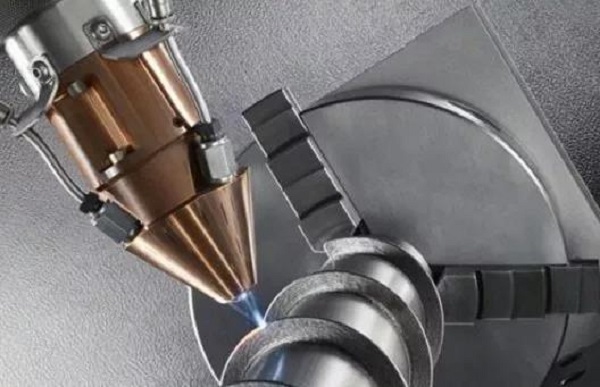
For metal jewelry, techniques like Direct Metal Laser Sintering (DMLS) fuse metal powder layer by layer using a high-power laser.
How Does Traditional Jewelry Making Compare?
Traditional Design Phase
In traditional jewelry making, designers often begin by sketching ideas by hand—pencils, colored pencils, watercolors on paper. They experiment with shapes, proportions, and arrangements of gemstones and metalwork.
Traditional Manufacturing Phase
Traditional methods are complex and labor-intensive:
Casting:
- Create a wax model (carved or from a mold)
- Invest in plaster-like material to create a mold
- Heat to melt out wax, leaving a cavity
- Pour molten metal into cavity
- Break away mold, reveal metal piece
- File, sand, polish to finish
Forging:
- Heat metal blank (bar or sheet)
- Shape using hammers and anvils
- Creates unique texture and strength
- Often used for rustic or textured pieces
Gemstone Setting:
- Prong setting: Small metal prongs hold gemstone
- Bezel setting: Metal rim encircles and holds stone
- Channel setting: Gemstones placed in a metal channel
Time: A simple pendant can take days. Complex pieces—weeks or months.
Limitations in Customization
Traditional methods struggle with:
- Highly complex designs
- Intricate internal structures
- Rapid iteration
- Cost-effective small batches
| Aspect | Traditional Jewelry | 3D Printed Jewelry |
|---|---|---|
| Design creation | Hand-drawn sketches, basic software | 3D modeling, 3D scanning |
| Manufacturing | Casting, forging, hand-setting | Layer-by-layer additive |
| Customization complexity | Difficult for complex designs | Can create highly intricate designs easily |
| Cost of customization | High due to labor | More cost-effective for complex designs |
| Production time | Weeks to months | Days to weeks (depending on complexity) |
How Does 3D Printing Work for Jewelry?
The 3D Printing Process for Jewelry
Step 1: Digital Modeling
Designers create a 3D digital model using:
- CAD software: Rhino, Blender, SolidWorks—precise control over shape, size, details
- 3D scanning: Capture existing objects to replicate or modify
- Parametric design: Create complex, organic shapes by adjusting parameters
Step 2: Slice Processing
Slicing software divides the model into thin layers—thinner layers = higher resolution = longer print time. The software generates instructions for the printer: movement paths, material deposition amounts.
Step 3: Printing
The printer builds the piece layer by layer:
- Metal jewelry: Powder-bed fusion (DMLS, SLM) using high-power laser to fuse metal powder
- Plastic/resin: FDM for nylon/PETG, SLA/DLP for photopolymer resins
Support structures may be needed for overhangs or complex geometries—removed later.
Step 4: Post-Processing
Crucial for final appearance and quality:
For metal jewelry:
- Remove support structures (mechanically or chemical etching)
- Sandblast to remove rough surfaces and excess powder
- Polish (mechanical with abrasives or electrochemical)
- Electroplate for added layer (e.g., rhodium on silver)
For plastic/resin:
- Remove supports
- Sand to smooth surface
- Apply paint or clear protective finish
What Are the Advantages of 3D Printed Jewelry?
Design Freedom
3D printing enables designs impossible with traditional methods:
- Intricate internal lattice structures
- Organic, flowing shapes that interlock
- Delicate features that would break in casting
- Parametric designs that adapt to parameters
Cost-Effective Small Batches
Traditional methods require expensive molds—economical only for high volumes. 3D printing has no tooling costs, making small batches of unique pieces affordable.
Rapid Production
- Simple pieces: hours to days
- Complex pieces: fraction of traditional time
Rapid prototyping means faster iteration, quicker time to market.
Precision and Consistency
3D printers operate from digital models, ensuring:
- High precision
- Consistent quality across pieces
- Minimal variation
High Customization
Modify digital models quickly for individual customers. Customers can be involved in design—choosing elements, providing ideas, creating truly one-of-a-kind pieces.
Case Study: OLA Jewelry
OLA Jewelry is a Belgian label making waves in 3D printed jewelry. Inspired by architecture and fascinated by technology, their designs are unique and innovative.
Design Philosophy
OLA combines 3D printing techniques with modern craftsmanship to create minimal, accessible pieces that celebrate individuality. They aim to redefine conventional jewelry design—beautiful, functional, comfortable.
3D printing allows complex geometries and lightweight structures that are both visually appealing and practical. Some pieces feature interlocking patterns that provide flexibility and durability.
Popular Collection: Contrast Extended
The Contrast Extended collection includes earrings, bracelets, and necklaces combining geometric shapes and bold colors.
- Material: Polyamide nylon—strong, flexible, ideal for daily wear
- Post-processing: Polished, colored, coated with protective layer
- Result: Stylish, durable, easy to maintain
- Price: Earrings €55.00-105.00—affordable for unique design
Market Reception
OLA has attracted a younger, fashion-forward audience seeking unique, affordable jewelry. The customization level—colors, finishes, even design modifications—has been well-received. Customers own truly one-of-a-kind pieces.
OLA's commitment to sustainable materials and production methods also resonates with environmentally conscious consumers.
How Does 3D Printed Jewelry Compare to Traditional?
| Aspect | Traditional Jewelry | 3D Printed Jewelry |
|---|---|---|
| Design flexibility | Limited by manufacturing techniques—complex internal structures, organic shapes difficult | Highly flexible—any complex design possible |
| Cost for small batches | High—molds, labor-intensive | Low—no molds, less waste |
| Production time | Long—days to months | Short—hours to days |
| Precision | Prone to human error—varies by artisan | High—digital precision, consistent |
| Customization level | Difficult, costly—requires manual work | High, cost-effective—modify digital model |
| Material options | Precious metals, gemstones | Metals, plastics, resins, composites |
Yigu Technology's Perspective
At Yigu technology, we see 3D printed jewelry as a transformative force:
Customization is the future. Consumers want pieces that reflect their individuality. 3D printing delivers.
Complexity is free. Designs that would be prohibitively expensive with traditional methods become accessible.
Speed matters. From concept to finished piece in days—not weeks or months.
Material options expand possibilities. Metals for luxury, plastics for affordability, composites for unique properties.
Applications we see:
- Custom engagement rings designed for individual couples
- Limited edition collections from independent designers
- Replacement pieces for lost or broken jewelry
- Avant-garde designs pushing artistic boundaries
3D printed jewelry isn't replacing traditional craftsmanship—it's expanding what's possible.
Conclusion
3D printed jewelry is shaping the future of bespoke accessories through:
- Design freedom: Complex geometries, organic shapes, intricate details
- Cost-effective small batches: No tooling, minimal waste
- Rapid production: Hours to days vs. weeks to months
- High precision: Digital accuracy, consistent quality
- Unlimited customization: Each piece unique at no extra cost
Materials range from precious metals (gold, silver, titanium) to versatile plastics (nylon, resins)—each with distinct properties.
Compared to traditional methods:
- Wins on flexibility, customization, speed, small-batch economics
- Challenges in material perception (plastics vs. precious metals) and some post-processing requirements
Brands like OLA Jewelry prove the market exists—younger consumers want unique, affordable, customizable pieces.
3D printed jewelry isn't just a novelty. It's a fundamental shift in how we create and wear personal adornment.
FAQ
Is 3D printed jewelry as durable as traditional jewelry?
It depends on materials. High-quality metal (gold, silver, titanium) can be as durable as traditionally made jewelry. Plastic or resin pieces may be more suitable for occasional wear, especially if not properly post-processed. Material choice matters.
Can I customize a 3D printed jewelry piece with my own design?
Yes—customization is a major advantage. Work with a designer or use online tools to create a unique 3D model. The model is then printed, giving you a one-of-a-kind piece.
How much does 3D printed jewelry cost compared to traditional?
For simple designs, costs may be comparable. For complex, customized pieces, 3D printing can be more cost-effective—less labor, no tooling. However, precious metal pieces will still be expensive due to raw material costs.
How long does it take to 3D print jewelry?
- Simple pieces: hours to a few days
- Complex pieces: a fraction of traditional time
Traditional methods can take weeks or months.
What materials can be used for 3D printed jewelry?
- Metals: Gold, silver, titanium (using powder-bed fusion)
- Plastics: Nylon, PETG (using FDM)
- Resins: Photopolymer resins (using SLA/DLP)
Each offers different properties—luster, strength, flexibility, cost.
Can 3D printed jewelry be made with gemstones?
Yes. Designs can include settings for gemstones, which are added after printing. The precision of 3D printing ensures settings fit perfectly.
Contact Yigu Technology for Custom Manufacturing
Ready to explore 3D printed jewelry for your collection or personal piece? Yigu technology specializes in custom manufacturing with all major 3D printing technologies.
We offer:
- Free quotes within 24 hours—just send your CAD file
- Material expertise—metals, plastics, resins for jewelry
- Printing—on industrial equipment with strict quality control
- Post-processing—polishing, coating, finishing
- Production runs—from one-of-a-kind pieces to small collections
Contact us to discuss your project. Tell us what you're designing and what it needs to be. We'll help bring your vision to life.