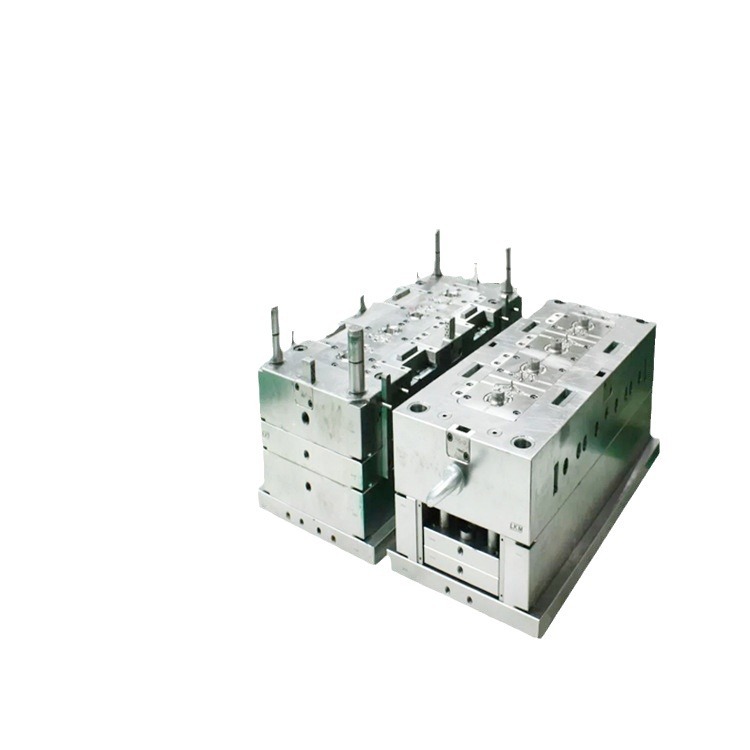
For decades, mold making followed the same path. Skilled machinists spent weeks cutting steel. Companies invested tens of thousands of dollars before seeing a single part. Then came 3D printing. This technology now offers a different way—one that cuts lead times, lowers costs, and unlocks designs that traditional methods cannot produce. This guide walks you through how 3D printing is changing mold manufacturing, where it works best, and what it means for your next project.
How Have Molds Been Made Traditionally?
Traditional mold manufacturing relies on two main approaches. Both have served industry well, but both carry limitations that become more costly as product cycles speed up.
Casting Methods
Casting involves pouring molten material into a pre-shaped cavity. For metal molds, the process starts with melting the material in a furnace. Sand casting remains popular for its low cost and ability to handle large, complex shapes. The sand mold forms around a pattern, then breaks away after the metal solidifies.
Machining Methods
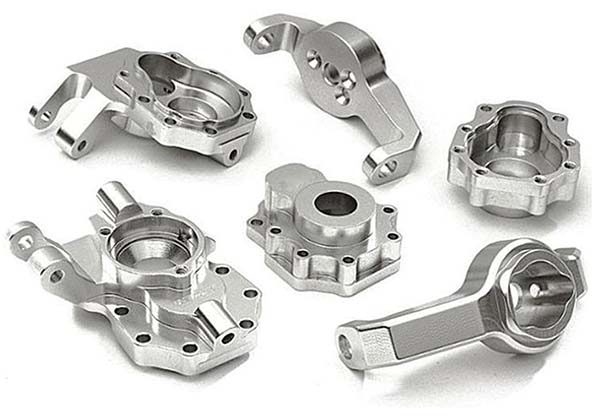
Mechanical processing uses machine tools to remove material. Milling cuts away metal to create flat surfaces, slots, and complex 3D shapes. Turning shapes cylindrical parts on a lathe. Drilling creates holes for cooling channels or ejector pins.
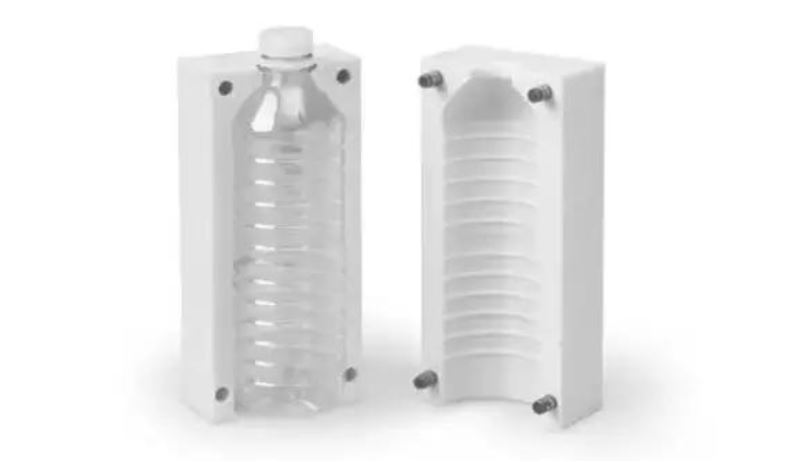
For a plastic injection mold, machinists often start with a block of steel. They rough-cut the general shape, then add precise features like ejector pin holes. The process demands skilled labor and expensive equipment.
What Limits Traditional Mold Making?
The old methods work, but they come with real costs—both in money and time.
High Initial Investment
A complex injection mold can cost $20,000 to $100,000 or more. The price depends on size, complexity, and the materials used. High-performance steels for die-casting molds drive costs even higher. For a startup or a new product line, that upfront cost becomes a barrier.
Long Production Cycles
Traditional molds take weeks or months to produce. A large automotive interior mold may need 8 to 12 weeks from design to production-ready tool. This lead time pushes product launches further out. It also makes design iterations slow and expensive.
Design Inflexibility
Once a mold is machined, changes become painful. A small design flaw can require re-machining multiple components. In some cases, the entire mold gets scrapped.
Data point: According to the American Mold Builders Association, a design change in a traditional mold increases overall cost by 20–50% and adds 2–4 weeks to the schedule.
How Does 3D Printing Change Mold Making?
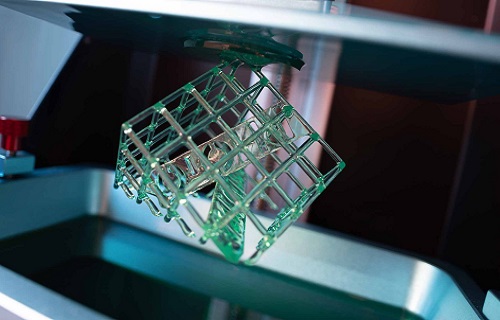
Additive manufacturing builds molds layer by layer. Instead of cutting away material, it adds material only where needed. This shift unlocks new possibilities.
Key Technologies for Mold Printing
| Technology | How It Works | Best For |
|---|---|---|
| SLA (Stereolithography) | Laser cures liquid resin layer by layer | High-detail molds, jewelry casting, small injection molds |
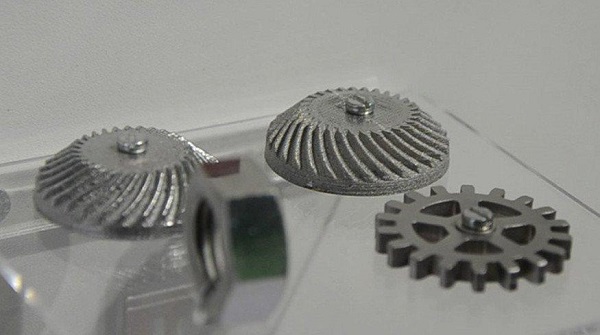
| SLS (Selective Laser Sintering) | Laser fuses powder (nylon, metal) | Strong, heat-resistant molds, no support structures needed |
SLA vs. SLS for Mold Applications
| Characteristic | SLA | SLS |
|---|---|---|
| Precision | High (0.05–0.1mm layers) | Moderate (±0.1–0.2mm) |
| Surface Finish | Smooth | Relatively rough |
| Materials | Photopolymer resins | Nylon, polycarbonate, metal powders |
| Support Required | Yes | No |
| Heat Resistance | Low to moderate | High (especially metal SLS) |
| Print Speed | Fast | Slow for large molds |
What Does the 3D Printed Mold Process Look Like?
The workflow differs from traditional methods. Each step focuses on digital design rather than physical machining.
Step 1: Design and Modeling
Engineers create a 3D CAD model of the mold. This includes the cavity, cooling channels, and ejector pin locations. With 3D printing, designers can add complex internal features that machining cannot produce.
Step 2: Slice Processing
Slicing software divides the model into thin layers. It also generates the toolpath for the printer. Layer thickness affects both quality and speed. A 0.1 mm layer gives higher detail. A 0.3 mm layer prints faster.
Step 3: Printing
The printer follows the sliced instructions. For SLA, a laser cures liquid resin. For SLS, a laser fuses powder. A small SLA mold may print in 2–3 hours. A large metal SLS mold can take 2–3 days.
Step 4: Post-Processing
After printing, the mold needs finishing. This may include:
- Removing support structures
- Sanding and polishing
- Heat treatment for metal molds to improve hardness and strength
How Does 3D Printing Compare to Traditional Methods?
The differences go beyond just speed. Each method suits different needs.
| Comparison | 3D Printing | Traditional Manufacturing |
|---|---|---|
| Initial Investment | Low for small-scale. Mid-range industrial printers cost $50,000–$100,000. | High. Complex molds often exceed $50,000. |
| Per-Unit Cost (Large Scale) | Higher due to slower print speeds. Gap is narrowing. | Lower. Economies of scale apply once mold is made. |
| Production Speed | Fast for small batches. Simple molds in hours. | Slow for small batches. Weeks or months for complex molds. |
| Design Freedom | High. Complex internal channels, lattices, and organic shapes are possible. | Low. Changes are costly and difficult. |
| Material Waste | Low. Material added only where needed. | High. Machining removes significant material. |
| Volume Suitability | Ideal for prototyping and small to medium batches. | Best for high-volume production. |
Where Are 3D Printed Molds Making an Impact?
Industries that need complex parts and fast turnarounds are adopting this technology.
Aerospace
Aircraft components require lightweight, strong parts. 3D printed molds help produce engine components with internal cooling channels that traditional machining cannot create. This improves performance and reduces weight.
Medical
Patient-specific implants and surgical guides need custom molds. 3D printing allows one-off molds at reasonable cost. A surgical team can get a custom tool in days instead of weeks.
Automotive
Car makers use 3D printed molds for rapid prototyping and low-volume production. A limited-edition vehicle may have 3D printed tooling for interior components. This avoids the cost of hard tooling for small runs.
Real example: A European automotive supplier needed a mold for a complex air duct. Traditional steel tooling quoted $45,000 and 10 weeks. A 3D printed metal mold cost $12,000 and delivered in 2 weeks. The printed mold produced 500 parts—enough for the initial production run.
What Are the Current Limitations?
3D printing is not a universal replacement. It has clear limits that matter for large-scale production.
Print Speed
Even the fastest printers cannot match injection molding cycle times for high-volume production. A mold that prints in days might produce thousands of parts in hours once installed.
Material Range
While metal powders and engineering resins improve steadily, the material library remains smaller than what traditional manufacturing offers. High-temperature applications still favor machined tool steel.
Surface Finish
Printed molds often require post-processing to achieve the smooth surface needed for high-quality plastic parts. This adds time and cost.
Size Constraints
Build volumes limit mold size. Large molds may need to print in sections and assemble, which adds complexity.
What Does This Mean for Your Project?
The choice between 3D printed and traditional molds depends on your goals.
Choose 3D Printed Molds When:
- You need fast turnaround for prototypes or low-volume production
- Your design has complex internal features (cooling channels, lattices)
- You want to avoid high upfront tooling costs
- You need design iterations without penalty
Choose Traditional Molds When:
- You plan high-volume production (tens of thousands of parts)
- You need maximum durability for long production runs
- Your part uses specialty materials that require specific mold steels
Data point: Industry analysis suggests that for production runs under 1,000–5,000 parts, 3D printed molds often prove more cost-effective than traditional steel tooling. For runs above that threshold, traditional methods typically win on per-part cost.
Conclusion
3D printing is not replacing traditional mold manufacturing—it is expanding what is possible. It offers a faster, more flexible path for prototyping, low-volume production, and complex geometries that machining cannot achieve. The technology lowers the barrier to entry for new products and allows designers to build features that improve part quality and cycle times.
As materials improve and print speeds increase, the line between printed and machined molds will blur. For now, the smart approach is to treat them as complementary tools. Use 3D printing where speed and complexity matter. Use traditional methods where volume and durability dominate. Together, they give you more options than ever before.
FAQ
What are the most suitable 3D printing technologies for mold manufacturing?
SLA and SLS are the most common. SLA offers high precision and smooth surfaces for detailed molds. SLS works with engineering materials like nylon and metal powders and does not require support structures, making it ideal for complex designs.
How much can 3D printing reduce mold production time?
For small, simple molds, 3D printing reduces production time from weeks to hours. For larger, complex molds, time reduction ranges from 30–50% compared to traditional methods, depending on complexity and finishing requirements.
Are 3D printed molds as durable as traditionally manufactured molds?
Durability depends on the material. Metal molds printed with SLS using high-quality metal powders can match or exceed traditionally machined molds in durability. Plastic-based printed molds suit lower-temperature or short-run applications.
Can 3D printed molds be used for high-volume production?
Generally, no. For high-volume runs (tens of thousands of parts or more), traditional steel molds remain more cost-effective and durable. 3D printed molds excel at prototyping, low-volume runs, and complex geometries where tooling cost would be prohibitive.
What is the cost difference between a 3D printed mold and a traditional mold?
A simple 3D printed mold may cost $500–$5,000. A traditional steel mold for the same part might cost $15,000–$50,000 or more. For complex molds with internal features, the cost gap widens further in favor of 3D printing.
Contact Yigu Technology for Custom Manufacturing
Yigu Technology specializes in non-standard plastic and metal custom manufacturing. We combine 3D printing and traditional processes to deliver the right solution for your project. Whether you need a rapid prototype mold, low-volume production tooling, or high-volume steel molds, our engineering team helps you choose the most cost-effective path. Contact us today to discuss your mold manufacturing needs.