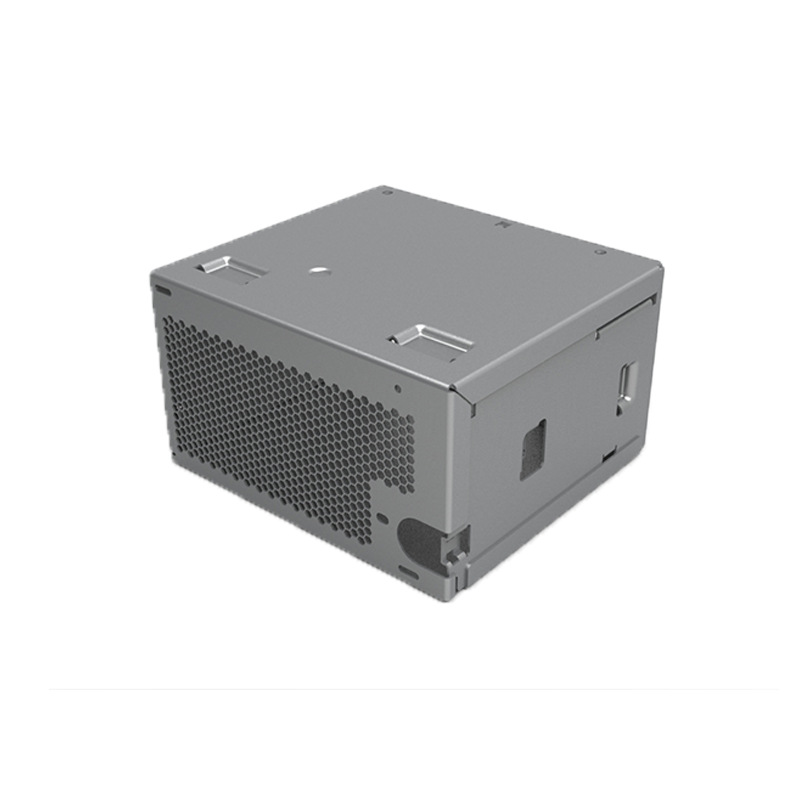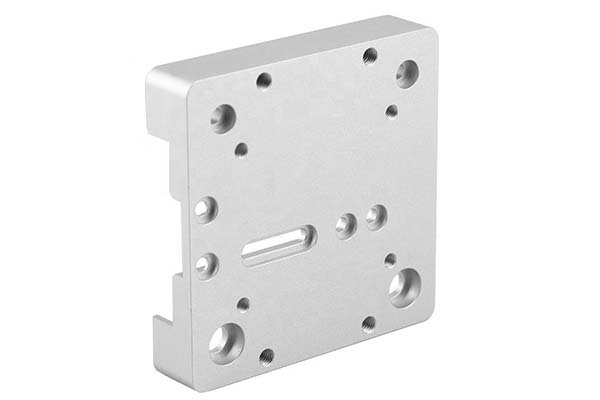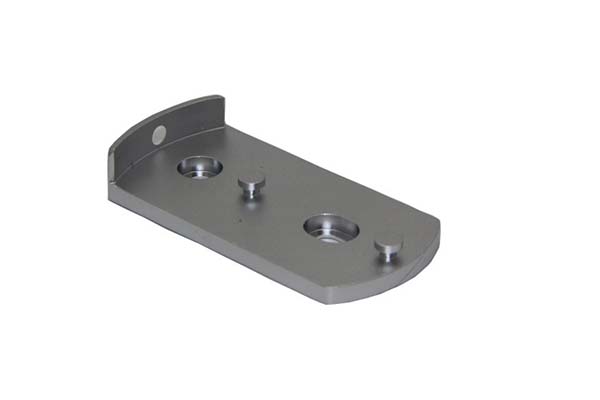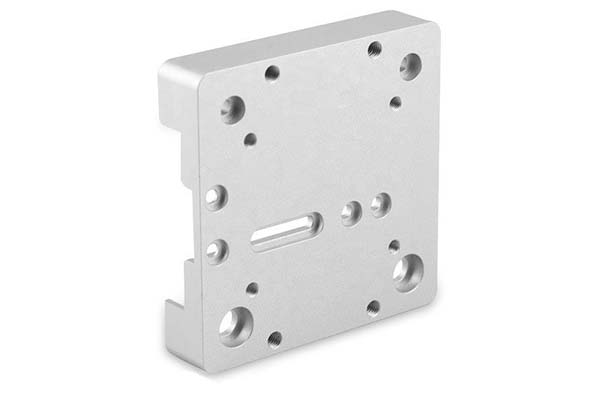
If you manufacture metal components, you likely face a constant challenge: producing large quantities of identical parts with tight tolerances, minimal waste, and consistent quality. Precision metal stamping solves this problem. It is a manufacturing process that uses custom-designed dies and punches to shape and cut metal sheets into intricate, precise components. This technique offers unparalleled accuracy, repeatability, and cost-effectiveness. This guide covers how it works, its key benefits, and why it is indispensable across industries from automotive to medical devices.
What Is Precision Metal Stamping?
Definition and Core Principles
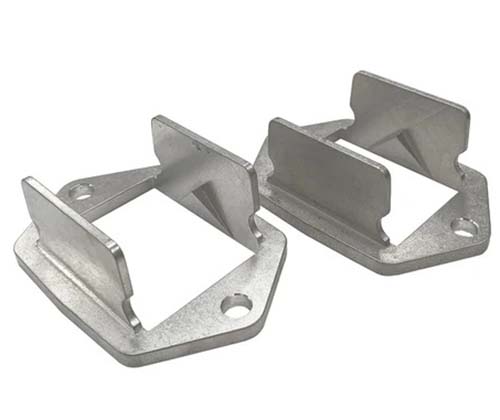
Precision metal stamping transforms flat metal sheets into finished components using tooling—specifically dies and punches. The process begins with a metal sheet. A stamping press applies force, and the die shapes or cuts the metal into the desired geometry.
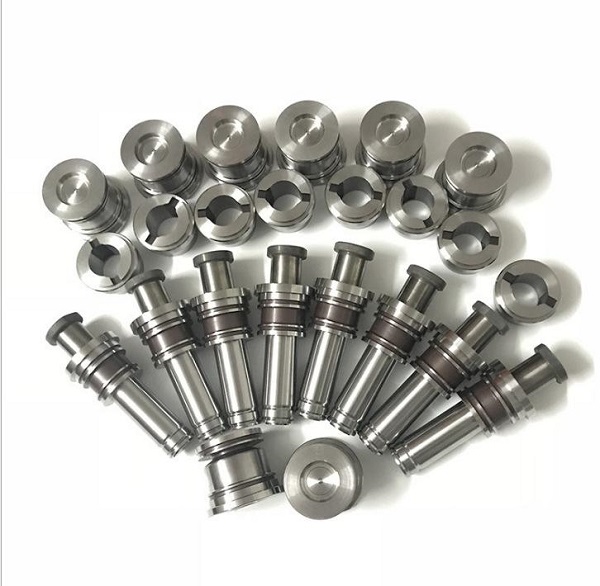
- Dies: Custom-made tools that define the shape, features, and tolerances of the final part.
- Punches: Apply the necessary force to cut, bend, or form the metal.
- Presses: Specialized machinery that delivers controlled force with high repeatability.
The result is a highly accurate part, produced with minimal variation from piece to piece.
Why It Matters in Manufacturing
Precision metal stamping enables the creation of complex components with tight tolerances—often ±0.01 mm or tighter. This level of precision is critical in industries where a single component failure can have catastrophic consequences. In aerospace, for example, the reliability of stamped parts is paramount for aircraft safety. In medical devices, accuracy directly impacts patient outcomes. Precision stamping provides the means to achieve this quality at scale.
How Does the Precision Stamping Process Work?
Material Preparation and Selection
The first step is selecting the right metal. Common materials include:
| Material | Key Properties | Typical Applications |
|---|---|---|
| Steel | High strength, durable | Automotive frames, structural parts |
| Aluminum | Lightweight, corrosion-resistant | Electronics enclosures, aerospace |
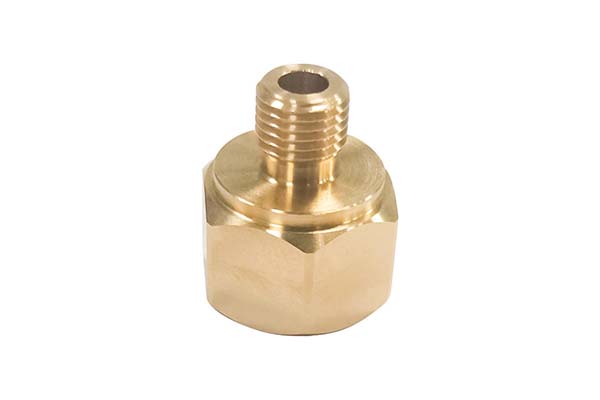
| Brass | Good conductivity, aesthetic | Decorative parts, terminals |
| Stainless Steel | Corrosion-resistant, strong | Medical devices, food equipment |
| High-Strength Alloys | Titanium, Inconel | Aerospace, demanding environments |
Once selected, the metal is cut into sheets of the appropriate size and thickness. Sheets are cleaned and treated to remove impurities or surface defects that could affect stamping.
Die Design and Manufacturing
The success of precision stamping hinges on die quality. Dies are custom-made from high-strength steel or carbide to withstand repeated forces.
- Design: Engineers create detailed blueprints using CAD (Computer-Aided Design) software. Simulations test the die design before manufacturing.
- Manufacturing: Dies are produced using precision machining techniques like milling, grinding, and electrical discharge machining (EDM) .
The quality of the die directly impacts the accuracy and consistency of stamped parts.
Stamping Machinery and Equipment
Stamping presses apply the force that shapes the metal. Modern presses range from small manual units to high-speed presses capable of producing thousands of parts per minute.
| Press Type | Key Feature | Best For |
|---|---|---|
| Mechanical Press | High speed | High-volume production |
| Hydraulic Press | Consistent force | Deep drawing, complex shapes |
| Servo Press | Programmable speed and force | Precision, flexible operations |
Advanced automation and control systems ensure precise positioning, force application, and cycle times. This automation increases productivity and enhances consistency.
What Are the Key Benefits?
High Accuracy and Repeatability
Precision metal stamping achieves tolerances as tight as a few microns. Each part is identical to the next, with minimal variation. This consistency is essential in industries like automotive and aerospace, where part interchangeability is crucial for assembly and maintenance.
Cost-Effectiveness and Efficiency
Once initial tooling costs are covered, the process becomes highly economical for large production runs. High-speed presses produce large quantities quickly, reducing per-unit costs. Automation minimizes labor costs and increases overall efficiency.
Versatility and Scalability
Precision stamping produces a wide range of components—from simple washers to complex multi-feature parts. It accommodates various metal materials. The process scales easily from low-volume prototyping to high-volume production, allowing manufacturers to adapt to changing market demands.
Material Savings
Because stamping cuts and forms the exact shape needed, material waste is minimal. This is especially important for expensive materials like titanium or specialty alloys.
Where Is Precision Metal Stamping Used?
Automotive Components
The automotive industry is one of the largest users of precision-stamped parts.
- Engine Components: Pistons, connecting rods, brackets
- Transmission Parts: Gears, housings
- Body Panels: Doors, hoods, structural supports
- Safety Systems: Brake components, airbag housings
High accuracy ensures proper fit and performance. Cost-effectiveness keeps vehicle prices competitive.
Electronics and Appliances
Precision stamping produces components that enable modern electronics.
- Connectors and Contacts: For circuit boards and wiring
- Switches and Relays: Reliable electrical connections
- Shielding: Protects against electromagnetic interference
- Appliance Panels: Housings for consumer and industrial appliances
Tight tolerances ensure reliable function in compact spaces.
Aerospace and Defense
The aerospace and defense sectors demand the highest levels of precision and reliability.
- Structural Components: Wing spars, fuselage frames
- Engine Parts: Turbine components, housings
- Avionics Enclosures: Protect sensitive electronic systems
- Fasteners: High-strength connectors
Parts must meet AS9100 standards and withstand extreme conditions. Precision stamping works with advanced materials like titanium and high-strength alloys.
Medical Devices and Equipment
Medical applications require precision, cleanliness, and biocompatibility.
- Surgical Instruments: Scalpels, forceps, clamps
- Implants: Orthopedic and dental components
- Diagnostic Equipment: Parts for MRI machines, X-ray equipment
- Pacemaker Components: Delicate, life-critical parts
Precision stamping meets ISO 13485 standards and produces components with the accuracy medical applications demand.
What Does the Future Hold?
Emerging Technologies and Innovations
The future of precision metal stamping is shaped by advances in materials, tooling, and automation.
- New Materials: High-strength alloys and composites enable lighter, stronger components.
- Advanced Die-Making: Additive manufacturing and improved EDM techniques produce more complex dies.
- Artificial Intelligence: AI and machine learning optimize press settings, predict tool wear, and enhance quality control.
- Industry 4.0: Connected presses and real-time monitoring improve process control and traceability.
These innovations will expand precision stamping into new industries and applications.
Conclusion
Precision metal stamping is a cornerstone of modern manufacturing. It transforms flat metal sheets into complex components with tight tolerances, high repeatability, and cost-effectiveness. The process involves careful material selection, custom die design, and advanced stamping machinery. Key benefits include accuracy, scalability, and material savings. Applications span automotive, electronics, aerospace, and medical devices—industries that demand reliability and precision. As technology advances, precision stamping will continue to evolve, enabling new materials, smarter processes, and even greater efficiency.
FAQ
What are the common materials used in precision metal stamping?
Common materials include steel, aluminum, brass, stainless steel, and high-strength alloys like titanium. Material selection depends on required strength, corrosion resistance, conductivity, and cost.
How does precision metal stamping ensure high accuracy and repeatability?
Accuracy comes from custom-designed dies that define the part geometry. Repeatability comes from advanced stamping machinery with precise force and positioning control. Automation and process monitoring maintain consistency across millions of parts.
What is the difference between progressive die stamping and transfer stamping?
Progressive die stamping uses a single strip of metal moving through multiple stations in one die. It is ideal for high-volume, small to medium-sized parts. Transfer stamping moves individual parts between separate dies using mechanical fingers, making it better for larger or more complex components.
Can precision metal stamping be used for low-volume production?
Yes. While precision stamping is most cost-effective for high volumes, many companies offer prototyping and low-volume services using simplified tooling or flexible processes. This allows design validation before committing to high-volume tooling.
What tolerances can precision metal stamping achieve?
Precision metal stamping can achieve tolerances as tight as ±0.01 mm for critical dimensions. Typical tolerances range from ±0.05 mm to ±0.01 mm, depending on material thickness, part complexity, and the stamping operation.
Contact Yigu Technology for Custom Manufacturing
Precision metal stamping requires expertise in tooling design, material selection, and process control. At Yigu Technology, we specialize in custom precision stamping for automotive, aerospace, medical, electronics, and industrial clients. We work with a wide range of materials—from steel and aluminum to stainless steel and high-strength alloys—and maintain tight tolerances to meet your specifications.
Our capabilities include progressive die stamping, prototyping, and secondary operations. We deliver consistent, high-quality components for applications that demand reliability and precision.
Contact Yigu Technology today to discuss your precision stamping project.