Introduction
You are designing a new electrical component or a mechanical part. Cost matters. Performance matters. You need a material that balances both. This is where brown bakelite sheet often enters the conversation.
For decades, this material has been a reliable workhorse in industrial and electrical applications. Its distinctive brown color, excellent insulation properties, and reasonable cost make it a familiar choice for engineers and manufacturers.
But is it right for your specific project? The answer depends on what you need. This article walks you through the properties, applications, advantages, and limitations of brown bakelite sheets. You will also learn how it compares to alternatives like FR-4 and aluminum. By the end, you will know whether this material fits your requirements.
What Is a Brown Bakelite Sheet?
How Is It Made?
Brown bakelite sheet starts with phenolic resin. This resin comes from the chemical reaction of phenol and formaldehyde. The process creates a thermosetting plastic, meaning it hardens permanently during manufacturing. Once set, it cannot be melted or reshaped.
Manufacturers add fillers to the resin before molding. Common fillers include wood flour, cotton, or in the past, asbestos. Wood flour improves mechanical strength and gives the material its characteristic brown hue. Cotton adds impact resistance. Modern production avoids asbestos due to health concerns.
The mixture goes into a mold under high heat and pressure. The heat triggers cross-linking—a chemical reaction that bonds the polymer chains together. The result is a hard, dense, and durable sheet.
What Are Its Key Properties?
The table below summarizes the main properties of brown bakelite sheet.
| Property | Typical Value | Why It Matters |
|---|---|---|
| Density | 1.3–1.4 g/cm³ | Contributes to strength and durability |
| Hardness (Shore D) | 85–90 | Resists scratches and abrasion |
| Tensile Strength | 30–50 MPa | Handles mechanical stress without breaking |
| Compressive Strength | 100–200 MPa | Withstands heavy loads without deforming |
| Heat Resistance | 150–200°C | Maintains properties at elevated temperatures |
| Volume Resistivity | 10¹²–10¹⁴ Ω·cm | Prevents electrical leakage |
| Dielectric Strength | 10–30 kV/mm | Withstands high voltages without breakdown |
These properties make brown bakelite a balanced material. It is not the best in any single category, but it performs well across multiple areas.
Where Is Brown Bakelite Sheet Used?
In Electrical and Electronic Applications
Circuit boards were once commonly made from brown bakelite. Modern electronics often use fiberglass-epoxy (FR-4) for high-performance needs. But brown bakelite still appears in low-cost and specialized applications. For example, some simple household appliances and low-power industrial controls use bakelite circuit boards. The material's heat resistance helps dissipate warmth from components.
Electrical insulators are a primary use. In power distribution panels, brown bakelite sheets separate conductors. This prevents electrical leakage and short circuits. In high-voltage switchgear, bakelite insulators help contain and direct electrical current safely.
In Mechanical and Industrial Applications
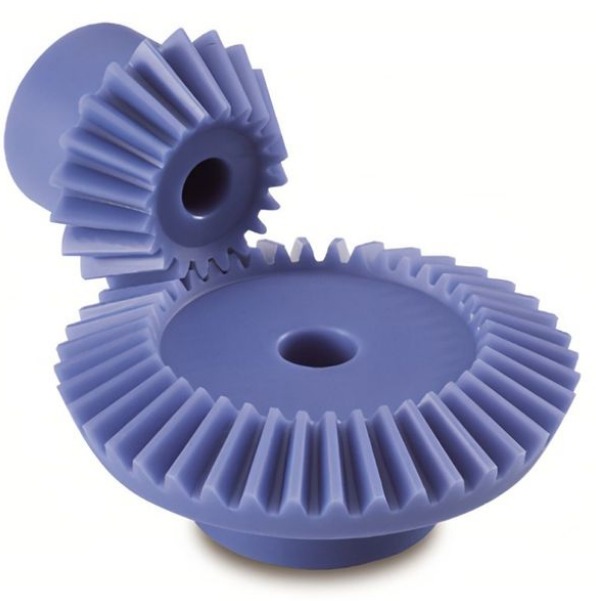
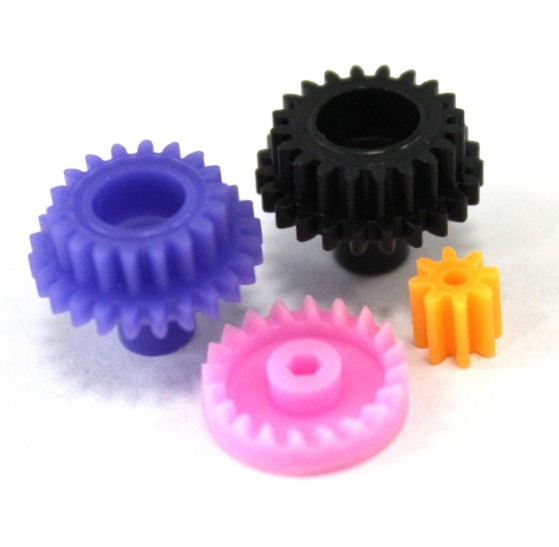
Gears and bearings made from brown bakelite work well in low-to-medium load applications. Consider a small-scale machine or a hand-operated tool. Bakelite gears run quieter than metal ones and resist wear. They also do not need lubrication in some cases.
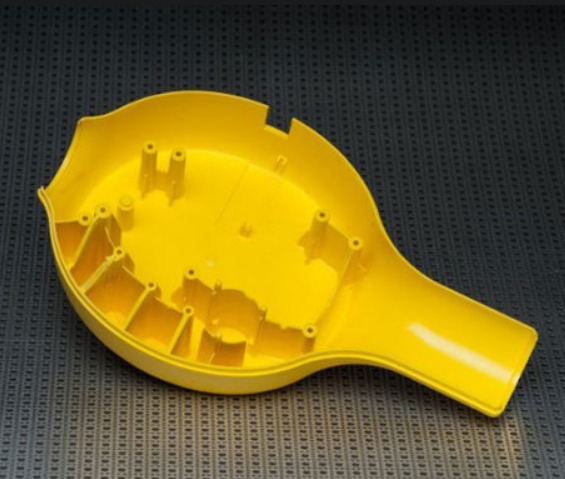
Machine guards and covers benefit from bakelite's moldability and strength. The material can form complex shapes to shield operators from moving parts. Its heat resistance adds safety when machinery generates warmth.
In Other Applications
Musical instruments sometimes use brown bakelite. In vintage guitars, you may find bakelite pickguards or control knobs. The material offers durability and a classic look. The warm brown color adds aesthetic appeal.
Decorative items also use bakelite. The material can be carved, shaped, and polished. Vintage bakelite jewelry is highly collectible. Its unique patterns and warm hue stand out.
What Are the Advantages of Brown Bakelite Sheet?
How Cost-Effective Is It?
Brown bakelite is relatively inexpensive. The raw materials—phenol and formaldehyde—are widely available. The manufacturing process is well established. This cost advantage makes bakelite attractive for applications where budget is a primary concern. Low-cost consumer electronics and basic industrial components often use it.
How Easy Is It to Fabricate?
Bakelite sheets machine easily. You can cut, drill, and shape them with standard tools. This convenience reduces production time and cost. The molding process itself can produce parts with high precision. Less post-processing is often needed.
What Mechanical and Electrical Properties Does It Offer?
Bakelite provides a good combination of mechanical and electrical properties. High hardness. Decent tensile and compressive strength. Excellent electrical insulation. This versatility allows one material to serve applications that might otherwise require multiple materials.
How Does It Handle Heat?
Heat resistance up to 150–200°C is a significant advantage. In electrical components or industrial machinery where heat builds up, bakelite maintains its properties. This reduces the risk of failure from overheating. It also extends product lifespan.
How Does It Compare to Alternative Materials?
Versus FR-4 Sheets
FR-4 (fiberglass-reinforced epoxy) is common in modern electronics.
| Factor | Brown Bakelite | FR-4 |
|---|---|---|
| Electrical Insulation | Excellent | Very good |
| Thermal Conductivity | 0.15–0.3 W/(m·K) | 0.2–0.5 W/(m·K) |
| Mechanical Strength | Good, but brittle | High, better impact resistance |
| Cost | Lower | Higher |
| Color | Brown only | Multiple colors |
Choose bakelite when cost is critical and performance demands are moderate. Choose FR-4 when you need better impact resistance or higher thermal conductivity.
Versus Aluminum Sheets
Aluminum is a common choice for structural and heat-dissipating applications.
| Factor | Brown Bakelite | Aluminum |
|---|---|---|
| Electrical Property | Insulator | Conductor |
| Thermal Conductivity | 0.15–0.3 W/(m·K) | 200–240 W/(m·K) |
| Mechanical Strength | Good for weight | Very high with alloys |
| Cost | Lower for small volumes | Varies with market |
| Corrosion Resistance | Good chemical resistance | Good with surface treatment |
Choose bakelite when you need electrical insulation and heat is moderate. Choose aluminum when you need heat dissipation or high structural strength.
How Do You Choose the Right Sheet?
What Application Factors Matter?
Start by listing your requirements.
- Operating temperature: Will the material face sustained heat above 150°C?
- Mechanical stress: Will it bear heavy loads or impacts?
- Electrical needs: Does it need to insulate or conduct?
- Chemical exposure: Will it contact acids, alkalis, or solvents?
- Aesthetics: Does color or appearance matter?
If your application involves high temperatures, moderate mechanical stress, and electrical insulation needs, brown bakelite is worth considering. If you need impact resistance or color options, look at alternatives.
How Do You Evaluate Suppliers?
Supplier quality matters as much as material quality. Look for suppliers with a strong reputation in the industry. Request detailed technical data sheets. These should cover material properties, manufacturing processes, and quality control measures.
For critical applications, ask for samples. Test them yourself. Check dimensions, surface finish, and mechanical properties. A reliable supplier will also offer guidance on material selection and processing.
Conclusion
Brown bakelite sheet has earned its place in industrial and electrical applications. Its cost-effectiveness, good mechanical and electrical properties, and heat resistance make it a practical choice for many projects.
But it also has limits. It is brittle compared to some alternatives. It offers limited color options. And while it performs well in many areas, it is rarely the best in any single category.
The key question is whether it fits your specific needs. Assess your application requirements carefully. Compare bakelite with alternatives like FR-4 and aluminum. Choose a reliable supplier.
When the balance of cost, insulation, heat resistance, and machinability aligns with your project, brown bakelite sheet can indeed be the ideal choice.
FAQ
What is the maximum temperature a brown bakelite sheet can withstand?
Most brown bakelite sheets operate safely up to 150–200°C. Some specialized grades can handle higher temperatures for short periods. Prolonged exposure beyond this range can cause degradation.
Can brown bakelite sheets be machined easily?
Yes. They can be cut, drilled, and shaped using standard metalworking tools. Use sharp tools to avoid chipping. Dust from machining can be irritating, so proper ventilation is recommended.
Is brown bakelite environmentally friendly?
Brown bakelite is not biodegradable. It is a thermosetting plastic, so it cannot be melted and recycled like thermoplastics. However, its long service life means it rarely needs replacement. Some manufacturers now offer formulations with reduced environmental impact.
How does brown bakelite compare to FR-4 for circuit boards?
Brown bakelite is more cost-effective and works well for low-frequency, low-power applications. FR-4 offers better impact resistance, higher thermal conductivity, and a lower dielectric constant, making it preferable for high-frequency and high-performance electronics.
Contact Yigu Technology for Custom Manufacturing
Need custom brown bakelite sheet components? Yigu Technology specializes in precision fabrication of phenolic materials. We offer cutting, machining, and finishing services to meet your exact specifications. Our team helps you select the right grade and thickness for your application. Contact us today to discuss your project requirements.