Introduction
You've designed a part. Maybe it's a prototype for work, a custom gift for a friend, or a replacement for something broken. You need it printed—but you don't have a printer.
Enter 3D print and ship services. You upload your file. They print your part. They ship it to your door. Simple, right?
Well, mostly. But there are things you should know before you click "order."
At Yigu technology, we've shipped thousands of parts to customers around the world. This guide covers how 3D print and ship works, what to consider before ordering, and how to make sure you get exactly what you expect.
How Does 3D Print and Ship Work?
The 3D Printing Process
Everything starts with your digital model. You create it in CAD software, get it from a 3D scan, or download it from an online repository.
Slicing: The first technical step happens before printing. Specialized software takes your 3D model and slices it into hundreds or thousands of thin horizontal layers. Each layer is a cross-section of your final object.
Layer thickness matters:
- 0.1-0.3 mm typical for consumer-grade printers
- 0.01 mm or less possible on industrial machines
- Thinner layers = higher detail = longer print times
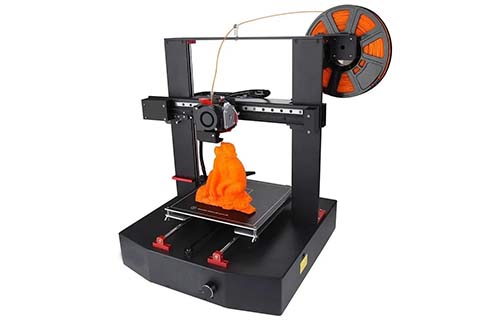
Printing: The printer reads these sliced files and builds your object layer by layer. Common technologies:
| Technology | How It Works | Best For |
|---|---|---|
| FDM | Melts plastic filament and extrudes it through a nozzle | Prototypes, large parts, functional items |
| SLA | Cures liquid resin with UV laser | High detail, smooth surfaces, jewelry, dental models |
| SLS | Fuses powder with laser | Strong functional parts, complex geometries |
| Metal | Melts metal powder with laser or electron beam | High-strength, heat-resistant components |
FDM is like a hot glue gun on a robot. SLA is like growing parts from liquid light. Each has its place.
The Shipping Process
Printing finishes. Now your part needs to get to you.
Step 1: Removal and cleanup
- Carefully remove the part from the printer
- Remove support structures (snap off for FDM, cut carefully for SLA)
- Clean off any residual material
Step 2: Post-processing (optional but common)
- Sanding to smooth surfaces
- Painting for appearance
- Sealing to protect material
- Assembly of multiple parts
Step 3: Packaging
- Small, sturdy parts go in boxes with bubble wrap
- Large or fragile items need custom foam inserts
- Multiple parts get separated to prevent rubbing
Step 4: Shipping
- Carrier chosen based on destination, speed, cost
- Package scanned into tracking system
- Travels through sorting facilities and transportation networks
- Delivered to your door
Domestic shipping: 1-2 days for express, 3-7 days for standard
International shipping: 3-10 days for express, 2-6 weeks for economy
What Should You Consider Before Ordering?
Material Options
Different materials have different properties. Choose based on what your part needs to do.
| Material | Properties | Best For | Limitations |
|---|---|---|---|
| PLA | Biodegradable, easy to print, smooth finish | Decorative items, prototypes, educational models | Low heat resistance (softens at 60°C) |
| ABS | Strong, durable, heat-resistant (100°C) | Functional parts, automotive prototypes | Needs ventilation while printing, prone to warping |
| PETG | Tough, slightly flexible, chemical-resistant | Mechanical parts, outdoor use | Can be stringy, harder to sand |
| Nylon | Very strong, wear-resistant, flexible | Gears, moving parts, industrial | Absorbs moisture, needs dry storage |
| Resin | High detail, smooth surfaces | Jewelry, dental models, miniatures | Brittle, needs UV curing |
| TPU | Flexible, rubber-like | Gaskets, seals, soft-touch parts | Slower to print, tricky supports |
| Stainless steel | Strong, corrosion-resistant | Industrial, medical, food-grade | Expensive, needs post-processing |
| Titanium | Very strong, lightweight, biocompatible | Aerospace, medical implants | Very expensive, specialized process |
PLA is great for a desktop figurine. ABS is better for a part that might get warm. Stainless steel is for when plastic won't cut it.
Quality Assurance
How do you know you're getting good quality?
Printing accuracy: Measured by dimensional tolerance. Industrial printing can achieve ±0.1 mm or better. Consumer-grade might be ±0.5 mm. Know what your part needs.
Surface finish: Some technologies produce smoother surfaces than others:
- SLA: Very smooth, almost like injection molding
- SLS: Slightly grainy, characteristic texture
- FDM: Visible layer lines, can be sanded smooth
What to look for in a service:
- Clear specifications about accuracy and finish
- Options for post-processing (sanding, painting, coating)
- Sample photos of similar work
- Quality control processes described
- Responsive communication about issues
Turnaround Time
How fast do you need your part?
Standard service: Usually 3-7 days for printing plus shipping time
Express service: 24-48 hours for printing, plus rush shipping
Bulk orders: Add time based on quantity
Always check estimated delivery dates before ordering. For time-critical projects, ask about rush options.
Cost Factors
What goes into the price?
- Material cost: By gram or by volume
- Print time: Longer prints cost more
- Complexity: Intricate designs may need more supports or slower printing
- Post-processing: Sanding, painting, assembly add cost
- Shipping: Weight, size, destination, speed
Most services provide instant quotes based on your file. Upload and see.
How Do You Choose a 3D Print and Ship Service?
What to Look For
Technology offered: Do they have the printer type you need? FDM for large parts? SLA for detail? Metal for strength?
Material selection: Can they print in the material your application requires?
File formats accepted: STL is standard. Some accept OBJ, 3MF, STEP, or native CAD files.
Quote process: Instant online quotes or request-based? Clear pricing?
Turnaround options: Standard, express, rush?
Post-processing available: Sanding, painting, assembly?
Shipping partners: Who do they use? Trackable? Reliable?
Customer support: Easy to reach? Helpful with questions?
Questions to Ask
- What technologies do you offer?
- What materials can you print in?
- What's your typical turnaround time?
- How much will it cost? (Get a detailed quote)
- Do you offer design review or optimization?
- What post-processing do you include?
- How do you handle failed prints or quality issues?
- What's your shipping policy?
- Do you provide tracking information?
Red Flags
- Vague about capabilities
- No sample photos of similar work
- Unwilling to discuss failures or limitations
- Prices that seem too good to be true (they usually are)
- No clear quality process
- Poor communication or slow responses
What If Something Goes Wrong?
Damaged During Shipping
It happens. Packages get handled roughly. Here's what to do:
- Take photos of the damaged item and packaging
- Contact customer support immediately with order details and photos
- Most services will offer compensation or reprint and ship a replacement
- Keep the packaging until the issue is resolved
Print Quality Issues
Part doesn't match the design? Dimensions off? Surface rougher than expected?
- Compare to your expectations—did the service specify the accuracy and finish?
- Contact support with specific concerns and photos
- Reputable services will work with you to fix issues
Delayed Shipping
Package not arriving when expected?
- Check tracking first—sometimes it's still in transit
- Contact the service—they can check with the carrier
- For significant delays, ask about expedited replacements
Yigu Technology's View
At Yigu technology, 3D print and ship is what we do every day. Here's what we've learned:
Clear communication prevents problems. Tell us what you need—material, finish, timeline. We'll tell you what's possible.
Design matters. A few small changes to your model can make it print better, faster, and cheaper. We're happy to advise.
Quality isn't automatic. It comes from good equipment, skilled operators, and careful checking. Look for services that invest in all three.
Shipping is part of the experience. Good packaging, reliable carriers, and tracking information matter as much as the print itself.
We've shipped parts to hobbyists, engineers, and Fortune 500 companies. Each has different needs. We match process to purpose.
Conclusion
3D print and ship services make additive manufacturing accessible to everyone. No printer needed. No expertise required. Just upload your file and wait for your part to arrive.
Key things to remember:
- Choose the right material for your application—PLA for decorative, ABS for functional, metal for industrial
- Understand quality expectations—accuracy, surface finish, and tolerances vary by technology
- Factor in time—printing plus shipping adds up
- Check costs—material, complexity, and post-processing all affect price
- Pick a reputable service with clear specifications, good reviews, and responsive support
The process is straightforward:
- Upload your 3D model
- Select material and options
- Get a quote
- Approve and pay
- Receive your printed part
Whether you're prototyping a new product, creating a custom gift, or replacing a broken part, 3D print and ship puts manufacturing power in your hands.
FAQ
What types of materials can be used for 3D printing in 3D print and ship services?
Common materials include PLA (easy, biodegradable, for decorative items), ABS (strong, heat-resistant, for functional parts), PETG (tough, chemical-resistant), nylon (wear-resistant, for moving parts), resin (high detail, for jewelry and dental models), TPU (flexible, for gaskets and seals), and metals like stainless steel, aluminum, and titanium for industrial applications. Choose based on what your part needs to do.
How accurate is the 3D printing in a 3D print and ship service?
Accuracy varies by technology. FDM typically achieves ±0.5 mm for consumer-grade, ±0.2 mm for industrial. SLA and SLS achieve ±0.1 mm. Professional resin printers can reach ±0.01 mm. Factors like printer condition, model complexity, and printing parameters affect final accuracy. Always check the service's specifications.
What if my 3D printed item is damaged during shipping?
First, take clear photos of the damaged item and packaging. Contact customer support immediately with your order details, tracking number, and photos. Reputable services will assess the situation and typically offer compensation or reprint and ship a replacement. Keep the original packaging until the issue is resolved.
How long does 3D print and ship take?
Printing time depends on part size and complexity—small parts in hours, large parts in days. Shipping adds 1-2 days for domestic express, 3-7 days for domestic standard, 3-10 days for international express, and 2-6 weeks for international economy. Total time from upload to delivery ranges from a few days to a few weeks.
What file format do I need for 3D print and ship?
STL is the most common and widely accepted format. Some services also accept OBJ, 3MF, STEP, or native CAD files. Check with your chosen service before uploading. For complex models, STEP files preserve more information than STL.
Can I get my part sanded or painted after printing?
Yes. Most services offer post-processing options for an additional cost. Common options include support removal (included), sanding for smoother surfaces, painting for color and finish, and assembly for multi-part designs. Specify your requirements when ordering.
Contact Yigu Technology for Custom Manufacturing
Ready to print your part? Yigu technology specializes in 3D print and ship services with all major technologies and materials.
We offer:
- Free quotes within 24 hours—just upload your file
- Design review to optimize for printability
- Multiple technologies—FDM, SLA, SLS, metal
- Wide material selection—plastics, resins, metals
- Post-processing—sanding, painting, assembly
- Global shipping—tracked and insured
- Quality assurance—every part inspected before shipping
Contact us to discuss your project. Tell us what you're making and what it needs to do. We'll help bring your design to life and ship it anywhere in the world.