
Introduction
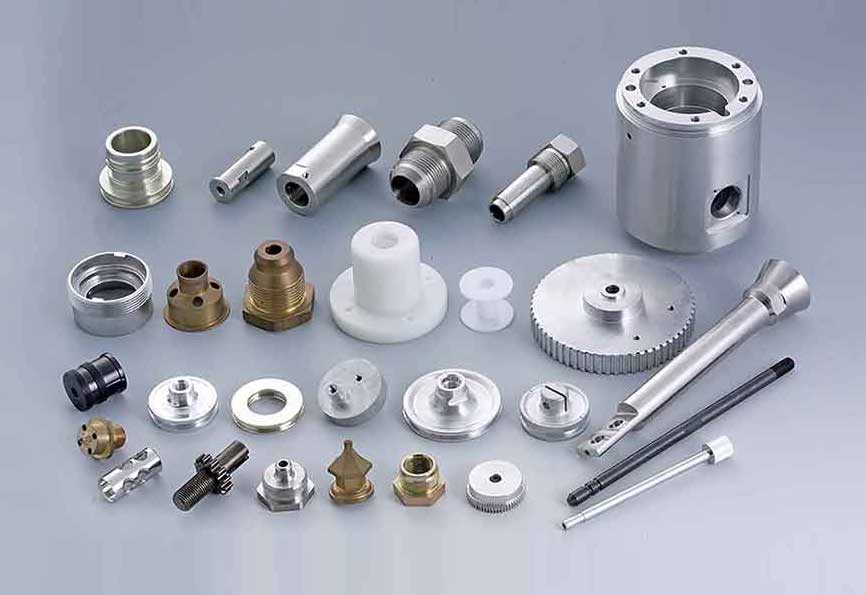
Machined parts are components created through processes like milling, turning, drilling, and grinding. The primary goal is to transform raw materials—often metal or plastic—into components that meet specific, precise dimensions and tolerances. These parts are crucial to the functionality and reliability of end products, particularly in industries like aerospace, automotive, medical devices, and electronics, where even slight deviations can lead to malfunction or failure.
This guide explores the key factors for ensuring precision in machined parts: material selection, machining processes, tolerances, and surface finish.
What Types of Machined Parts Exist?
| Type | Description | Examples | Manufacturing Method |
|---|---|---|---|
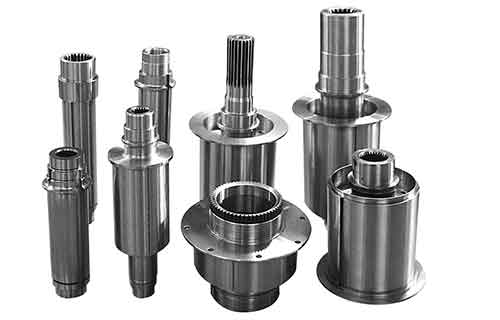
| Rotational parts | Cylindrical shapes | Shafts, gears, pulleys, spindles | Lathe operations |
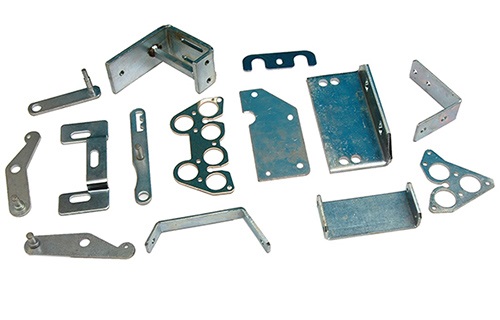
| Prismatic parts | Flat surfaces, blocks | Plates, blocks, brackets | Milling machines |
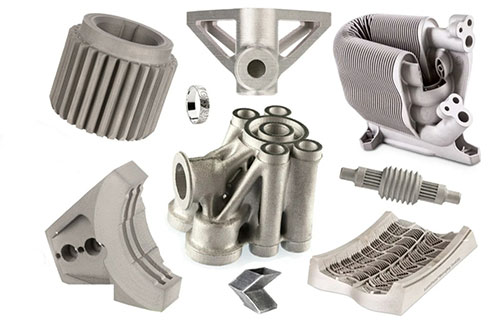
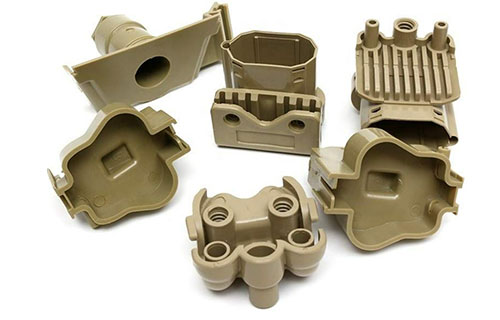
| Specialized parts | Custom-made for specific applications | Aerospace, medical, defense components | Multi-axis CNC, EDM |
How Does Material Selection Affect Precision?
Key Material Properties to Consider
| Property | Importance |
|---|---|
| Strength and durability | Withstand operational stresses—load-bearing, vibration, temperature |
| Machinability | Ease of machining—aluminum (easy) vs. titanium (challenging) |
| Thermal conductivity | Essential for heat transfer—engine components, heat exchangers |
| Corrosion resistance | Critical for harsh environments—marine components, medical implants |
Impact on Machining
| Material | Machining Characteristics | Requirements |
|---|---|---|
| Aluminum | Easier to machine | Standard tools; higher speeds |
| Titanium, stainless steel | Harder; cause rapid tool wear | Specialized tools; slower feed rates; careful temperature control |
What Machining Processes Ensure Precision?
Traditional vs. Modern Techniques
| Technique | Characteristics | Best For |
|---|---|---|
| Traditional (manual milling, turning, drilling) | Relies on operator skill | Low-volume production; simpler geometries |
| Modern (CNC, laser cutting, waterjet, 3D printing) | Automated; increased precision, repeatability, efficiency | Complex geometries; high-volume; tight tolerances |
Process Selection Criteria
| Factor | Considerations |
|---|---|
| Part complexity | Simple parts → basic milling/turning; Complex geometries → multi-axis CNC, EDM |
| Volume | High-volume → automated CNC; Low-volume/prototype → manual machining, 3D printing |
| Material | Stainless steel → slow speeds, careful tool choice; Aluminum → higher speeds, basic tools |
| Tolerances | High-precision (aerospace, medical) → advanced CNC (micron-level); Looser tolerances → less expensive methods |
Why Are Tolerances Critical?
Importance of Tolerances
Tolerances define the acceptable range of variation in a part’s dimensions. They ensure parts fit together properly, function as intended, and meet safety or performance standards. Even small deviations in dimensions or geometry can lead to significant issues in high-performance applications.
Setting Tolerances for Precision
| Tolerance Type | Applications | Cost Impact |
|---|---|---|
| Tighter tolerances | Aerospace, medical implants—precision paramount | Higher manufacturing costs; longer production time |
| Looser tolerances | Non-critical components | Lower costs; may affect part performance, interoperability |
Guideline: Tolerances should be realistic given machining method and material. Achieving ±0.001 mm on high-precision CNC is feasible; same tolerance on manual machines is extremely difficult or impossible.
How Does Surface Finish Impact Precision?
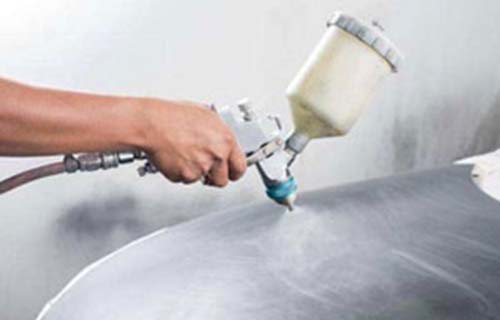
Finishing Techniques
| Technique | Purpose | Applications |
|---|---|---|
| Polishing | Smooth, shiny finish; low friction | Cosmetic components; moving parts |
| Anodizing | Improves corrosion resistance; enhances appearance | Aluminum parts |
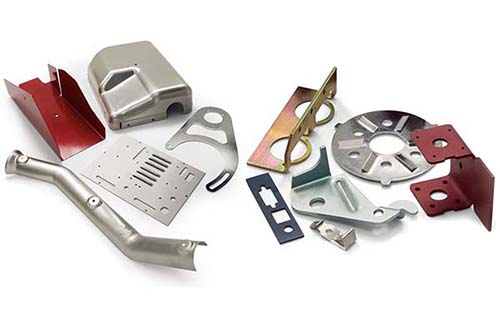
| Plating | Adds metal layer (gold, nickel)—durability, conductivity, aesthetics | Electrical contacts; decorative |
| Sandblasting | Matte finish; improves coating adhesion | Pre-coating treatment |
Surface Finish Standards
Surface finish is measured using parameters like Ra (Roughness Average) and Rz (Maximum Height of the Profile) .
| Application | Required Surface Finish |
|---|---|
| Medical implants, precision optics | Ra <1 μm (highly polished) |
| Industrial machinery parts | Ra several microns (rougher finish acceptable) |
What Are Best Practices for Precision Machining?
| Practice | Importance |
|---|---|
| Use advanced equipment | CNC machines, multi-axis systems, automation—essential for precision |
| Regular calibration | Maintains consistent accuracy; prevents drift |
| Skilled workforce | Training ensures adherence to best practices; keeps up with technological developments |
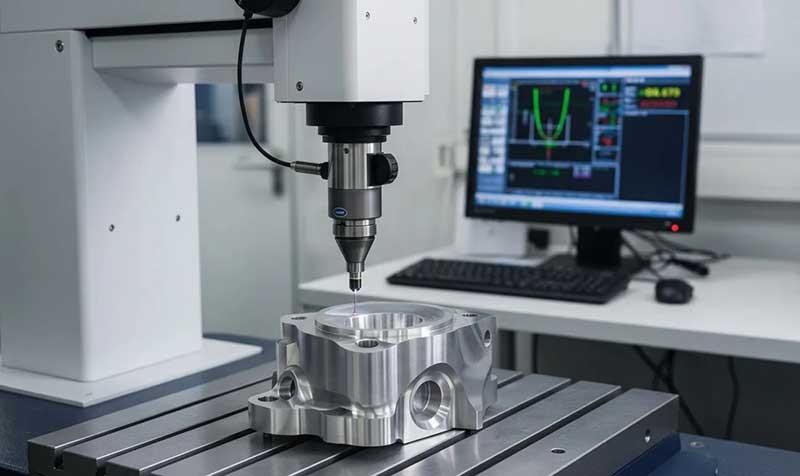
| Rigorous quality control | Dimensional inspections; surface roughness measurements; functional testing—throughout process |
Conclusion
Ensuring precision in machined parts involves multiple interconnected factors:
- Material selection: Balance strength, machinability, thermal conductivity, corrosion resistance—aluminum (easy), titanium/stainless (challenging, specialized tools)
- Machining processes: Match process to part complexity, volume, material, tolerance requirements—CNC for high precision; multi-axis for complex geometries; traditional for low-volume simple parts
- Tolerances: Set realistic tolerances based on functional requirements and machining capability—tighter tolerances increase cost but are essential for aerospace/medical applications
- Surface finish: Achieve appropriate Ra/Rz values—<1 μm for medical implants/optics; several microns for industrial machinery; use polishing, anodizing, plating, sandblasting
By carefully considering these factors and implementing best practices—advanced equipment, regular calibration, skilled workforce, rigorous quality control—manufacturers can achieve high precision in machined parts, ensuring performance, reliability, and safety.
FAQs
What is the role of tolerance in machined parts?
Tolerances define the acceptable variation in dimensions and ensure parts fit together and function as intended. Properly set tolerances are crucial for performance, reliability, and safety—especially in high-performance industries like aerospace and medical manufacturing.
How do different materials affect the machining process?
Different materials vary in hardness, machinability, and thermal properties. Harder materials (titanium, stainless steel) require slower feed rates, specialized tools, and careful cooling. Softer materials (aluminum) can be machined faster with standard tools. Material affects cutting speed, tool type, and cooling methods.
Why is surface finish important for machined parts?
Surface finish affects both aesthetic appearance and functional performance:
- Smoother surfaces reduce friction, improve wear resistance, enhance durability
- Contributes to coating adhesion and corrosion resistance
- Critical for medical implants, aerospace components, precision optics
What is the difference between Ra and Rz in surface finish measurement?
Ra (Roughness Average) measures the average deviation from the mean surface line. Rz (Maximum Height of the Profile) measures the average maximum peak-to-valley height. Ra is more common for general applications; Rz is useful for applications sensitive to extreme peaks or valleys (seals, gaskets).
How can I achieve tighter tolerances without significantly increasing cost?
Strategies include:
- Use CNC machining (higher precision than manual)
- Design for manufacturability—simplify features where possible
- Apply tight tolerances only to critical dimensions; loosen tolerances on non-critical features
- Work with experienced machinists who can optimize tool paths and parameters
- Consider post-machining processes (grinding) for critical surfaces
Contact Yigu Technology for Custom Manufacturing
At Yigu Technology, we ensure precision in machined parts through careful material selection, advanced machining processes, rigorous tolerances, and quality surface finishes. With 15 years of experience, 5-axis CNC machining, CNC turning, and ISO 9001 certification, we deliver components with tolerances to ±0.001 mm and surface finishes to Ra 0.4 μm.
Our quality systems include CMM inspection, in-process monitoring, and full documentation. Contact us today to discuss your precision machined parts requirements.


