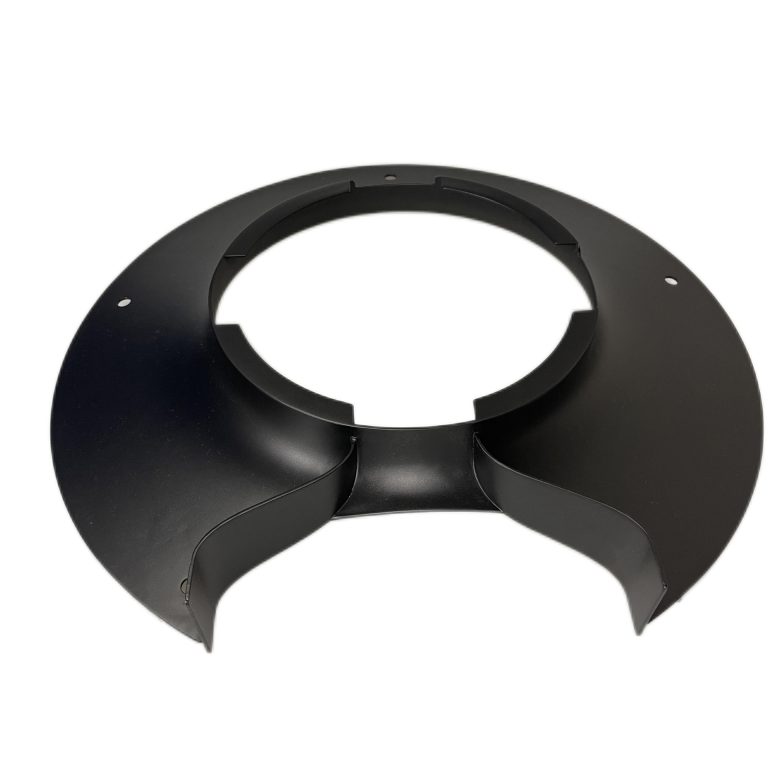
Ceramic 3D printing services are revolutionizing industries by enabling complex geometries, rapid prototyping, and sustainable production. This article explores how this technology works, its applications, and why it matters for your next project.
Introduction to Ceramic 3D Printing
Ceramic 3D printing, also called additive manufacturing of ceramics, has become a transformative technology across various industries. It offers unmatched design flexibility, customization, and sustainability that traditional methods simply cannot match.
The process creates objects by depositing ceramic material layer by layer based on a digital model. You start by designing the object using computer-aided design (CAD) software. Specialized software then translates this design into thin slices. These slices guide the 3D printer in building the object layer by layer.
Traditional ceramic manufacturing often requires complex molds and expensive tooling. 3D printing bypasses these limitations, offering greater design freedom, speed, and cost-efficiency. Moreover, the technology minimizes material waste, making it a more sustainable alternative to traditional methods.
What Ceramic 3D Printing Technologies Are Available?
How does Stereolithography work for ceramics?
Stereolithography (SLA) uses a laser to cure liquid resin into solid material. For ceramics, the resin contains ceramic particles suspended in a photopolymer. The laser selectively cures the resin, binding the ceramic particles together. After printing, the part undergoes debinding (removing the polymer) and sintering (fusing the ceramic particles) to create a fully dense ceramic object.
SLA excels at producing parts with high precision and fine details. It's ideal for applications requiring smooth surfaces and intricate features, such as dental restorations or technical ceramic components.
What is Selective Laser Sintering for ceramics?
Selective Laser Sintering (SLS) sinters powdered ceramic materials using a high-power laser. The laser selectively fuses powder particles together, building the object layer by layer. Unlike SLA, SLS doesn't require supports because the surrounding powder supports the part during printing.
SLS is ideal for complex geometries and durable parts that need good mechanical properties. It works well for functional prototypes and end-use components in demanding applications.
How does Binder Jetting differ for ceramic printing?
Binder Jetting applies a liquid binding agent selectively to ceramic powder. A print head deposits binder where the part should be solid, bonding the powder particles. The "green" part then undergoes post-processing—typically sintering—to achieve final density and strength.
Binder jetting offers several advantages:
- Full-color printing possible by using colored binders
- Large parts achievable without thermal stress concerns
- High throughput for production volumes
- Wide material compatibility with various ceramic powders
Which technique should you choose?
| Technology | Best For | Resolution | Surface Finish | Cost |
|---|---|---|---|---|
| SLA | Fine details, smooth surfaces | High | Excellent | Moderate |
| SLS | Functional parts, complex geometries | Medium | Good | High |
| Binder Jetting | Large parts, color, production volumes | Medium | Moderate | Moderate |
Choose based on your specific requirements—detail, function, size, or color.
What Advantages Does Ceramic 3D Printing Offer Over Traditional Methods?
Can it really create impossible geometries?
Complex designs represent ceramic 3D printing's biggest advantage. Traditional ceramic manufacturing relies on molds, pressing, or slip casting. These methods constrain shapes—you can't create undercuts, internal channels, or intricate lattices without expensive multi-part molds or manual assembly.
3D printing removes these constraints entirely. You can design:
- Hollow structures with internal cavities
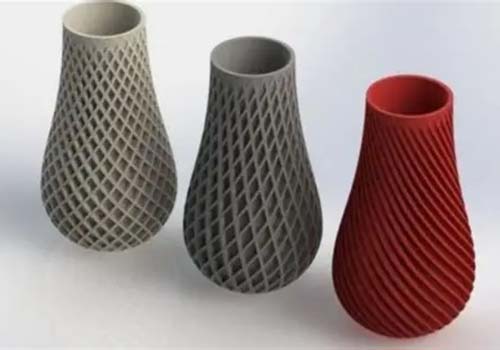
- Lattice architectures for lightweight strength
- Conformal cooling channels in molds
- Interlocking parts printed as single assemblies
- Organic shapes impossible to mold
For example, lightweight ceramic heat exchangers with complex internal passageways improve thermal efficiency by 30% compared to traditionally manufactured versions. These geometries simply cannot be molded.
How much faster is prototyping with ceramic 3D printing?
Rapid prototyping accelerates development dramatically. Traditional ceramic prototyping requires mold creation—weeks of work and thousands of dollars. Each design iteration means new molds.
With 3D printing, you modify the digital file and print again. What took weeks now takes days or hours. Designers can quickly test concepts, refine features, and validate performance without waiting for tooling.
A dental laboratory using ceramic 3D printing for crowns and bridges reduced prototyping time from two weeks to two days. They now iterate designs with dentists in real-time, achieving better fits and happier patients.
Does ceramic 3D printing reduce waste?
Material efficiency is inherent to additive processes. Traditional ceramic manufacturing often involves subtractive steps—cutting, grinding, machining—that waste material. Molding generates waste from sprues, runners, and rejected parts.
3D printing deposits material only where needed. Waste drops to near zero. For expensive technical ceramics like zirconia or alumina, this matters significantly. Material savings of 80-90% are common compared to machining from blocks.
Is it more sustainable?
Environmental sustainability improves through multiple factors:
- Reduced material waste conserves raw materials
- Lower energy consumption per part for complex geometries
- No toxic mold releases or chemical binders in some processes
- Local production reduces transportation emissions
- Recycled ceramic powders usable in some systems
A lifecycle analysis of ceramic 3D printing versus traditional manufacturing showed 40% lower carbon footprint for complex parts due to material efficiency and eliminated transportation.
How Are Industries Using Ceramic 3D Printing Today?
Architecture: How does ceramic 3D printing transform building design?
Architectural components benefit tremendously from ceramic 3D printing's design freedom. Architects now create custom tiles, facades, and structural elements with intricate patterns impossible to mold economically.
Studio RAP, an Amsterdam-based architecture firm, used ceramic 3D printing to create a custom facade for a boutique hotel. The geometric patterns responded to sunlight angles, creating dynamic shadow effects throughout the day. Traditional methods would have required thousands of unique molds—prohibitively expensive. 3D printing made it feasible and cost-effective.
Benefits for architecture include:
- Custom patterns without mold costs
- Integrated functions like light diffusion or ventilation
- Durable materials resistant to weather and UV
- On-demand production reducing inventory
Automotive: Can ceramic 3D printing improve vehicle performance?
Automotive parts leverage ceramics' excellent thermal and mechanical properties. Ceramic 3D printing enables production of complex components that improve performance.
Porsche developed ceramic brake discs for high-performance vehicles using 3D printing. The printed discs feature internal cooling channels impossible to cast conventionally. Results include:
- 30% better heat dissipation
- 15% weight reduction versus cast discs
- Improved fade resistance during heavy braking
- Longer service life due to uniform material properties
Other applications include:
- Exhaust components withstanding high temperatures
- Engine parts with integrated cooling
- Sensors housings for harsh environments
- Battery components for electric vehicles
Aerospace: How does ceramic 3D printing meet extreme demands?
Aerospace components must withstand extreme conditions—high temperatures, thermal shock, corrosive environments. Ceramics excel here, and 3D printing enables geometries that improve performance further.
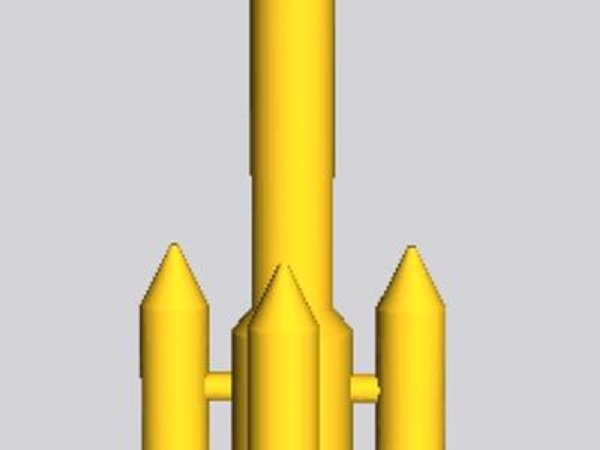
NASA uses ceramic 3D printing for rocket engine components. Printed turbine blades and nozzles feature complex internal cooling channels that reduce operating temperatures by 200°C while maintaining structural integrity. This allows higher combustion temperatures and improved efficiency.
Airbus explores ceramic 3D printing for satellite components. Lightweight ceramic parts reduce launch weight while providing thermal stability in orbit's temperature extremes. One printed waveguide assembly replaced a machined metal part at 40% weight reduction with better RF performance.
Key aerospace applications:
- Turbine blades with cooling channels
- Heat shields for re-entry vehicles
- Nozzles for propulsion systems
- Radomes with complex geometries
- Insulators for electrical systems
Medical: How does ceramic 3D printing improve patient care?
Medical implants and devices represent ceramic 3D printing's most impactful application. Ceramics offer biocompatibility, wear resistance, and osseointegration properties ideal for implants.
Zimmer Biomet uses ceramic 3D printing for custom hip implants. Traditional implants come in standard sizes; surgeons make do with "close enough." Printed implants match patient anatomy exactly, improving:
- Fit and comfort through patient-specific design
- Bone integration via porous surface structures
- Longevity through optimized load distribution
- Recovery time with better initial stability
Dental applications lead adoption. Align Technology prints thousands of custom dental models daily. Crowns, bridges, and dentures print in biocompatible ceramics with precision fit and natural aesthetics.
Benefits for healthcare:
- Patient-specific implants improving outcomes
- Complex geometries promoting tissue integration
- Rapid production for time-sensitive cases
- Material purity without mold contamination
What Benefits Do Ceramic 3D Printing Services Provide?
How does design flexibility help you?
Design flexibility means you're not constrained by what molds can do. You design for function and aesthetics, then print directly. This capability leads to innovative products with both functional and aesthetic advantages.
For example, a lighting designer created ceramic lamp shades with lattice patterns that cast beautiful shadows. Each shade was unique, yet production remained economical because no molds were needed. Traditional methods would have required hundreds of molds for the same variety.
What customization capabilities matter?
Mass customization—producing unique items at near-mass-production costs—becomes practical with ceramic 3D printing. Whether architectural components, medical implants, or automotive parts, you can tailor each piece to specific needs.
A luxury kitchen brand offers custom ceramic sinks designed for each client's space. Sinks fit perfectly, match décor exactly, and include personalized features like integrated draining boards or custom colors. Clients pay premium prices for this personalization, and the brand enjoys strong margins without inventory costs.
Does production efficiency improve?
Production efficiency gains come from multiple sources:
- No tooling eliminates mold-making time and cost
- Digital workflow reduces setup between jobs
- Consolidated assemblies replace multi-part constructions
- On-demand production eliminates finished goods inventory
- Reduced waste lowers material costs
A manufacturer of industrial ceramic components switched to 3D printing for low-volume parts. Lead times dropped from 12 weeks to 5 days. Setup costs vanished. Inventory carrying costs fell by 60%. They now serve customers better while improving profitability.
How sustainable is ceramic 3D printing?
Environmental sustainability advantages compound:
- Material efficiency reduces raw material consumption
- Energy efficiency improves for complex parts
- Local production cuts transportation emissions
- Longer-lasting products from optimized designs
- Recyclable materials in many processes
Companies seeking ESG goals increasingly adopt ceramic 3D printing as part of sustainable manufacturing strategies.
What Do Real-World Success Stories Look Like?
Architectural Design Case Study
A leading architecture firm needed custom facade panels for a high-rise building. The design featured unique geometric patterns creating dynamic light and shadow effects.
Challenge: Traditional methods would require thousands of unique molds—cost-prohibitive and time-consuming.
Solution: Ceramic 3D printing produced each panel directly from digital files. No molds, no tooling changes between panels.
Results:
- Completed on time and within budget
- Unique aesthetic impossible with standard panels
- Durable components with excellent weather resistance
- Energy-efficient performance from optimized geometry
Automotive Innovation Case Study
An automotive manufacturer wanted high-performance brake discs for a new sports car model.
Challenge: Cast discs limited cooling capability and added weight.
Solution: Ceramic 3D printing enabled internal cooling channels impossible to cast. Discs printed in lightweight, heat-resistant ceramic.
Results:
- Superior heat resistance improving braking performance
- Reduced wear extending disc life
- Weight savings improving vehicle dynamics
- Enhanced fuel efficiency from lower unsprung weight
Aerospace Advancements Case Study
An aerospace company needed lightweight turbine blades for jet engines.
Challenge: Traditional blades required complex casting with limited cooling features.
Solution: Ceramic 3D printing produced blades with intricate internal cooling channels.
Results:
- Higher operating temperatures improving efficiency
- Reduced weight lowering fuel consumption
- Better durability from uniform material properties
- Faster development through rapid design iterations
What Does the Future Hold for Ceramic 3D Printing?
The future of ceramic 3D printing is promising. Ongoing advancements in materials, printing techniques, and production speed continue expanding applications.
Material development introduces new ceramic formulations with improved properties. Gradient materials—varying composition within a single part—enable unprecedented performance combinations. Nano-engineered ceramics offer strength and toughness approaching metals.
Process improvements increase speed and resolution. Multi-laser systems print faster. Higher-resolution optics capture finer details. Automated post-processing reduces manual labor.
Applications expand into construction, energy, electronics, and consumer goods. Large-scale printing for building components. Micro-printing for electronic substrates. Biomedical printing for tissue scaffolds.
Industry analysts project the ceramic 3D printing market to grow at 25% annually, reaching $5 billion by 2030. As technology matures and costs decline, adoption will accelerate across all sectors.
Conclusion
Ceramic 3D printing is redefining how products are designed and manufactured across diverse industries. From architecture and automotive to aerospace and healthcare, the technology's ability to create complex, customized, and sustainable products positions it as a game-changer in modern manufacturing.
Key takeaways:
- Multiple technologies (SLA, SLS, binder jetting) suit different applications
- Unmatched design freedom enables geometries impossible with traditional methods
- Rapid prototyping accelerates development cycles dramatically
- Material efficiency reduces waste and supports sustainability
- Real-world applications deliver proven results across industries
As technology continues evolving, its impact will only grow, unlocking even more possibilities for the future of manufacturing.
FAQ
Q1: What materials are commonly used in ceramic 3D printing?
A: Common materials include alumina, zirconia, silica, silicon carbide, and various ceramic composites. Selection depends on required properties like heat resistance, mechanical strength, and biocompatibility.
Q2: How does ceramic 3D printing compare to metal 3D printing?
A: Both use similar additive principles but differ in material properties. Ceramic printing suits applications requiring high thermal and chemical resistance. Metal printing works for parts needing high mechanical strength and ductility. Choose based on functional requirements.
Q3: What are the future prospects for ceramic 3D printing?
A: Prospects are excellent. Ongoing advances in materials, techniques, and speed will expand applications in construction, healthcare, aerospace, and beyond. Market growth projections exceed 25% annually through 2030.
Q4: How accurate is ceramic 3D printing?
A: Accuracy varies by technology. SLA achieves ±0.05-0.1mm precision, suitable for dental and technical applications. SLS and binder jetting offer moderate accuracy but better throughput. Post-processing sintering must account for shrinkage, typically 15-20%.
Q5: Can ceramic 3D printing handle high-volume production?
A: For very high volumes, traditional methods may still be more economical. However, binder jetting enables competitive throughput for medium volumes. For complex parts, 3D printing often proves cost-effective even at scale due to eliminated tooling.
Q6: What post-processing do ceramic 3D prints require?
A: Most require debinding (removing polymer binders) and sintering (fusing ceramic particles). Some need infiltration or machining for final dimensions. Surface finishing may include polishing or glazing depending on application.
Contact Yigu technology for custom manufacturing
Ready to explore how ceramic 3D printing can advance your next project? At Yigu technology, we combine deep expertise with state-of-the-art ceramic additive manufacturing capabilities. Whether you need architectural components, automotive parts, aerospace components, or medical devices, our team delivers precision results tailored to your specifications. Contact us today for a consultation—let's turn your complex designs into ceramic reality.