
How Do You Master CNC Machining of Brass for Precision Components?

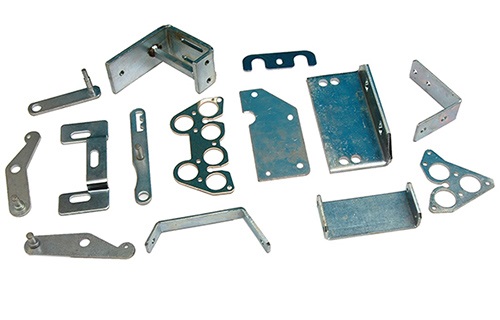
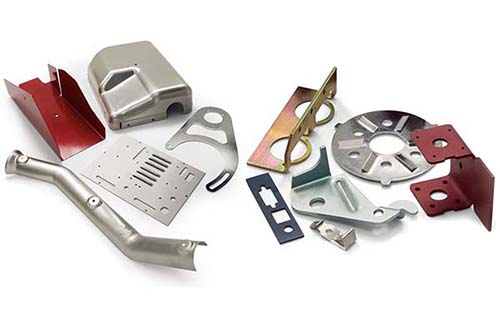
Brass sheet metal

Contents Introduction What Brass Grades Should You Choose? C360 Free-Cutting Brass C260 Cartridge Brass C464 Naval Brass Factors Affecting Material Selection What Machining Parameters Should You Use? Cutting Speed Feed Rate Depth of Cut How Do You Manage Chips? Chip Formation in Brass Promoting Broken Chips Chip Evacuation What Tooling Works Best for Brass? Polished […]

Introduction

Brass has been a manufacturing staple for centuries. Its golden appearance catches the eye. Its machinability makes it a shop favorite. But not all brass is the same. And machining it well requires understanding the nuances.

Choose the wrong grade, and your parts may corrode. Run the wrong speeds, and your tools wear out fast. Ignore chip control, and you risk tangled messes that damage surfaces.

This guide covers everything you need to CNC machine brass successfully. You will learn about brass grades, cutting parameters, tool selection, surface finish techniques, and applications. By the end, you will have a clear strategy for producing high-quality brass components.


What Brass Grades Should You Choose?

C360 Free-Cutting Brass

C360 is the workhorse of brass machining. It contains lead (approximately 3%) , which acts as a chip breaker. This makes it the most machinable brass grade.

PropertyValue
Tensile Strength~420 MPa
Density8.5 g/cm³
Machinability Rating100% (baseline)
Lead Content~3%

Applications: Electrical connectors, plumbing fittings, automotive parts, and any high-volume machined component.

Why it machines well: The lead creates tiny chip-breaking points. Chips are small and manageable. Tool wear is minimal. Speeds can be high.

C260 Cartridge Brass

C260 has higher copper content than C360. It is more ductile and offers better cold-working properties.

PropertyValue
Tensile Strength~380 MPa
Density8.6 g/cm³
Machinability30% of C360
ColorRich yellow-gold

Applications: Musical instruments, watch bezels, decorative hardware, ammunition casings.

Machining considerations: Lower machinability means slower speeds. Tools must be sharper. Chip control requires more attention.

C464 Naval Brass

C464 contains tin and iron, which enhance corrosion resistance, especially in saltwater environments.

PropertyValue
Tensile Strength~480 MPa
Density8.4 g/cm³
Corrosion ResistanceExcellent in marine environments
Machinability60% of C360

Applications: Valve bodies, propellers, marine hardware, components exposed to seawater.

Machining considerations: Harder than C360. Requires carbide tools. Slower cutting speeds. Good chip control is essential.

Factors Affecting Material Selection

FactorConsideration
MachinabilityC360 is best for high-volume production. Lower lead grades require slower speeds and sharper tools.
Mechanical propertiesC464 offers highest strength. C260 offers good formability. C360 offers moderate strength with excellent machinability.
Corrosion resistanceC464 excels in marine environments. C260 resists atmospheric corrosion. C360 has lower corrosion resistance but is adequate for indoor applications.
AppearanceC260 has the richest golden color. C360 and C464 are slightly paler.

What Machining Parameters Should You Use?

Cutting Speed

GradeTurning (m/min)Milling (m/min)
C360200–300 (up to 500 for high-speed)150–250
C260100–15080–120
C46480–12070–100

Higher speeds increase productivity but generate more heat. For C360, high-speed machining is practical. For C260 and C464, stay in the lower ranges to preserve tool life.

Feed Rate

OperationC360C260/C464
Turning (mm/rev)0.1–0.30.08–0.15
Milling (mm/tooth)0.05–0.150.03–0.08

Higher feeds increase material removal rates but can roughen surface finish. Lower feeds produce smoother finishes but risk rubbing and work hardening on tougher grades.

Depth of Cut

OperationRoughing (mm)Finishing (mm)
Turning1–30.1–0.5
Milling1–20.1–0.3

Shallow finishing passes with sharp tools achieve the best surface finish.


How Do You Manage Chips?

Chip Formation in Brass

C360 produces small, broken chips. The lead content acts as a chip breaker. This is one reason it machines so well.

C260 and C464 can produce stringy chips. These long, continuous chips wrap around tools and workpieces. They cause:

  • Tool damage
  • Surface scratches
  • Safety hazards

Promoting Broken Chips

To encourage broken chip formation:

  • Use higher feed rates – Thicker chips break more readily
  • Select chip-breaker tool geometries – Inserts designed for brass
  • Maintain proper cutting speeds – Too slow can cause rubbing
  • Consider peck drilling cycles for holes – Break chips at intervals

Chip Evacuation

Efficient chip removal prevents clogging. Methods include:

  • Chip conveyors – Remove chips continuously
  • Vacuum systems – Suck chips away from the cutting zone
  • High-pressure air jets – Blow chips clear
  • Coolant-through-tool – Flush chips from the cutting edge

What Tooling Works Best for Brass?

Polished Carbide Inserts

Polished carbide inserts are the standard for brass machining. Benefits include:

  • Good wear resistance
  • High cutting speed capability
  • Reduced chip adhesion
  • Better surface finish

The polished surface prevents brass from sticking to the cutting edge.

Zero-Rake Cutter Geometry

Zero-rake geometry provides a sharp cutting edge that shears brass effectively. Advantages:

  • Minimizes cutting forces
  • Reduces tool chatter
  • Produces clean cuts

Caution: Sharp edges are more prone to chipping. Handle tools carefully during setup.

Single-Flute End Mills

Single-flute end mills are designed for non-ferrous materials like brass. Benefits:

  • Excellent chip evacuation
  • Suitable for micro-milling
  • Prevents chip clogging in small features

For larger features, 2-flute end mills also work well.

Diamond-Coated Tools

Diamond-coated tools are used when extreme surface finish is required. They:

  • Produce mirror-like finishes
  • Offer exceptional wear resistance
  • Cost more than carbide

Use when Ra < 0.2 μm is required for decorative or precision applications.


What Cutting Fluids Should You Use?

Dry Machining Benefits

Brass can often be machined dry. Advantages include:

  • No coolant costs
  • No disposal issues
  • Simplified process
  • Often better surface finish (no staining)

However, dry machining requires careful monitoring of tool wear and temperature.

Mist Coolant Setup

Mist coolant offers a compromise:

  • Provides some cooling and lubrication
  • Uses minimal fluid
  • Environmentally friendlier than flood coolant
  • Suitable for micro-machining

Mist is often preferred for brass because it prevents staining while managing heat.

Flood Coolant

Flood coolant is used for:

  • High-speed machining where heat is significant
  • Deep-hole drilling for chip evacuation
  • Operations with poor chip clearance

If using flood coolant, ensure it is compatible with brass to avoid staining.


How Do You Achieve Superior Surface Finish?

Target Surface Finishes

ApplicationTarget Ra
Standard machined0.8–1.6 μm
Precision components0.4–0.8 μm
Decorative/mirror finish0.1–0.2 μm

Achieving Mirror Finish

To achieve Ra 0.2 μm or lower:

  1. Machine with sharp tools – Polished carbide or diamond
  2. Use finishing parameters – Low feed, high speed, light depth
  3. Polish – Fine abrasives (600–2000 grit) progressively
  4. Consider diamond turning – For optical surfaces

Deburring Brass Parts

Deburring is essential for safety and assembly:

MethodBest For
Manual (files, sandpaper)Small batches, accessible edges
Mechanical (rotary tools)Medium batches, consistent edges
Chemical deburringComplex internal features
Ultrasonic cleaningRemoving fine burrs and contaminants

Passivation After Machining

Passivation enhances corrosion resistance. The process:

  1. Clean parts thoroughly
  2. Immerse in passivating solution (citric acid or nitric acid based)
  3. Rinse and dry

Passivation forms a thin oxide layer that protects against further oxidation and corrosion.


What Are Common Applications?

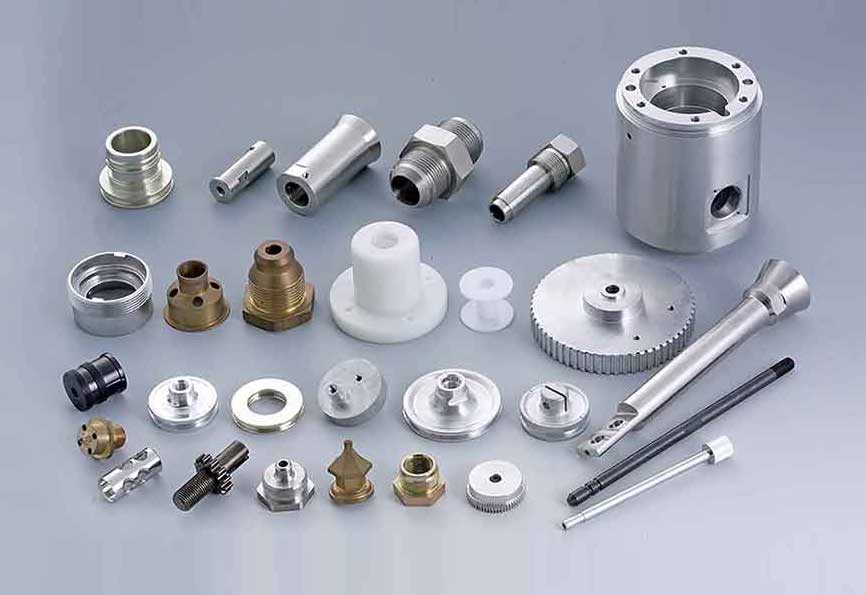
Brass Plumbing Fittings

Valves, connectors, faucets, and pipe fittings. CNC machining produces complex geometries with tight tolerances for leak-free connections. C360 is common due to machinability. C464 is used for marine plumbing.

Electrical Connectors

C360 is the standard for connectors. Its excellent machinability allows high-volume production. Precision machining ensures reliable electrical contact.

Musical Instrument Parts

Trumpets, trombones, saxophones, and other brass instruments use C260 for its rich color and acoustic properties. CNC machining produces consistent components with precise bore dimensions.

Automotive Valve Bodies

C464 naval brass is used for valve bodies requiring strength and corrosion resistance. CNC machining produces complex internal passages and tight sealing surfaces.

Watch Bezels

C260’s golden color and good machinability make it ideal for watch bezels. CNC machining creates intricate designs and precise finishes.

Decorative Hardware

Door handles, knobs, hinges, and architectural details. C260 and C360 are both used. Post-machining polishing enhances the natural beauty.


Conclusion

CNC machining brass is about matching the right grade to the application and using appropriate parameters.

C360 is the machinability champion. Use it for high-volume production where speed matters. C260 offers better formability and richer color for decorative and musical applications. C464 provides marine-grade corrosion resistance for demanding environments.

Cutting speeds range from 80–300 m/min depending on grade. Feeds from 0.03–0.3 mm/rev. Use polished carbide inserts with zero-rake geometry. Single-flute end mills excel at chip evacuation.

Chip control matters. C360 produces broken chips naturally. C260 and C464 require proper feeds and tool geometries to break stringy chips.

Surface finish from Ra 0.8–1.6 μm is typical. Mirror finishes below 0.2 μm are achievable with diamond tools and polishing.

From plumbing fittings to musical instruments, from electrical connectors to decorative hardware, brass machined well delivers performance, durability, and beauty.


FAQ

What is the best brass grade for high-speed machining?
C360 free-cutting brass is the best choice for high-speed machining. Its lead content promotes excellent chip formation and reduces tool wear. Cutting speeds up to 500 m/min are achievable with proper tooling.

How can I improve the surface finish of machined brass parts?
Use sharp tools with polished surfaces, optimize cutting parameters (lower feed, appropriate speed), and apply finishing passes with light depth of cut. For mirror finishes, follow machining with polishing using fine abrasives (600–2000 grit) and consider diamond-coated tools for the final pass.

Is dry machining of brass always better than using coolant?
Dry machining offers advantages: reduced costs, no disposal issues, and often better surface finish. However, it is not always better. High-speed machining, deep-hole drilling, and operations with poor chip clearance may benefit from mist coolant or flood coolant. The choice depends on the specific operation and material grade.

How do you prevent chip tangling when machining C260 or C464 brass?
Use higher feed rates to thicken chips so they break more readily. Select chip-breaker tool geometries. Consider single-flute end mills for milling. For drilling, use peck cycles to break chips at intervals. Ensure proper chip evacuation with air jets or coolant.

What causes tool wear when machining brass, and how do you prevent it?
Tool wear in brass is primarily from abrasion and adhesion. Prevention strategies: use polished carbide inserts to reduce adhesion, maintain appropriate cutting speeds (not too high for harder grades), use sharp tools to minimize friction, and consider mist coolant for heat management in high-speed operations.


Contact Yigu Technology for Custom Manufacturing

At Yigu Technology, we specialize in CNC machining of brass for demanding applications. Our expertise spans C360, C260, C464, and other brass grades. We understand the nuances of each material and optimize our processes accordingly.

Our facility uses polished carbide inserts, single-flute end mills, and diamond-coated tools as needed to achieve the precision and surface finish your application requires. We offer post-machining services including polishing, deburring, and passivation.

From high-volume electrical connectors to decorative hardware, from musical instrument components to marine valve bodies, we deliver brass parts that meet the tightest specifications.

Contact us today to discuss your brass machining project. Let our expertise help you achieve the quality, precision, and performance your components demand.

Scroll to Top