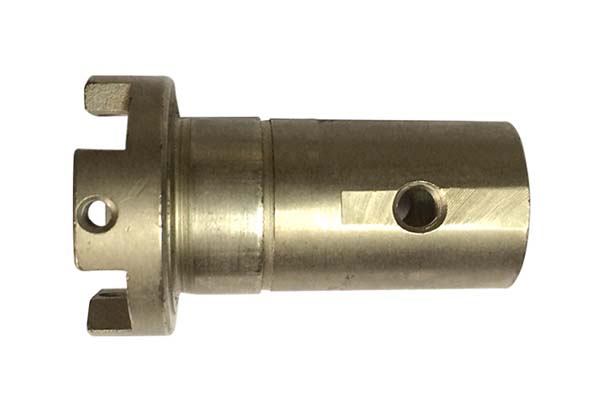
Introduction
If you work with C23000 red brass, you already know it is a material that demands respect. Its unique blend of 85% copper and 15% zinc gives it a beautiful red color, excellent corrosion resistance, and good electrical conductivity. But these same properties can make machining a challenge. Chips that stick to your tools. Surfaces that refuse to shine. Tools that wear out faster than expected.
You are not alone in facing these issues. Many manufacturers struggle to get consistent results with C23000 red brass. The good news? With the right approach, you can overcome these challenges. This guide walks you through everything you need to know—from understanding the alloy to selecting the right tools, setting optimal parameters, and achieving flawless finishes. By the end, you will have a clear roadmap for machining this versatile material with confidence.
What Makes C23000 Red Brass Unique?
Before you start machining, you need to understand what you are working with. C23000 red brass is not just any brass alloy. Its composition and properties shape every decision you make on the shop floor.
Composition and Key Properties
C23000 red brass is defined by its high copper content. The standard composition includes:
| Element | Percentage |
|---|---|
| Copper (Cu) | 85% |
| Zinc (Zn) | 15% |
| Lead (Pb) | < 0.05% |
The low lead content is a major advantage. It makes this alloy suitable for applications where lead exposure is a concern, such as plumbing fittings for potable water and food-handling equipment.
Mechanical and Physical Characteristics
These properties directly affect how the material behaves during machining:
- Tensile Strength: 275–440 MPa. This gives it good structural integrity while remaining formable.
- Electrical Conductivity: 75% IACS. This makes it useful for electrical terminals and connectors.
- Density: 8.75 g/cm³. This is higher than many other brasses, affecting cutting forces.
- Cold Workability: Excellent. You can shape it at room temperature without cracking.
- Corrosion Resistance: Good. It performs well in marine and moisture-rich environments.
Why this matters for machining: The high copper content makes the material soft and gummy. Chips tend to stick rather than break cleanly. The good conductivity means heat builds up quickly at the cutting edge. Understanding these traits is your first step toward mastering the material.
What Machining Parameters Work Best?
Getting the right parameters is critical. Too aggressive, and you risk tool damage. Too conservative, and your cycle times become uncompetitive. Let's break down the key variables.
Cutting Speed
Cutting speed is where many machinists get into trouble with C23000 red brass. Too fast, and you generate excessive heat. This accelerates tool wear and can cause the material to smear rather than cut cleanly.
Recommended range: 100–300 m/min
- For smaller-diameter workpieces with shallow cuts, aim toward the higher end of this range (250–300 m/min).
- For larger diameters or deeper cuts, stick to the lower end (100–150 m/min) to maintain control.
Real-world example: A shop machining C23000 red brass electrical terminals found that reducing cutting speed from 350 m/min to 220 m/min extended tool life from 4 hours to 12 hours, with no loss in cycle time because they could increase feed rate slightly to compensate.
Feed Rate
Feed rate determines how quickly the tool advances through the material. With C23000's soft nature, you have room to be aggressive—but only if chip evacuation is handled properly.
Recommended range: 0.05–0.3 mm/rev
- For thin-walled components, use a lower feed rate (0.05–0.1 mm/rev) to prevent deformation.
- For bulk material removal, you can push toward 0.2–0.3 mm/rev.
Depth of Cut
Depth of cut balances material removal rate against tool stability and surface finish.
Recommended range: 0.5–3 mm
- For roughing passes, a depth of 2–3 mm is acceptable with rigid setups.
- For finishing passes, reduce to 0.5–1 mm to achieve smoother surfaces.
| Parameter | Roughing | Finishing | Thin-Walled Parts |
|---|---|---|---|
| Cutting Speed | 150–200 m/min | 200–250 m/min | 100–150 m/min |
| Feed Rate | 0.2–0.3 mm/rev | 0.05–0.1 mm/rev | 0.05–0.1 mm/rev |
| Depth of Cut | 2–3 mm | 0.5–1 mm | 0.3–0.8 mm |
Chip Control: The Hidden Challenge
The soft, gummy nature of C23000 red brass creates stringy, continuous chips. These chips can wrap around your tool, pack into flutes, and ruin surface finishes. Effective chip control requires:
- Coolant: Use mist or flood coolant to break chips and flush them away.
- Tool Geometry: Choose inserts with chip-breaker designs specifically for non-ferrous materials.
- Pecking Cycles: For drilling operations, use pecking cycles to break chips before they become too long.
Which Tools and Edges Should You Use?
Tool selection can make or break your success with C23000 red brass. The right geometry and coating turn a frustrating process into a smooth operation.
Sharp Carbide Inserts
Sharp edges are non-negotiable. Dull tools push the material rather than shearing it, leading to built-up edge (BUE) and poor finishes.
- Use carbide inserts with sharp, unhoned edges.
- Choose a carbide grade with higher cobalt content for better toughness.
High-Positive Rake and Polished Tools
High-positive rake angles reduce cutting forces and improve chip flow. Look for inserts with rake angles of 15° or more.
Polished or ground surfaces on the tool further reduce friction. This prevents chips from sticking and improves surface finish. A polished tool can mean the difference between a matte finish and a mirror finish.
TiAlN Coating for Anti-Adhesion
TiAlN (Titanium Aluminum Nitride) coatings are highly effective for C23000 red brass. They provide:
- Anti-adhesion properties: Prevents brass from welding to the tool.
- Increased hardness: Extends tool life at higher cutting speeds.
- Thermal stability: Withstands the heat generated during machining.
Special Tools for Special Applications
| Tool Type | Best Use Case |
|---|---|
| Single-Flute Endmills | Tight spaces, intricate features, improved chip evacuation |
| Diamond-Coated Micro-Tools | Ultra-precision machining, very fine tolerances |
Toolholder Balance Matters
A well-balanced toolholder is essential for precision. Aim for runout below 0.005 mm. Excessive runout causes:
- Vibration that degrades surface finish
- Uneven tool wear
- Inconsistent part dimensions
How Do You Achieve a Perfect Surface Finish?
Surface finish is often the defining factor that separates acceptable parts from exceptional ones. With C23000 red brass, you can achieve truly remarkable results when you apply the right techniques.
Achieving Low Ra Values in Turning
Under optimal conditions, you can achieve a surface roughness of Ra 0.1 µm or lower when turning C23000 red brass. Here is how:
- Use a sharp, polished insert with a small nose radius (0.2–0.4 mm).
- Set a low feed rate (0.05–0.08 mm/rev) for finishing passes.
- Maintain a consistent cutting speed (200–250 m/min).
- Apply adequate coolant to prevent chip welding.
Mirror Polish for Decorative Applications
For parts where appearance matters—think decorative trim or jewelry—a mirror finish is achievable through post-processing:
- Coarse grinding: Remove tool marks with 400–600 grit abrasives.
- Progressive polishing: Move to 800, 1200, then 2000 grit.
- Final buffing: Use a fine polishing compound with a soft cloth wheel.
The result is a highly reflective surface that showcases the alloy's natural red luster.
Oxide Removal and Tarnish Protection
C23000 red brass naturally develops an oxide layer over time. For applications requiring long-term appearance, you need to address this.
Oxide removal: Use a citric acid solution (10–15% concentration) at room temperature. Soak for 5–10 minutes, then rinse thoroughly. Citric acid is mild enough not to damage the base metal but effective at dissolving oxides.
Tarnish protection: Apply a clear lacquer coating after cleaning. This creates a barrier against moisture and air, preventing future oxidation.
Ultrasonic Cleaning and Deburring
After machining, parts often carry residual coolant, chips, and polishing compounds. Ultrasonic cleaning removes these contaminants effectively:
- Use a mild alkaline cleaning solution.
- Run for 10–15 minutes at 40–50°C.
For deburring, C23000's softness makes it easy to remove sharp edges. Options include:
- Hand filing for small batches
- Abrasive blasting with fine media
- Thermal deburring for complex internal features
Where Is C23000 Red Brass Used?
Understanding applications helps you appreciate why machining quality matters so much for this alloy.
Plumbing Fittings
C23000 red brass is a standard material for potable water systems. Its low lead content meets regulatory requirements, while its corrosion resistance ensures decades of service. CNC machining enables:
- Precise threads for leak-free connections
- Complex internal passages in valves
- Consistent dimensions across high volumes
Architectural Hardware
From door handles to hinges and decorative trim, this alloy brings beauty and durability to buildings. CNC machining allows intricate designs that would be impossible with casting alone.
Musical Instrument Mouthpieces
Trumpet, trombone, and French horn mouthpieces often use C23000 red brass. The alloy's acoustic properties and workability make it ideal. Precision machining ensures:
- Proper throat and backbore geometry for consistent tone
- Smooth surfaces for player comfort
- Repeatable dimensions across production runs
Electrical Terminals
With 75% IACS conductivity, C23000 red brass is a reliable choice for electrical connections. CNC machining produces terminals with:
- Precise crimp zones
- Consistent contact surfaces
- Clean edges for safe handling
Decorative Trim and Jewelry
A case study from a luxury automotive supplier shows the potential: they switched to CNC-machined C23000 red brass for interior trim panels. The result was superior detail compared to stamped parts, with consistent mirror finishes across thousands of units.
| Industry | Common Parts | Critical Requirements |
|---|---|---|
| Plumbing | Valves, fittings, connectors | Leak-proof threads, low lead |
| Architecture | Handles, hinges, trim | Aesthetic finish, durability |
| Musical Instruments | Mouthpieces, slides | Acoustic precision, smooth surface |
| Electrical | Terminals, connectors | Conductivity, dimensional accuracy |
| Jewelry | Rings, pendants, decorative pieces | Mirror finish, intricate detail |
Conclusion
Mastering CNC machining of C23000 red brass comes down to understanding the material and respecting its unique characteristics. The high copper content gives you beautiful results but demands sharp tools, proper chip control, and careful parameter selection.
Start with the right tooling: sharp carbide inserts with TiAlN coatings and high-positive rake angles. Set your cutting speeds between 100–300 m/min and feed rates from 0.05–0.3 mm/rev based on your operation. Pay special attention to chip control—this is where many machiners struggle.
For surface finish, know that Ra 0.1 µm is achievable with the right techniques. And when appearance matters most, post-processing with polishing, oxide removal, and lacquer coating will deliver the mirror finish your customers demand.
Whether you are making plumbing fittings, architectural hardware, or precision electrical components, C23000 red brass rewards attention to detail. Apply these principles, and you will produce parts that stand out for both quality and consistency.
FAQs
What is the best coolant for machining C23000 red brass?
Water-soluble coolants are generally preferred because they provide both cooling and lubrication. They help with chip control and prevent the soft chips from welding to the tool. For finishing operations requiring superior surface finish, some machinists prefer light oil-based coolants.
How can I prevent chips from sticking to my cutting tools?
Use sharp, polished tools with a high-positive rake angle. Apply adequate coolant—mist or flood—to flush chips away. Consider using tools with TiAlN coating, which provides anti-adhesion properties. For drilling operations, use pecking cycles to break chips before they become long and stringy.
What causes poor surface finish when turning C23000 red brass?
Common causes include dull tools, incorrect cutting speed, excessive feed rate, and inadequate coolant. Built-up edge on the tool is a frequent culprit. Ensure your inserts are sharp and polished, reduce feed rate for finishing passes, and maintain consistent cutting speed.
Can C23000 red brass be machined dry?
While possible, dry machining is not recommended for most operations. The material's low thermal conductivity causes heat to build up at the cutting edge, accelerating tool wear. Coolant also helps with chip evacuation, which is critical for preventing chip-related surface defects.
How do I achieve a mirror finish on C23000 red brass parts?
Start with a fine finish during machining (low feed rate, sharp tool). Then progress through abrasive grits from coarse to fine—400, 800, 1200, and 2000 grit. Finish with a polishing compound on a soft cloth wheel. For long-term protection, apply a clear lacquer coating after cleaning.
Contact Yigu Technology for Custom Manufacturing
At Yigu Technology, we specialize in precision CNC machining of C23000 red brass and other demanding alloys. Our experienced team understands the nuances of this material—from chip control to achieving mirror finishes. With ISO 9001 certification and a commitment to quality, we deliver parts that meet the tightest tolerances and the highest aesthetic standards.
Whether you need plumbing components, architectural hardware, or custom electrical terminals, we have the expertise to bring your designs to life. Contact us today to discuss your project requirements and discover how our precision machining capabilities can work for you.