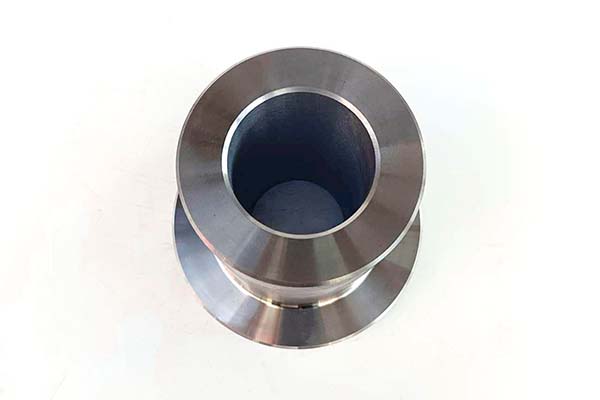
Introduction
Hastelloy C-276 is a premium nickel alloy celebrated for unmatched corrosion resistance and exceptional high-temperature performance. Its complex composition—57% nickel, 16% chromium, 15% molybdenum, 5% iron, plus tungsten and other trace elements—delivers a rare combination of chemical resistance and mechanical properties that outperform most stainless steels and other nickel alloys. In aggressive environments—sulfuric acid, hydrochloric acid, chlorine gas—it is the material of choice for chemical processing, petrochemical, and aerospace applications.
But machining this superalloy is notoriously challenging. Its extreme toughness, tendency to generate intense heat, and severe work hardening test the limits of cutting tools and machine capabilities. Cutting forces are 3–4 times higher than when machining carbon steel. Cutting zone temperatures can reach 1100°C —enough to soften even carbide tools. A single pass over a previously cut surface can increase hardness by 40% , causing uneven cutting forces and rapid tool wear.
This guide explores the essential aspects of CNC machining Hastelloy C-276. We will cover material properties, machining considerations, tool selection, parameters, coolant requirements, and applications. Whether you are machining chemical reactor components or aerospace exhaust systems, you will find practical solutions to overcome the difficulties and achieve precise, reliable results.
What Makes Hastelloy C-276 Unique?
Composition and Key Characteristics
The alloy composition of Hastelloy C-276 is engineered for maximum performance in harsh conditions. Molybdenum and tungsten enhance corrosion resistance against pitting and crevice corrosion in halide environments. Chromium provides protection against oxidizing media. This blend results in extraordinary chemical resistance.
Corrosion resistance is unmatched. A comparative study found that Hastelloy C-276’s corrosion rate in 10% sulfuric acid is 0.002 mm/year —50 times lower than 316 stainless steel. It withstands sulfuric acid, hydrochloric acid, chlorine gas, and seawater, making it a staple in chemical processing and petrochemical applications.
Mechanical properties support demanding applications:
- Tensile strength: 745–860 MPa
- Yield strength: 310 MPa
- Elongation: 40%
- Hardness: 210–260 HB
High-temperature performance is equally impressive. The material retains strength and corrosion resistance up to 1093°C , far exceeding the capabilities of Monel 400 or standard stainless steels.
| Property | Value | Significance |
|---|---|---|
| Tensile Strength | 745–860 MPa | High load-bearing capacity |
| Yield Strength | 310 MPa | Resists deformation under stress |
| Elongation | 40% | Sufficient ductility for forming |
| Hardness | 210–260 HB | Challenging for machining |
| Thermal Conductivity | 10.8 W/(m·K) | Poor heat dissipation |
How Properties Impact Machinability
While Hastelloy C-276’s properties make it indispensable, they create significant machining challenges.
High hardness and toughness mean cutting tools face 3–4 times more resistance than when machining carbon steel. Tools wear rapidly, and cutting forces are high.
Low thermal conductivity—10.8 W/(m·K) , compared to 45 W/(m·K) for carbon steel—traps heat at the tool-workpiece interface. Temperatures reach 1100°C , hot enough to soften even carbide tools.
Severe work hardening occurs rapidly. A single pass over a previously cut surface can increase hardness by 40% . This causes uneven cutting forces and accelerates tool wear. Subsequent passes must cut through material harder than the original workpiece.
These factors combined make CNC machining of Hastelloy C-276 a test of tooling, parameters, and expertise.
What Machining Considerations Are Essential?
Tool Selection
Tool selection is critical for successful Hastelloy C-276 machining. Ultra-fine grain carbide tools (0.5–1 μm grain size) with advanced coatings are mandatory. The fine grain structure provides sharp cutting edges and resists chipping under high loads.
Coatings extend tool life significantly:
- Diamond-like carbon (DLC) coatings reduce friction (coefficient of 0.1) and withstand higher temperatures than standard coatings. Testing shows DLC-coated tools extend tool life by 50% compared to TiAlN-coated tools.
- AlTiN (aluminum titanium nitride) coatings provide high-temperature oxidation resistance, suitable for roughing operations.
For heavy roughing, ceramic tools (alumina-based) can be used but require rigid machine setups to prevent chipping. Ceramic tools tolerate higher cutting temperatures but are more brittle than carbide.
Optimal Machining Parameters
Turning parameters for Hastelloy C-276:
- Cutting speed: 30–50 m/min
- Feed rate: 0.1–0.15 mm/rev
- Depth of cut: 0.5–2 mm
Positive rake inserts with sharp edges minimize cutting forces and reduce work hardening. Avoid dwell—stationary contact generates localized heat and work hardening.
Milling parameters:
- Cutting speed: 20–40 m/min
- Feed rate: 0.05–0.1 mm/tooth
- Depth of cut: 0.5–2 mm
Four-flute end mills with high helix angles (40–45°) improve chip evacuation, reducing heat buildup. Climb milling—cutting with tool rotation—reduces tool wear and minimizes work hardening compared to conventional milling.
Drilling parameters:
- Cutting speed: 10–20 m/min
- Feed rate: 0.05–0.08 mm/rev
- Peck drilling cycles clear chips and prevent packing
Carbide drills with internal coolant channels are essential. Coolant delivered directly to the cutting zone removes heat and flushes chips.
| Operation | Cutting Speed (m/min) | Feed Rate | Depth of Cut |
|---|---|---|---|
| Turning | 30–50 | 0.1–0.15 mm/rev | 0.5–2 mm |
| Milling | 20–40 | 0.05–0.1 mm/tooth | 0.5–2 mm |
| Drilling | 10–20 | 0.05–0.08 mm/rev | Peck cycles |
Coolant Requirements
Coolant requirements for Hastelloy C-276 are stringent due to extreme heat generation. High-pressure coolant systems (100–150 bar) are essential. Flood cooling is insufficient—directed nozzles must target the cutting interface to be effective.
Water-soluble oils at 8–10% concentration provide the best combination of cooling and lubrication. High-pressure coolant reduces tool temperature by 150–200°C , slows tool wear, and improves chip control.
Through-spindle coolant is particularly effective for drilling and deep cavity milling, delivering fluid directly to the cutting zone.
Maximizing Tool Life
Tool life in Hastelloy C-276 machining is significantly shorter than in most alloys—typically 30–50% less than when machining Inconel 718. Strategies to extend tool life include:
- Replace tools at 50% of maximum wear limit —flank wear ≤0.2 mm—to avoid sudden failure
- Use rigid toolholders (shrink-fit or hydraulic) to minimize runout (≤0.002 mm), which accelerates uneven wear
- Implement adaptive machining software that adjusts feed rate in real time based on cutting force feedback, reducing tool overload
A production test showed that these strategies increased tool life by 35% and reduced tooling costs by 25% for a batch of 100 Hastelloy C-276 valves.
Surface Finish
Achieving acceptable surface finish—typically Ra 1.6–3.2 μm for industrial parts—requires sharp tools and careful parameter control. Dull tools cause material smearing and increase roughness. Excessive cutting speed generates heat that warps the surface.
A case study on machining chemical reactor components found that using fresh tools for finishing passes reduced surface finish Ra values by 40% compared to reusing roughing tools. For critical sealing surfaces, post-machining grinding can achieve Ra < 0.8 μm .
Where Is Hastelloy C-276 Applied?
Chemical Processing Industry
Hastelloy C-276 applications span industries where corrosion resistance is non-negotiable. In chemical processing, it is used for reactors, heat exchangers, and piping systems handling aggressive acids and solvents.
A major chemical plant reported that Hastelloy C-276 heat exchangers lasted 10 years in 98% sulfuric acid service, compared to 18 months for 316 stainless steel alternatives. The material’s resistance to pitting and crevice corrosion in halide environments makes it essential for processes involving chlorides.
Petrochemical Industry
The petrochemical industry relies on Hastelloy C-276 for offshore oil rig components—manifolds, valve bodies—where it resists seawater, hydrogen sulfide, and brines. Corrosion from sour gas (hydrogen sulfide) rapidly attacks standard stainless steels; Hastelloy C-276 maintains integrity in these environments.
Aerospace Components
In aerospace, Hastelloy C-276 is used for turbine exhaust systems and combustion liners. Its high-temperature performance up to 1093°C allows components to withstand the extreme conditions of jet engine exhaust.
Pharmaceutical and Food Processing
Even the pharmaceutical industry and food processing sectors utilize Hastelloy C-276 for equipment requiring ultra-pure, corrosion-free surfaces that prevent product contamination. The material’s inertness ensures no leaching into sensitive products.
Custom Machining for Specialized Needs
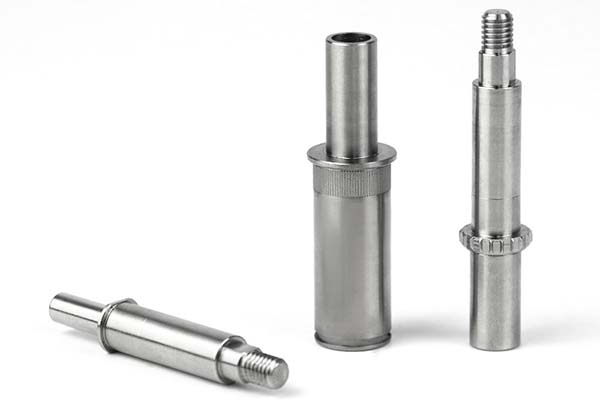
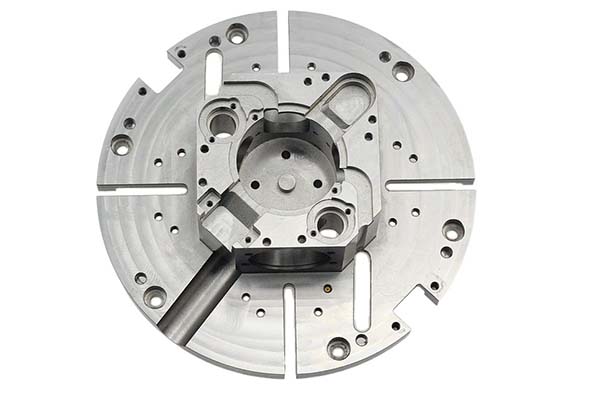
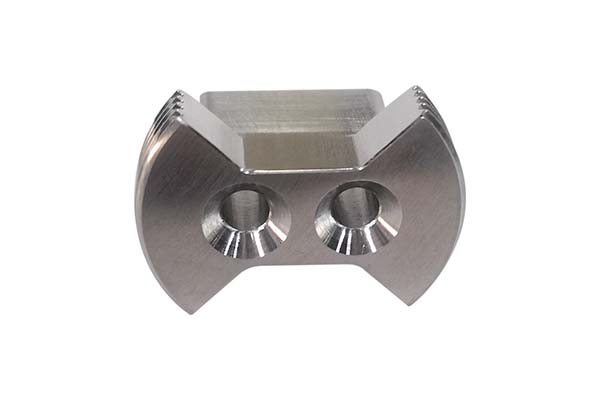
CNC machining enables production of custom Hastelloy C-276 parts for unique challenges. In marine equipment, custom propeller shafts and seawater intake screens are machined to withstand saltwater corrosion for decades. In pollution control systems, Hastelloy C-276 scrubber components are precision-machined to tight tolerances to ensure efficient removal of toxic gases.
| Industry | Typical Applications | Key Requirements |
|---|---|---|
| Chemical Processing | Reactors, heat exchangers, piping | Corrosion resistance to acids, halides |
| Petrochemical | Valves, manifolds, offshore components | Resistance to H₂S, seawater, brines |
| Aerospace | Turbine exhaust, combustion liners | High-temperature strength (1093°C) |
| Pharmaceutical | Processing equipment, sterile components | Ultra-pure, non-reactive surfaces |
| Pollution Control | Scrubbers, gas handling systems | Corrosion resistance to acidic gases |
Conclusion
CNC machining Hastelloy C-276 requires a specialized approach that respects the material’s unique properties. Its unmatched corrosion resistance and high-temperature performance come at a cost—extreme toughness, low thermal conductivity, and severe work hardening that challenge even the most capable machining operations.
Success comes from integrating appropriate techniques across the entire process. Tool selection with ultra-fine grain carbide and DLC or AlTiN coatings withstands the high cutting forces and temperatures. Cutting parameters balanced for low speeds and controlled feeds minimize heat generation and work hardening. High-pressure coolant (100–150 bar) removes heat and chips effectively. Tool management—replacing tools before excessive wear, minimizing runout—extends tool life and maintains surface quality.
The applications span critical industries where material failure is not an option. Chemical processing reactors that must contain aggressive acids. Petrochemical components that withstand hydrogen sulfide and seawater. Aerospace exhaust systems that operate at extreme temperatures. Each relies on Hastelloy C-276’s performance—and each depends on precision machining to realize that performance.
For manufacturers willing to invest in appropriate tooling, parameters, and coolant systems, Hastelloy C-276 delivers exceptional value. Its combination of corrosion resistance, high-temperature strength, and mechanical properties makes it indispensable for the most demanding industrial applications.
FAQ
What makes Hastelloy C-276 superior in corrosion resistance compared to other nickel alloys?
Hastelloy C-276’s unique alloy composition—high molybdenum (15%), tungsten, and chromium (16%)—provides unmatched corrosion resistance against both oxidizing and reducing media, including halides and strong acids. It outperforms Monel 400 in halide environments and Inconel 718 in aggressive chemical solutions. Its corrosion rate in 10% sulfuric acid is 0.002 mm/year—50 times lower than 316 stainless steel.
What cutting tools are most effective for machining Hastelloy C-276?
Ultra-fine grain carbide tools (0.5–1 μm grain size) with DLC or AlTiN coatings are optimal. DLC coatings reduce friction (coefficient 0.1) and withstand higher temperatures, extending tool life by up to 50% compared to TiAlN coatings. For heavy roughing, ceramic tools (alumina-based) can be used but require rigid machine setups to prevent chipping.
How do machining parameters for Hastelloy C-276 differ from those for stainless steel?
Cutting speeds for Hastelloy C-276 are 50–70% lower than for 316 stainless steel—30–50 m/min versus 80–120 m/min—to manage heat generation. Feed rates are reduced—0.1 mm/rev versus 0.2 mm/rev—to minimize work hardening. High-pressure coolant (100–150 bar) is mandatory for Hastelloy C-276, whereas many stainless steel applications can use flood cooling.
What coolant is best for machining Hastelloy C-276?
High-pressure coolant systems (100–150 bar) with water-soluble oils at 8–10% concentration are essential. Flood cooling is insufficient. Through-spindle coolant delivery is particularly effective for drilling and deep cavity operations. High-pressure coolant reduces tool temperature by 150–200°C, slows tool wear, and improves chip control.
What surface finish can be achieved when machining Hastelloy C-276?
Typical surface finish for industrial parts is Ra 1.6–3.2 μm with standard parameters. Using fresh tools for finishing passes can reduce Ra values by 40% compared to reusing roughing tools. For critical sealing surfaces, post-machining grinding achieves Ra < 0.8 μm.
Contact Yigu Technology for Custom Manufacturing
Need precision Hastelloy C-276 components for demanding chemical, petrochemical, or aerospace applications? Yigu Technology specializes in CNC machining of nickel alloys, with expertise in tool selection, parameter optimization, and high-pressure coolant systems. Our engineers deliver parts that meet the strictest corrosion resistance and dimensional requirements. Contact us today to discuss your project.