Introduction
You need five custom parts for a prototype. Or fifty replacement components for a specialized machine. Or five hundred units to test market demand before committing to full production. Traditional manufacturing methods would require significant setup time, tooling investment, and minimum order quantities that make small batches impractical or prohibitively expensive. Short run CNC machining solves this problem. It enables the production of limited quantities—typically 1 to 1,000 parts—with the same precision and quality as high-volume production, but with faster setup, lower upfront costs, and the flexibility to adapt quickly to design changes. This guide explores how short run CNC machining impacts productivity and efficiency, its key benefits, applications, and future trends.
What Is Short Run CNC Machining?
Definition and Overview
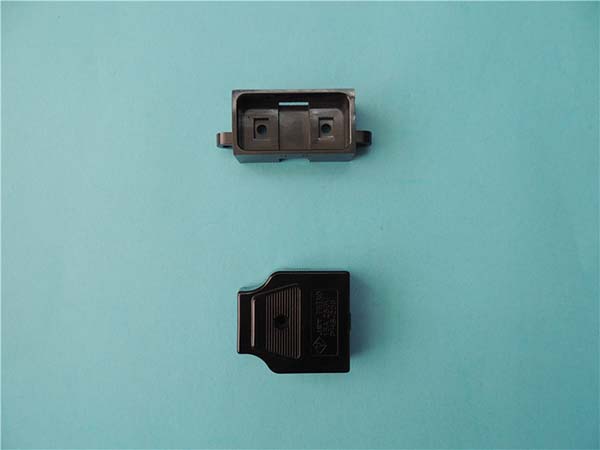
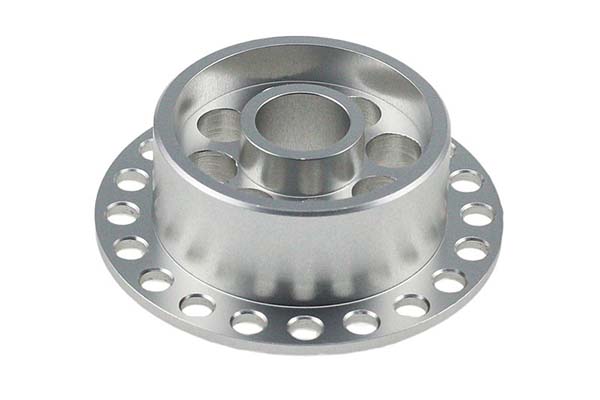
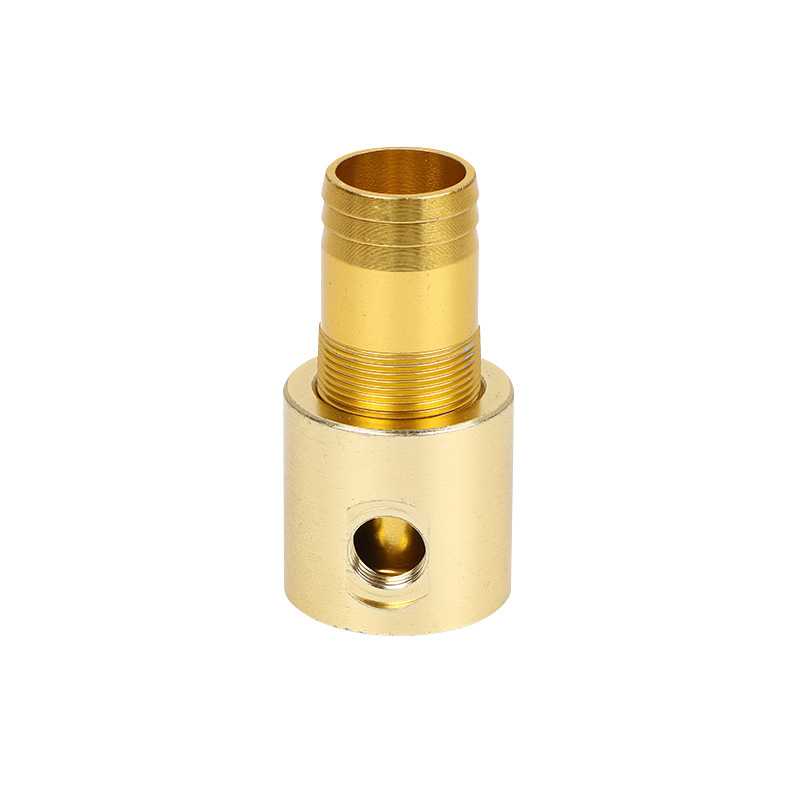
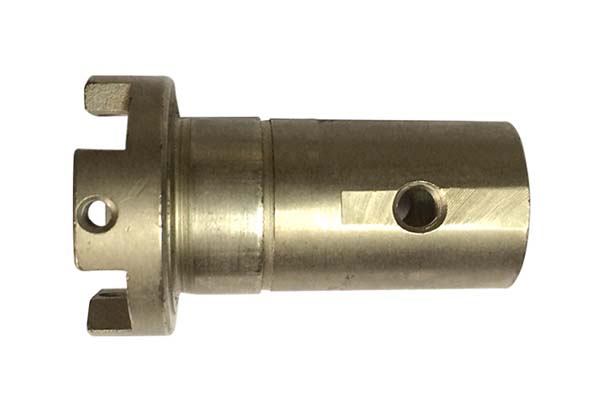
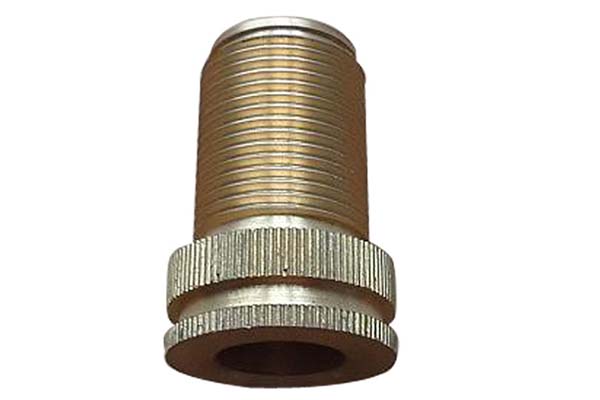
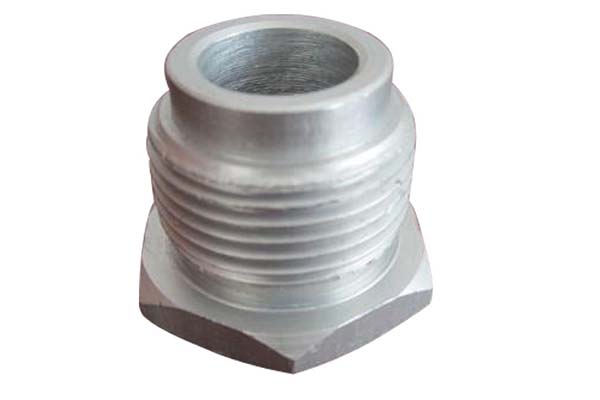
Short run CNC machining involves producing a limited number of parts using computer numerical control (CNC) machines. It bridges the gap between prototyping and full-scale production. Quantities typically range from 1 to 1,000 parts, though definitions vary by industry.
Key characteristics:
- Quick machine setup
- Minimal downtime between tasks
- High precision and repeatability
- No dedicated tooling required
- Flexible design changes
Advantages Over Traditional Machining
| Aspect | Short Run CNC Machining | Traditional Machining |
|---|---|---|
| Setup time | Minutes to hours | Hours to days |
| Tooling | No dedicated tooling | Often requires custom fixtures |
| Minimum quantity | 1 part | Often high minimums |
| Design changes | Immediate (software update) | New tooling required |
| Precision | ±0.005–0.01 mm standard | Variable by operator |
The key difference: CNC machines are reprogrammable. Traditional machining often requires custom fixtures, dedicated tooling, and extensive manual setup for each new part. Short run CNC eliminates this overhead.
What Are the Key Benefits?
Quick Setup and Changeover
The ability to rapidly set up and switch between different production tasks is the most significant benefit of short run CNC machining. Operators change tools, adjust settings, or switch between tasks in minutes rather than hours.
Impact on efficiency:
- Minimizes idle time between production runs
- Allows multiple part types to be produced in a single day
- Reduces the cost of switching between designs
Example: A job shop producing custom brackets for different clients can machine five different bracket designs in one day—each with its own setup—without losing productivity.
High Precision and Repeatability
CNC machines operate with incredible precision, following exact instructions from digital designs. This ensures that every part meets specified tolerances, even across small batches.
Precision capabilities:
- Tolerances as tight as ±0.005 mm
- Surface finishes to Ra 0.4–1.6 μm
- Consistent quality across the entire batch
Repeatability: Once the program is verified, the machine produces identical parts—whether the batch size is 1 or 100. No operator fatigue, no variation between parts.
Cost-Effectiveness for Small Batch Production
While the initial investment in CNC equipment is higher than manual machinery, short run CNC machining offers significant cost savings for small batch production:
| Cost Factor | Short Run CNC | Traditional Machining |
|---|---|---|
| Setup labor | Low (program-driven) | High (manual setups) |
| Tooling cost | No dedicated tooling | Custom fixtures may be required |
| Scrap/rework | Low (consistent quality) | Higher (operator variability) |
| Minimum quantity | No minimum | Often high MOQ |
Result: For batches under 1,000 units, short run CNC machining is typically 30–50% more cost-effective than traditional methods when all costs are considered.
Reduced Time to Market
By eliminating setup delays and tooling lead times, short run CNC machining accelerates product development. Prototypes can be produced in days rather than weeks. Design iterations happen quickly. Production can start immediately after design finalization.
Where Is Short Run CNC Machining Applied?
Prototyping
Engineers and designers need physical prototypes to test new designs, validate concepts, and identify issues before full-scale production. Short run CNC machining enables:
- Rapid iteration: Design changes implemented in hours, not weeks
- Functional testing: Prototypes made from production materials
- Design validation: Real parts for fit, form, and function testing
Example: A medical device startup produced five iterations of a surgical instrument handle in three weeks—each iteration incorporating feedback from surgeons. Short run CNC made this possible without tooling investment.
Custom Orders
Many industries require components tailored to specific needs. Short run CNC machining is ideal for:
- Automotive: Custom brackets, specialty components
- Aerospace: Low-volume structural parts, test fixtures
- Medical: Patient-specific surgical guides, custom implants
- Industrial: Replacement parts for legacy equipment
Flexibility: The same machine can switch from aluminum to stainless steel, from simple brackets to complex housings, with only software and tool changes.
Complex Component Manufacturing
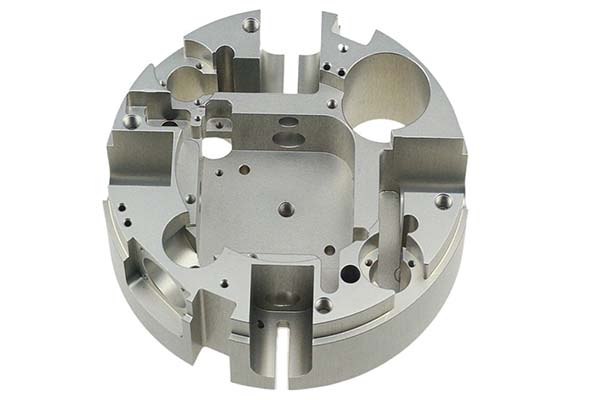
Short run CNC machining excels at manufacturing complex components that require high precision and intricate design details. Industries like aerospace and medical devices rely on this capability:
| Industry | Component | Precision Requirement |
|---|---|---|
| Aerospace | Turbine blade prototypes | ±0.005 mm |
| Medical | Surgical instrument handles | ±0.01 mm, Ra 0.8 μm |
| Industrial | Hydraulic valve bodies | ±0.01 mm |
Why it matters: For critical applications where component failure can have severe consequences, CNC machining provides the accuracy and repeatability necessary for reliable parts.
How Does Short Run CNC Support Modern Manufacturing?
Rapid Innovation
As product lifecycles shorten, companies need to innovate faster. Short run CNC machining enables:
- Quick concept testing: Physical parts within days of design
- Market validation: Small production runs to test demand
- Iterative development: Design improvements based on real-world testing
Responsive Supply Chains
Short run CNC machining allows companies to:
- Produce parts on demand: No inventory carrying costs
- Respond to customer needs: Custom configurations without long lead times
- Adapt to disruptions: Shift production quickly when supply chains change
Example: During a supply chain disruption, a manufacturer used short run CNC to produce 500 replacement parts that would normally be imported—keeping production lines running.
What Are the Future Trends?
Integration with Additive Manufacturing
Combining CNC machining with 3D printing (additive manufacturing) provides a hybrid solution:
- Additive: Creates complex near-net shapes
- CNC machining: Finishes to exact specifications, tight tolerances
Benefit: Complex internal geometries become manufacturable. Material waste is reduced. Lead times for complex parts shorten.
Advanced Software and Automation
Machine learning and advanced software will continue to shape short run CNC machining:
- Optimized toolpaths: Reduce cycle times by 15–25%
- Predictive tool wear: Change tools before failure, not after
- Autonomous operation: Lights-out manufacturing for small batches
Sustainable Manufacturing Practices
Sustainability is increasingly important. Short run CNC machining supports:
- Material waste reduction: Optimized nesting and near-net shapes
- Energy efficiency: Modern CNC machines consume 20–30% less energy than older models
- On-demand production: No inventory waste from obsolete parts
A Real-World Impact Example
A medical device company needed 200 custom titanium surgical instruments for a clinical trial. Traditional manufacturing approaches:
- Casting: $15,000 tooling cost; 8-week lead time
- Manual machining: Inconsistent quality; high scrap rate
- Large CNC shop: Minimum order of 500 parts
Short run CNC solution:
- No tooling cost
- 2-week lead time
- ±0.01 mm precision
- Ra 0.4 μm surface finish
- 200 parts at $45 each
Result: The company completed the clinical trial on schedule. The instrument design was validated with real-world use. Production scaled for market launch using the same CNC programs.
Conclusion
Short run CNC machining impacts productivity and efficiency by eliminating the barriers that traditionally made small-batch production impractical. It enables quick setup and changeover—switching between tasks in minutes rather than hours. It delivers high precision and repeatability—tolerances of ±0.005 mm with consistent quality across batches. It provides cost-effectiveness for small batch production—no dedicated tooling, lower setup costs, and reduced material waste. And it supports rapid innovation—prototypes in days, design iterations quickly, and on-demand production without inventory risk. As manufacturing demands shorter lead times, greater customization, and more responsive supply chains, short run CNC machining has become not just an option, but a strategic necessity.
FAQs
What is short run CNC machining?
Short run CNC machining is the production of a limited number of parts—typically 1 to 1,000 units—using computer numerical control (CNC) machines. It is ideal for prototypes, custom orders, and parts requiring high precision. It enables quick setup, minimal downtime between tasks, and design flexibility.
What are the main advantages of short run CNC machining over traditional machining?
Short run CNC machining offers faster setup (minutes vs. hours), higher precision (±0.005–0.01 mm standard), repeatability (consistent quality across batches), and cost-effectiveness for small batch production (no dedicated tooling, lower setup costs). Unlike traditional machining, CNC machines are reprogrammable, allowing quick task switching without extensive rework.
What are some common applications of short run CNC machining?
Common applications include prototyping (functional prototypes from production materials), custom orders (tailored components for automotive, aerospace, medical, and industrial applications), and complex component manufacturing (parts requiring tight tolerances and intricate geometries). It is especially valuable where component failure would have severe consequences.
How does short run CNC machining reduce costs for small batches?
Cost savings come from: (1) No dedicated tooling—no molds, fixtures, or custom tooling required. (2) Reduced setup labor—program-driven setups replace manual adjustments. (3) Lower scrap—consistent quality reduces rework. (4) No minimum order quantities—you pay only for what you need. For batches under 1,000 units, short run CNC is typically 30–50% more cost-effective than traditional methods.
Can short run CNC machining handle complex geometries?
Yes. CNC machining—particularly 5-axis and multi-tasking machines—handles complex geometries including undercuts, curved surfaces, and intricate internal features. The same precision that makes it suitable for aerospace turbine blades and medical implants applies to small-batch production of complex parts.
Contact Yigu Technology for Custom Manufacturing
At Yigu Technology, we specialize in short run CNC machining for prototypes, custom orders, and low-volume production. Our facility includes CNC mills, lathes, and 5-axis machining centers capable of achieving tolerances down to ±0.005 mm. We provide quick setup, no minimum order quantities, and the flexibility to iterate designs rapidly. Whether you need 5 parts or 500, we deliver precision components with fast turnaround and transparent pricing. Contact us to discuss your short run CNC project.