
How Is Plastic Injection Molding Used for Medical Parts?

Plastic Injection Molding for Medical Parts

Contents Introduction Why Is Injection Molding Critical for Medical Parts? Precision and Consistency Scalability Material Versatility What Materials Are Used for Medical Injection Molding? Common Medical-Grade Plastics Critical Material Requirements How Does the Medical Injection Molding Process Work? Step 1: Material Preparation Step 2: Molding Step 3: Cooling and Ejection Step 4: Post-Processing What Are […]

Introduction

Plastic injection molding is the dominant manufacturing process for medical devices and components. From disposable syringes to complex surgical instruments, this technology produces the parts that healthcare professionals rely on every day. The medical industry demands precision, reliability, and safety—qualities that injection molding delivers at scale.

Over 80% of disposable medical devices—including syringes, catheters, and IV connectors—are manufactured through injection molding. This high percentage reflects the process’s ability to produce complex geometries with tight tolerances while maintaining strict quality standards.

This guide explains the unique requirements of medical injection molding. You will learn about material selection, process considerations, design principles, quality control, and regulatory compliance. Whether you are developing a new medical device or sourcing components, this guide provides the foundational knowledge you need.


Why Is Injection Molding Critical for Medical Parts?

Injection molding meets the medical industry’s demanding requirements in ways other processes cannot.

Precision and Consistency

Medical parts require extreme accuracy. A syringe barrel must have consistent inner diameter to deliver the correct dosage. A catheter connector must fit precisely to prevent leaks.

Injection molding achieves tolerances as tight as ±0.01–0.05 mm for precision components. Once a mold is validated, every part is identical—critical for patient safety.

Scalability

Medical device demand is often high volume. Injection molding produces thousands to millions of parts per month with consistent quality. This scalability keeps costs manageable for disposable products.

Material Versatility

Medical applications require materials with specific properties:

  • Biocompatibility (safe for contact with body)
  • Chemical resistance (withstand disinfectants and medications)
  • Sterilization compatibility (survive gamma, EtO, or autoclave)
  • Mechanical properties (strength, flexibility, durability)

Injection molding processes a wide range of medical-grade materials to meet these requirements.


What Materials Are Used for Medical Injection Molding?

Material selection is the foundation of medical device manufacturing. The wrong material can compromise patient safety or cause device failure.

Common Medical-Grade Plastics

MaterialKey PropertiesMedical Applications
Polypropylene (PP)Chemical resistance; lightweight; sterilizable (autoclave, EtO, gamma)Syringe barrels, medical containers, surgical drapes
Polycarbonate (PC)High impact resistance; transparency; dimensional stabilityMedical device housings, fluid connectors, optical components
Polyethylene (PE)Flexibility; chemical resistance; low costBlood bags, tubing, disposable products
ABSImpact resistance; good surface finish; dimensional stabilityDevice housings, non-implantable components
Polyetherimide (PEI / Ultem)High-temperature resistance; excellent mechanical properties; biocompatibleSurgical instrument components; high-end equipment parts
Polyetheretherketone (PEEK)High strength; chemical resistance; radiolucent; biocompatibleImplantable devices; surgical instruments; spinal cages
SiliconeFlexibility; biocompatibility; temperature resistanceCatheters, seals, implantable components
COC / COPTransparency; chemical resistance; low leachablesPrefilled syringes; diagnostic components

Critical Material Requirements

RequirementWhy It Matters
BiocompatibilityMaterial must not cause adverse reactions when contacting body tissue or fluids. ISO 10993 certification is the standard.
Chemical resistanceMedical parts contact disinfectants, cleaning agents, and medications. Material must maintain integrity.
Sterilization compatibilityParts must survive the intended sterilization method—gamma irradiation, ethylene oxide (EtO), or autoclave (steam).
Low extractablesMinimal substances should leach from the material into medications or body fluids.
TraceabilityMaterials must be traceable from resin lot to finished product for regulatory compliance.

How Does the Medical Injection Molding Process Work?

Medical injection molding follows the same basic steps as general molding but with stricter controls.

Step 1: Material Preparation

Medical-grade materials are typically supplied with certification of analysis. Hygroscopic materials (PC, nylon, PEI) require drying to prevent moisture-related defects. Drying conditions must be documented.

Step 2: Molding

The injection molding machine melts the material and injects it into the mold cavity. Key parameters—temperature, pressure, speed—are monitored and recorded.

Typical process parameters for medical materials:

  • Polypropylene: Melt 180–220°C; mold 20–50°C
  • Polycarbonate: Melt 260–300°C; mold 70–100°C
  • PEI (Ultem): Melt 340–380°C; mold 80–120°C
  • PEEK: Melt 360–400°C; mold 140–200°C

Step 3: Cooling and Ejection

Controlled cooling prevents warpage and internal stress. Ejection must be gentle to avoid part damage.

Step 4: Post-Processing

Medical parts often require additional steps:

  • Trimming – Remove flash and runners
  • Inspection – Dimensional and visual checks
  • Cleaning – Remove residues and particulates
  • Sterilization – Gamma, EtO, or autoclave depending on material
  • Packaging – Cleanroom packaging to maintain sterility

What Are the Key Design Considerations?

Design for manufacturability (DFM) is especially critical for medical parts where failure is not an option.

Wall Thickness Uniformity

Inconsistent wall thickness causes:

  • Warpage
  • Sink marks
  • Internal stress
  • Variable cooling rates

Rule: Keep wall thickness variation within ±10% of nominal thickness. Transition gradually between thick and thin sections.

Draft Angles

Draft angles allow parts to release from the mold without sticking. For medical parts:

SurfaceRecommended Draft
Smooth, polished0.5–1.0°
Textured1.5–3.0°
Deep cores1.5–2.5°

Insufficient draft causes sticking, part damage, and mold wear.

Rounded Corners

Sharp corners create stress concentration points that can lead to cracking under load or during sterilization. Add radii of 0.5–1.0 mm minimum at internal corners.

Tolerances

Medical parts often require tight tolerances. Typical achievable tolerances:

Part FeatureTypical Tolerance
General dimensions±0.10 mm
Critical features (connectors, seals)±0.03–0.05 mm
Precision components±0.01–0.02 mm

Tighter tolerances increase mold cost and may require more frequent process validation.


What Quality Control Measures Are Required?

Quality control in medical molding is rigorous and documented.

In-Process Monitoring

Sensors monitor critical parameters on every cycle:

  • Melt temperature
  • Injection pressure
  • Holding pressure
  • Cooling time
  • Cycle time

Deviations trigger alarms and may require part rejection.

Statistical Process Control (SPC)

SPC tracks process stability over time. Control charts identify trends before they produce defects. Typical SPC parameters:

  • Part weight
  • Critical dimensions
  • Process parameters

Final Product Inspection

Inspection TypeMethodFrequency
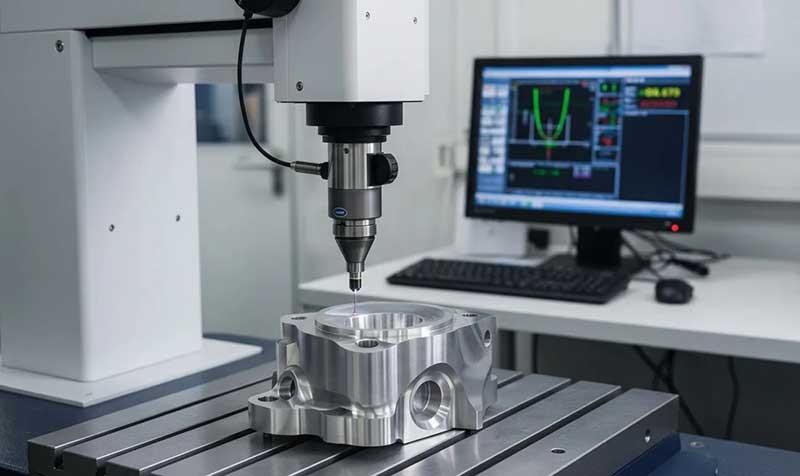
DimensionalCMM, optical comparator, calipersFirst article; periodic sampling
VisualControlled lighting; trained inspectors100% or AQL sampling
FunctionalCustom test fixturesPer batch or as defined
SterilityBiological indicators; sterility testingPer sterilization batch

Environmental Controls

Medical molding often requires cleanroom conditions:

  • Class 8 (ISO 8) – For general medical devices (3,520,000 particles per m³)
  • Class 7 (ISO 7) – For more sensitive components (352,000 particles)
  • Class 6 (ISO 6) – For implantables and critical devices (35,200 particles)

What Regulatory Standards Apply?

Medical injection molding must comply with strict regulations.

ISO 13485 – Quality Management System

ISO 13485 is the international standard for medical device quality management. It requires:

  • Documented processes
  • Risk management
  • Design controls
  • Supplier management
  • Corrective and preventive action (CAPA)
  • Traceability

Compliance is audited by notified bodies. Certification is essential for medical device manufacturers.

FDA Regulations (US Market)

The US Food and Drug Administration regulates medical devices under 21 CFR Part 820 (Quality System Regulation). Key requirements:

  • Design control
  • Document control
  • Purchasing controls
  • Production and process controls
  • Corrective and preventive action

Manufacturers must register facilities and list devices with the FDA.

CE Marking (EU Market)

Medical devices sold in Europe require CE marking under the Medical Device Regulation (MDR) 2017/745. This involves:

  • Conformity assessment by a notified body
  • Technical documentation
  • Clinical evaluation
  • Post-market surveillance

Material Compliance

Materials must meet:

  • ISO 10993 – Biological evaluation of medical devices
  • USP Class VI – Biocompatibility standard for plastics
  • REACH – EU chemical regulation
  • RoHS – Restriction of hazardous substances

What Are the Common Medical Applications?

Injection molding produces a wide range of medical components.

Disposable Devices

ProductMaterialRequirements
SyringesPP, COCPrecision dimensions; smooth surfaces
IV connectorsPC, ABSLeak-free sealing; tight tolerances
Catheter hubsPE, PPChemical resistance; bonding compatibility
Blood collection tubesPET, PPTransparency; dimensional accuracy

Surgical Instruments

ProductMaterialRequirements
Instrument handlesPC, ABSErgonomic; sterilization compatible
Surgical traysPEI, PEEKHigh strength; heat resistance
ForcepsPEEK, PEIPrecision; repeated sterilization
Single-use instrumentsPP, ABSCost-effective; sterility

Implantable Components

ProductMaterialRequirements
Spinal cagesPEEKRadiolucency; biocompatibility; strength
Bone screwsPEEK, PEIBiocompatibility; fatigue resistance
Dental implantsPEEKBiocompatibility; osseointegration
Cardiac componentsMedical-grade siliconeFlexibility; biocompatibility

Diagnostic Equipment

ProductMaterialRequirements
Test cartridgesCOC, PCOptical clarity; chemical resistance
Microfluidic chipsCOC, PCPrecision channels; bonding integrity
Device housingsABS, PCImpact resistance; cleanability
Optical componentsPC, PMMAClarity; dimensional stability

How Do You Ensure Sterilization Compatibility?

Different sterilization methods have different material requirements.

MethodProcessMaterial Considerations
Gamma irradiationGamma rays; high energySome materials (PP, PC) become brittle; requires stabilization
Ethylene oxide (EtO)Gas; low temperatureMaterial must not absorb gas; complete aeration required
Autoclave (steam)121–134°C; steamHigh heat resistance required (PEEK, PEI, PP)
Electron beam (E-beam)Electron beam; high energySimilar to gamma; may cause discoloration
Hydrogen peroxideLow temperature plasmaMaterial compatibility; no residues

Key principle: Validate sterilization compatibility early in material selection. Test samples through the intended sterilization cycles.


What Are the Challenges in Medical Molding?

Medical injection molding presents unique challenges.

Stringent Tolerances

Medical parts often require tolerances tighter than standard molding can achieve. This demands:

  • Precision molds with hardened steel
  • Advanced process control
  • Environmental stability (temperature, humidity)
  • Regular mold maintenance

Material Costs

Medical-grade materials cost significantly more than commodity resins. PEEK can cost $50–$100 per pound compared to $1–$3 for polypropylene. Material selection must balance performance with cost.

Regulatory Burden

Documentation, validation, and quality systems add overhead. A single device may require:

  • Design history file (DHF)
  • Device master record (DMR)
  • Device history record (DHR) for each batch
  • Process validation reports (IQ/OQ/PQ)
  • Material certifications

Cleanroom Requirements

Operating in cleanroom environments adds facility and operational costs. Class 7 cleanroom operation may add 20–40% to manufacturing costs compared to standard production.


Conclusion

Plastic injection molding for medical parts is a specialized discipline that combines manufacturing expertise with stringent quality and regulatory requirements. Success requires:

  • Material selection – Biocompatible, sterilizable materials that meet application needs
  • Precision molding – Tight tolerances; consistent processes
  • Quality control – In-process monitoring; comprehensive inspection
  • Regulatory compliance – ISO 13485; FDA; CE marking
  • Cleanroom capability – Controlled environments for critical components

When executed correctly, injection molding delivers the precision, reliability, and scalability that the medical industry demands. From disposable syringes to implantable devices, this process produces components that save lives and improve patient outcomes.


Frequently Asked Questions (FAQ)

What are the common materials used in plastic injection molding for medical parts?
Common medical-grade materials include polypropylene (PP) for syringes and containers, polycarbonate (PC) for housings and transparent components, polyethylene (PE) for tubing and blood bags, PEEK for implantable devices, and PEI (Ultem) for surgical instruments. Material selection depends on biocompatibility, chemical resistance, sterilization method, and mechanical requirements. All materials must meet ISO 10993 standards.

How do you ensure quality in injection-molded medical parts?
Quality is ensured through strict process controls, in-process monitoring (temperature, pressure, cycle time), statistical process control (SPC), and comprehensive final inspection (dimensional, visual, functional). A validated quality management system (ISO 13485) is essential. Every batch must be traceable from raw material to finished part.

What are the main differences between medical injection molding and general injection molding?
Medical molding requires biocompatible materials, cleanroom environments (often Class 7–8), stricter tolerances (often ±0.05 mm or tighter), full traceability, validated processes (IQ/OQ/PQ), and regulatory compliance (ISO 13485, FDA). General molding focuses primarily on cost and speed, while medical molding prioritizes patient safety and regulatory adherence.

What sterilization methods are compatible with injection-molded medical parts?
Common methods include gamma irradiation (suitable for PP, PE; may cause PC to yellow), ethylene oxide (EtO) (low temperature; requires aeration), autoclave (steam) (requires high-temperature materials like PEEK, PEI, PP), and electron beam (E-beam). Material selection must align with the intended sterilization method.

What certifications should a medical injection molding supplier have?
Look for ISO 13485 (medical device quality management system), ISO 14644 (cleanroom certification), and FDA registration if supplying to the US market. For implantables, ISO 10993 biocompatibility testing is required. Suppliers should also have documented processes for validation, traceability, and change control.


Contact Yigu Technology for Custom Manufacturing

At Yigu Technology, we specialize in plastic injection molding for medical parts. Our facility operates under ISO 13485 quality management systems with cleanroom capabilities to meet the demands of medical device manufacturing.

Our medical molding expertise includes:

  • Material selection guidance – Biocompatible, sterilizable grades
  • Precision mold manufacturing – Tolerances as tight as ±0.01 mm
  • Process validation – IQ, OQ, PQ protocols
  • Quality control – In-process monitoring; CMM inspection
  • Regulatory support – Documentation for FDA, CE, and other submissions
  • Cleanroom molding – Class 7 and Class 8 capabilities

We serve medical device manufacturers across diagnostics, surgical instruments, drug delivery, and implantable devices. From prototypes to high-volume production, we deliver components that meet the highest standards of safety and quality.

Contact us today to discuss your medical injection molding project. Let our expertise help you bring safe, reliable products to market.

Scroll to Top