
Introduction
Injection molding is a powerful manufacturing process. It shapes plastic into useful parts. But it also comes with risks. High temperatures. High pressures. Chemicals. Moving machinery.
PPE stands for Personal Protective Equipment. It is the gear that keeps workers safe. But in the world of injection molding, PPE also refers to Polyphenylene Ether—a high-performance plastic used in the parts themselves.
This article covers both meanings. You will learn about the safety gear operators need. You will also learn about the engineering plastic that delivers heat resistance and flame retardancy for critical applications.
Understanding both sides helps you protect your team and your product quality.
What Is Polyphenylene Ether (PPE)?
Polyphenylene Ether, also known as PPO, is a high-performance thermoplastic. It stands out for its exceptional properties.
The glass transition temperature reaches 211°C. The melting point hits 268°C. This means PPE maintains its strength even under high heat. Parts made from it do not deform in hot environments.
Electrical properties are equally impressive. The dielectric constant ranges from 2.6 to 2.8. The dielectric loss tangent sits between 0.008 and 0.0042. These values remain stable across temperature, humidity, and frequency changes. That stability makes PPE ideal for electrical and electronic applications.
Flame retardancy is another key feature. With an oxygen index of 29, PPE is self-extinguishing. It does not support combustion easily. This property is critical for components used in electrical enclosures and other fire-sensitive applications.
| Property | Value | Significance |
|---|---|---|
| Glass Transition Temperature | 211°C | Maintains shape under heat |
| Melting Point | 268°C | Withstands high processing temps |
| Dielectric Constant | 2.6 - 2.8 | Excellent electrical insulation |
| Oxygen Index | 29 | Self-extinguishing material |
Why Is Operator Safety Critical in Injection Molding?
The injection molding environment presents multiple hazards. Understanding them is the first step toward prevention.
Heat-Related Risks
Molten plastic reaches extreme temperatures. ABS melts at 200°C to 250°C. PEEK requires even higher heat. Direct contact causes severe burns.
Hot molds and nozzles also pose risks. Even after cooling, mold surfaces can remain hot enough to injure unprotected skin.
Chemical Exposure
Plastic additives, mold release agents, and cleaning solvents present chemical hazards. Some plastics release volatile organic compounds (VOCs) when heated. PVC, for instance, can emit harmful chlorine-containing gases during processing.
Long-term exposure to VOCs can cause respiratory problems, skin irritation, and other health issues.
Mechanical Hazards
Injection pressures range from 500 to 3000 bar. At these pressures, plastic or debris can eject from the mold at dangerous speeds.
Moving machine parts create pinch and crush hazards. Ejector pins, mold closures, and robotic arms all require caution.
What Safety Gear Do Operators Need?
Safety Glasses
Eyes are vulnerable to flying particles and chemical splashes. Impact-resistant safety glasses with polycarbonate lenses provide the first line of defense.
Polycarbonate lenses withstand high-velocity impacts without shattering. They protect against plastic pellets ejected during injection or debris from mold maintenance.
Anti-fog coatings matter too. Operators move between warm machine areas and cooler raw material storage. Temperature changes cause fogging. Clear vision prevents accidents.
Chemical-splash-resistant options protect against mold-release agents and cleaning solvents.
Gloves
Gloves serve multiple functions. Heat-resistant gloves protect against burns. Materials like aramid fibers (Nomex) withstand temperatures up to 400°C in some cases. These gloves allow operators to handle hot molds and freshly molded parts safely.
Chemical-resistant gloves protect against solvents and additives. Nitrile rubber offers excellent resistance to a wide range of chemicals. It also provides up to 3 times higher puncture resistance than latex.
Non-slip surfaces enhance grip. This is crucial when handling heavy molds or slick plastic parts. A secure grip reduces the risk of dropping objects that could cause injury or damage.
Protective Clothing
Heat and chemical hazards extend beyond hands. Protective clothing creates a barrier for the body.
Fire-resistant fabrics, often containing aramid fibers, resist molten plastic splashes. They prevent the hot material from reaching the skin. These fabrics also resist ignition if exposed to flames.
Chemical-resistant coveralls shield against solvents, plasticizers, and additives. Features like tight-fitting cuffs and collars prevent chemicals from seeping inside.
The clothing must balance protection with mobility. Lightweight, flexible materials allow operators to move freely while staying protected.
Respiratory Protection
Airborne hazards require filtration. N95 or FFP2 respirators filter out plastic dust particles. An N95 respirator captures at least 95% of non-oily particles.
For VOC exposure, gas-mask-style respirators with appropriate cartridges are necessary. Activated carbon cartridges adsorb many types of organic vapors. The specific cartridge type depends on the chemicals present in your facility.
Respirators only work when properly fitted. A poor seal compromises protection. Regular fit testing ensures each operator has the right size and style.
How Do You Choose the Right PPE?
Consider the Plastic Material
Different plastics create different risks. Match your PPE to the materials you process.
| Material | Hazards | Required Protection |
|---|---|---|
| PVC | Chlorine-containing gases, plasticizers | Respirator with organic vapor cartridges, chemical-resistant gloves (nitrile) |
| PEEK | Extreme heat | High-temperature gloves (aramid), heat-resistant apron |
| ABS, PP, PE | General heat, minimal chemical | Standard heat-resistant gloves, impact safety glasses |
Evaluate the Process Stage
Each stage of the molding cycle presents distinct risks.
Injection phase: High pressure can eject plastic particles. Impact-resistant safety glasses are essential.
Mold opening/closing: Moving parts create pinch hazards. Cut-resistant gloves provide protection. Machine guards and interlocks add another layer of safety.
Post-molding operations: Trimming and finishing create sharp edges. Gloves with reinforced palms and fingertips prevent cuts. Noisy trimming tools may require hearing protection.
Fit and Comfort
PPE that does not fit well often goes unused. Comfort matters.
Safety glasses should have adjustable nose pads and temple lengths. Gloves must fit snugly without restricting circulation. Most manufacturers offer size charts. Measuring hands accurately ensures the right fit.
Protective clothing should allow full range of motion. Snug cuffs and collars keep contaminants out. Breathable materials prevent overheating in warm environments.
When PPE is comfortable, operators wear it consistently. Consistency is what delivers protection.
What Does PPE Material Have to Do with Product Quality?
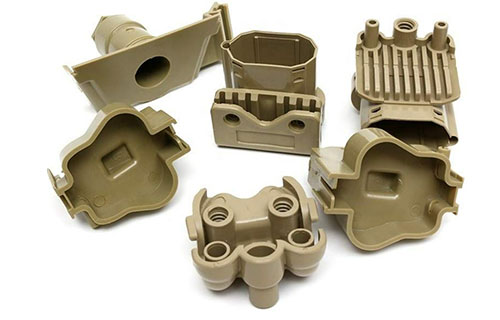
The PPE plastic material contributes to safety in the end product. Its properties protect equipment and ensure reliability.
Dimensional stability prevents warping during cooling. Parts hold their shape. This reduces mold wear and prevents misalignment issues.
Heat resistance allows parts to function in high-temperature environments. Electrical enclosures made from PPE do not deform when internal components generate heat.
Flame retardancy adds fire safety. Components with an oxygen index of 29 do not support combustion. They self-extinguish if exposed to flames.
A real-world example: A manufacturer of electrical distribution equipment switched to PPE-based housings. The previous material softened under prolonged heat load. The new housings maintained structural integrity. Field failures dropped by over 30% .
Conclusion
PPE in injection molding carries two meanings—and both matter. For operators, Personal Protective Equipment prevents injuries. Safety glasses, heat-resistant gloves, protective clothing, and respirators create a safe work environment. Choosing the right gear means matching protection to the specific hazards of your materials and processes.
For product designers, Polyphenylene Ether delivers high-performance properties. Heat resistance up to 211°C , electrical stability, and flame retardancy make it ideal for demanding applications.
When both aspects are managed well, the result is a safe workplace and reliable products.
FAQ
What are the most common types of PPE for injection molding?
The most common types include impact-resistant safety glasses for eye protection, heat-resistant and chemical-resistant gloves for hand protection, protective clothing made of fire-resistant fabrics for body coverage, and respiratory protection such as N95 respirators or gas-mask-style units with appropriate cartridges for filtering dust and VOCs.
How often should PPE be replaced?
Safety glasses should be replaced when scratches affect vision, typically every 6 to 12 months with daily use. Gloves may need replacement every 1 to 3 months or immediately if holes or tears appear. Protective clothing should be replaced when signs of wear, fraying, or chemical damage occur, usually after 6 to 12 months. N95 respirators should be replaced every 40 to 80 hours of use. Gas mask cartridges require replacement according to manufacturer guidelines when saturation limits are reached.
Can I choose any PPE as long as it is labeled for industrial use?
No. Injection molding has unique hazards including high temperatures, chemical exposure, and mechanical risks. A respirator labeled for general dust may not filter VOCs released during processing. Each PPE item must be selected based on the specific risks present, including the plastic type, processing temperatures, and chemicals used. Wrong PPE can provide inadequate protection and create false security.
What makes Polyphenylene Ether different from standard plastics?
PPE offers exceptional heat resistance with a glass transition temperature of 211°C. Its electrical properties remain stable across temperature and humidity changes. With an oxygen index of 29, it is self-extinguishing. These properties make it suitable for electrical, electronic, and high-temperature applications where standard plastics like ABS or polypropylene would fail.
Is additional PPE needed for processing engineering plastics like PEEK?
Yes. PEEK processes at very high temperatures. Heat-resistant gloves rated for temperatures above the material's melting point are essential. Operators may also need heat-resistant aprons or coveralls for protection against molten plastic splashes. Standard heat-resistant gear rated for ABS or polypropylene may not provide adequate protection for PEEK processing.
Contact Yigu Technology for Custom Manufacturing
At Yigu Technology, we prioritize safety in every aspect of manufacturing. Our team follows strict PPE protocols to protect workers and ensure consistent product quality. We also specialize in custom plastic and metal parts using high-performance materials like PPE-based polymers.
Whether you need precision components for electrical applications or high-temperature parts for demanding environments, we deliver solutions that meet your specifications.
Contact Yigu Technology today to discuss your custom manufacturing needs.


