Introduction
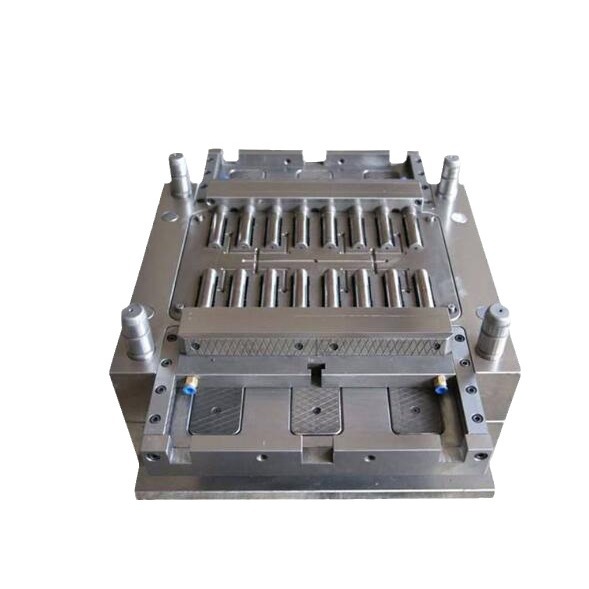
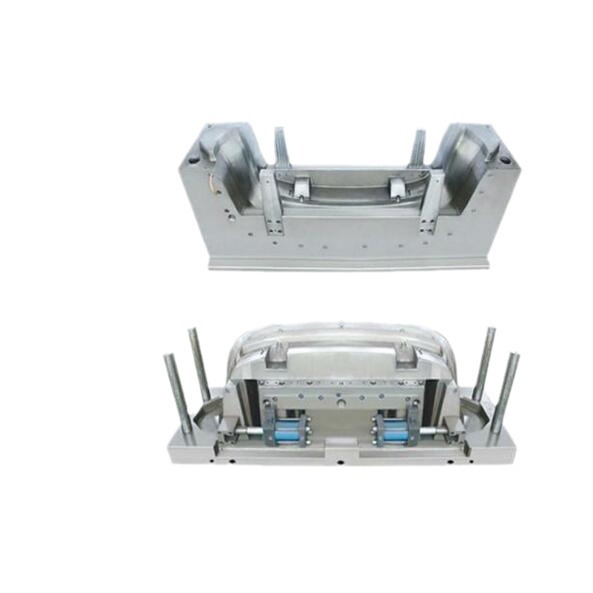
Look around you. The phone in your hand. The dashboard in your car. The medical device that saves lives. All of these started as raw plastic pellets and a vision. Behind every plastic part is a plastic mold maker—the craftsman who builds the tool that shapes the future.
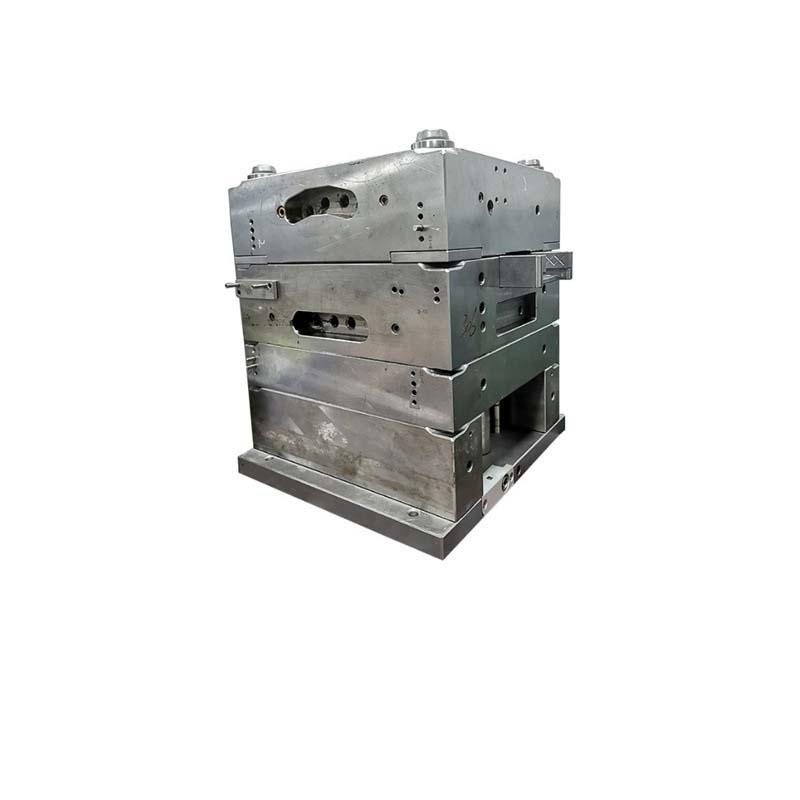
Plastic mold makers are the unsung heroes of modern manufacturing. They design and build the molds that mass-produce the products we use every day. Without their skill, your product idea would never leave the drawing board.
This guide takes you inside their world. You will learn about the processes they use, the technologies they master, and the challenges they overcome. By the end, you will understand how these specialists turn concepts into reality, one molding at a time.
What Is Plastic Molding?
Plastic molding is the process of shaping raw plastic into finished products. It starts with heating plastic until it becomes soft and flowable. Then, it forces that material into a mold cavity. Once cooled, the plastic takes the exact shape of that cavity.
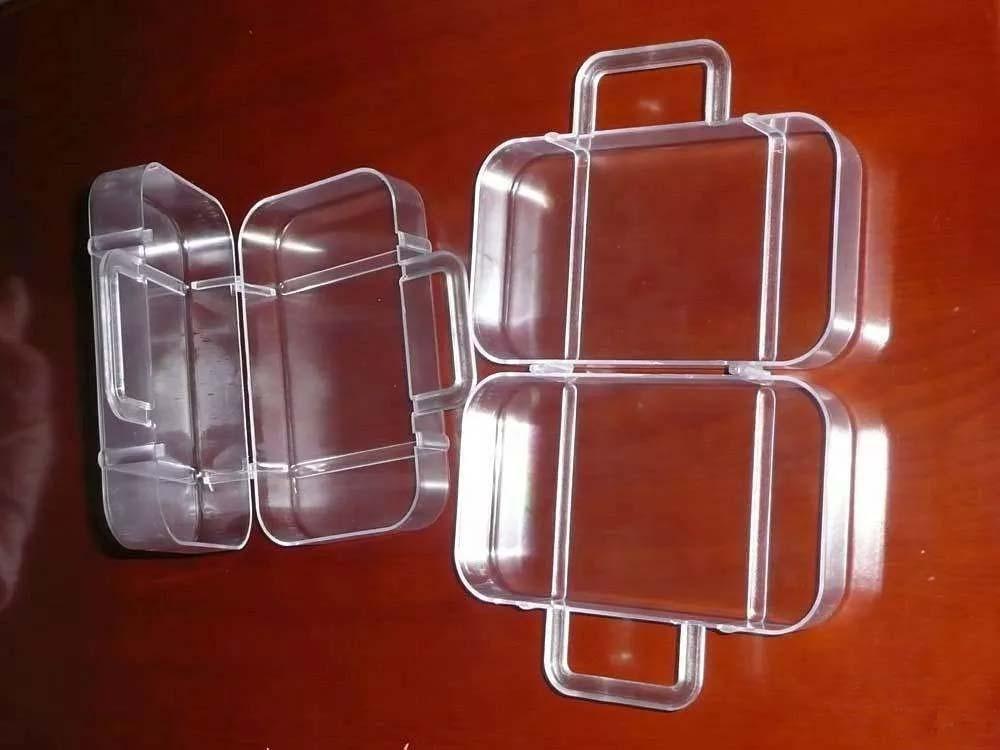
This simple concept produces everything from disposable cutlery to intricate automotive components. The mold determines the part's shape, surface finish, and dimensional accuracy. That is why the mold maker's work is so critical.
What Are the Key Types of Molding Processes?
Different products require different molding methods. Mold makers must understand each process to build the right tool.
| Molding Process | How It Works | Suitable Products | Cost | Precision |
|---|---|---|---|---|
| Injection Molding | Melts plastic, injects into closed mold under high pressure. | High-volume complex parts: automotive interiors, electronics housings, toys. | High initial investment, low per-unit cost. | High precision, tight tolerances. |
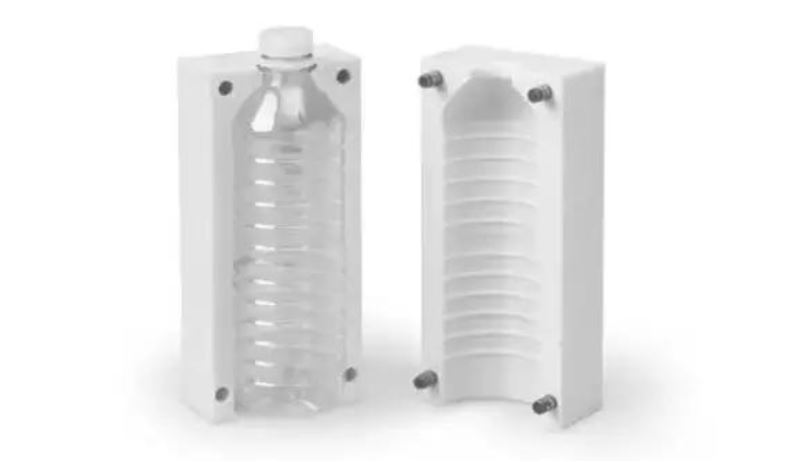
| Blow Molding | Inflates heated plastic tube inside mold using compressed air. | Hollow products: bottles, containers, fuel tanks. | Moderate equipment cost. | Moderate precision, possible wall thickness variation. |
| Compression Molding | Places pre-measured plastic in heated mold, compresses with pressure. | Large, flat parts: switch plates, kitchenware, some body panels. | Lower mold cost, longer cycles. | Moderate precision. |
| Rotational Molding | Rotates mold in oven, plastic coats inner surface evenly. | Large hollow products: storage tanks, playground equipment, kayaks. | Low mold cost, slow production. | Low to moderate precision. |
Each process has its place. Injection molding dominates high-volume, high-precision work. Blow molding creates hollow shapes efficiently. Compression and rotational molding serve specific niches where cost or part size outweighs precision requirements.
What Machinery Do Mold Makers Use?
Injection Molding Machines
Modern injection molding machines deliver extreme precision. They control injection pressure within ±0.5 MPa. Some machines achieve injection speeds up to 1000 mm/s .
High speed matters for thin-walled products like food containers. The plastic must fill the cavity before it cools. Fast injection makes that possible.
CNC Machining Centers
CNC (Computer Numerical Control) machining centers create the mold components. These machines mill, drill, and cut with positioning accuracy up to ±0.001 mm.
For aerospace and medical molds, this precision is essential. A deviation smaller than a human hair can render a mold unusable or produce defective parts.
Electrical Discharge Machining (EDM)
EDM uses electrical sparks to erode material. It creates features that traditional cutting tools cannot reach. Sharp internal corners, fine details, and complex cavities all become possible with EDM.
What Materials Do Mold Makers Work With?
Mold makers must understand the plastics their molds will process. Material properties affect everything from mold design to processing parameters.
| Material | Density (g/cm³) | Heat Resistance (°C) | Impact Resistance | Key Applications |
|---|---|---|---|---|
| Polypropylene (PP) | 0.9 - 0.91 | 100 - 120 | Moderate | Buckets, storage containers, automotive interiors |
| Polycarbonate (PC) | 1.2 | 130 - 140 | High | Automotive headlights, safety goggles, electronics housings |
| ABS | 1.05 | 80 - 105 | High | Electronics housings, toys, automotive parts |
| HDPE | 0.94 - 0.96 | 80 - 110 | Moderate | Pipes, heavy-duty containers |
| LDPE | 0.91 - 0.94 | 60 - 80 | High | Plastic bags, flexible packaging |
Each material behaves differently. PP has a high shrinkage rate of 1.0% to 2.5% during cooling. Mold makers must account for this in the cavity design. PC requires processing temperatures of 280°C to 320°C , demanding molds that withstand that heat without warping.
How Do Mold Makers Ensure Quality?
Precision from the Start
Quality begins with mold design. Engineers use CAD (Computer-Aided Design) software to create detailed 3D models. They simulate the molding process to predict how plastic will flow, cool, and shrink.
Tight Tolerances
High-precision molds achieve tolerances as tight as ±0.01 mm. This level of accuracy ensures that every part produced from the mold meets specifications.
Inspection Throughout
Mold makers inspect components at every stage. Coordinate Measuring Machines (CMMs) verify dimensions against the CAD model. Any deviation gets corrected before the mold moves to production.
What Challenges Do Mold Makers Face?
Complex Geometries
Some parts are difficult to mold. Deep undercuts, thin walls, and intricate internal features require creative mold designs. Slides, lifters, and multi-stage ejection systems add complexity.
Material Behavior
Different plastics shrink, flow, and cool differently. A mold designed for ABS may not work for PC. Mold makers must match the tool to the material.
Cost Pressures
High-precision molds require expensive equipment and skilled labor. Customers want quality but also competitive pricing. Mold makers balance these demands by optimizing designs for manufacturability and efficiency.
Sustainability Demands
The industry faces pressure to reduce waste and energy use. Mold makers now explore recycled plastics and energy-efficient processing techniques. They design molds that minimize material waste during production.
What Does a Real-World Example Look Like?
A medical device company needed a mold for a new surgical instrument housing. The housing had complex internal features, required tight tolerances for sealing, and demanded a smooth surface finish for sterilization.
The mold maker started with a DFM (Design for Manufacturability) review. They identified potential issues: a deep undercut that would require a slide mechanism, and a thin wall section that could cause flow hesitation.
Using CAD simulation, they optimized the gate location and cooling channels. They selected stainless steel for the mold to resist corrosion from sterilization chemicals. CNC machining achieved the required tolerances. EDM created the intricate internal features.
The result was a mold that produced flawless housings cycle after cycle. The customer launched their device on schedule, with no quality issues.
What Trends Are Shaping the Future?
Digitalization and Smart Manufacturing
3D printing now creates prototype molds and even production tooling for short runs. It accelerates development and reduces upfront investment.
AI and IoT are entering the mold shop. Sensors monitor temperature, pressure, and vibration in real time. Machine learning algorithms predict maintenance needs before failures occur.
Sustainable Manufacturing
Bioplastics and recycled materials are gaining ground. Mold makers must adapt to materials with different processing characteristics. Energy-efficient machines and processes reduce the carbon footprint of molding.
Shorter Product Lifecycles
Consumer products change faster than ever. Mold makers must deliver tools quickly without sacrificing quality. Rapid tooling techniques shorten lead times from months to weeks.
Conclusion
Plastic mold makers are the architects of modern manufacturing. They build the tools that shape our world—from the simplest container to the most complex medical device.
Their work combines art and science. They master advanced machinery like CNC machining centers and injection molding machines. They understand the subtle behaviors of dozens of plastic materials. They solve complex design challenges with creative mold mechanisms.
The industry faces challenges: cost pressures, sustainability demands, and the need for speed. But mold makers are adapting. They embrace digital tools, explore new materials, and find ways to manufacture more efficiently.
As they continue to innovate, plastic mold makers will keep crafting the future—one molding at a time.
FAQ
What is the most suitable plastic molding process for small-scale production?
Compression molding often works well for small-scale production. It has lower mold costs than injection molding. Rotational molding is another option for hollow products, with similarly low mold costs. Both processes have longer cycle times but make economic sense for smaller quantities.
How can plastic mold makers ensure the quality of final molded products?
They start with precision mold design using CAD and simulation software. They select materials matched to the application. During production, they monitor temperature, pressure, and injection speed. Final products undergo inspection for dimensional accuracy, mechanical properties, and appearance.
What are the emerging trends in the plastic mold making industry?
Key trends include the use of 3D printing for rapid prototyping and tooling, the integration of AI and IoT for smart manufacturing, and a growing focus on sustainable practices such as recycled materials and energy-efficient processes.
How long does it take to make a production mold?
Lead times vary based on complexity. A simple mold may take 4 to 6 weeks. A complex mold with slides, lifters, and tight tolerances can take 12 to 16 weeks or more. Rapid tooling techniques can shorten these timelines.
What materials are commonly used for molds themselves?
Mold materials include tool steel for high-volume production, stainless steel for corrosion-resistant applications, and aluminum for prototype molds and short runs. Steel molds can last 500,000 cycles or more. Aluminum molds typically last 10,000 to 50,000 cycles.
Contact Yigu Technology for Custom Manufacturing
At Yigu Technology, we understand the craft of plastic mold making. Our team combines deep experience with advanced technology to build molds that deliver quality, consistency, and efficiency.
We work across industries—automotive, medical, electronics, consumer goods. Whether you need a prototype mold or a high-volume production tool, we have the expertise to bring your product to life.
Contact Yigu Technology today to discuss your mold-making project. Let us help you craft your future, one molding at a time.