Introduction
Precision mechanical components are the unsung heroes of modern industry. From the screws holding a high-end camera lens in perfect alignment to the gears transmitting power in a car’s transmission, these parts operate behind the scenes—enabling complex machinery to function with accuracy and reliability.
These components are manufactured to extremely tight tolerances, ensuring high accuracy and consistent performance. In aerospace, a turbine blade must withstand extreme temperatures and rotational forces while maintaining tolerances within microns. In medical devices, a surgical drill’s precision motor and shaft ensure accurate bone drilling. In automotive, a perfectly fitted piston reduces fuel consumption and emissions.
This guide explores the key elements of engineering excellence in precision mechanical components: advanced design, high-quality materials, precision manufacturing processes, rigorous quality control, and a skilled workforce.
What Exactly Are Precision Mechanical Components?
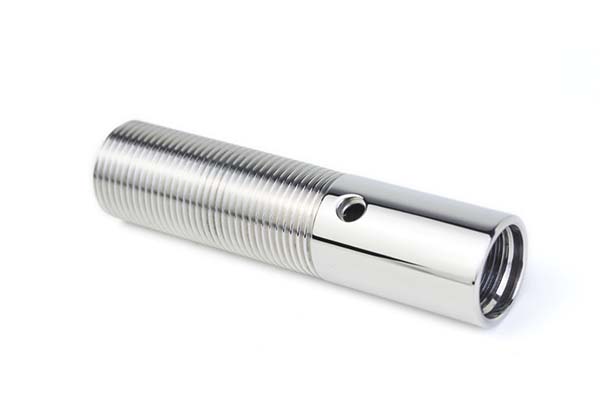
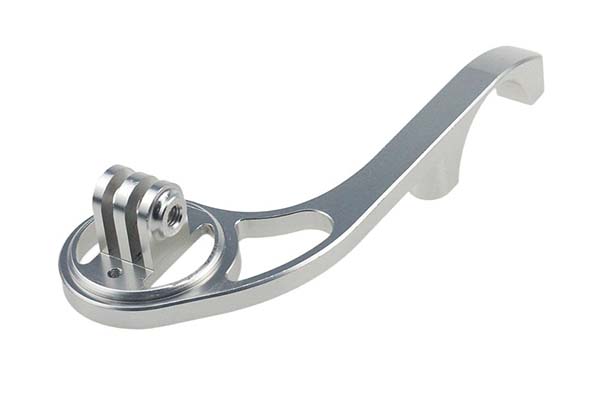
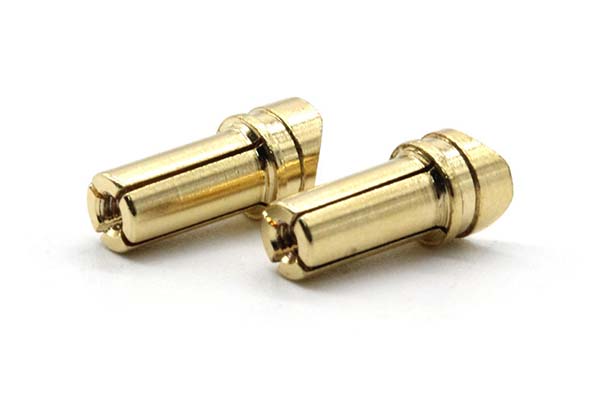
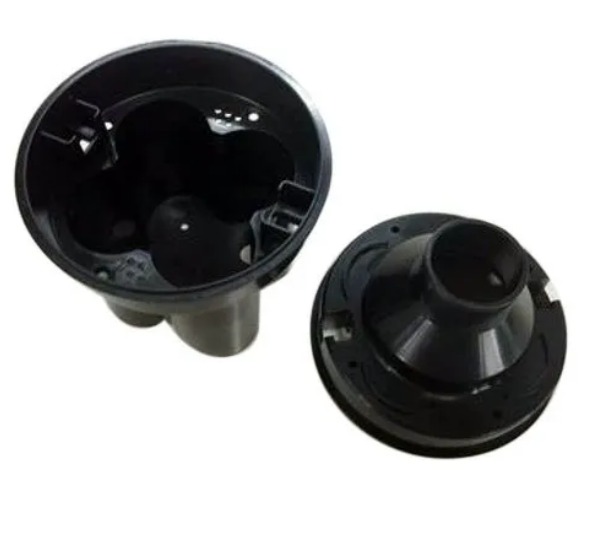
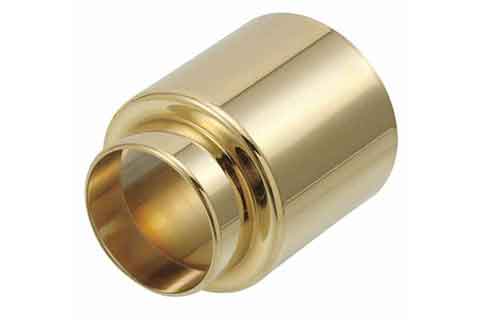
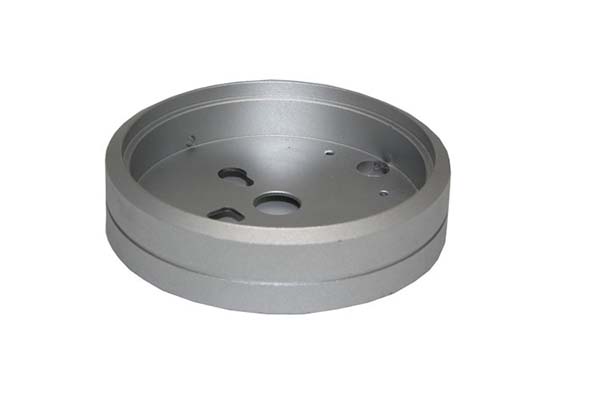
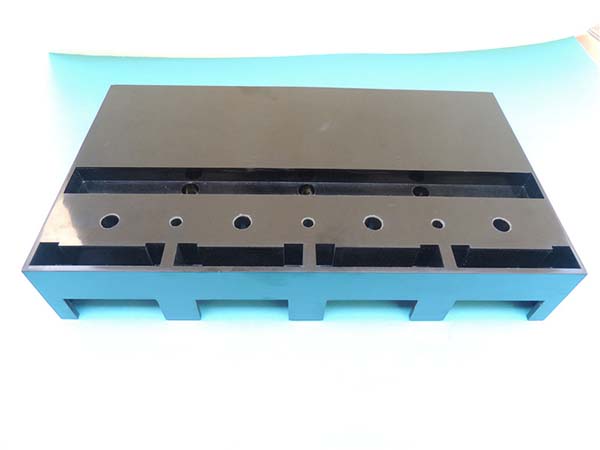
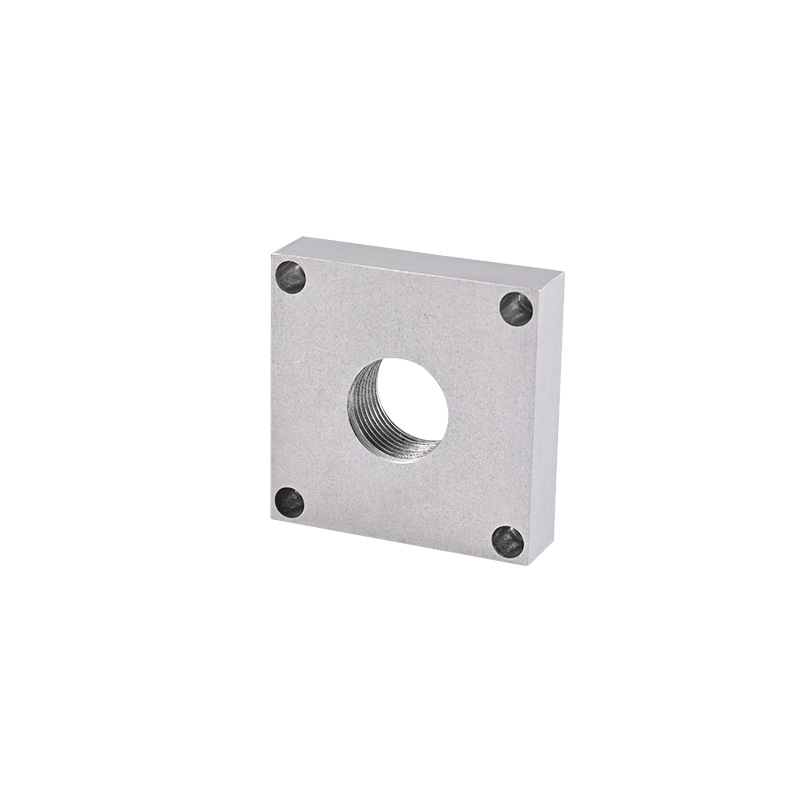
Precision mechanical components are parts manufactured to extremely tight tolerances, ensuring high accuracy and reliability in their function.
Common Examples
| Component | Function | Precision Requirement |
|---|---|---|
| Screws | Fasten parts together | Exact thread pitch, diameter, length—holds lens assembly in alignment |
| Gears | Transmit power and motion between rotating shafts | Tooth profiles, pitch diameters, gear ratios—prevents slippage, noise, failure |
| Shafts | Support and rotate with devices; deliver rotary motion and torque | Straightness, diameter—prevents vibration, bearing wear, efficiency loss |
Applications Across Industries
| Industry | Applications | Critical Requirements |
|---|---|---|
| Aerospace | Aircraft engines, landing gear, avionics | Turbine blades from high-strength alloys; extreme temperatures; tight tolerances |
| Medical | Surgical instruments, diagnostic equipment, prosthetics | Precision motors and shafts; stable magnetic fields in MRI; accurate bone drilling |
| Automotive | Engines, transmissions, braking systems | Pistons with perfect cylinder fit; efficient combustion; reduced fuel consumption |
What Key Elements Define Engineering Excellence?
Advanced Design and Engineering
CAD (Computer-Aided Design) and CAM (Computer-Aided Manufacturing) software have revolutionized precision component design.
| Tool | Function | Example |
|---|---|---|
| CAD | Create highly detailed 3D models | Precise tooth profiles, pitch diameters, gear ratios—ensures smooth meshing, minimal noise |
| FEA (Finite Element Analysis) | Simulate behavior under loads and conditions | Identify stress concentrations; enhance strength and durability—aircraft engine components withstand high temperatures and mechanical stresses |
High-Quality Materials
Material selection significantly impacts component performance.
| Material | Properties | Applications |
|---|---|---|
| Stainless steel | Excellent corrosion resistance | Marine applications—screws, fasteners in ship engines; harsh environments |
| Aluminum alloys | High strength-to-weight ratio | Aerospace, automotive—brackets, housings; reduces weight, maintains strength |
| Titanium alloys | High strength, low density, corrosion resistance | Aerospace; high-end medical implants |
Key material properties:
- Hardness: Resists wear—cutting edges of precision tools
- Toughness: Withstands impact or sudden loads
- Dimensional stability: Maintains shape and size over time—critical for tight tolerances
Precision Manufacturing Processes
| Process | Description | Capability |
|---|---|---|
| CNC machining | Computer-controlled cutting tools | Tolerances within a few micrometers; high repeatability—precision shafts with exact diameter and length |
| EDM (Electrical Discharge Machining) | Electrical discharges erode material | Highly detailed, precise shapes—injection mold cavities and cores with fine details |
Rigorous Quality Control and Inspection
| Method | Function | Precision |
|---|---|---|
| CMM (Coordinate Measuring Machine) | Measure dimensions with great accuracy | Length, width, height, geometric features—compare to design specs; rework or reject if deviations |
| Optical inspection | Microscopes, vision systems | Detect scratches, cracks, imperfections—critical for precision-ground lenses |
| SPC (Statistical Process Control) | Monitor manufacturing process trends | Collect and analyze data; detect variations; proactive corrections before defects occur |
Skilled and Knowledgeable Workforce
| Role | Skills Required |
|---|---|
| Engineers | Mechanics, thermodynamics, materials science—design, manufacture, troubleshoot |
| CNC operators | Programming; tool setup; process monitoring; issue resolution (tool wear, malfunctions) |
| Quality inspectors | Keen eye for detail; inspection techniques; standards compliance |
| All employees | Strong quality-consciousness; understanding of precision and reliability importance |
What Role Does Innovation Play?
| Innovation Area | Impact |
|---|---|
| New materials | Composite materials for weight reduction and strength enhancement |
| Advanced processes | Improved manufacturing capabilities; tighter tolerances |
| Customized solutions | Complex designs for medical devices; high-performance automotive parts |
How Does Yigu Technology Achieve Engineering Excellence?
At Yigu Technology, we believe engineering excellence in precision mechanical components is built on several key pillars:
- Innovation: Exploring new materials and advanced manufacturing processes—composite materials for weight reduction and strength enhancement
- Customization: Working closely with clients from design concept to final product—medical device components; automotive high-performance parts
- Quality control: High-quality raw materials; strict inspection at every production stage; high-precision CMMs; tightest tolerances
- Skilled workforce: In-depth engineering knowledge; state-of-the-art manufacturing capabilities
Conclusion
Precision mechanical components are the foundation of modern industry. Engineering excellence requires:
- Advanced design: CAD, CAM, FEA—precise 3D models; stress analysis; optimized structures
- High-quality materials: Stainless steel (corrosion resistance), aluminum alloys (strength-to-weight), titanium alloys (strength, biocompatibility)—matched to application
- Precision manufacturing: CNC machining (micron tolerances); EDM (complex geometries)
- Rigorous quality control: CMM (±0.001 mm or better); optical inspection; SPC—defect prevention
- Skilled workforce: Engineers, operators, inspectors—technical expertise; quality-consciousness
From aerospace turbine blades to medical implants to automotive pistons, precision mechanical components enable the performance, reliability, and safety that modern industries demand.
FAQs
What are the common materials used for precision mechanical components?
Common materials include:
- Stainless steel: Excellent corrosion resistance—marine, medical applications
- Aluminum alloys: High strength-to-weight ratio—aerospace, automotive weight reduction
- Titanium alloys: High strength, low density, corrosion resistance—aerospace, high-end medical implants
Considerations: Working environment (temperature, humidity, chemical exposure); mechanical properties (strength, hardness, toughness); cost-effectiveness.
How do you ensure precision of mechanical components during manufacturing?
Methods include:
- High-precision equipment: CNC machines with accurate tool movement; tight tolerances
- Optimized processing technology: Right cutting parameters (speed, feed rate, depth of cut)—reduce errors
- Real-time detection: CMM measurement during manufacturing; immediate identification and correction of deviations
- Workforce training: Strict operating procedures; skilled operators
What are the main application fields of precision mechanical components?
- Aerospace: Aircraft engines, landing gear, navigation systems—turbine blades with high temperatures, rotational speeds
- Automotive: Engines, transmissions, braking systems—pistons for efficient combustion, reduced emissions
- Medical: Surgical instruments, diagnostic equipment, prosthetics—surgical drills with precise motors and shafts; accurate bone drilling
- Electronics: Hard disk drives, semiconductor manufacturing equipment—high-speed, reliable operation
How does CAD/CAM improve precision component manufacturing?
CAD creates highly detailed 3D models—precise tooth profiles, pitch diameters, gear ratios. CAM converts these models into machine instructions. Advanced CAD/CAM integration optimizes toolpaths, automatically avoids collisions, and reduces programming time by up to 50% compared to manual programming.
What is the role of FEA in precision component design?
Finite Element Analysis (FEA) simulates how a component will behave under different loads and conditions. Engineers can identify potential stress concentrations and weaknesses, then modify designs to enhance strength and durability. For aircraft engine components, FEA helps determine how parts withstand high temperatures and mechanical stresses during flight—ensuring reliability in critical applications.
Contact Yigu Technology for Custom Manufacturing
At Yigu Technology, we specialize in precision mechanical components for aerospace, medical, automotive, and industrial applications. With 15 years of experience, advanced 5-axis CNC machining, EDM, and ISO 9001 certification, we deliver components with tolerances to ±0.001 mm.
Our capabilities include CAD/CAM integration, FEA analysis, CMM inspection, and SPC quality control. Contact us today to discuss your precision mechanical component requirements.