Introduction
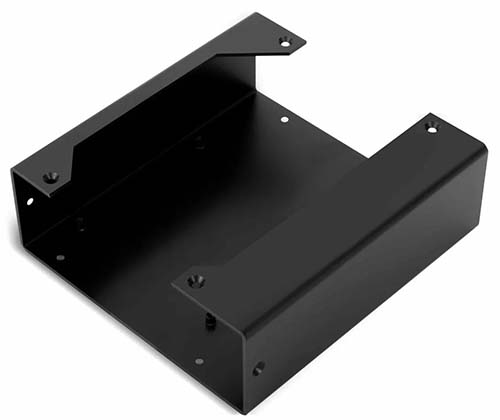
You have a design—a bracket, an enclosure, a panel—that off-the-shelf parts simply cannot fulfill. You need something made to your exact specifications. That is where custom sheet metal comes in.
Custom sheet metal fabrication takes flat metal sheets and transforms them into parts designed specifically for your application. Unlike mass-produced components, these parts are made to your dimensions, your material requirements, and your performance needs.
This guide covers everything you need to know: the materials available, the processes involved, key factors in production, and the industries that rely on custom fabrication. Whether you are new to sheet metal or looking to improve your sourcing, you will walk away with a clear understanding of how custom sheet metal works and how to get the best results.
What Is Custom Sheet Metal?
Definition and Basics
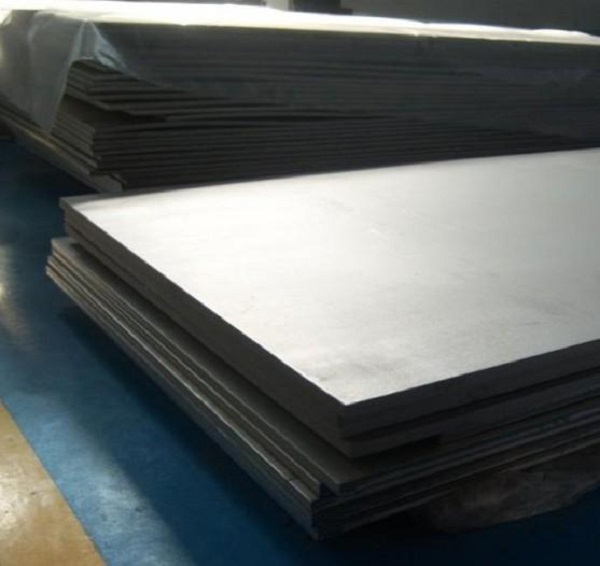
Custom sheet metal refers to the process of fabricating metal components from flat sheets according to customer-specific requirements. Sheet metal typically ranges in thickness from 0.5 mm to 6 mm, though thinner foils and thicker plates are also used.
The “custom” aspect means:
- Dimensions are tailored to your design
- Materials are selected for your application
- Finishes match your aesthetic or functional needs
- Production volumes can range from a single prototype to thousands of units
This flexibility makes custom sheet metal essential across industries—from aerospace to consumer electronics.
What Materials Are Available?
Steel: Strong and Cost-Effective
Steel is the most common sheet metal material. It offers high strength at a relatively low cost.
| Type | Carbon Content | Properties | Common Uses |
|---|---|---|---|
| Low-carbon steel | <0.25% | Soft, ductile, easy to form | Brackets, enclosures, general fabrication |
| Medium-carbon steel | 0.25–0.6% | Stronger, moderate ductility | Machinery parts, gears, structural components |
| High-carbon steel | >0.6% | Hard, strong, low ductility | Springs, cutting tools, wear-resistant parts |
The main drawback of carbon steel is corrosion susceptibility. For outdoor or humid applications, it requires coating—paint, powder coating, or galvanizing.
Stainless Steel: Corrosion Resistance
Stainless steel contains at least 10.5% chromium, which forms a self-healing oxide layer that prevents rust.
- 304 stainless: The most common grade. 18% chromium, 8% nickel. Used in kitchen equipment, food processing, and architectural trim.
- 316 stainless: Adds 2–3% molybdenum for improved resistance to chlorides (saltwater). Used in marine applications, chemical equipment, and medical devices.
Stainless steel costs more than carbon steel but delivers decades of corrosion protection without coating.
Aluminum: Lightweight and Versatile
Aluminum weighs about one-third as much as steel. It naturally resists corrosion and conducts heat well.
- 5052 aluminum: Excellent formability. Ideal for deep drawing, fuel tanks, and marine parts.
- 6061 aluminum: Higher strength, good machinability. Used for structural components, bicycle frames, and aerospace parts.
- 7075 aluminum: Very high strength (comparable to steel). Used in aerospace for wings and fuselage components.
Aluminum is common in automotive, aerospace, and electronics applications where weight reduction is critical.
Copper and Other Materials
Copper offers excellent electrical and thermal conductivity. It is used for electrical components, heat exchangers, and decorative applications. Copper is malleable but more expensive than steel or aluminum.
Real-World Example: A medical device manufacturer needed a portable ultrasound housing that was lightweight, corrosion-resistant, and easy to clean. Aluminum offered weight savings, but stainless steel provided better chemical resistance. The solution: custom aluminum with an anodized finish—lightweight, durable, and easy to sanitize.
What Processes Are Used?
Cutting: Starting with Precision
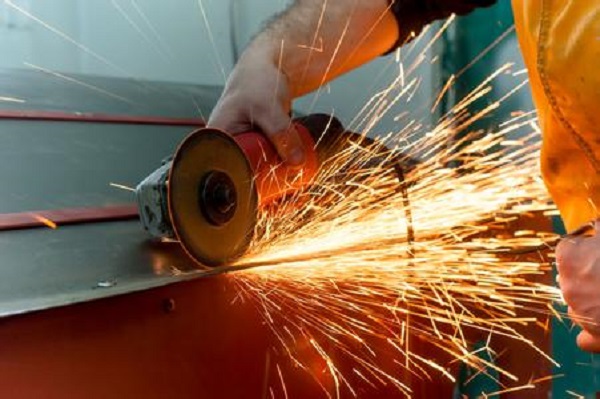
Cutting is the first step in most custom sheet metal projects. The method chosen affects precision, cost, and lead time.
- Laser cutting: Uses a high-power laser to melt or vaporize metal. Precision reaches ±0.1 mm. Ideal for complex shapes and tight tolerances. Works well on thin to medium thicknesses.
- Plasma cutting: Uses a high-temperature plasma arc. Faster than laser on thick materials (6 mm+). Precision is lower (±0.5–1 mm). Good for structural parts.
- Water jet cutting: Uses a high-pressure stream of water mixed with abrasive. No heat-affected zone. Suitable for heat-sensitive materials.
- Shearing: Mechanical straight-line cutting. Fast and cost-effective for simple shapes in high volume.
Bending: Adding Dimension
Bending transforms flat sheets into three-dimensional shapes. CNC press brakes are the standard tool. They can be programmed to make precise bends at specific angles and radii.
Key considerations:
- Bend radius: The inside radius of the bend. A general rule: minimum bend radius equals material thickness for steel.
- Bend allowance: The extra length needed to account for material stretching during bending.
- Springback: The tendency of metal to return slightly to its original shape after bending. Skilled operators compensate by over-bending.
Stamping: High-Volume Efficiency
Stamping uses a die to shape sheet metal under high pressure. It is ideal for high-volume production because one stroke produces a finished part.
- Progressive stamping: The sheet moves through multiple stations in one die, performing cutting, bending, and forming operations sequentially.
- Deep drawing: A specialized stamping process that creates hollow shapes—cups, enclosures, fuel tanks.
Stamping requires upfront tooling investment but delivers low per-unit costs at high volumes.
Welding: Joining Components
Welding permanently joins multiple sheet metal parts. Common techniques:
| Method | Best For | Advantages |
|---|---|---|
| MIG welding | General fabrication, thicker materials | Fast, high deposition rate |
| TIG welding | Thin materials, stainless steel, aluminum | Precise, clean welds, good appearance |
| Spot welding | Thin sheets, automotive panels | Fast, no filler material |
Surface Treatment: Protection and Appearance
Surface finishes protect against corrosion and enhance appearance.
- Powder coating: Dry powder applied electrostatically, then cured with heat. Durable, thick finish with many color options.
- Painting: Liquid paint applied by spray or brush. Less durable than powder coating but flexible.
- Electroplating: Deposits a thin metal layer (zinc, nickel, chrome) for corrosion protection or appearance.
- Anodizing: For aluminum only. Creates a hard, corrosion-resistant oxide layer. Can be dyed in various colors.
What Factors Affect Custom Sheet Metal Production?
Material Selection
Choosing the right material is the most important decision. Consider:
- Strength requirements: Will the part bear loads?
- Corrosion environment: Indoor, outdoor, coastal, chemical exposure?
- Weight constraints: Does weight matter for handling, shipping, or performance?
- Conductivity: Electrical or thermal requirements?
- Cost: Material cost varies significantly. Carbon steel is cheapest; stainless steel and copper cost more.
Design for Manufacturability
A well-designed part is easier to fabricate and costs less. Key principles:
- Maintain uniform wall thickness (the sheet thickness)
- Use bend radii at least equal to material thickness
- Keep holes and features away from bend lines (2–3 times material thickness)
- Avoid sharp internal corners—they concentrate stress
- Specify tolerances realistically. Tighter tolerances increase cost.
Real-World Example: A customer designed an enclosure with a hole placed directly on the bend line. During fabrication, the hole distorted, making the part unusable. Moving the hole 10 mm away from the bend solved the problem with no cost increase.
Quantity and Lead Time
Volume affects both cost and process selection:
| Volume | Recommended Approach |
|---|---|
| 1–50 units | Laser cutting + CNC bending. Minimal tooling, fast turnaround (1–2 weeks) |
| 50–500 units | Laser cutting or stamping (if die cost can be amortized). Lead time 2–4 weeks |
| 500+ units | Stamping with dedicated tooling. Higher upfront cost, lower per-unit cost. Lead time 4–6 weeks (including tooling) |
Quality Control
Reliable custom sheet metal providers implement quality checks at every stage:
- Raw material inspection: Verify thickness, grade, and condition
- In-process checks: Monitor dimensions during cutting, bending, and welding
- Final inspection: Dimensional verification, surface finish, and functional testing
Look for ISO 9001 certification—it indicates documented quality management systems.
Where Is Custom Sheet Metal Used?
Automotive Industry
Custom sheet metal is everywhere in vehicles:
- Body panels: Doors, hoods, fenders (steel or aluminum)
- Structural components: Frames, brackets, supports
- Engine parts: Mounts, covers, heat shields
A 10% reduction in vehicle weight can improve fuel efficiency by 6–8%, driving increased use of aluminum and high-strength steel.
Electronics Industry
Electronic enclosures and chassis are often custom sheet metal. Key requirements:
- Heat dissipation: Aluminum’s thermal conductivity helps cool components
- EMI shielding: Metal enclosures block electromagnetic interference
- Precision fit: Custom dimensions ensure components mount correctly
Servers, industrial computers, and medical electronics all rely on custom sheet metal housings.
Appliance Industry
Refrigerators, ovens, washing machines—all use custom sheet metal. Outer casings provide durability and finished appearance. Internal racks, brackets, and panels are fabricated to specific dimensions.
Aerospace Industry
Aerospace demands high strength and light weight. Custom sheet metal in aluminum and titanium alloys forms:
- Wing skins and fuselage panels
- Engine components
- Structural brackets and supports
Precision is critical. A slight deviation in an aircraft wing component can affect aerodynamics and safety.
Conclusion
Custom sheet metal fabrication offers the flexibility to create parts exactly to your specifications. Materials range from cost-effective carbon steel to corrosion-resistant stainless steel to lightweight aluminum. Processes like laser cutting, CNC bending, stamping, and welding turn flat sheets into functional components.
Success depends on:
- Selecting the right material for your environment and performance needs
- Designing for manufacturability to control cost and lead time
- Choosing a reliable provider with strong quality control
Whether you need a single prototype or a production run of thousands, custom sheet metal delivers the precision, durability, and flexibility that off-the-shelf parts cannot match.
FAQs
How much does custom sheet metal fabrication cost?
Cost varies based on material, complexity, and quantity. Carbon steel is most affordable; stainless steel and copper cost more. Simple parts may start at a few hundred dollars for a small batch. Complex, high-precision projects can cost several thousand dollars. Larger quantities reduce per-unit cost through economies of scale. Always request a detailed quote with itemized costs.
What is the typical lead time for custom sheet metal orders?
Simple designs with standard materials: 1–2 weeks. Complex parts or those requiring specialized materials: 4–6 weeks. Factors include programming time for CNC machines, material availability, and current shop workload. Prototypes can often be delivered faster—sometimes in 3–5 days—using rapid sheet metal processes.
Can I get a prototype before mass production?
Yes. Most custom sheet metal providers offer prototype services. Prototyping allows you to test fit, function, and design before committing to full production. It is an opportunity to identify issues early, saving time and money. After prototype approval, the same provider can scale to larger production runs using the same design files.
What file formats do I need for custom sheet metal?
3D CAD files in STEP (.stp) or IGES (.igs) format are preferred. These preserve geometry accurately. For simple parts, 2D DXF files with dimensions may suffice. Always include a drawing with critical dimensions, tolerances, material specification, and finish requirements. Clear communication at this stage prevents misunderstandings.
Contact Yigu Technology for Custom Manufacturing
At Yigu Technology, custom sheet metal is our specialty. We work with steel, stainless steel, aluminum, and copper across all major fabrication processes—laser cutting, CNC bending, stamping, welding, and finishing. Our team helps you select the right material and design for manufacturability, ensuring quality parts delivered on time. From single prototypes to production runs, we provide clear communication, detailed quotes, and reliable results. Contact us to discuss your custom sheet metal project—we will help you bring your design to life.