Introduction
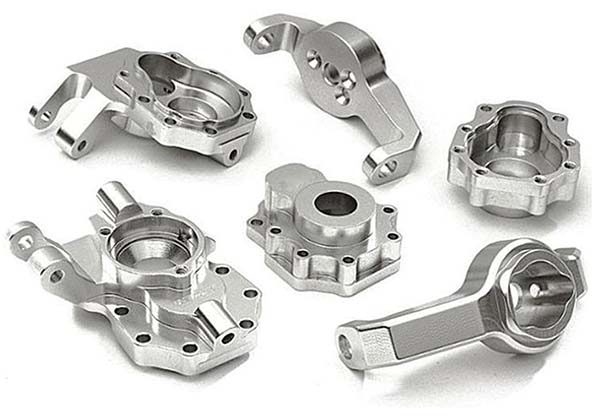
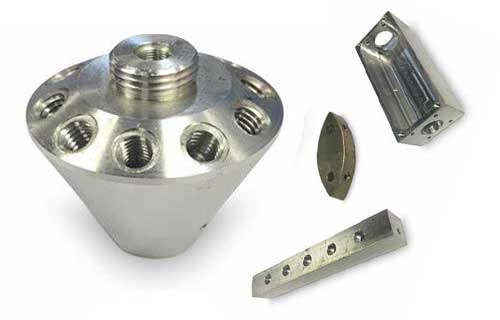
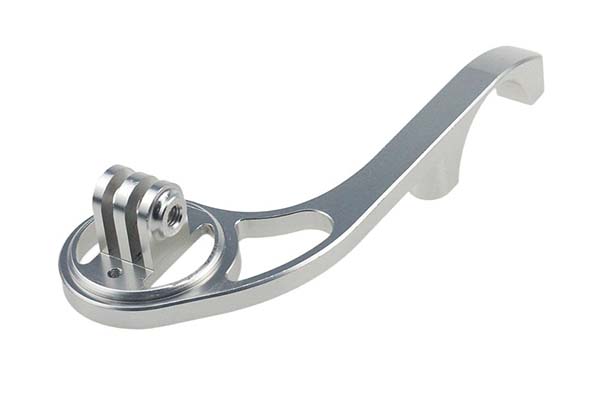
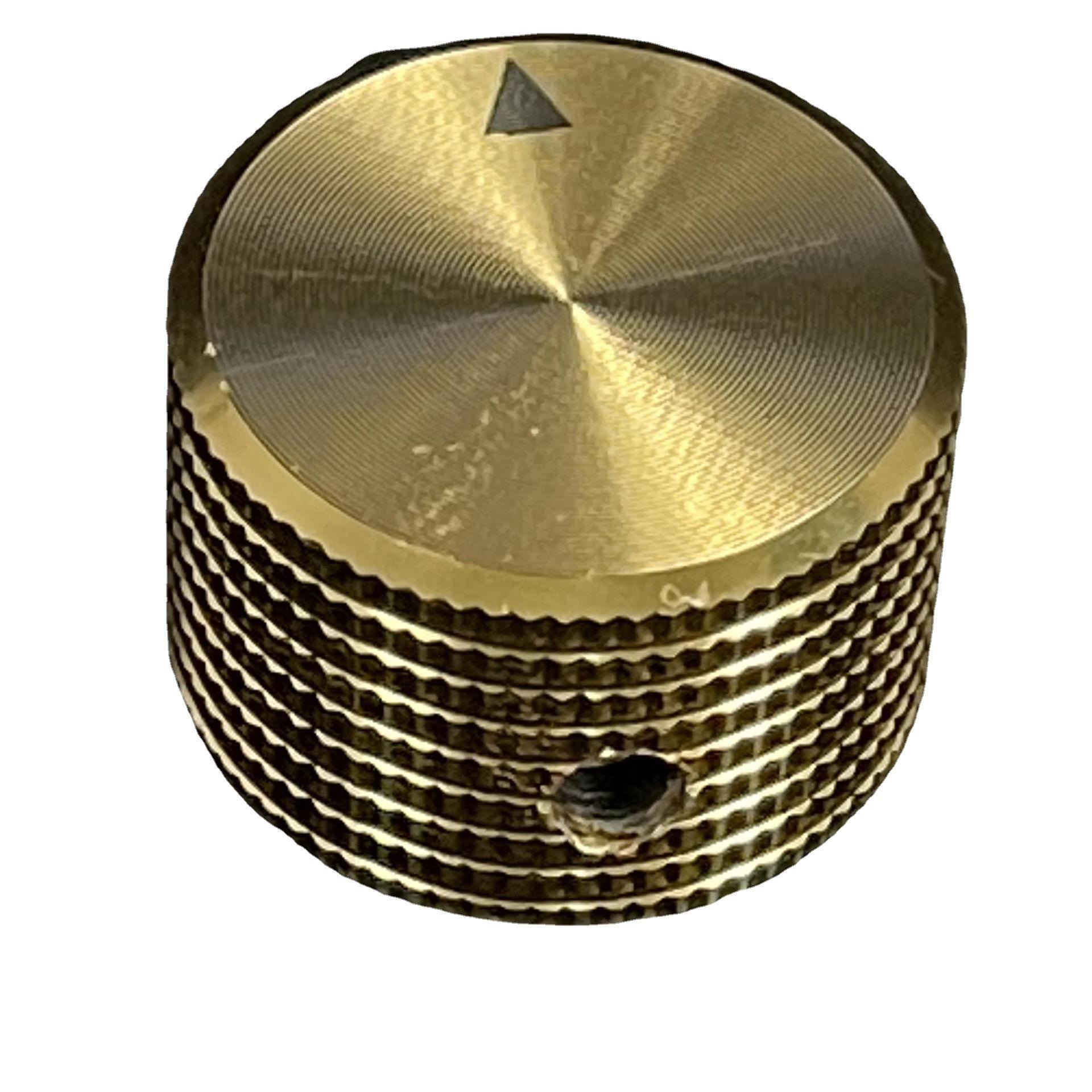
Custom machining services are a cornerstone of modern manufacturing. They offer a tailored approach to creating components. Instead of relying on standardized, off-the-shelf products, businesses can have parts machined to exact specifications. Whether you need a single prototype or a large-scale production run, custom machining delivers parts that fit your unique requirements. In aerospace, it creates turbine blades with complex geometries. In medical, it crafts implants that match patient anatomy. This guide explores how custom machining services enable precision engineering. You will learn about the advanced equipment, skilled workforce, and real-world applications that make this approach essential for high-performance industries.
What Are Custom Machining Services?
Custom machining services focus on producing parts based on client-specific requirements. The process starts with a detailed design, typically created using CAD (Computer-Aided Design) software. This design is then translated into instructions that guide CNC (Computer Numerical Control) machines. These machines perform operations like milling, turning, drilling, and grinding with high accuracy.
The value of custom machining lies in its flexibility. It can handle:
- One-off prototypes: Testing new designs before committing to production.
- Small-batch runs: Cost-effective for specialized components.
- Large-scale production: Consistent quality across high volumes.
For example, in the medical field, custom-machined implants are crafted to fit individual patient anatomy. This ensures better fit and improved functionality. In aerospace, custom machining produces components that must withstand extreme conditions with no room for error.
Why Is Custom Machining Essential for Precision Engineering?
Precision engineering focuses on creating products with extremely tight tolerances—often in the micrometer or even nanometer range. Custom machining enables this level of precision in several critical ways.
Complex Geometries Made Possible
Traditional manufacturing methods struggle with intricate shapes. Custom machining techniques, especially multi-axis CNC machines, handle even the most convoluted designs.
For instance, in the production of micro-electromechanical systems (MEMS) , custom machining fabricates tiny components with features as small as a few micrometers. These components are crucial for sensors and actuators in modern electronics.
Material Versatility
Custom machining services work with a wide range of materials. Each material has unique properties that require specific machining approaches.
| Material Category | Examples | Key Considerations |
|---|---|---|
| High-strength metals | Titanium, Inconel | Requires rigid tooling, low cutting speeds |
| Advanced polymers | PEEK, Ultem | Prone to melting; requires sharp tools and coolant |
| Composites | Carbon fiber, fiberglass | Delamination risk; requires diamond-coated tools |
| Standard metals | Aluminum, steel | Well-understood parameters; cost-effective |
For example, carbon fiber composites have a high strength-to-weight ratio. But they require specialized techniques to avoid damaging fibers during cutting.
Driving Innovation
Custom machining enables innovation by allowing companies to test new ideas. The iterative process of design and prototyping leads to groundbreaking products. In electronics, custom-machined components have enabled the miniaturization of devices—from smartphones to wearable technology.
What Are the Core Components of Custom Machining Services?
High-quality custom machining relies on two pillars: advanced machinery and a skilled workforce. Both are essential for delivering precision components.
Advanced Machinery and Equipment
CNC machines are at the heart of custom machining. Their ability to achieve high precision and repeatability makes them indispensable.
| Equipment Type | Capabilities | Typical Applications |
|---|---|---|
| 3-axis CNC mill | Basic milling, flat surfaces, pockets | Simple brackets, enclosures |
| 5-axis CNC mill | Complex geometries, one-setup machining | Aerospace turbine blades, medical implants |
| CNC lathe | Turning, cylindrical parts | Shafts, bushings, connectors |
| EDM (Electrical Discharge Machining) | Hard materials, fine details | Mold cavities, intricate features |
| Water jet cutter | Cold cutting, no heat-affected zone | Heat-sensitive materials, composites |
A 5-axis CNC milling machine can move the tool and workpiece in five directions simultaneously. This allows for the creation of complex shapes like turbine engine components with intricate cooling channels. These channels are essential for regulating temperature and optimizing engine performance.
EDM machines use electrical discharges to erode material. They are particularly useful for hard or brittle materials. In mold-making, EDM creates cavities and cores with fine ribs and undercuts without mechanical forces that could damage the workpiece.
Water jet cutting uses a high-pressure stream of water, sometimes mixed with abrasives. It is a cold-cutting process, so it does not generate heat-affected zones. This makes it ideal for cutting heat-sensitive materials like certain plastics and composites.
Skilled Workforce and Expertise
Advanced machinery alone is not enough. Skilled technicians and machinists are essential. They operate the equipment, program the CNC machines, and ensure the process runs smoothly.
A CNC programmer translates CAD designs into G-code—the instructions the machine understands. This requires deep knowledge of machining operations and an understanding of machine capabilities. For a custom medical implant, the programmer must plan operations to meet strict tolerances while minimizing material waste and production time.
Machinists set up machines, load materials, and monitor operations. Their experience allows them to detect issues like tool wear, vibrations, or incorrect parameters. For example, if a machinist notices unusual vibrations during a milling operation, they can adjust cutting speed or feed rate to prevent damage.
Consider a complex aerospace component with a tolerance of ±0.001 inches, made from a difficult-to-machine high-strength alloy. A skilled machinist selects appropriate cutting tools and parameters. They also perform in-process inspections using CMM (Coordinate Measuring Machines) to ensure the part stays within tolerance. Their expertise turns a challenging job into a successful outcome.
What Do Real-World Case Studies Show?
Real examples demonstrate the impact of custom machining services across industries.
Aerospace: Improving Engine Efficiency
A major aerospace company was developing a new generation of aircraft engines. The design required compressor blades with extremely complex aerodynamic profiles. Traditional manufacturing methods could not produce these blades with the required precision.
A custom machining provider stepped in. Using 5-axis CNC milling, they produced the blades with tighter tolerances:
| Metric | Traditional Methods | Custom Machining |
|---|---|---|
| Tolerance | ±0.010 inches | ±0.001 inches |
| Compressor efficiency | 80% | 85% |
| Fuel consumption | Baseline | 10% reduction |
| Engine lifespan | Baseline | 20% increase |
The improvements were critical for meeting market demands for more fuel-efficient and reliable aircraft.
Medical: Enhancing Surgical Outcomes
A medical equipment company developed a new line of laparoscopic surgical tools for minimally invasive surgeries. These tools needed to be highly precise, lightweight, and biocompatible.
Custom machining allowed them to create instruments from titanium alloys with ergonomic designs. The impact on surgical outcomes was significant:
| Metric | Before Custom Tools | After Custom Tools |
|---|---|---|
| Surgery success rate | 70% | 85% |
| Average hospital stay | Baseline | 3 days shorter |
| Complication rate | Higher | Reduced |
The improved precision and ergonomics made delicate procedures easier, reducing complications and speeding patient recovery.
How Do Custom and Standard Machining Compare?
Understanding the differences helps you choose the right approach for your project.
| Aspect | Custom Machining Services | Standard Machining Services |
|---|---|---|
| Precision | ±0.001 inches or tighter | ±0.01 – 0.05 inches |
| Flexibility | Highly flexible; unique designs, small batches | Limited; designed for large runs of identical parts |
| Cost | Higher initial cost; cost-effective for small batches | Lower per-unit cost for large volumes |
| Production Cycle | Longer for complex parts | Shorter for established production runs |
When to Choose Custom Machining
Custom machining is the preferred choice when:
- High precision is required: Aerospace, medical, and high-end electronics demand tight tolerances.
- Designs are unique or complex: Parts with geometries that standard methods cannot achieve.
- Batch sizes are small: Custom machining eliminates the need for expensive mass-production tooling.
- Materials are specialized: Hard-to-machine materials like titanium or composites require tailored approaches.
Conclusion
Custom machining services are essential for precision engineering. They combine advanced equipment like 5-axis CNC mills, EDM machines, and water jet cutters with a skilled workforce that understands how to achieve tight tolerances and complex geometries. Real-world applications in aerospace and medical demonstrate the tangible benefits: improved efficiency, better patient outcomes, and the ability to innovate. When your project demands precision, flexibility, and material expertise, custom machining delivers solutions that off-the-shelf options cannot match.
FAQs
What is the typical lead time for custom machining projects?
Lead times vary by complexity. Simple parts may take 1–2 weeks. Complex projects with intricate geometries or hard-to-machine materials can take 4–8 weeks. Factors like equipment availability and material sourcing also affect timelines.
How does custom machining handle small-batch production?
Custom machining is ideal for small batches. There is no need for expensive molds or tooling. The same CNC program can run for one part or one hundred parts with consistent quality. This makes it cost-effective for prototypes and low-volume production.
What materials can custom machining services work with?
Custom machining works with a wide range: metals (aluminum, steel, titanium, Inconel), plastics (PEEK, Ultem, nylon), and composites (carbon fiber, fiberglass). Each material requires specific tooling and parameters, which experienced providers can manage.
Contact Yigu Technology for Custom Manufacturing
At Yigu Technology, we specialize in custom machining services that deliver precision engineering solutions. Our facility is equipped with 3-axis, 4-axis, and 5-axis CNC machines, EDM equipment, and water jet cutters to handle a wide range of materials and geometries. Our skilled engineers provide DFM feedback to optimize your designs for manufacturability. We serve industries from aerospace and medical to automotive and electronics—delivering parts that meet your exact specifications.
Ready to bring your custom design to life? Contact Yigu Technology today for a free consultation and quote. Let us show you what precision engineering can do for your project.