Introduction
You finish a batch of acrylic parts. They look perfect. Then you notice a haze. Poor ventilation ruined them. They are now unfit for optical use.
Worse scenarios happen. Workers develop respiratory issues from inhaling ABS dust. A 2024 OSHA report found that 38% of plastic machining shops violate respiratory protection standards. Improper waste disposal costs manufacturers $2.3 billion annually in fines.
Turning plastic is not like turning metal. It demands precision, yes. But it also demands safety and sustainability. From nailing surface finish on polycarbonate to managing PTFE dust, this guide covers every aspect of successful plastic turning.
How Do Material Properties Affect Machining?
Acrylic
Acrylic is brittle. Its melting point is 160°C. Low thermal conductivity means heat builds up quickly. Spindle speed is critical.
Sharp tools prevent chipping. Chipping is the top issue in 62% of acrylic jobs. A hazy finish often means you generated too much heat.
Polycarbonate
Polycarbonate is impact-resistant but prone to built-up edge (BUE) . Its R118 hardness requires tools with 10–15° rake angles to reduce friction.
BUE causes poor surface finish and dimensional inaccuracies. Prevent it with sharp tools and proper coolant.
ABS
ABS machines easily but releases toxic fumes when overheated. Its melting range is 105–120°C. Strict heat management is required.
Styrene fumes are the primary concern. Ventilation is not optional—it is essential.
Nylon
Nylon absorbs 2–8% moisture. This causes dimensional changes of 0.2–0.5% . Dry the material before machining to maintain tolerances of ±0.02 mm .
PTFE (Teflon)
PTFE is slippery and heat-resistant (327°C melting point). But it is soft (D50 hardness). Chucking is a challenge. Over-tightening causes 0.5 mm+ deformation .
Material Summary Table
| Plastic | Key Machining Trait | Safety Note |
|---|---|---|
| Acrylic | Prone to chipping | Low toxicity dust |
| Polycarbonate | BUE formation | Irritating dust |
| ABS | Heat-sensitive | Releases styrene fumes |
| Nylon | Moisture-absorbent | Minimal fume risk |
| PTFE | Slippery, soft | Toxic fumes when overheated |
What Turning Techniques Work Best for Plastic?
Rough Turning
Use higher feeds for rough turning. For ABS, 0.15–0.25 mm/rev works well. Higher feeds minimize heat generation.
A 50 mm part runs best at 2,500 RPM. The goal is to remove material quickly without overheating.
Finish Turning
For acrylic, slow feeds achieve mirror finishes. Use 0.05–0.1 mm/rev with PCD tools. This achieves Ra 0.02 μm finishes—ideal for lenses and optical components.
Thread Cutting
Nylon needs care when threading. Use 60° threads with 0.5 mm pitch to avoid stripping. Mineral oil lubricant reduces friction and prevents tearing.
Taper Turning
Polycarbonate requires steady feeds to prevent chatter. Use 0.1 mm/rev . For a 1° taper on a 100 mm part, tool movement needs to be 0.017 mm/rev .
CNC vs. Manual Turning
CNC turning reduces variability by 30% compared to manual methods. This is critical for medical device components requiring ±0.01 mm tolerances.
How Do You Select the Right Tools?
Carbide Inserts
Use uncoated carbide for ABS and polycarbonate. Coatings can cause adhesion. 10° positive rake reduces cutting forces and heat.
HSS Tools
HSS tools work well for low-volume PTFE jobs. They stay sharp 2x longer than carbide when cutting glass-filled plastics.
Diamond Tools
PCD (polycrystalline diamond) tools last 15x longer on acrylic. Their $500+ cost is justified for high-volume runs.
Tool Geometry
- 12° relief angles prevent rubbing against the workpiece
- Rounded noses (0.4 mm radius) minimize tearing on nylon
- 60° edge angles reduce chipping on brittle plastics
Tool Life Expectations
| Plastic | Tool Life (Parts) |
|---|---|
| ABS | 500+ |
| Glass-filled nylon | 300 |
| Acrylic with PCD | 5,000+ |
Check for wear every 100 parts to maintain quality.
How Should You Set Up the Machine?
Chucking and Workholding
Plastic is soft. Workholding requires less pressure than metal—typically 20% less.
- Soft rubber jaws prevent marring on acrylic
- Collets reduce thin-walled polycarbonate distortion by 60%
- 3D-printed plastic fixtures reduce vibration by 50% compared to metal fixtures
Spindle Speed
Speed selection depends on material and diameter:
- 3,000 RPM for 50 mm PTFE – High speed reduces dwell time
- 2,000 RPM for thick nylon – Slower prevents heat buildup
Coolant and Lubrication
- Air blast for acrylic – Prevents staining and chemical reactions
- Mineral oil for nylon – Avoids swelling from water-based coolants
How Do You Achieve Quality and Surface Finish?
Surface Finish Targets
| Plastic | Application | Target Ra |
|---|---|---|
| Acrylic | Optical use | <0.1 μm |
| Polycarbonate | Light guides | <0.2 μm |
| ABS | Housings | <0.8 μm |
| Nylon | Bearings | <0.4 μm |
Tolerance Control
Polycarbonate holds ±0.02 mm at 20°C. But it expands 0.001 mm/mm per 10°C temperature rise. Account for this in precision work.
Common Defects and Solutions
| Defect | Likely Cause | Solution |
|---|---|---|
| Burns | Too much heat | Reduce RPM by 500 or increase feed by 0.05 mm/rev |
| Chatter | Vibration | Add mass to fixtures or reduce speed by 1,000 RPM |
| Chipping | Dull tool | Sharpen to 60° edge angle, reduce feed to 0.05 mm/rev |
| Haze (acrylic) | Poor ventilation | Improve dust extraction, reduce heat |
Inspection
CMM (Coordinate Measuring Machine) inspection ensures medical parts meet ISO 13485 standards. For Class III medical devices, 100% inspection is required.
Where Are Turned Plastics Used?
Medical
- PTFE seals – Chemical resistance for fluid handling
- Nylon surgical instruments – Biocompatible components
- Polycarbonate connectors – Sterilizable and durable
Automotive
- ABS sensor housings – ±0.05 mm tolerance for reliable fit
- Polycarbonate light guides – Optical clarity for interior lighting
- Nylon bushings – Wear resistance in mechanical systems
Electronics
- Acrylic insulators – Ra 0.2 μm finish for high-voltage applications
- Nylon terminal blocks – Good dielectric properties
- PTFE connectors – High-temperature resistance
Consumer Goods
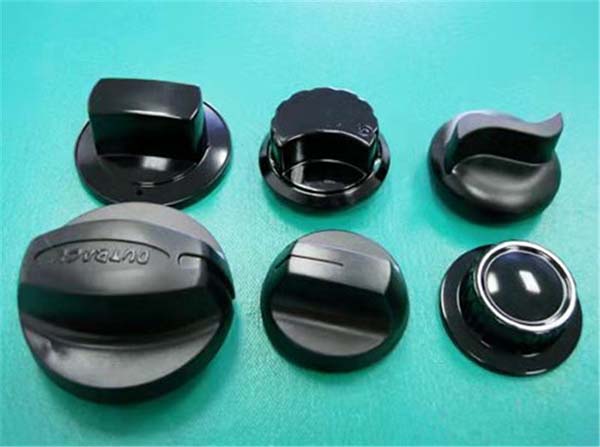
- Acrylic knobs – Cosmetic appearance
- Polycarbonate lens covers – Impact resistance
- ABS housings – Cost-effective enclosures
Prototyping Advantage
Custom turning cuts lead time from 2 weeks (injection molding) to 2 days. This speed accelerates product development.
What Safety and Environmental Practices Matter?
Respiratory Protection
Different plastics require different protection:
| Plastic | Hazard | Required PPE |
|---|---|---|
| ABS | Styrene fumes | N95 respirator |
| PTFE | Hydrofluoric acid fumes | P100 respirator |
| Acrylic | Fine dust | N95 respirator |
PTFE overheated above 260°C releases toxic hydrofluoric acid. Never exceed safe temperatures.
Ventilation
HEPA-filtered systems remove 99.97% of 0.3 μm plastic particles. This is critical for acrylic and PTFE machining.
Chemical Exposure Monitoring
Styrene monitors should alarm at 50 ppm—OSHA’s permissible exposure limit. Regular monitoring prevents chronic exposure issues.
Waste Management
70% of plastic scrap is recyclable. Partner with ISO 14001-certified recyclers to reclaim nylon and ABS.
One shop reduced waste by 40% by regrinding acrylic scrap into 3D printer filament. This generated $2,000/month in extra revenue.
Automation for Safety
Enclosed robotic cells with integrated dust collection reduce worker exposure by 95% . Add thermal sensors to detect overheating plastics before they release fumes.
Conclusion
Turning plastic successfully requires more than machining skill. It demands understanding each material’s unique behavior. Acrylic chips easily. Polycarbonate forms built-up edge. ABS releases toxic fumes when hot. Nylon absorbs moisture. PTFE is slippery and dangerous if overheated.
Tool selection matters. Uncoated carbide for ABS. PCD for acrylic. HSS for PTFE. Geometry matters too—positive rake, sharp edges, proper relief angles.
Machine setup prevents defects. Soft jaws prevent marring. Proper speeds manage heat. Air blast or mineral oil coolants match the material.
Quality control ensures results. Surface finish targets vary by application. Tolerance control accounts for thermal expansion. Regular inspection catches issues early.
Safety protects workers. Respirators match the hazard. HEPA ventilation removes particles. Fume monitors alert to dangerous levels.
Sustainability reduces waste. Scrap recycling saves money. Some shops turn waste into revenue streams.
With the right approach, plastic turning delivers precision, safety, and sustainability.
FAQ
What PPE is required for turning PTFE?
P100 respirators, chemical-resistant gloves, and face shields. PTFE fumes above 260°C release toxic hydrofluoric acid. Never overheat PTFE, and always use proper ventilation.
How do you recycle turning plastic scrap?
Separate by type—keep nylon separate from ABS. Remove metal contaminants like chips from tooling. Work with recyclers specializing in engineering plastics. Many offer ISO 14001-certified processing.
Can plastic turning be automated safely?
Yes. Enclosed robotic cells with integrated dust collection reduce worker exposure by 95%. Add thermal sensors to detect overheating plastics. These sensors can stop the machine before fumes are released.
Why does acrylic haze during machining?
Acrylic hazes when heat builds up from dull tools or excessive speed. Low thermal conductivity traps heat. Use sharp PCD tools, air blast cooling, and appropriate spindle speeds to prevent haze.
What is the best tool material for high-volume acrylic turning?
PCD (polycrystalline diamond) tools last 15x longer than carbide on acrylic. The higher upfront cost ($500+) is justified for production runs. PCD maintains sharp edges that prevent chipping and haze.