Introduction
When it comes to CNC machining, C36000 free-cutting brass is a popular choice, but it is not without its challenges. From achieving consistent machining results to handling its unique material properties, manufacturers often face issues like tool wear, chip management problems, and ensuring the right surface finish.
This guide dives deep into CNC machining C36000 brass, providing solutions to these common pain points and offering expert insights to help you master the process.
What Are the Material Properties of C36000 Brass?
Composition Breakdown
| Element | Percentage | Function |
|---|---|---|
| Copper (Cu) | 61.5% | Base metal; corrosion resistance; conductivity |
| Zinc (Zn) | 35.5% | Strength; formability |
| Lead (Pb) | 3% | Acts as lubricant during machining; reduces friction between tool and workpiece |
Key Material Properties
| Property | Value | Significance |
|---|---|---|
| Machinability rating | 100 | Benchmark—standard against which other materials’ machinability is measured; cuts easily; produces manageable chips; requires less power |
| Density | 8.47 g/cm³ | Relatively high; contributes to heft and stability—beneficial where weight matters |
| Tensile strength | 338 MPa | Good strength for range of components; ensures durability |
| Elongation | 53% | High elongation—shaped without breaking easily; adds versatility |
| Thermal conductivity | 115 W/m·K | Efficient heat transfer—suitable for thermal management applications |
| Corrosion resistance | Moderate | Adequate in many environments; protection measures needed in harsh conditions |
Lead-Free Alternatives
With growing environmental and health concerns, lead-free alternatives (using silicon or bismuth) are gaining attention. They aim to achieve similar machinability without lead—but may not match exact properties of C36000. Careful testing is necessary when switching.
What Machining Parameters Work for C36000?
Cutting Speed and Feed Rate
| Operation | Cutting Speed | Feed Rate |
|---|---|---|
| Turning | 200–300 m/min | 0.1–0.3 mm/rev |
| High-speed turning | Up to 10,000 RPM | Requires proper tooling and setup—manage heat and forces |
Chip Breakage and Burr Suppression
| Factor | Strategy |
|---|---|
| Chip breakage | Good due to lead content; optimize with right combination of cutting speed and feed rate—produces broken chips easy to evacuate |
| Burr suppression | Sharp tools; appropriate feed rates; post-machining deburring steps |
Dry Machining and Micro-Milling
| Technique | Feasibility | Notes |
|---|---|---|
| Dry machining | Often feasible—lead provides self-lubrication; reduces costs; simplifies process | |
| Micro-milling | Possible with right tools; allows precise small features | Monitor tool life to avoid unexpected failures |
What Tooling and Edge Geometry Work Best?
Tool Materials
| Tool | Best For | Advantage |
|---|---|---|
| Polished carbide inserts | General machining | Smooth surface reduces chip adhesion; better chip flow; longer tool life; withstands high speeds and temperatures |
Cutter Geometry
| Geometry | Benefit |
|---|---|
| Zero-rake high-positive geometry | Reduces cutting forces; minimizes heat generation; produces clean cuts |
| Single-flute aluminum/brass end mill | Excellent chip evacuation—prevents chip buildup; prevents surface damage |
Specialized Tools
| Tool | Application | Benefit |
|---|---|---|
| Diamond-coated micro-tools | Micro-machining | High precision; superior surface finishes |
| Insert sharpness wear curve | Tool life monitoring | Know when to replace inserts; ensures consistent performance |
Toolholder Requirements
| Factor | Requirement | Why |
|---|---|---|
| Toolholder balance | High RPM | Reduces vibration |
| Collet runout | <5 µm | Ensures accurate cuts |
What Surface Finish and Post-Processing Are Required?
Surface Finish
| Finish | Achievable | Application |
|---|---|---|
| Mirror finish | Yes—with precise machining | Decorative; high-precision |
| Ra 0.1 μm turning | Possible with right parameters and tools | Flawless, reflective surface |
Deburring and Cleaning
| Process | Purpose |
|---|---|
| Deburring | Remove sharp edges—manual or automated |
| Ultrasonic cleaning | Remove contaminants; prepare part for further processing |
Passivation and Polishing
| Process | Purpose |
|---|---|
| Passivation | Enhance corrosion resistance—forms protective layer |
| Oxide film removal | Needed before passivation—ensures good adhesion |
| Polishing | 1 μm diamond compound—smooth, shiny surface |
How Do You Handle Coolant, Chips, and Environmental Concerns?
Dry Machining Benefits
| Benefit | Impact |
|---|---|
| Reduced coolant costs | No coolant purchase or disposal |
| Less mess | Cleaner work area |
| Sustainable | When applicable—monitor tool temperature |
Coolant and Chip Evacuation
| Method | When to Use |
|---|---|
| Micro-mist coolant | When some cooling needed—lubrication without excessive fluid |
| Vacuum chip evacuation | Efficient chip removal—keeps work area clean; prevents chip-related damage |
Environmental and Safety Measures
| Measure | Purpose |
|---|---|
| Brass swarf recycling | Chips and scrap have value—recyclable material; reduces waste; provides secondary income stream |
| Lead-free coolant filters | Maintain coolant quality; prevent environmental contamination |
| Zinc leaching prevention | Prevents environmental contamination |
| OSHA lead exposure PPE | Follow safety guidelines; use appropriate personal protective equipment—protects workers |
Where Is C36000 Used?
| Industry | Applications | Why |
|---|---|---|
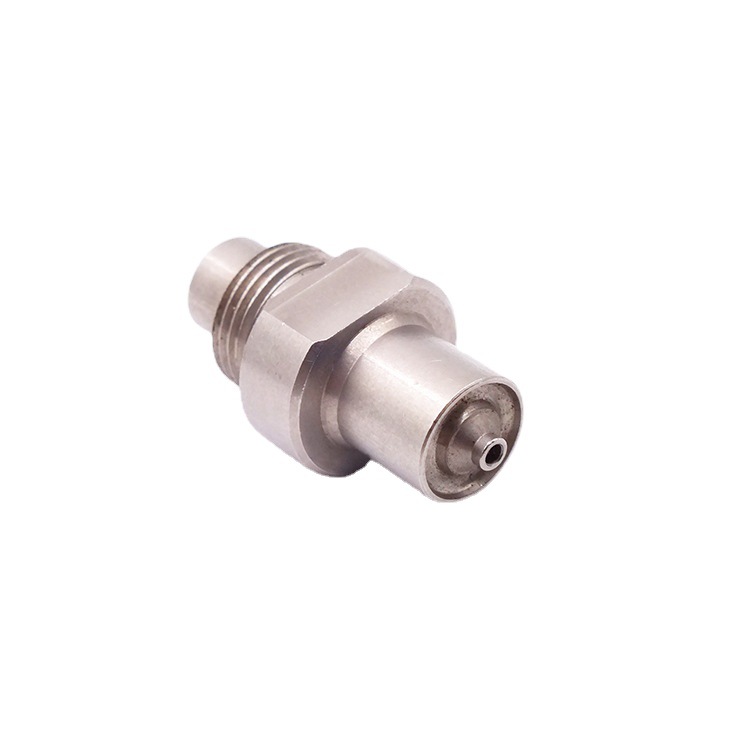
| Plumbing | Fittings, valves | Machinability; corrosion resistance—precise, leak-free components |
| Electronics | Connector pins | Conductivity; ease of machining—reliable electrical connections |
| Automotive | Sensor housings | Precision; durability |
| Watches | Watch crowns | High surface finish—decorative and functional |
| Musical instruments | Valves | Material properties contribute to sound and functionality |
| High-volume production | Swiss-type screw machine parts | Machinability—ideal for mass production; consistent quality; efficiency |
Conclusion
CNC machining C36000 free-cutting brass requires understanding its unique properties and applying targeted strategies:
- Material properties: Cu 61.5%, Zn 35.5%, Pb 3%; machinability rating 100; tensile strength 338 MPa; elongation 53%; density 8.47 g/cm³; thermal conductivity 115 W/m·K
- Machining parameters: Turning speed 200–300 m/min; feed 0.1–0.3 mm/rev; high-speed turning to 10,000 RPM with proper tooling
- Tooling: Polished carbide inserts; zero-rake high-positive geometry; single-flute end mills; diamond-coated micro-tools; collet runout <5 µm
- Chip and burr management: Optimize speed/feed for chip breakage; sharp tools; post-machining deburring
- Dry machining: Often feasible (lead self-lubricates); micro-mist coolant for high-speed applications
- Surface finish: Ra 0.1 μm achievable; mirror finish with precise machining; passivation for corrosion resistance
- Environmental safety: Brass swarf recycling; lead-free coolant filters; OSHA lead exposure PPE
- Applications: Plumbing fittings, electronic connectors, automotive sensor housings, watch crowns, musical instrument valves, high-volume Swiss-type parts
By using polished carbide inserts, optimized cutting parameters (200–300 m/min, 0.1–0.3 mm/rev), and proper toolholder setup (runout <5 µm), manufacturers can achieve superior surface finishes (Ra 0.1 μm), efficient chip evacuation, and cost-effective dry machining—leveraging C36000’s exceptional machinability for high-quality, reliable components.
FAQs
What makes C36000 brass have such good machinability?
The 3% lead content acts as a lubricant during machining, reducing friction between tool and workpiece. Combined with its balanced copper-zinc composition, this gives it a machinability rating of 100—making it easy to cut with minimal tool wear.
Can C36000 brass be used in corrosion-prone environments?
C36000 has moderate corrosion resistance. While it works in many indoor or mild environments, for harsh conditions, passivation or protective coatings are recommended. Lead-free alternatives may offer better corrosion resistance but with different machinability.
Is dry machining always possible with C36000 brass?
Dry machining is often possible due to the lead’s self-lubrication. However, in high-speed or heavy-cutting applications, micro-mist coolant can help extend tool life and improve chip evacuation. The decision depends on specific machining conditions and tooling used.
What tooling is recommended for C36000 brass?
Polished carbide inserts with zero-rake high-positive geometry are ideal—smooth surface reduces chip adhesion; reduces cutting forces; minimizes heat generation. Single-flute end mills provide excellent chip evacuation. For micro-machining, diamond-coated micro-tools achieve high precision and superior surface finishes.
What surface finish can be achieved when machining C36000 brass?
With precise machining and proper tooling, Ra 0.1 μm turning is possible—giving a flawless, reflective surface ideal for decorative or high-precision applications. Mirror finishes are achievable with appropriate parameters and tools.
Contact Yigu Technology for Custom Manufacturing
At Yigu Technology, we specialize in CNC machining C36000 free-cutting brass for plumbing, electronics, automotive, and high-volume applications. With 15 years of experience, advanced CNC turning capabilities, and ISO 9001 certification, we deliver precision components with surface finishes to Ra 0.1 μm.
Our expertise includes polished carbide tooling, dry machining strategies, and post-processing (passivation, polishing, ultrasonic cleaning). Contact us today to discuss your C36000 brass machining project.